
Catering for food allergies doesn’t have to be stressful. This guide walks you through identifying allergens, preventing cross-contamination, and creating inclusive menus so everyone can enjoy safe, delicious meals.
Key Takeaways
- Know the top 9 allergens: Milk, eggs, peanuts, tree nuts, fish, shellfish, soy, wheat, and sesame are the most common and legally recognized allergens in many countries.
- Read labels carefully: Ingredients can change, and hidden allergens often appear in sauces, dressings, and processed foods.
- Prevent cross-contamination: Use separate utensils, cutting boards, and storage containers to avoid accidental exposure.
- Communicate clearly: Always ask guests about allergies in advance and label dishes at events or buffets.
- Train your team: If you’re catering professionally, ensure staff understand allergy protocols and can answer questions confidently.
- Offer safe alternatives: Simple swaps like almond milk for dairy or gluten-free flour for wheat can make meals inclusive without sacrificing taste.
- Have an emergency plan: Keep antihistamines or an EpiPen accessible and know the signs of an allergic reaction.
How to Cater for Food Allergies
Food allergies affect millions of people worldwide—about 1 in 10 adults and 1 in 12 children in the U.S. alone. For those with severe allergies, even a tiny amount of an allergen can trigger a life-threatening reaction. As someone who prepares food—whether for family dinners, school events, or professional catering—knowing how to cater for food allergies isn’t just considerate; it’s essential.
This guide will walk you through everything you need to know to safely and confidently serve meals that everyone can enjoy. You’ll learn how to identify common allergens, prevent cross-contamination, communicate effectively with guests, and create delicious, inclusive menus. Whether you’re hosting a birthday party, running a café, or cooking for a friend with allergies, these steps will help you serve food that’s both safe and satisfying.
Step 1: Understand the Most Common Food Allergens

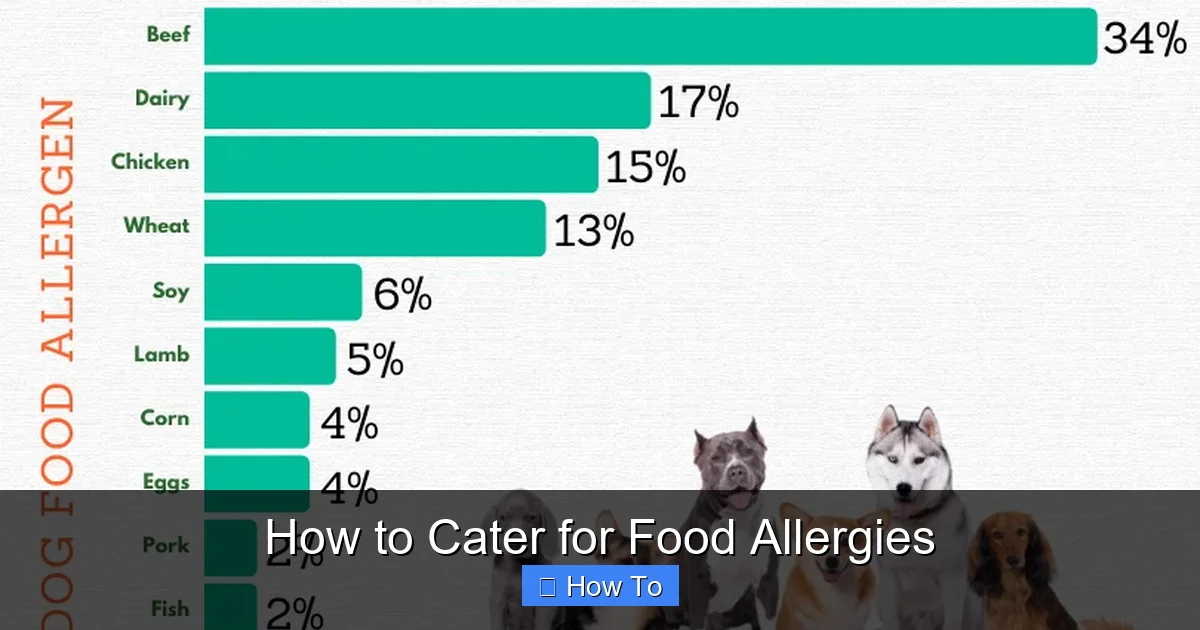
Visual guide about How to Cater for Food Allergies
Image source: foodallergiesatlanta.com
Before you can cater for food allergies, you need to know what you’re dealing with. While any food can cause an allergic reaction, a handful of ingredients are responsible for the vast majority of cases. In many countries, including the U.S., Canada, and the EU, these are legally recognized as the “major allergens” and must be clearly labeled on packaged foods.
The Top 9 Allergens
1. Milk: Found in dairy products like cheese, yogurt, butter, and cream. Also hidden in baked goods, processed meats, and chocolate.
2. Eggs: Common in baked goods, pasta, mayonnaise, and some sauces. Egg whites and yolks can both cause reactions.
3. Peanuts: Legume-related and highly allergenic. Found in peanut butter, candies, sauces, and some Asian dishes.
4. Tree Nuts: Includes almonds, walnuts, cashews, pistachios, and more. Often used in desserts, pesto, and nut butters.
5. Fish: Such as salmon, tuna, and cod. Reactions can occur from eating fish or even inhaling fumes during cooking.
6. Shellfish: Includes shrimp, crab, lobster, and clams. A common cause of severe allergic reactions.
7. Soy: Found in tofu, soy sauce, edamame, and many processed foods. Often used as a protein substitute.
8. Wheat: Present in bread, pasta, cereals, and baked goods. Note: This is different from celiac disease, which is an autoimmune reaction to gluten.
9. Sesame: Recently added to the U.S. list of major allergens. Found in tahini, hummus, bread, and Asian dishes.
Why This Matters
Knowing these allergens helps you scan ingredient lists, ask the right questions, and make informed decisions. For example, if a guest is allergic to dairy, you’ll avoid not just milk but also butter, cream cheese, and whey powder—common hidden sources.
Practical Tip:
Keep a printed list of the top 9 allergens in your kitchen. Post it near your workspace or save it on your phone for quick reference when shopping or cooking.
Step 2: Communicate with Guests Beforehand
One of the most important steps in how to cater for food allergies is communication. You can’t assume you know someone’s dietary needs—even if you’ve cooked for them before. Allergies can develop at any age, and sensitivities can change over time.
Ask Directly and Respectfully
When inviting guests to a meal—whether it’s a dinner party, wedding, or corporate event—include a simple question on your RSVP form:
“Do you or anyone in your party have food allergies or dietary restrictions? Please let us know so we can accommodate you safely.”
This shows you care and gives guests a chance to share important information without feeling like a burden.
Follow Up for Clarity
If someone lists an allergy, don’t guess. Follow up with a polite message:
“Thanks for letting us know about your peanut allergy. Just to confirm—does this include all peanut products, or are you okay with highly refined peanut oil?”
Some people with mild allergies can tolerate certain forms of an allergen, while others react to trace amounts. Clarifying helps you prepare safely.
Example Scenario
Imagine you’re hosting a birthday dinner. Sarah RSVPs and mentions a shellfish allergy. Instead of just avoiding shrimp, ask: “Is it safe to cook with fish sauce or oyster sauce?” Many people with shellfish allergies react to these ingredients, even in small amounts.
Practical Tip:
Use digital tools like Google Forms or event planning apps to collect dietary information. This keeps responses organized and easy to reference when planning your menu.
Step 3: Read Labels Religiously
Even if you’re cooking from scratch, packaged ingredients can hide allergens. Sauces, broths, spice blends, and even chocolate chips may contain milk, soy, or nuts.
Check Every Time
Ingredient lists can change without warning. A product that was safe last month might now include a new additive. Always read the label—even on items you’ve used before.
Watch for “May Contain” Warnings
Many labels include statements like “May contain traces of nuts” or “Processed in a facility that also handles eggs.” These are voluntary but important. For someone with a severe allergy, even trace amounts can be dangerous.
Decode Hidden Names
Allergens often appear under different names. For example:
– Milk: Casein, whey, lactose, ghee
– Eggs: Albumin, lecithin (if derived from eggs), globulin
– Soy: Textured vegetable protein (TVP), miso, natto
– Wheat: Semolina, durum, spelt, farro
Practical Tip:
Download a food allergy app like Fig or Spoonful. These tools scan barcodes and flag potential allergens based on your specific needs.
Step 4: Prevent Cross-Contamination
Cross-contamination happens when an allergen is accidentally transferred from one food to another. This can occur through shared utensils, cutting boards, oils, or even hands.
Use Separate Tools and Surfaces
If you’re preparing a meal with allergens, use dedicated equipment for allergen-free dishes:
– One set of cutting boards and knives for nut-free prep
– Separate pots and pans for dairy-free cooking
– Clean sponges and dishcloths (or use disposable ones)
Clean Thoroughly
Wash all surfaces, utensils, and hands with soap and hot water before starting allergen-free prep. Don’t rely on a quick rinse—proteins from allergens can linger.
Be Mindful of Cooking Oils and Frying
If you fry chicken in oil that was previously used for breaded shrimp, the oil may contain shellfish proteins. Use fresh oil for allergen-free frying, or avoid frying altogether if cross-contact is a concern.
Store Foods Safely
Keep allergen-free ingredients in sealed containers, away from allergen-containing foods. Label them clearly. For example: “Gluten-free flour – DO NOT USE FOR WHEAT RECIPES.”
Practical Tip:
Color-code your kitchen tools. Use red cutting boards for allergen-containing foods and green for allergen-free prep. This visual system reduces mistakes.
Step 5: Plan an Inclusive Menu
You don’t need to create separate meals for every guest. With smart planning, you can design a menu where most dishes are naturally allergen-free or easily adaptable.
Start with Naturally Safe Foods
Focus on whole, unprocessed ingredients:
– Fresh fruits and vegetables
– Plain meats, poultry, and fish (unbreaded)
– Rice, quinoa, and gluten-free grains
– Olive oil, herbs, and spices
These form the base of many safe meals.
Use Simple Swaps
Dairy-free: Replace milk with oat, almond, or coconut milk. Use dairy-free butter or olive oil in baking.
Egg-free: Use flax eggs (1 tbsp ground flax + 3 tbsp water = 1 egg) or commercial egg replacers.
Gluten-free: Swap wheat flour for rice, almond, or gluten-free all-purpose blends. Check that oats are certified gluten-free.
Nut-free: Use sunflower seed butter instead of peanut butter. Replace chopped nuts with seeds like pumpkin or sunflower.
Example Menu for a Dinner Party
Appetizer: Hummus with veggie sticks (check tahini for sesame allergy; use sunflower seed butter if needed)
Main: Grilled chicken with roasted sweet potatoes and steamed green beans (use olive oil, no butter)
Dessert: Fresh fruit salad with coconut yogurt (dairy-free, nut-free option)
This menu avoids the top 9 allergens and can be enjoyed by most guests.
Practical Tip:
Label each dish at your event with a small card listing ingredients or allergens. For example: “Quinoa Salad – Contains: Soy (in tamari), Sesame (in tahini).”
Step 6: Train Your Team (For Professional Catering)
If you’re catering professionally, your entire team needs to understand food allergies. A single mistake—like using the same tongs for gluten-free and regular pasta—can cause a serious reaction.
Educate on the Basics
Hold a brief training session covering:
– The top 9 allergens
– How to read labels
– Cross-contamination risks
– Emergency procedures
Assign Allergy Champions
Designate one or two staff members as “allergy experts” who double-check ingredient lists, oversee allergen-free prep, and answer guest questions.
Use Clear Communication Systems
When a guest mentions an allergy, log it in your order system with a bold note: “ALLERGY ALERT: No nuts.” Ensure the kitchen sees this before cooking.
Practical Tip:
Create a cheat sheet for staff with common allergen swaps and “red flag” ingredients. Keep it in the kitchen and service area.
Step 7: Be Prepared for Emergencies
Even with the best planning, accidents can happen. Knowing how to respond can save a life.
Recognize the Signs of an Allergic Reaction
Symptoms can range from mild to severe and may include:
– Hives, itching, or swelling
– Stomach pain, vomiting, or diarrhea
– Difficulty breathing, wheezing, or tightness in the throat
– Dizziness or fainting
Severe reactions (anaphylaxis) require immediate action.
Have an Emergency Plan
– Keep antihistamines (like Benadryl) on hand for mild reactions.
– If a guest has a known severe allergy, ask if they carry an EpiPen—and know where it is.
– Call emergency services (911 in the U.S.) immediately if someone shows signs of anaphylaxis.
Don’t Wait
Even if symptoms seem mild at first, they can worsen quickly. When in doubt, seek medical help.
Practical Tip:
Include emergency contact numbers and the location of the nearest hospital in your event planning checklist.
Troubleshooting Common Challenges
“I Don’t Have Time to Cook Separate Meals”
You don’t have to. Focus on one or two centerpiece dishes that are naturally allergen-free, and let guests customize sides. For example, serve plain grilled chicken with a build-your-own salad bar (with labeled toppings).
“My Guests Say They’re ‘Fine’ with Everything”
Don’t assume. Some people downplay allergies to avoid inconvenience. Gently remind them: “We want to make sure you’re safe and comfortable—please let us know if there’s anything we should avoid.”
“I’m Not Sure If an Ingredient Is Safe”
When in doubt, leave it out. It’s better to serve a simpler dish than risk a reaction. You can always offer a safe alternative on the side.
“Cross-Contamination Seems Impossible to Avoid”
It’s not. With planning, you can manage it. Use separate prep zones, clean thoroughly, and communicate clearly with your team.
Conclusion
Learning how to cater for food allergies is a skill that combines knowledge, care, and attention to detail. By understanding common allergens, communicating with guests, reading labels, preventing cross-contamination, and planning inclusive menus, you can create meals that are safe and welcoming for everyone.
You don’t need to be a professional chef or have a fully stocked allergen-free kitchen. Small changes—like asking about allergies, using separate cutting boards, or labeling dishes—can make a big difference. Most importantly, your effort shows respect and compassion for your guests’ health and well-being.
With practice, catering for food allergies will become second nature. And the peace of mind that comes from knowing everyone can enjoy your food safely? That’s priceless.