
Changing your cat’s food requires a gradual transition to prevent digestive issues and ensure acceptance. This guide walks you through the process, from choosing the right food to monitoring your cat’s health during the switch. Patience and planning are key to a successful food change.
Key Takeaways
- Transition slowly: Mix the new food with the old over 7–10 days to avoid stomach upset.
- Choose the right food: Consider your cat’s age, health, and dietary needs when selecting a new brand or formula.
- Watch for signs of intolerance: Vomiting, diarrhea, or lethargy may indicate a poor food match.
- Stick to a routine: Feed at the same times daily to reduce stress during the transition.
- Consult your vet: Always check with a veterinarian before making major dietary changes, especially for senior or sick cats.
- Be patient with picky eaters: Some cats resist change—try warming food or adding a topper to entice them.
- Monitor weight and coat: A healthy transition shows in consistent energy, good digestion, and a shiny coat.
How to Change a Cat’s Food: A Complete Step-by-Step Guide
Changing your cat’s food might seem simple—just swap the old kibble for the new, right? Not quite. Cats are notoriously particular about their meals, and sudden changes can lead to digestive upset, refusal to eat, or even long-term health issues. Whether you’re switching due to allergies, age-related needs, cost, or simply wanting to provide better nutrition, doing it the right way is essential.
In this guide, you’ll learn exactly how to change a cat’s food safely and effectively. We’ll cover everything from choosing the right new food to managing your cat’s reaction during the transition. You’ll also get practical tips for picky eaters, troubleshooting advice, and expert recommendations to ensure your feline friend stays happy, healthy, and well-fed.
Let’s dive in.
Why Changing Your Cat’s Food Matters
Cats are obligate carnivores, meaning their bodies are designed to thrive on a diet rich in animal protein. Over time, their nutritional needs change based on age, activity level, and health conditions. For example, kittens need high-calorie food for growth, while senior cats may benefit from lower-phosphorus diets to support kidney health.
Switching to a higher-quality food can improve your cat’s coat, energy levels, digestion, and even litter box habits. However, the key to reaping these benefits is a smooth and gradual transition. Rushing the process can cause stress, gastrointestinal issues, or food aversion—making future changes even harder.
When Should You Change Your Cat’s Food?
Not every food change is planned. Sometimes, it’s necessary due to health issues, recalls, or availability. But ideally, you’ll want to make the switch at the right time for your cat’s well-being.
Common Reasons to Change Cat Food
- Age progression: Moving from kitten to adult food around 12 months, or adult to senior food around 7–10 years.
- Health concerns: Allergies, diabetes, kidney disease, or obesity may require a specialized diet.
- Improved nutrition: Upgrading to a higher-protein, grain-free, or vet-recommended formula.
- Food recall or discontinuation: If your usual brand is no longer available or has been recalled.
- Behavioral issues: Some cats become bored with the same food and may eat less or beg for human food.
If you’re unsure whether it’s time to switch, consult your veterinarian. They can assess your cat’s current diet and recommend the best options based on their individual needs.
How to Choose the Right New Food
Picking the right food is half the battle. With so many options on the market—dry, wet, raw, grain-free, organic, prescription—it’s easy to feel overwhelmed. Here’s how to make an informed choice.
Check the Ingredients
Look for a food where animal protein is the first ingredient. Cats need meat, not fillers like corn, wheat, or soy. Avoid artificial preservatives (BHA, BHT), colors, and excessive carbohydrates.
Consider Your Cat’s Life Stage
Kittens, adults, and seniors have different nutritional needs. Make sure the food is labeled appropriately (e.g., “for all life stages” or “adult maintenance”).
Wet vs. Dry Food
Wet food is great for hydration and can help prevent urinary tract issues. Dry food is convenient and helps with dental health. Many owners use a combination of both.
Special Diets
If your cat has a medical condition, your vet may prescribe a therapeutic diet. These are formulated to manage specific health problems and should only be used under veterinary guidance.
Brand Reputation and Reviews
Choose brands with a good track record for quality and safety. Read reviews from other cat owners and look for recalls or complaints.
Sample Before Committing
Buy a small bag or can of the new food to test it. This minimizes waste if your cat refuses it.
Preparing for the Food Transition
Before you begin mixing foods, take a few steps to set yourself and your cat up for success.
Gather Supplies
- The new food (in appropriate quantity)
- Your cat’s current food
- A clean food bowl
- A feeding schedule chart (optional but helpful)
- Treats or food toppers (for encouragement)
Set a Start Date
Choose a calm time—avoid holidays, travel, or household changes. Cats thrive on routine, so a stable environment helps.
Consult Your Vet (If Needed)
If your cat has health issues, ask your vet before switching. They may recommend a specific transition timeline or diet.
Step-by-Step Guide to Changing Your Cat’s Food
Now for the main event: the actual transition. Follow this 7–10 day plan to minimize digestive upset and increase acceptance.
Day 1–2: 75% Old Food, 25% New Food
Start by mixing a small amount of the new food into your cat’s regular meals. For example, if you feed 1/2 cup per meal, use 3/8 cup old food and 1/8 cup new food.
Serve at your cat’s usual feeding time. Watch for any signs of digestive upset, such as vomiting or loose stools. If your cat eats it without issue, great! If not, don’t force it—try again at the next meal.
Day 3–4: 50% Old Food, 50% New Food
Increase the ratio to equal parts old and new food. This halfway point helps your cat’s digestive system adjust to the new ingredients.
Some cats may show mild interest in the new food now. If your cat sniffs or licks it but doesn’t eat, try warming the food slightly (especially wet food) to enhance the aroma. Never microwave—use warm water or a food warmer.
Day 5–6: 25% Old Food, 75% New Food
Now the new food is the majority. Your cat should be getting used to the taste and texture. Continue feeding at the same times and in the same location to maintain routine.
If your cat is eating well, you’re on track. If not, slow down the process—go back to the previous ratio for another day or two.
Day 7–10: 100% New Food
By now, your cat should be eating the new food exclusively. If they’re still hesitant, don’t panic. Some cats take longer.
You can try:
- Adding a small amount of warm water to dry kibble to soften it and release aroma.
- Mixing in a teaspoon of wet food or a food topper (like tuna juice or bone broth).
- Offering the new food in a different bowl or location.
Tips for Picky Eaters
Not all cats transition smoothly. Some are downright stubborn. Here’s how to handle a finicky feline.
Be Patient
Cats can take weeks to accept new food. Don’t give up after a few days. Consistency is key.
Use Positive Reinforcement
Praise your cat when they try the new food. Offer a favorite treat afterward to create a positive association.
Try Different Textures
If your cat rejects dry food, try wet. If they hate pâté, offer shredded or chunks in gravy. Some cats prefer crunchy kibble, others soft.
Warm the Food
Cats have a strong sense of smell. Warming wet food to room temperature or slightly warmer can make it more appealing.
Limit Treats During Transition
Too many treats can spoil your cat’s appetite for meals. Keep treats to less than 10% of their daily caloric intake.
Don’t Free-Feed
If your cat grazes all day, consider switching to scheduled meals during the transition. This helps you monitor intake and encourages them to eat when food is offered.
Monitoring Your Cat’s Health During the Transition
Your cat’s body will tell you if the new food is working. Keep an eye on these signs:
Digestive Health
- Normal stool: Firm, well-formed, and brown.
- Vomiting: Occasional hairballs are normal, but frequent vomiting is not.
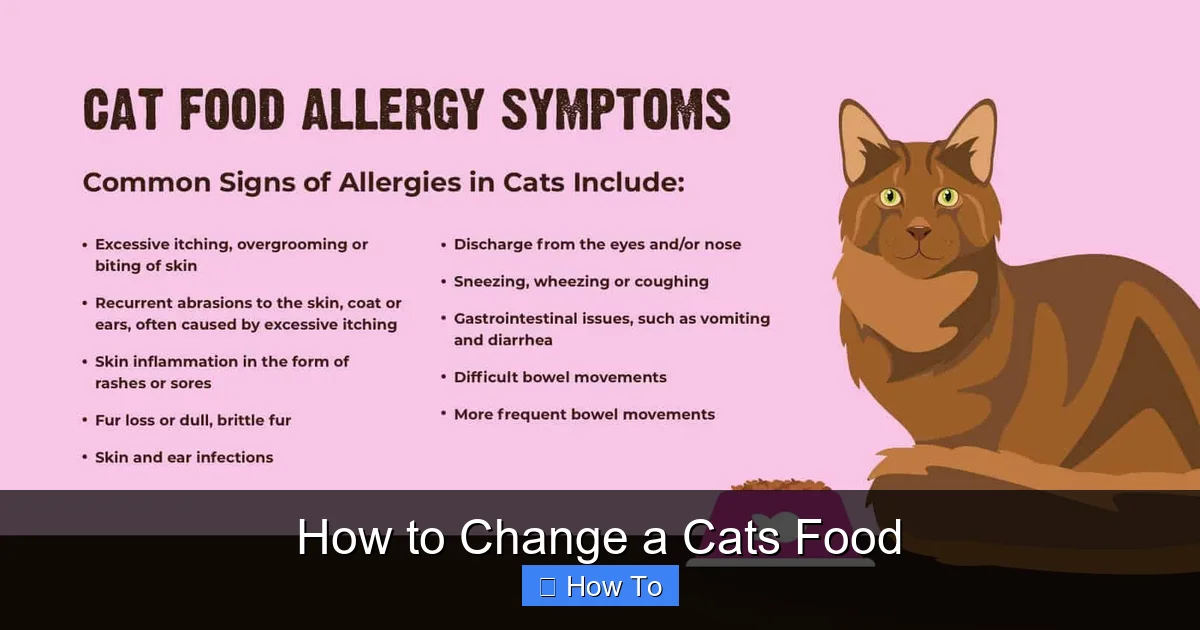
- Diarrhea or constipation: May indicate intolerance or imbalance.
If digestive issues last more than 2–3 days, slow the transition or consult your vet.
Appetite and Energy
Your cat should continue to eat regularly and maintain normal activity levels. Loss of appetite for more than 24 hours is a red flag.
Coat and Skin
A healthy transition often results in a shinier coat and less shedding. Dull fur or flaky skin may signal nutritional deficiencies.
Weight Changes
Monitor your cat’s weight weekly. Sudden weight loss or gain could mean the new food isn’t meeting their needs.
Troubleshooting Common Problems
Even with the best plan, issues can arise. Here’s how to handle them.
Problem: Cat Refuses to Eat the New Food
Solution: Go back to a higher ratio of old food. Try adding a food topper like plain cooked chicken (no seasoning) or a sprinkle of nutritional yeast. Offer small, frequent meals. If refusal lasts more than 48 hours, contact your vet—cats can develop serious liver issues if they stop eating.
Visual guide about How to Change a Cats Food
Image source: memeguy.com
Problem: Vomiting or Diarrhea
Solution: Pause the transition and return to 100% old food for a few days. Once symptoms resolve, restart the process more slowly—over 10–14 days instead of 7. If symptoms persist, see your vet to rule out food allergies or infections.
Problem: Cat Prefers the Old Food and Ignores the New
Solution: Don’t give in! Continuing to offer the old food reinforces picky behavior. Stick to the transition plan and use positive reinforcement. Sometimes, it takes time for cats to accept change.
Problem: New Food Causes Gas or Bad Odor
Solution: Some ingredients (like legumes or certain fibers) can cause gas. Try a different formula with simpler ingredients. Probiotics designed for cats may also help.
Problem: Cat Gains or Loses Weight
Solution: Adjust portion sizes based on the new food’s calorie content. Use a measuring cup—don’t guess. If weight changes are extreme, consult your vet.
How Long Should the Transition Take?
The standard timeline is 7–10 days, but every cat is different. Some adapt in 5 days; others need 2 weeks or more. The key is to go at your cat’s pace.
If your cat is elderly, ill, or has a sensitive stomach, extend the transition to 10–14 days. For kittens or healthy adults, 7 days is usually sufficient.
Never rush. A slow transition reduces stress and increases the chances of long-term success.
After the Transition: What to Expect
Once your cat is fully on the new food, monitor their overall health and behavior.
Improved Digestion
Many owners notice smaller, less smelly stools and fewer hairballs after switching to a higher-quality food.
Shinier Coat
Omega-3 and omega-6 fatty acids in quality cat food promote healthy skin and a glossy coat.
Better Energy Levels
A balanced diet supports consistent energy. Your cat may be more playful or alert.
Stable Weight
The right food helps maintain a healthy weight, reducing the risk of obesity-related diseases.
Happy Cat, Happy Owner
A smooth transition means less stress for both of you. Your cat gets the nutrition they need, and you gain peace of mind.
When to Call the Vet
While most food transitions go smoothly, some situations require professional help.
Contact your veterinarian if your cat shows:
- Loss of appetite for more than 24–48 hours
- Persistent vomiting or diarrhea
- Lethargy or weakness
- Signs of dehydration (dry gums, sunken eyes, skin that doesn’t snap back)
- Allergic reactions (itching, swelling, hives)
These could indicate a food intolerance, allergy, or underlying health issue.
Final Thoughts: Making the Switch Stress-Free
Changing your cat’s food doesn’t have to be stressful—for you or your feline friend. With a little planning, patience, and attention to detail, you can make the transition smooth and successful.
Remember:
- Start slow and mix foods gradually.
- Choose a high-quality food that meets your cat’s needs.
- Stick to a routine and monitor your cat’s health.
- Be flexible—adjust the timeline if needed.
- When in doubt, consult your vet.
Your cat’s diet plays a huge role in their long-term health and happiness. By taking the time to change their food the right way, you’re giving them the gift of better nutrition—and a longer, healthier life.
So go ahead, make that switch with confidence. Your cat will thank you with purrs, head bumps, and a clean food bowl.