
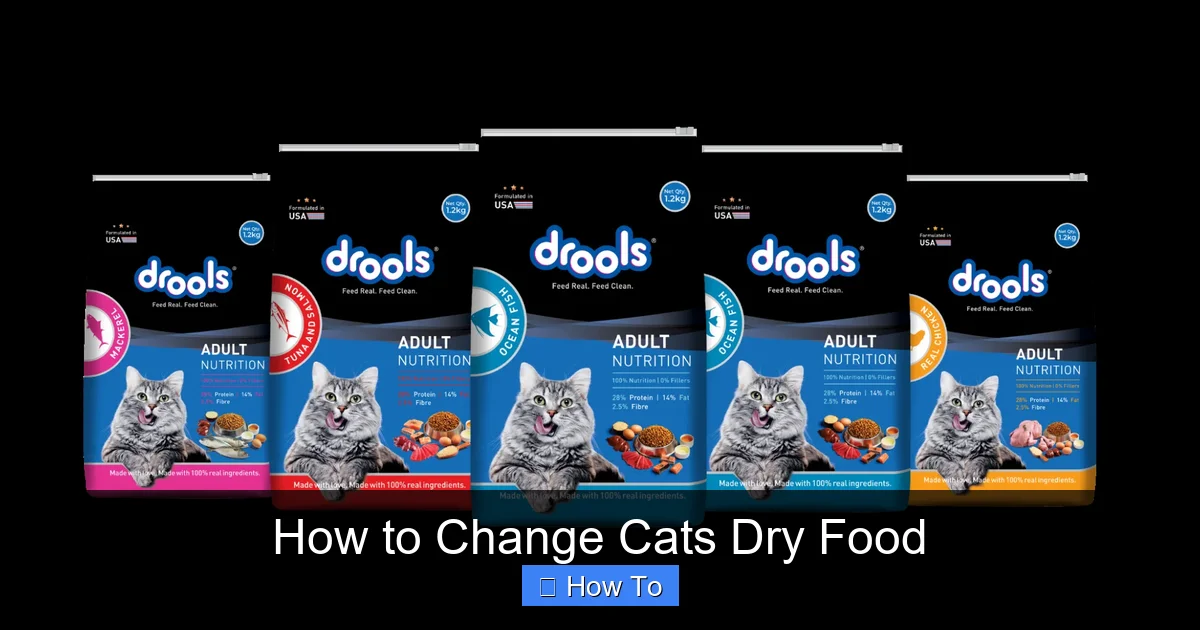
Changing your cat’s dry food doesn’t have to be stressful. This guide walks you through a safe, gradual transition to prevent digestive issues and ensure your cat accepts the new diet. With practical tips and expert advice, you’ll keep your feline happy and healthy.
Key Takeaways
- Gradual transition is essential: Sudden changes can upset your cat’s stomach. Mix old and new food over 7–10 days to allow their digestive system to adapt.
- Monitor your cat’s reaction: Watch for signs of digestive upset like vomiting, diarrhea, or loss of appetite. Adjust the transition pace if needed.
- Choose high-quality food: Look for complete and balanced nutrition with real meat as the first ingredient and no artificial fillers.
- Maintain feeding routines: Keep meal times, portion sizes, and feeding locations consistent to reduce stress during the change.
- Hydration matters: Dry food has low moisture, so ensure fresh water is always available to support kidney and urinary health.
- Consult your vet when in doubt: If your cat has health conditions or refuses the new food, seek professional advice before making changes.
- Patience pays off: Some cats take longer to adjust. Stay consistent and avoid switching back and forth between brands.
How to Change Cats Dry Food: A Complete Step-by-Step Guide
Changing your cat’s dry food might seem simple, but doing it the right way is crucial for your feline friend’s health and happiness. Whether you’re switching to a higher-quality brand, addressing a dietary need, or simply trying something new, a sudden change can lead to digestive upset, refusal to eat, or even long-term health issues. The good news? With a little planning and patience, you can make the transition smooth and stress-free for both you and your cat.
In this comprehensive guide, you’ll learn exactly how to change cats dry food safely and effectively. We’ll cover why gradual transitions matter, how to choose the right new food, step-by-step mixing instructions, and what to do if your cat resists the change. You’ll also get practical tips for monitoring your cat’s health, maintaining hydration, and troubleshooting common problems. By the end, you’ll feel confident making dietary changes that support your cat’s long-term well-being.
Why You Might Want to Change Your Cat’s Dry Food
Visual guide about How to Change Cats Dry Food
Image source: happet.net
There are many valid reasons to consider changing your cat’s dry food. Maybe you’ve learned more about feline nutrition and want to upgrade to a higher-quality option. Perhaps your cat has developed sensitivities, allergies, or health issues like urinary tract problems or obesity that require a specialized diet. Or maybe you’ve found a brand that’s more affordable, sustainable, or convenient without sacrificing nutrition.
Whatever your reason, it’s important to approach the change thoughtfully. Cats are creatures of habit, and their digestive systems are sensitive. A sudden switch can lead to vomiting, diarrhea, gas, or even food aversion—where your cat refuses to eat altogether. That’s why understanding how to change cats dry food gradually is so important.
Choosing the Right New Dry Food
Before you begin the transition, take time to select a high-quality dry food that meets your cat’s nutritional needs. Not all cat foods are created equal, and reading labels carefully can make a big difference.
Look for Complete and Balanced Nutrition
The Association of American Feed Control Officials (AAFCO) sets standards for pet food nutrition. Look for a statement on the packaging that says the food is “complete and balanced” for your cat’s life stage—whether that’s kitten, adult, or senior. This ensures the food provides all the essential nutrients in the right proportions.
Prioritize High-Quality Ingredients
The first ingredient should be a named animal protein, such as “chicken,” “turkey,” or “salmon”—not “meat by-products” or “poultry meal” (unless specified as high-quality). Cats are obligate carnivores, meaning they need animal-based protein to thrive.
Avoid foods with excessive fillers like corn, wheat, soy, or artificial colors and preservatives. These offer little nutritional value and may contribute to allergies or digestive issues.
Consider Your Cat’s Specific Needs
If your cat has health concerns, choose a formula designed to support those needs. For example:
– Urinary health: Look for foods with controlled mineral levels (magnesium, phosphorus) and added moisture support.
– Weight management: Choose lower-calorie, high-fiber options.
– Sensitive stomach: Opt for limited-ingredient diets or easily digestible proteins like duck or rabbit.
Your veterinarian can help you select the best food based on your cat’s age, weight, activity level, and medical history.
Preparing for the Transition
Once you’ve chosen the new food, it’s time to prepare for a smooth switch. Rushing this step can lead to problems down the line.
Check the Feeding Guidelines
Review the feeding instructions on both the old and new food packaging. Note the recommended daily amount based on your cat’s weight. You’ll want to maintain consistent portion sizes during the transition to avoid overfeeding or underfeeding.
Stock Up on Both Foods
Make sure you have enough of the old food to last through the transition period—usually 7 to 10 days. You don’t want to run out halfway through and have to make another sudden change.
Set a Start Date
Pick a calm time to begin the switch—avoid holidays, travel, or other stressful events. A stable environment helps your cat adjust more easily.
The Step-by-Step Transition Process
Now for the core of how to change cats dry food: the gradual mixing method. This approach allows your cat’s digestive system to adapt slowly, reducing the risk of upset.
Days 1–2: 75% Old Food, 25% New Food
Start by mixing a small amount of the new food into your cat’s regular meals. Use a 3:1 ratio—three parts old food to one part new food.
For example, if you normally feed ½ cup per meal, use ⅜ cup of old food and ⅛ cup of new food.
Serve the mixture at your cat’s usual feeding time. Observe how your cat reacts. Do they eat it eagerly? Are there any signs of digestive discomfort?
Days 3–4: 50% Old Food, 50% New Food
Increase the proportion of new food to half. Now your cat is getting equal parts old and new food.
Continue monitoring your cat’s appetite, energy levels, and litter box habits. Some mild changes in stool consistency are normal, but persistent diarrhea or vomiting means you should slow down the transition.
Days 5–6: 25% Old Food, 75% New Food
By now, your cat should be mostly eating the new food. Reduce the old food to a quarter of the meal and increase the new food to three-quarters.
This is a critical phase. If your cat shows reluctance or digestive issues, stay at this ratio for an extra day or two before moving forward.
Day 7 and Beyond: 100% New Food
Once your cat is comfortably eating the 75/25 mix, it’s time to switch entirely to the new food. Serve only the new dry food at each meal.
Continue to watch for any adverse reactions over the next few days. Most cats adjust fully within a week, but some may take up to two weeks.
Tips for a Successful Transition
Even with a perfect plan, every cat is different. Here are some practical tips to increase your chances of success.
Maintain Consistency
Keep your cat’s feeding schedule, portion sizes, and feeding location the same throughout the transition. Cats thrive on routine, and consistency reduces stress.
Warm the Food Slightly
Some cats are more attracted to food that’s slightly warmed, as it enhances the aroma. You can microwave a small portion for 5–10 seconds or add a teaspoon of warm water to the kibble. Just be sure to stir well and test the temperature before serving.
Use Positive Reinforcement
Praise your cat or offer a small treat (from the new food, if possible) when they eat the mixture. This creates a positive association with the new food.
Don’t Give In to Begging
If your cat refuses the mixed food and waits for you to give them the old kind, resist the urge to cave. This can prolong the transition and teach your cat that persistence pays off. Stay patient and consistent.
Offer Fresh Water Daily
Dry food contains very little moisture—typically less than 10%. Since cats naturally have a low thirst drive, they can become dehydrated easily. Always provide fresh, clean water in a clean bowl. Consider using a cat water fountain, which many cats prefer because of the flowing water.
What to Do If Your Cat Refuses the New Food
Even with the best preparation, some cats are picky or resistant to change. If your cat refuses to eat the new food, don’t panic. Here’s how to troubleshoot.
Slow Down the Transition
If your cat is rejecting the mixture, go back to a higher ratio of old food. For example, if you’re at 50/50 and they won’t eat it, return to 75/25 for a few extra days. Gradual change is key.
Try a Different Mixing Method
Some cats prefer the new food sprinkled on top of the old food rather than mixed in. Others respond better when the new kibble is crushed or softened with water. Experiment to find what works.
Add a Topper
A small amount of wet food, bone broth (unsalted and onion-free), or a sprinkle of freeze-dried meat can make the new food more appealing. Use this sparingly—just enough to encourage eating—and phase it out as your cat accepts the new food.
Rule Out Health Issues
If your cat stops eating entirely for more than 24 hours, or shows signs of illness like lethargy, vomiting, or diarrhea, contact your veterinarian immediately. Loss of appetite can be a sign of serious health problems.
Monitoring Your Cat’s Health During the Transition
Changing your cat’s diet is more than just swapping kibble. It’s an opportunity to observe how your cat responds to new ingredients and nutrition.
Watch the Litter Box
Pay attention to your cat’s bowel movements. Occasional soft stools are normal during a transition, but persistent diarrhea or constipation could indicate a problem. Also note the frequency and odor—changes may reflect digestion issues.
Check Appetite and Energy Levels
A healthy cat should maintain a good appetite and normal activity level. If your cat becomes lethargic, hides more than usual, or shows little interest in food, consult your vet.
Weigh Your Cat Weekly
Sudden weight loss or gain can signal that the new food isn’t meeting your cat’s needs. Use a pet scale or visit your vet for regular weigh-ins, especially if your cat has a history of weight issues.
Common Mistakes to Avoid
Even experienced cat owners can make errors when changing food. Avoid these common pitfalls:
Switching Too Fast
The biggest mistake is rushing the process. A sudden change shocks the digestive system and increases the risk of gastrointestinal upset.
Switching Back and Forth
If your cat doesn’t like the new food right away, don’t immediately return to the old one and try again later. This confuses your cat and makes future transitions harder.
Ignoring Hydration
Dry food alone isn’t enough to keep your cat hydrated. Always provide fresh water and consider supplementing with wet food to increase moisture intake.
Overfeeding During Transition
When mixing foods, it’s easy to accidentally increase portion sizes. Stick to the recommended daily amount to avoid weight gain.
When to Consult Your Veterinarian
While most cats handle food changes well, some situations require professional guidance.
Your Cat Has a Medical Condition
If your cat has diabetes, kidney disease, food allergies, or inflammatory bowel disease, talk to your vet before changing food. Some conditions require prescription diets or specific nutrient profiles.
The New Food Causes Persistent Issues
If your cat continues to vomit, has diarrhea for more than 48 hours, or refuses to eat after a full transition, seek veterinary advice. These could be signs of an allergy, intolerance, or underlying illness.
You’re Unsure About Nutritional Needs
Not sure if the new food is right for your cat’s age, weight, or activity level? Your vet can help you evaluate the label and make an informed choice.
Long-Term Benefits of a Smooth Transition
Taking the time to change your cat’s dry food properly pays off in the long run. A well-executed transition:
– Supports digestive health
– Reduces the risk of food aversion
– Helps your cat adapt to new textures and flavors
– Encourages acceptance of future dietary changes
– Promotes overall well-being and longevity
By following the steps in this guide, you’re not just feeding your cat—you’re investing in their health and happiness.
Conclusion
Changing your cat’s dry food doesn’t have to be a stressful experience. With a gradual approach, careful observation, and a little patience, you can make the transition smooth and successful. Remember, the goal isn’t just to switch brands—it’s to support your cat’s health, digestion, and long-term wellness.
Start by choosing a high-quality food that meets your cat’s needs, then follow the 7–10 day mixing schedule. Monitor your cat closely, stay consistent with routines, and don’t hesitate to consult your vet if you have concerns. And most importantly, trust the process. Even the pickiest cats can learn to love new food when introduced the right way.
Now that you know how to change cats dry food safely, you’re equipped to make informed decisions about your feline’s diet. Whether you’re upgrading to a premium brand, addressing a health issue, or simply exploring new options, you can do so with confidence—and keep your cat purring for years to come.