
Changing your cat’s wet food doesn’t have to be stressful. This guide walks you through a smooth transition, proper storage, and signs your cat is adjusting well—so you can keep them happy and healthy.
Key Takeaways
- Gradual transition is key: Switch wet cat food over 7–10 days to avoid digestive upset and help your cat adapt.
- Choose high-quality ingredients: Look for real meat as the first ingredient and avoid fillers like corn, soy, or artificial preservatives.
- Monitor your cat’s reaction: Watch for changes in appetite, energy, coat condition, and litter box habits after switching.
- Store opened cans properly: Refrigerate unused portions in airtight containers and use within 3–5 days to maintain freshness.
- Stick to a feeding schedule: Feed at consistent times daily to support digestion and reduce food-related anxiety.
- Consult your vet if needed: If your cat refuses food or shows signs of illness, seek professional advice before continuing the switch.
- Rotate flavors wisely: Offering variety can prevent pickiness, but do it gradually to avoid stomach issues.
How to Change Wet Cat Food: A Complete Step-by-Step Guide
Switching your cat’s wet food might seem simple—just open a new can and serve, right? Not quite. While cats are naturally curious, they’re also creatures of habit. A sudden change in diet can lead to digestive upset, refusal to eat, or even stress-related behaviors like hiding or aggression. That’s why knowing how to change wet cat food the right way is essential for your feline friend’s health and happiness.
In this guide, you’ll learn everything you need to know about transitioning your cat to a new wet food—whether you’re switching brands, flavors, or formulas (like from kitten to adult food). We’ll cover how to choose the right food, how to make the switch gradually, how to store wet food safely, and what to do if your cat resists the change. By the end, you’ll feel confident feeding your cat a diet that supports their long-term wellness.
Why Change Wet Cat Food?

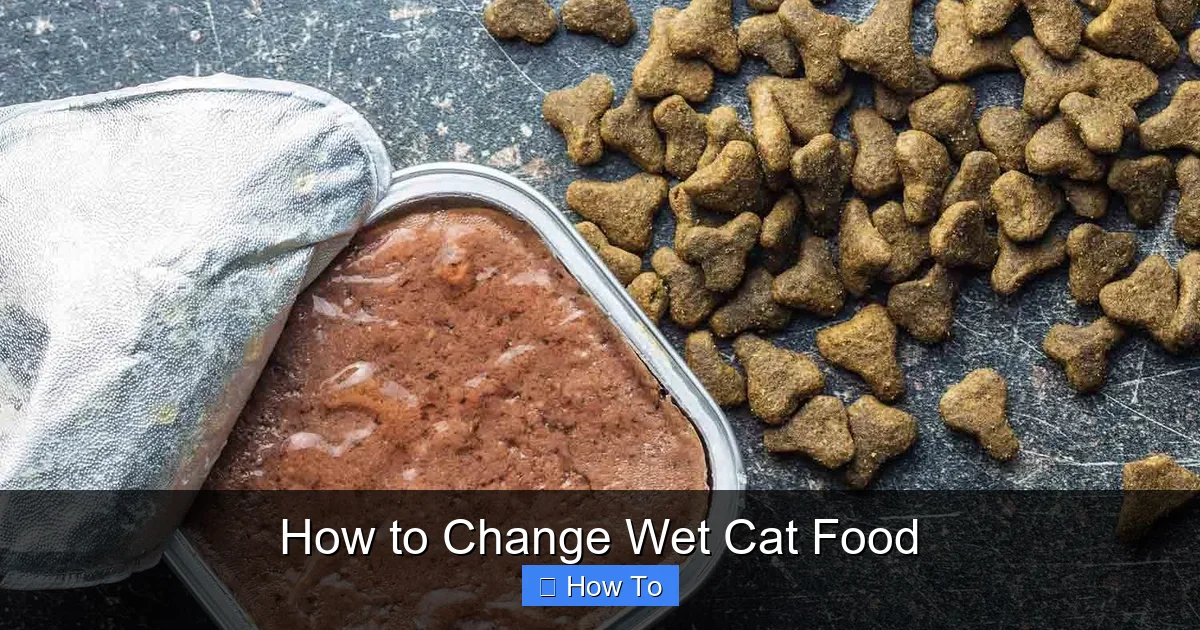
Visual guide about How to Change Wet Cat Food
Image source: bestwaywholesale.co.uk
Before diving into the “how,” let’s talk about the “why.” There are many good reasons to consider changing your cat’s wet food:
- Age-related needs: Kittens, adults, and senior cats have different nutritional requirements. Switching to age-appropriate food ensures they get the right balance of protein, fat, and nutrients.
- Health concerns: Cats with kidney disease, diabetes, or food allergies may benefit from prescription or specialized diets.
- Improved digestion: Some cats struggle with certain ingredients. A new formula with easily digestible proteins or added fiber might help.
- Better palatability: If your cat is becoming picky or losing interest in their current food, a new flavor or texture could reignite their appetite.
- Higher quality ingredients: Upgrading to a brand with real meat, no artificial additives, and transparent sourcing can boost overall health.
Whatever your reason, the key is to make the change thoughtfully and gradually.
Step 1: Choose the Right Wet Cat Food
Not all wet cat foods are created equal. Before you buy, take time to evaluate your options.
Read the Ingredient List
Look for a product where real animal protein (like chicken, turkey, or fish) is listed first. Avoid foods that lead with grains, by-products, or vague terms like “meat meal” or “animal digest.”
Good example:
Chicken, chicken broth, liver, dried egg product, guar gum, potassium chloride…
Red flag:
Corn gluten meal, soybean meal, meat by-products, artificial flavors…
Check the Nutritional Adequacy Statement
This is usually found on the back or side of the can. It should say the food meets the standards set by the Association of American Feed Control Officials (AAFCO) for your cat’s life stage (e.g., “for maintenance” or “for growth”).
Consider Your Cat’s Specific Needs
- Kittens: Need higher protein and fat for growth. Look for “kitten formula.”
- Adult cats: Benefit from balanced nutrition with moderate fat and added taurine for heart health.
- Senior cats: May need lower phosphorus (for kidney support) and joint-supporting ingredients like glucosamine.
- Indoor cats: Often benefit from formulas with added fiber to help with hairballs and weight management.
- Cats with allergies: Try limited-ingredient diets with novel proteins like duck, rabbit, or venison.
Texture and Flavor Preferences
Cats can be picky about texture. Some prefer pâté, others like chunks in gravy or shredded meat. If your cat has strong preferences, try a small sample pack before committing to a full case.
Consult Your Veterinarian
If your cat has a medical condition, always talk to your vet before switching foods. They may recommend a therapeutic diet or advise against certain ingredients.
Step 2: Plan the Transition
Once you’ve chosen a new wet food, it’s time to plan the switch. Rushing this step is the most common mistake cat owners make.
Why a Gradual Transition Matters
Cats have sensitive digestive systems. A sudden change can cause vomiting, diarrhea, or loss of appetite. A slow transition gives their gut time to adapt to new proteins, fats, and fiber levels.
Recommended Transition Timeline
Aim for a 7- to 10-day transition period. Here’s a sample schedule:
- Days 1–2: 75% old food + 25% new food
- Days 3–4: 50% old food + 50% new food
- Days 5–6: 25% old food + 75% new food
- Day 7+: 100% new food
Adjust the pace if your cat shows signs of digestive upset. Some cats may need 14 days or longer.
Mixing Tips
- Mix the foods thoroughly in the same bowl.
- Warm the food slightly (to room temperature or slightly warmer) to enhance aroma—cats are more likely to eat food that smells appealing.
- If your cat refuses the mix, try offering the new food separately at first, then gradually increase the ratio.
Step 3: Serve and Monitor
Now that you’ve started the transition, it’s time to serve the food and watch for reactions.
Feeding Schedule
Cats thrive on routine. Feed at the same times each day—typically twice daily for adult cats. This helps regulate digestion and reduces anxiety.
Portion Control
Follow the feeding guidelines on the can, but adjust based on your cat’s weight, activity level, and body condition. Overfeeding can lead to obesity, while underfeeding may cause nutrient deficiencies.
Tip: Use a kitchen scale for accuracy. A typical 5.5-ounce can feeds one average adult cat per day, split into two meals.
Observe Your Cat’s Behavior
During and after the transition, keep an eye out for:
- Appetite: Is your cat eating eagerly, picking at food, or refusing it entirely?
- Energy levels: Are they playful and alert, or lethargic?
- Coat condition: A shiny, soft coat often indicates good nutrition.
- Litter box habits: Normal stools should be firm and well-formed. Diarrhea or constipation may signal intolerance.
- Vomiting: Occasional hairballs are normal, but frequent vomiting is not.
If you notice persistent issues, pause the transition and consult your vet.
Step 4: Store Wet Cat Food Properly
Proper storage keeps wet food fresh and safe to eat.
Unopened Cans
Store in a cool, dry place away from direct sunlight. Check the expiration date and use before it passes. Most unopened cans last 18–24 months.
Opened Cans
Once opened, wet food should be refrigerated immediately. Here’s how:
- Transfer any unused portion to an airtight container (glass or BPA-free plastic).
- Label the container with the date.
- Use within 3–5 days.
- Do not leave opened cans at room temperature for more than 2 hours.
Reheating Tips
Cold food can be unappetizing to cats. To serve:
- Take the food out of the fridge 15–20 minutes before feeding.
- Or, place the container in a bowl of warm water for a few minutes.
- Never microwave wet cat food—it can create hot spots that burn your cat’s mouth.
Freezing Wet Food (Optional)
Some owners freeze wet food in ice cube trays for portion control or emergency storage. Thaw in the fridge before serving. Note: texture may change slightly after freezing.
Step 5: Troubleshooting Common Issues
Even with the best planning, problems can arise. Here’s how to handle them.
My Cat Won’t Eat the New Food
This is common, especially with picky eaters.
- Try warming it: Heat enhances aroma, making food more appealing.
- Add a topper: Sprinkle a small amount of freeze-dried chicken, tuna juice, or bone broth (cat-safe) over the food.
- Offer it fresh: Cats prefer freshly opened food. Try serving the new food in a clean bowl right after opening.
- Go slower: Extend the transition period. Some cats need 2–3 weeks to adjust.
- Try a different flavor or brand: Your cat may simply not like the taste or texture.
My Cat Has Diarrhea or Vomiting
This could mean the transition was too fast or the new food doesn’t agree with them.
- Slow down: Return to a higher ratio of old food and extend the transition.
- Check for allergies: If symptoms persist, the new food may contain an ingredient your cat can’t tolerate.
- Hydration is key: Ensure your cat drinks water. Offer a water fountain or add a little low-sodium broth to their water.
- See the vet: If vomiting or diarrhea lasts more than 24 hours, or if your cat seems weak or dehydrated, seek medical help.
My Cat Is Gaining or Losing Weight
Weight changes can signal overfeeding, underfeeding, or a mismatch in nutritional needs.
- Adjust portions: Use a body condition score chart (available online or from your vet) to assess if your cat is underweight, ideal, or overweight.
- Switch formulas: Overweight cats may benefit from a weight management formula with fewer calories and more fiber.
- Increase activity: Play with your cat daily to encourage exercise.
My Cat Is Drinking Less Water
Wet food naturally increases hydration, but some cats still don’t drink enough.
- Add water to food: Mix in a teaspoon of water to increase moisture intake.
- Offer multiple water sources: Place bowls in different rooms or use a cat water fountain.
- Try flavored water: Add a drop of tuna juice or bone broth to encourage drinking.
Step 6: Maintain a Healthy Feeding Routine
Once your cat is fully transitioned, consistency is key to long-term health.
Rotate Flavors (Optional)
Offering variety can prevent boredom and reduce the risk of developing food sensitivities. Rotate between 2–3 trusted brands or flavors every few weeks.
Tip: Keep a feeding journal to track which foods your cat enjoys and how they react.
Clean Bowls Daily
Wash food and water bowls with hot, soapy water every day. Bacteria can grow quickly, especially in moist environments.
Monitor for Changes
Even after a successful switch, keep an eye on your cat’s health. Regular vet check-ups (at least once a year) help catch issues early.
Stay Informed
Pet food recalls happen. Sign up for alerts from the FDA or pet food brands to stay updated.
Final Thoughts
Changing your cat’s wet food doesn’t have to be a stressful experience—for you or your feline friend. With patience, planning, and attention to your cat’s unique needs, you can make the switch smoothly and safely. Remember: every cat is different. What works for one may not work for another. Trust your instincts, observe your cat closely, and don’t hesitate to seek professional advice when needed.
By choosing high-quality food, transitioning gradually, and maintaining good feeding habits, you’re giving your cat the best chance at a long, healthy, and happy life. After all, a well-fed cat is a content cat—and that’s what we all want.