

Changing your cat’s food brand doesn’t have to be stressful. This guide walks you through a safe, gradual transition to prevent stomach issues and ensure your cat accepts the new food. With patience and the right approach, your feline friend will thrive on their new diet.
Key Takeaways
- Transition slowly over 7–10 days: Gradually mix the new food with the old to avoid digestive upset and help your cat adjust.
- Monitor your cat’s behavior and digestion: Watch for signs of discomfort, vomiting, diarrhea, or refusal to eat during the switch.
- Choose a high-quality food that meets nutritional needs: Look for AAFCO-compliant labels and ingredients that match your cat’s age, health, and lifestyle.
- Be patient and consistent: Some cats are picky, so don’t give up too soon—stick to the plan and offer positive reinforcement.
- Consult your vet before making major changes: Especially if your cat has health conditions like kidney disease, diabetes, or food allergies.
- Use mealtime routines to encourage acceptance: Feed at the same times daily and avoid free-feeding during the transition.
- Store food properly to maintain freshness: Keep dry food sealed and refrigerate opened wet food to preserve taste and nutrients.
How to Change Your Cat’s Food Brand
Switching your cat to a new food brand can feel like a daunting task—especially if your feline friend is a picky eater. But whether you’re upgrading to a higher-quality diet, addressing health concerns, or simply trying something new, changing your cat’s food doesn’t have to lead to digestive drama or mealtime meltdowns. With the right approach, you can make the transition smooth, safe, and stress-free for both you and your pet.
In this comprehensive guide, you’ll learn exactly how to change your cat’s food brand the right way. We’ll cover why gradual transitions matter, how to choose the best new food, step-by-step mixing instructions, troubleshooting tips for stubborn cats, and expert advice to keep your cat healthy and happy. Whether you’re switching from dry to wet food, grain-free to limited-ingredient, or one brand to another, this guide has you covered.
Let’s dive in and make mealtime a positive experience for your furry companion.
Why You Might Want to Change Your Cat’s Food
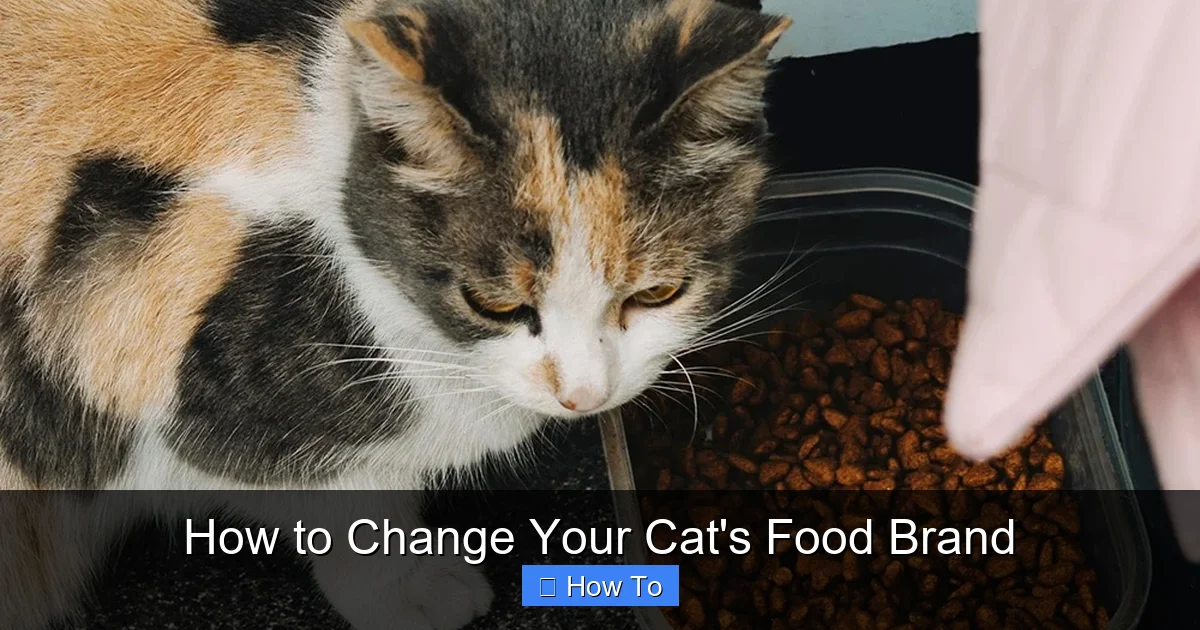
Visual guide about How to Change Your Cat’s Food Brand
Image source: smoochie-pooch.com
There are many good reasons to consider switching your cat’s food brand. Maybe you’ve learned more about feline nutrition and want to provide a higher-quality diet. Perhaps your cat has developed allergies, weight issues, or digestive problems that require a specialized formula. Or maybe you’ve found a brand that’s more affordable, sustainable, or available at your local store.
Some common reasons for changing cat food include:
- Health concerns: Conditions like urinary tract issues, diabetes, kidney disease, or food sensitivities often require dietary changes.
- Age-related needs: Kittens, adult cats, and seniors have different nutritional requirements. Switching to age-appropriate food supports long-term health.
- Improved ingredients: You may want to move to a brand with real meat as the first ingredient, no artificial preservatives, or fewer fillers.
- Palatability: If your cat is losing interest in their current food, a new flavor or texture might reignite their appetite.
- Availability or cost: Sometimes, your go-to brand becomes hard to find or too expensive, prompting a switch.
Whatever your reason, it’s important to make the change thoughtfully. Cats are creatures of habit, and sudden dietary shifts can lead to stomach upset, refusal to eat, or even stress-related illnesses like feline idiopathic cystitis.
How to Choose the Right New Food
Before you begin the transition, take time to select a high-quality food that meets your cat’s specific needs. Not all cat foods are created equal, and choosing the right one is the first step to a successful switch.
Check for AAFCO Compliance
Look for a statement on the packaging that says the food is “complete and balanced” and meets the nutritional standards set by the Association of American Feed Control Officials (AAFCO). This ensures the food provides all the essential nutrients your cat needs.
Consider Your Cat’s Life Stage
Cats have different nutritional needs at different stages of life:
- Kittens (under 1 year): Need higher protein, fat, and calories for growth.
- Adult cats (1–7 years): Require balanced nutrition to maintain weight and energy.
- Senior cats (7+ years): May benefit from lower-calorie, joint-supporting, or kidney-friendly formulas.
Choose a food labeled for your cat’s life stage to support optimal health.
Evaluate Ingredients
Read the ingredient list carefully. High-quality cat food should have:
- Real meat (like chicken, turkey, or fish) as the first ingredient
- Minimal fillers (like corn, soy, or wheat)
- No artificial colors, flavors, or preservatives (like BHA, BHT, or ethoxyquin)
- Added taurine, an essential amino acid for heart and eye health
Avoid foods with vague terms like “meat by-products” or “animal digest” unless you’re confident in the brand’s sourcing.
Decide Between Wet, Dry, or Mixed Feeding
Both wet and dry food have pros and cons:
- Wet food: Higher moisture content supports hydration, which is great for urinary health. Often more palatable and lower in carbohydrates.
- Dry food: Convenient, cost-effective, and can help with dental health (though not a substitute for brushing).
Many cat owners opt for a mix of both—wet food for hydration and dry for convenience. If you’re switching from one type to another (e.g., dry to wet), expect a longer adjustment period.
Consult Your Veterinarian
If your cat has health issues—such as diabetes, kidney disease, or food allergies—talk to your vet before making any changes. They can recommend therapeutic diets or guide you toward the best options.
Step-by-Step Guide to Changing Your Cat’s Food
Now that you’ve chosen a new food, it’s time to make the switch. The key to success is a gradual transition over 7 to 10 days. This allows your cat’s digestive system to adapt and reduces the risk of gastrointestinal upset.
Day 1–2: Start with 25% New Food
Begin by mixing 25% of the new food with 75% of the old food. For example, if you normally feed 1/2 cup per meal, use 1/8 cup new food and 3/8 cup old food.
Serve this mixture at your cat’s regular mealtime. Observe how your cat reacts. Do they eat it eagerly? Sniff and walk away? Take note of any changes in behavior or digestion.
Day 3–4: Increase to 50% New Food
After a couple of days with no issues, increase the ratio to 50% new food and 50% old food. Continue feeding at the same times and in the same location to maintain routine.
Some cats may hesitate at this stage, especially if the new food has a different texture or smell. Be patient. You can try warming the food slightly (especially wet food) to enhance aroma, or sprinkle a small amount of tuna juice or bone broth (unsalted and cat-safe) to entice them.
Day 5–6: Move to 75% New Food
Now increase the new food to 75% and reduce the old food to 25%. Your cat should be eating mostly the new diet by now.
Monitor for signs of digestive upset, such as:
- Vomiting
- Diarrhea or loose stools
- Lethargy
- Loss of appetite
If you notice any of these, slow down the transition. Go back to the previous ratio for a day or two before trying again.
Day 7–10: Fully Transition to 100% New Food
By day 7, your cat should be eating only the new food. If they’re tolerating it well, continue with 100% new food.
If your cat is still hesitant, extend the transition by a few more days. Some cats need up to two weeks to fully adjust, especially if they’re older or particularly finicky.
Tips for a Smooth Transition
Even with a gradual plan, some cats resist change. Here are practical tips to help your cat accept their new food:
Stick to a Routine
Cats thrive on consistency. Feed at the same times each day and in the same location. Avoid free-feeding (leaving food out all day) during the transition, as it can make it harder to track how much your cat is eating.
Use Positive Reinforcement
Praise your cat when they eat the new food. You can also offer a small treat (like a lickable cat treat or a piece of cooked chicken) right after mealtime to create a positive association.
Warm the Food
Cats have a strong sense of smell, and warming food can make it more appealing. For wet food, place the portion in a bowl and warm it in the microwave for 5–10 seconds (stir to avoid hot spots). For dry food, you can add a little warm water to soften it and release aroma.
Try Different Textures or Flavors
If your cat rejects the new food, it might not be the brand—it could be the flavor or texture. Try a different variety from the same brand (e.g., chicken instead of fish, pâté instead of chunks in gravy).
Don’t Give In Too Soon
It’s tempting to switch back when your cat refuses to eat. But cats can go several days without eating, and short-term hunger is safer than long-term digestive issues from sudden changes. Stick to the plan unless your cat shows signs of illness.
Troubleshooting Common Problems
Even with the best planning, issues can arise. Here’s how to handle common challenges:
My Cat Won’t Eat the New Food
This is the most common issue. Try these solutions:
- Mix in a topper like plain cooked chicken, tuna (in water, not oil), or a cat-safe bone broth.
- Gradually increase the new food ratio more slowly—extend the transition to 14 days.
- Offer the food at room temperature or slightly warmed.
- Try a different flavor or texture from the same brand.
If your cat refuses to eat for more than 24–48 hours, contact your vet. Prolonged anorexia can lead to serious liver issues in cats.
My Cat Has Diarrhea or Vomiting
This usually means the transition is too fast. Slow down the process:
- Go back to a lower ratio of new food (e.g., 25%) for a few days.
- Ensure the new food is appropriate for your cat’s age and health.
- Check for signs of food intolerance or allergy (e.g., itching, ear infections).
If symptoms persist beyond 2–3 days, consult your veterinarian.
My Cat Is Gaining or Losing Weight
Monitor your cat’s weight during the transition. If they’re gaining or losing weight unexpectedly, the new food may have a different calorie content. Adjust portion sizes accordingly and consult your vet if needed.
My Cat Prefers the Old Food
Some cats become emotionally attached to their food. In this case:
- Continue the gradual mix, even if it takes longer.
- Avoid feeding the old food separately, as this can encourage picky eating.
- Use the old food as an occasional topper during the transition, then phase it out completely.
How to Store the New Food Properly
Once your cat is on the new food, proper storage is essential to maintain freshness, flavor, and nutritional value.
Dry Food Storage
- Keep the bag sealed tightly after each use.
- Store in a cool, dry place away from sunlight.
- Use an airtight container to prevent pests and moisture.
- Don’t store dry food for more than 6 weeks after opening to avoid rancidity.
Wet Food Storage
- Refrigerate opened cans or pouches immediately.
- Use within 3–5 days.
- Cover with a lid or plastic wrap to prevent drying out.
- Discard any uneaten food left out for more than 2 hours.
Proper storage ensures your cat gets the best taste and nutrition from their new food.
When to Consult Your Veterinarian
While most cats adapt well to food changes, some situations require professional guidance:
- Your cat has a chronic health condition (e.g., kidney disease, diabetes, IBD).
- Your cat refuses to eat for more than 48 hours.
- You notice persistent vomiting, diarrhea, or lethargy.
- Your cat shows signs of allergic reaction (e.g., facial swelling, hives, difficulty breathing).
- You’re unsure which food is best for your cat’s age, weight, or health status.
Your vet can recommend prescription diets, perform allergy testing, or help you create a customized feeding plan.
Final Thoughts
Changing your cat’s food brand is a common but important decision that can impact their health, happiness, and longevity. By choosing a high-quality food, transitioning gradually, and monitoring your cat’s response, you can make the switch safely and successfully.
Remember, every cat is unique. What works for one may not work for another. Be patient, stay consistent, and don’t hesitate to seek advice from your veterinarian if needed.
With time and care, your cat will adjust to their new diet—and you’ll feel confident knowing you’re giving them the best nutrition possible.