
Choosing the right cat food can feel overwhelming, but it doesn’t have to be. This guide walks you through every step—from understanding nutritional needs to reading labels—so you can confidently pick a high-quality diet that keeps your cat healthy and happy.
Key Takeaways
- Prioritize protein: Cats are obligate carnivores, so their food should list a high-quality animal protein (like chicken, turkey, or fish) as the first ingredient.
- Check for AAFCO statements: Look for a label that says the food meets AAFCO nutrient profiles for your cat’s life stage (kitten, adult, senior).
- Avoid fillers and artificial additives: Steer clear of corn, soy, by-products, artificial colors, and preservatives like BHA and BHT.
- Consider your cat’s age and health: Kittens, seniors, and cats with medical conditions (like kidney disease or allergies) need specialized formulas.
- Wet vs. dry food matters: Wet food supports hydration and urinary health, while dry food is convenient and helps with dental health—many cats thrive on a mix of both.
- Read the ingredient list carefully: Ingredients are listed by weight, so the first few items should be real meat, not grains or by-products.
- Transition slowly: When switching foods, mix the old and new over 7–10 days to avoid digestive upset.
How to Choose a Cat Food: A Complete Guide for Pet Parents
Choosing the right cat food might seem simple—just grab a bag off the shelf, right? But with hundreds of brands, formulas, and labels promising everything from “grain-free” to “vet-recommended,” it’s easy to feel overwhelmed. The truth is, not all cat food is created equal. What your feline friend eats directly impacts their energy, coat, digestion, and long-term health.
In this guide, we’ll walk you through everything you need to know to make an informed decision. Whether you’re feeding a playful kitten, a lazy senior, or a cat with special dietary needs, you’ll learn how to read labels, understand ingredients, and choose a food that truly supports your cat’s well-being. By the end, you’ll feel confident picking a high-quality diet that keeps your furry companion healthy, happy, and thriving.
Step 1: Understand Your Cat’s Nutritional Needs
Before you even look at a bag of cat food, it’s important to understand what cats actually need to eat. Unlike dogs, cats are obligate carnivores. That means their bodies are designed to thrive on a diet rich in animal-based protein and fat. They can’t synthesize certain nutrients (like taurine, arachidonic acid, and vitamin A) from plant sources, so they must get them directly from meat.

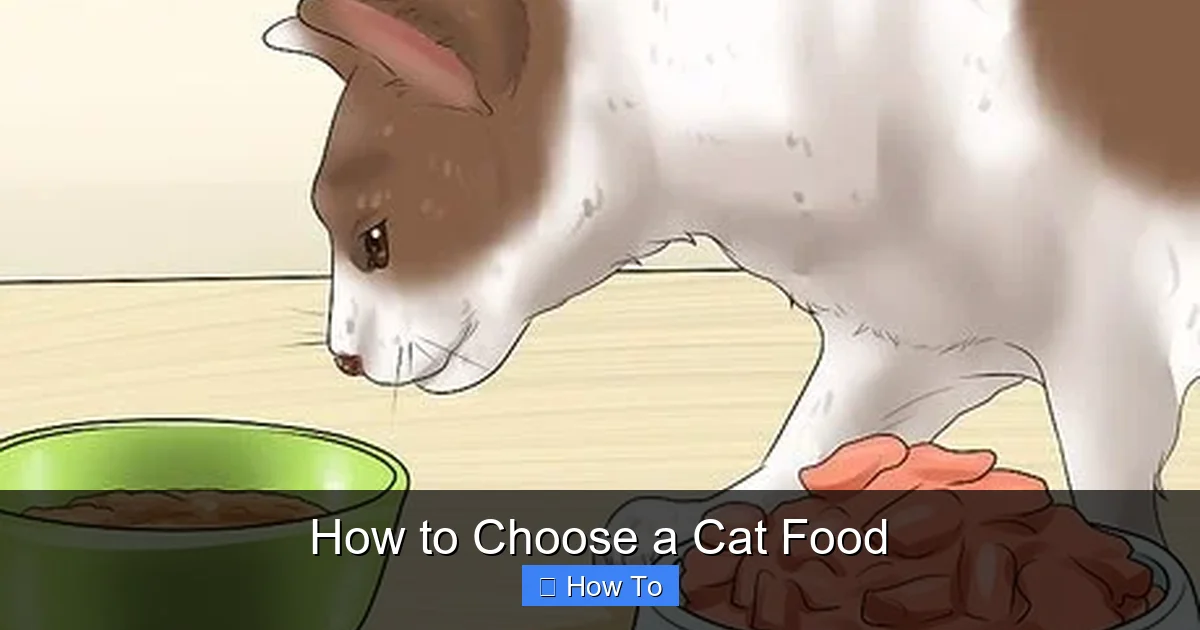
Visual guide about How to Choose a Cat Food
Image source: wikihow.com
Essential Nutrients for Cats
- Protein: Should make up the majority of your cat’s diet. Look for at least 30–40% protein on a dry matter basis for adult cats.
- Fat: Provides energy and supports skin and coat health. Aim for 10–20% fat.
- Taurine: An amino acid critical for heart and eye health. Deficiency can lead to blindness and heart disease.
- Vitamins and minerals: Including vitamin A, vitamin D, calcium, and phosphorus—essential for bone health, vision, and immune function.
- Water: Cats have a low thirst drive, so hydration is key. Wet food helps meet this need.
Kittens, pregnant cats, and nursing mothers need even more protein and calories to support growth and milk production. Senior cats may benefit from lower-calorie, high-fiber diets to support digestion and weight management.
Step 2: Know the Life Stage of Your Cat
Just like humans, cats have different nutritional needs at different stages of life. Feeding a kitten food to an adult cat—or vice versa—can lead to health problems over time.
Kitten Food (0–12 months)
Kittens grow rapidly and need extra calories, protein, and fat. Look for food labeled “kitten” or “growth” that meets AAFCO standards for growth. These formulas are higher in energy and contain more DHA (an omega-3 fatty acid) to support brain and vision development.
Adult Cat Food (1–7 years)
Once your cat reaches adulthood, switch to a maintenance formula. These foods balance protein, fat, and carbohydrates to support overall health without excess calories that can lead to obesity.
Senior Cat Food (7+ years)
Senior cats often become less active and may develop health issues like kidney disease or arthritis. Senior formulas are typically lower in calories, higher in fiber, and may include joint-supporting ingredients like glucosamine. Some also have reduced phosphorus to support kidney function.
Always check the packaging for a statement like: “Formulated to meet the nutritional levels established by the AAFCO Cat Food Nutrient Profiles for [life stage].” This ensures the food is complete and balanced for your cat’s age.
Step 3: Decide Between Wet, Dry, or a Combination
One of the biggest debates among cat owners is wet vs. dry food. The truth? Both have pros and cons—and many cats do best on a mix of both.
Wet Food Benefits
- Hydration: Wet food is about 70–80% water, which helps prevent urinary tract issues and kidney disease—common in cats.
- Lower in carbohydrates: Most wet foods are grain-free or low-carb, which aligns better with a cat’s natural diet.
- More palatable: Many cats prefer the smell and texture of wet food, making it ideal for picky eaters or cats with dental issues.
Dry Food Benefits
- Convenience: Can be left out for free-feeding and doesn’t spoil as quickly.
- Dental health: Some dry kibble is designed to reduce tartar buildup, though it’s not a substitute for brushing.
- Cost-effective: Generally cheaper per serving than wet food.
Best of Both Worlds: Mixing Wet and Dry
Many veterinarians recommend feeding a combination of wet and dry food. For example, offer wet food in the morning and evening for hydration and palatability, and leave dry food out during the day for snacking. This approach supports urinary health while offering flexibility.
Tip: If your cat only eats dry food, consider adding a little warm water or broth (make sure it’s low-sodium and onion-free) to increase moisture intake.
Step 4: Read the Ingredient List Like a Pro
The ingredient list is your window into what’s really in your cat’s food. Ingredients are listed by weight, so the first few items matter most. Here’s how to decode them.
Look for High-Quality Protein First
The first ingredient should be a named animal protein—like “chicken,” “turkey,” or “salmon.” Avoid vague terms like “meat meal” or “poultry by-product meal” unless they’re clearly defined (e.g., “chicken meal”).
Good examples:
- Chicken, chicken meal, chicken liver
- Salmon, menhaden fish meal, chicken fat
Red flags:
- Corn gluten meal, soybean meal, wheat
- By-products (unless specified as “chicken by-products”)
- Artificial colors (like Red 40, Blue 2)
Understand “Meal” vs. “Meat”
Meat meal (like “chicken meal”) is rendered, dried animal tissue and is actually a concentrated source of protein. It’s not inherently bad—many high-quality foods use it. But avoid “meat meal” without a species name, as it could come from any animal.
Avoid Fillers and Artificial Additives
Fillers like corn, soy, and wheat offer little nutritional value and can cause allergies or digestive issues. Artificial preservatives like BHA, BHT, and ethoxyquin are linked to health risks and should be avoided. Instead, look for natural preservatives like mixed tocopherols (vitamin E) or rosemary extract.
Carbohydrates: Keep Them Low
Cats don’t need carbs, but small amounts can be used as binders in dry food. However, if grains or starches appear in the first few ingredients, the food is likely too high in carbs. Look for grain-free options or those with minimal, digestible carbs like sweet potatoes or peas.
Step 5: Check for AAFCO and Nutritional Adequacy Statements
The Association of American Feed Control Officials (AAFCO) sets standards for pet food nutrition. While not a government agency, AAFCO guidelines are widely accepted as the benchmark for complete and balanced diets.
What to Look For
On the back or side of the packaging, you should see a statement like:
- “[Brand] is formulated to meet the nutritional levels established by the AAFCO Cat Food Nutrient Profiles for [life stage].”
- OR “Animal feeding tests substantiate that [Brand] provides complete and balanced nutrition for [life stage].”
The first statement means the food was formulated based on AAFCO guidelines. The second means it was tested in feeding trials, which is even better.
Never buy food that lacks an AAFCO statement. Without it, you can’t be sure the food meets your cat’s nutritional needs.
Step 6: Consider Special Dietary Needs
Some cats have health conditions that require special diets. Always consult your vet before switching to a therapeutic or prescription food.
Food Allergies or Sensitivities
Symptoms include itchy skin, ear infections, vomiting, or diarrhea. If your vet suspects a food allergy, they may recommend a limited-ingredient diet or hydrolyzed protein diet to identify the culprit.
Kidney Disease
Cats with kidney issues often benefit from low-phosphorus, low-protein diets that reduce strain on the kidneys. These are usually prescription-only.
Diabetes
High-protein, low-carb diets can help regulate blood sugar. Wet food is often preferred because it’s naturally lower in carbs.
Obesity
Overweight cats need calorie-controlled, high-fiber diets. Look for “light” or “weight management” formulas, but avoid starving your cat—portion control and exercise are key.
Dental Health
While dry food isn’t a cure for dental disease, some kibble is designed to reduce plaque. For serious dental issues, your vet may recommend dental diets or regular cleanings.
Step 7: Evaluate Brand Reputation and Transparency
Not all pet food companies are created equal. Some prioritize quality and transparency, while others cut corners.
Questions to Ask About the Brand
- Do they manufacture their own food, or is it made by a third party?
- Are their facilities in the U.S. or another country with strict regulations?
- Do they conduct feeding trials or just formulate to AAFCO standards?
- Are they transparent about sourcing and ingredients?
- Have they had recalls in the past? (Check the FDA’s pet food recall database.)
Reputable brands often have veterinary nutritionists on staff and publish detailed nutritional information online. Brands like Hill’s Science Diet, Royal Canin, Wellness, and Blue Buffalo are well-known, but always read labels—even premium brands can have lower-quality lines.
Step 8: Transition to New Food Gradually
Switching your cat’s food too quickly can cause vomiting, diarrhea, or refusal to eat. Cats are creatures of habit, and sudden changes can upset their digestive system.
How to Transition Safely
Over 7–10 days, gradually increase the amount of new food while decreasing the old:
- Days 1–2: 25% new food, 75% old food
- Days 3–4: 50% new food, 50% old food
- Days 5–6: 75% new food, 25% old food
- Day 7+: 100% new food
If your cat shows signs of digestive upset (like loose stools or lethargy), slow down the transition. Some cats may need 2–3 weeks to adjust.
Tip: Add a little warm water or low-sodium broth to the new food to enhance smell and palatability during the switch.
Troubleshooting Common Issues
My Cat Won’t Eat the New Food
Try mixing in a small amount of their favorite treat or topper (like freeze-dried chicken or tuna juice). Warm the food slightly to release aroma. If refusal continues after a week, consult your vet—it could signal an underlying health issue.
My Cat Has Diarrhea After Switching
This is common during transitions. Slow down the switch and ensure the new food isn’t too rich. If symptoms persist beyond a few days, see your vet.
My Cat Is Gaining or Losing Weight
Adjust portion sizes based on your cat’s activity level and body condition. Use a body condition score chart (available from vets) to assess if your cat is underweight, ideal, or overweight.
My Cat Is Drinking Less Water
Increase wet food intake or add water to dry food. Provide multiple water bowls around the house and consider a cat water fountain—many cats prefer running water.
Conclusion: Make the Best Choice for Your Cat
Choosing the right cat food doesn’t have to be complicated. By focusing on high-quality protein, appropriate life-stage nutrition, and transparency from the brand, you can make a decision that supports your cat’s health for years to come.
Remember: there’s no one-size-fits-all answer. What works for your neighbor’s cat might not be right for yours. Pay attention to your cat’s energy, coat, digestion, and overall well-being. If something seems off, don’t hesitate to talk to your vet.
Ultimately, the best cat food is one that your cat enjoys eating and that keeps them healthy, happy, and full of life. With the knowledge from this guide, you’re well-equipped to make that choice with confidence.