
Choosing the right raw cat food can boost your cat’s health, energy, and coat quality—but it’s not as simple as grabbing the first package you see. This guide walks you through everything you need to know, from understanding nutritional needs to safely handling raw ingredients, so you can make the best choice for your furry friend.
Key Takeaways
- Prioritize complete and balanced nutrition: Ensure the raw food meets AAFCO standards for feline dietary needs, including essential amino acids like taurine.
- Choose reputable brands with transparent sourcing: Look for companies that disclose ingredient origins, use human-grade meat, and follow strict safety protocols.
- Consider your cat’s age, health, and preferences: Kittens, seniors, and cats with medical conditions may need specialized formulas.
- Practice safe handling and storage: Raw food can carry bacteria—always wash hands, utensils, and surfaces, and freeze or refrigerate properly.
- Introduce raw food gradually: Sudden diet changes can upset your cat’s stomach; transition over 7–10 days for best results.
- Monitor your cat’s response: Watch for improvements in coat, energy, and digestion—or signs of intolerance like vomiting or diarrhea.
- Consult your vet before switching: Especially if your cat has chronic health issues, professional guidance is essential.
How to Choose a Raw Cat Food: A Complete Guide for Pet Parents
If you’ve been thinking about switching your cat to a raw diet, you’re not alone. More and more pet owners are turning to raw cat food because of its potential benefits—shinier coats, better digestion, increased energy, and even improved dental health. But with so many options on the market, how do you know which raw food is truly right for your cat?
This guide will walk you through every step of the process, from understanding what raw food really is to safely introducing it into your cat’s routine. By the end, you’ll feel confident choosing a high-quality, nutritious raw diet that supports your cat’s long-term health.
What Is Raw Cat Food?

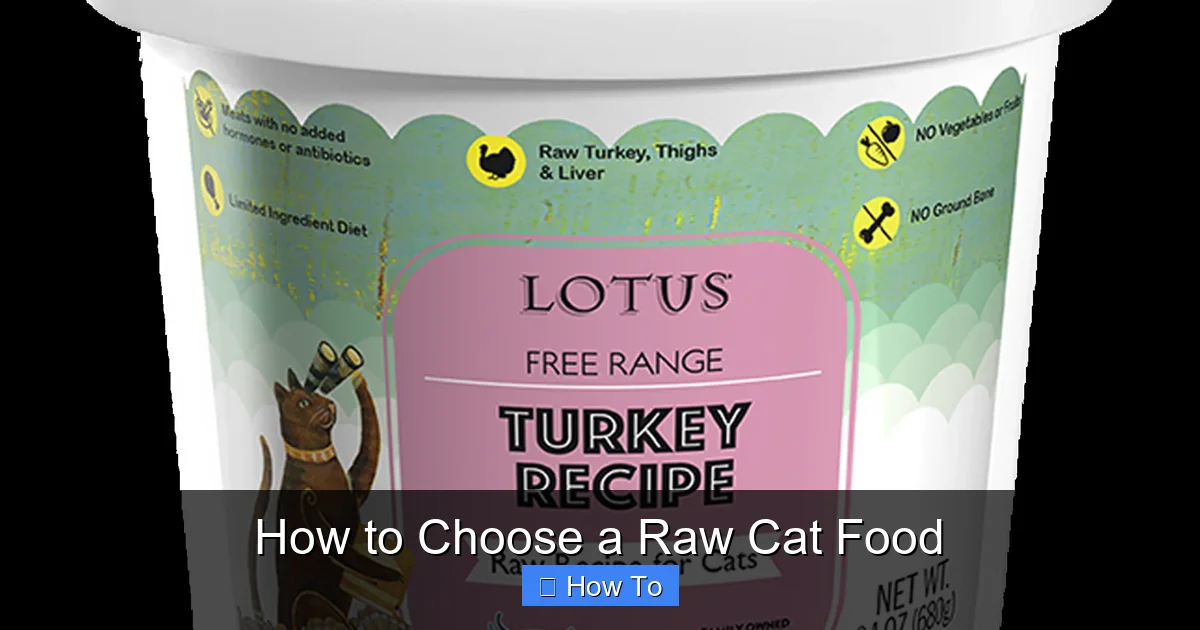
Visual guide about How to Choose a Raw Cat Food
Image source: cdn.shoplightspeed.com
Raw cat food is exactly what it sounds like: uncooked meat, organs, and sometimes bones formulated to mimic what cats would eat in the wild. Unlike kibble or canned food, raw diets skip the high-heat processing that can destroy nutrients. Instead, they focus on providing natural, biologically appropriate ingredients.
There are three main types of raw cat food:
- Commercial raw diets: Pre-packaged, frozen or freeze-dried meals from trusted brands. These are convenient and often nutritionally complete.
- Homemade raw diets: Meals you prepare at home using fresh ingredients. This gives you full control but requires careful planning to avoid nutritional gaps.
- Freeze-dried or dehydrated raw: Lightweight and shelf-stable, these options are rehydrated before feeding. They’re a great middle ground between convenience and nutrition.
Each type has pros and cons, which we’ll explore in detail. But first, let’s talk about why raw food might be a good fit for your cat.
Why Consider a Raw Diet for Your Cat?
Cats are obligate carnivores, which means their bodies are designed to thrive on a meat-based diet. In the wild, they hunt small prey like birds and mice—food that’s high in protein, moderate in fat, and very low in carbohydrates. Commercial dry foods often contain fillers like grains and starches, which don’t align with a cat’s natural biology.
Feeding raw food can offer several benefits:
- Improved digestion: Many cats experience less gas, smaller stools, and fewer digestive issues on a raw diet.
- Healthier skin and coat: The high protein and healthy fats in raw food can reduce shedding and give your cat a glossy, soft coat.
- Better dental health: Chewing on raw meat and bones can help scrape away plaque and tartar.
- Increased energy and vitality: Cats often become more active and playful when their nutritional needs are fully met.
- Weight management: Raw diets are typically lower in carbohydrates, which can help prevent obesity.
That said, raw food isn’t a miracle cure—and it’s not right for every cat. Some may have trouble adjusting, and others may have health conditions that require a different approach. That’s why it’s so important to choose wisely and consult your vet.
Step 1: Assess Your Cat’s Nutritional Needs
Before you buy any raw food, take a close look at your cat’s individual needs. Not all cats are the same, and what works for one might not work for another.
Consider Your Cat’s Life Stage
Cats have different nutritional requirements depending on their age:
- Kittens (under 1 year): Need extra protein, calories, and nutrients like calcium and DHA for growth. Look for raw formulas labeled “for all life stages” or “kitten-specific.”
- Adult cats (1–7 years): Require a balanced diet that maintains muscle mass and energy levels. Most commercial raw foods are designed for adults.
- Senior cats (7+ years): May benefit from lower-phosphorus diets if they have kidney concerns, or added joint support like glucosamine. Some seniors also have trouble chewing raw bones, so boneless or minced options may be better.
Evaluate Health Conditions
If your cat has a medical condition—such as kidney disease, diabetes, or food allergies—raw food may still be an option, but it must be carefully chosen. For example:
- Cats with kidney issues may need a diet lower in phosphorus and protein.
- Diabetic cats often do well on low-carb raw diets, but portion control is key.
- Cats with food sensitivities may benefit from novel proteins like rabbit, duck, or venison.
Always talk to your veterinarian before making dietary changes, especially if your cat is on medication or has a chronic illness.
Think About Activity Level and Weight
An indoor, sedentary cat will need fewer calories than an outdoor hunter or a very active indoor cat. Overfeeding raw food can lead to weight gain, while underfeeding can cause muscle loss. Look for feeding guidelines on the package and adjust based on your cat’s body condition.
Step 2: Understand What Makes Raw Food “Complete and Balanced”
Not all raw food is created equal. Some brands cut corners, while others go the extra mile to ensure nutritional completeness. Here’s what to look for:
AAFCO Compliance
The Association of American Feed Control Officials (AAFCO) sets standards for pet food nutrition. A raw food that meets AAFCO guidelines for “growth,” “maintenance,” or “all life stages” has been formulated to provide all the essential nutrients your cat needs.
Look for a statement like:
“This product is formulated to meet the nutritional levels established by the AAFCO Cat Food Nutrient Profiles.”
This doesn’t mean the food was tested on animals—many brands use computer modeling or lab analysis to verify balance. But it’s a good sign that the manufacturer takes nutrition seriously.
Essential Nutrients in Raw Cat Food
Cats need specific nutrients that they can’t produce on their own. Make sure your raw food includes:
- Taurine: An amino acid critical for heart and eye health. Deficiency can lead to blindness and heart disease.
- Arachidonic acid: A fatty acid found only in animal fats. Essential for skin, coat, and immune function.
- Vitamin A: Cats can’t convert plant-based beta-carotene into active vitamin A, so they need pre-formed vitamin A from liver or supplements.
- Vitamin D: Must come from animal sources like fish or egg yolks.
- Calcium and phosphorus: Important for bones and teeth. The ideal ratio is about 1:1 to 1.2:1 (calcium to phosphorus).
If you’re feeding a homemade raw diet, you’ll need to add supplements like taurine, vitamin E, and omega-3 fatty acids to avoid deficiencies.
Ingredient Quality Matters
Just because a food is raw doesn’t mean it’s high-quality. Check the ingredient list:
- Meat should be the first ingredient: Look for named sources like “chicken,” “turkey,” or “rabbit”—not vague terms like “meat meal” or “animal by-products.”
- Human-grade ingredients: These are held to higher safety and quality standards than feed-grade ingredients.
- No fillers or artificial additives: Avoid corn, soy, wheat, artificial colors, and preservatives.
- Organ meats included: Liver, kidney, and heart are rich in vitamins and minerals. A good raw diet includes about 10% organ meat.
- Bone content (if applicable): Some raw diets include ground bone for calcium. Make sure it’s finely ground to prevent choking or digestive blockages.
Step 3: Choose the Right Type of Raw Food
Now that you know what to look for, let’s compare the different forms of raw cat food.
Frozen Raw Food
This is the most common type. It’s typically sold in chubs (long tubes), patties, or nuggets and must be kept frozen until use.
Pros:
- Convenient and pre-portioned.
- Often nutritionally complete.
- Wide variety of proteins and formulas.
Cons:
- Requires freezer space.
- Can be expensive.
- Thawing and handling require care to avoid contamination.
Best for: Busy pet parents who want a balanced, ready-to-feed option.
Freeze-Dried Raw Food
This food is dehydrated using a process that preserves nutrients and flavor. It’s lightweight, shelf-stable, and easy to store.
Pros:
- No refrigeration needed until opened.
- Long shelf life.
- Great for travel or multi-cat households.
Cons:
- More expensive per serving than frozen.
- Must be rehydrated with water before feeding.
- Some cats prefer the texture of fresh or frozen food.
Best for: Travelers, those with limited freezer space, or cats who enjoy crunchy textures.
Dehydrated Raw Food
Similar to freeze-dried, but uses lower heat to remove moisture. It retains more natural enzymes and bacteria-fighting properties.
Pros:
- Shelf-stable and easy to store.
- Retains more natural nutrients than kibble.
- Often less processed than freeze-dried.
Cons:
- Still needs rehydration.
- Fewer brands available.
- Can be pricey.
Best for: Pet owners who want a raw-like diet without the freezer hassle.
Homemade Raw Food
Making your own raw meals gives you total control over ingredients and sourcing.
Pros:
- Customizable for allergies or preferences.
- Can be more cost-effective in bulk.
- You know exactly what’s in every bite.
Cons:
- Time-consuming to prepare and balance.
- Risk of nutritional deficiencies if not properly formulated.
- Requires safe handling and storage.
Best for: Experienced pet owners who are willing to invest time and research.
If you choose homemade, use a vet-approved recipe or consult a veterinary nutritionist to ensure balance.
Step 4: Research Brands and Read Reviews
With so many raw food brands on the market, it’s easy to feel overwhelmed. Here’s how to narrow it down:
Look for Transparency
Reputable brands will openly share:
- Where ingredients are sourced (e.g., “humanely raised chicken from the USA”).
- Manufacturing practices (e.g., “high-pressure pasteurization to kill pathogens”).
- Third-party testing results.
- Recall history (check the FDA’s pet food recall database).
Avoid brands that are vague about sourcing or use terms like “natural” without explanation.
Check for Safety Practices
Raw food can carry bacteria like Salmonella and Listeria. Safe handling starts at the factory.
Look for brands that use:
- High-pressure processing (HPP): A non-thermal method that kills harmful bacteria without cooking the food.
- Flash-freezing: Preserves freshness and reduces bacterial growth.
- Regular pathogen testing: Ensures each batch is safe before shipping.
While no method is 100% foolproof, these steps significantly reduce risk.
Read Customer and Vet Reviews
Check sites like Chewy, Amazon, and pet forums for real user experiences. Look for patterns—do multiple cats have digestive issues? Do owners report improved coats or energy?
Also, ask your vet if they recommend any brands. Some vets carry or endorse specific raw diets.
Step 5: Start the Transition Gradually
Switching to raw food too quickly can upset your cat’s stomach. Follow this 7–10 day transition plan:
Days 1–3: Mix 25% raw with 75% current food
Start by adding a small amount of raw food to your cat’s regular meals. This helps their digestive system adjust.
Days 4–6: Mix 50% raw with 50% current food
Increase the raw portion while decreasing the old food. Watch for any signs of digestive upset.
Days 7–10: Mix 75% raw with 25% current food
By now, your cat should be tolerating the new diet well. If they’re doing fine, switch to 100% raw.
Monitor for Reactions
Some cats may experience:
- Soft stools or diarrhea (usually temporary).
- Vomiting (may indicate intolerance or too-fast transition).
- Increased thirst (normal with higher protein intake).
- Changes in appetite (some cats eat more, others less).
If symptoms persist beyond a few days, slow the transition or consult your vet.
Step 6: Practice Safe Handling and Storage
Raw food poses a higher risk of bacterial contamination than cooked food. Protect your cat—and your household—with these safety tips:
Wash Hands and Surfaces
Always wash your hands with soap and water before and after handling raw food. Clean bowls, utensils, and countertops with hot, soapy water or a pet-safe disinfectant.
Store Properly
- Keep frozen raw food in the freezer until ready to use.
- Thaw in the refrigerator, not on the counter.
- Use thawed food within 1–2 days.
- Never refreeze thawed raw food.
Serve Safely
- Use clean bowls and avoid cross-contamination with human food.
- Don’t leave raw food out for more than 1–2 hours (especially in warm weather).
- Dispose of uneaten food promptly.
Consider Your Household
If you have young children, elderly adults, or immunocompromised individuals, take extra precautions. Some experts recommend using gloves when handling raw food or feeding in a separate area.
Troubleshooting Common Issues
Even with the best planning, problems can arise. Here’s how to handle them:
My Cat Won’t Eat the Raw Food
Some cats are picky or wary of new textures. Try:
- Warming the food slightly (to room temperature or slightly warmer) to enhance smell.
- Mixing in a small amount of tuna juice or bone broth (make sure it’s low-sodium and onion-free).
- Offering different proteins (chicken, turkey, rabbit) to find a favorite.
- Hand-feeding or using a puzzle feeder to make it fun.
My Cat Has Diarrhea or Vomiting
This is often due to a too-fast transition or sensitivity to a new ingredient. Solutions:
- Slow down the transition process.
- Try a different protein source.
- Add a probiotic designed for cats.
- Consult your vet if symptoms last more than 48 hours.
My Cat Is Gaining or Losing Weight
Adjust portion sizes based on your cat’s body condition. Use a body condition score chart (available from vets) to assess if your cat is underweight, ideal, or overweight.
I’m Worried About Bones
Ground bone is safe for most cats and provides essential calcium. Avoid large, weight-bearing bones (like beef femur) that can crack teeth. If your cat has dental issues, choose boneless formulas.
Conclusion: Making the Right Choice for Your Cat
Choosing a raw cat food is a big decision—but with the right knowledge, it can be a rewarding one. By focusing on complete nutrition, high-quality ingredients, and safe practices, you can give your cat a diet that supports their natural biology and long-term health.
Remember, every cat is unique. What works for one may not work for another. Stay observant, be patient, and don’t hesitate to seek professional advice.
Whether you go with a trusted commercial brand, a convenient freeze-dried option, or a carefully crafted homemade recipe, the key is consistency and care. Your cat will thank you with purrs, playfulness, and a healthy, happy life.