

Choosing the best cat foods means understanding your cat’s unique nutritional needs, reading labels carefully, and avoiding common pitfalls. This guide walks you through everything from ingredient quality to life stage requirements, helping you make informed decisions that support your cat’s long-term health and vitality.
Key Takeaways
- Prioritize high-quality protein: Cats are obligate carnivores, so the first ingredient should be a named animal protein like chicken, turkey, or salmon—not by-products or fillers.
- Read labels like a pro: Learn to decode pet food labels, including guaranteed analysis, ingredient lists, and AAFCO statements, to assess nutritional value accurately.
- Match food to life stage: Kittens, adults, and senior cats have different nutritional needs—choose formulas designed for your cat’s age and activity level.
- Avoid harmful additives: Steer clear of artificial colors, flavors, preservatives like BHA/BHT, and excessive carbohydrates or grains.
- Consider wet vs. dry food: Wet food supports hydration and urinary health, while dry food offers convenience—many experts recommend a balanced mix.
- Watch for allergies and sensitivities: If your cat has digestive issues or skin problems, consider limited-ingredient or hypoallergenic diets.
- Consult your vet: Always discuss dietary changes with your veterinarian, especially if your cat has health conditions like diabetes, kidney disease, or obesity.
How to Choose Best Cat Foods: A Complete Guide for Pet Parents
Welcome, cat lover! If you’ve ever stood in the pet food aisle feeling overwhelmed by the hundreds of options, you’re not alone. With so many brands, flavors, and formulas claiming to be “the best,” it’s hard to know what’s truly good for your furry friend. The truth is, choosing the best cat foods isn’t about picking the most expensive bag or the one with the cutest packaging—it’s about understanding your cat’s unique nutritional needs and making informed decisions based on science, not marketing.
In this comprehensive guide, we’ll walk you through every step of the process, from decoding ingredient lists to understanding life stage requirements, wet vs. dry food, and even how to spot red flags in pet food labels. By the end, you’ll feel confident selecting a diet that supports your cat’s health, energy, and longevity. Whether you’re a new cat parent or a seasoned pro looking to upgrade your pet’s meals, this guide has something for everyone.
Step 1: Understand Your Cat’s Nutritional Needs
Before you even pick up a bag of food, it’s essential to understand what cats need to thrive. Unlike dogs, cats are obligate carnivores, which means their bodies are designed to get essential nutrients from animal-based proteins. They can’t synthesize certain amino acids, like taurine and arachidonic acid, on their own—so these must come from their diet.
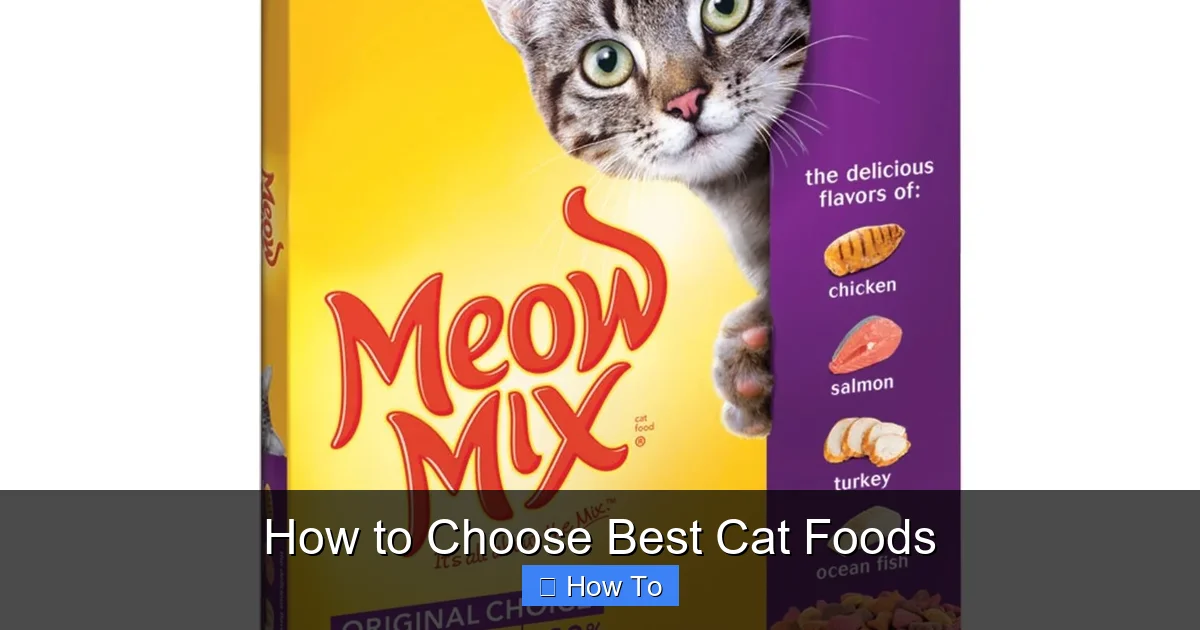
Visual guide about How to Choose Best Cat Foods
Image source: topvaluereviews.net
Essential Nutrients for Cats
- Protein: Should be the foundation of any cat diet. Look for high-quality animal protein as the first ingredient.
- Taurine: An amino acid critical for heart health, vision, and reproduction. Deficiency can lead to blindness or heart disease.
- Fat: Provides energy and supports skin and coat health. Sources like chicken fat or fish oil are ideal.
- Vitamins and Minerals: Including vitamin A, vitamin D, calcium, and phosphorus—essential for bone health, immune function, and more.
- Water: Cats have a low thirst drive, so hydration is crucial. Wet food can help meet this need.
Understanding these basics helps you evaluate whether a food meets your cat’s biological requirements. Remember: just because a food is labeled “complete and balanced” doesn’t automatically mean it’s high quality. We’ll dive deeper into labels in Step 3.
Step 2: Know Your Cat’s Life Stage and Lifestyle
Not all cats have the same dietary needs. A kitten growing rapidly needs more calories, protein, and fat than a senior cat with a slower metabolism. Similarly, an indoor cat may require fewer calories than an outdoor adventurer. Choosing a food tailored to your cat’s life stage is one of the most important steps in selecting the best cat foods.
Kitten Food (0–12 months)
Kittens are in a phase of rapid growth and development. They need about twice the energy of an adult cat. Look for formulas labeled “kitten” or “growth” that are high in protein (at least 30%) and fat (around 20%). These foods often include DHA for brain and eye development.
Adult Cat Food (1–7 years)
Adult cats need a balanced diet that maintains their weight and supports overall health. Choose foods with moderate protein (26–30%) and fat (9–15%). Avoid overfeeding, as obesity is a common issue in indoor cats.
Senior Cat Food (7+ years)
As cats age, their metabolism slows, and they may develop health issues like kidney disease or arthritis. Senior formulas often have lower phosphorus (to support kidney function), added joint support (like glucosamine), and higher fiber for digestion. Some also include antioxidants for immune health.
Special Considerations
- Pregnant or nursing cats: Need extra calories and nutrients—look for “reproduction” formulas.
- Indoor cats: Often benefit from lower-calorie diets with added fiber to prevent hairballs and obesity.
- Active or outdoor cats: May need higher-calorie food to match their energy expenditure.
Matching your cat’s food to their life stage ensures they get the right nutrients at the right time. Don’t assume “all life stages” foods are ideal—they’re often a compromise that may not meet specific needs.
Step 3: Read and Understand Pet Food Labels
Pet food labels can be confusing, but they’re your best tool for evaluating quality. Learning to read them like a pro will help you avoid misleading claims and choose truly nutritious options.
Ingredient List: What to Look For
Ingredients are listed by weight, so the first few items are the most important. Here’s what to prioritize:
- Named animal protein first: “Chicken,” “turkey,” or “salmon” should be at the top—not “meat meal” or “poultry by-product.”
- Avoid fillers: Corn, wheat, soy, and rice are often used as cheap fillers and provide little nutritional value.
- Watch for by-products: While not inherently bad, “meat by-products” can include parts like lungs or spleens. Look for “named by-products” like “chicken by-product meal” if included.
- Grains aren’t evil—but moderation matters: Some cats tolerate grains well, but excessive carbs can lead to weight gain. Look for whole grains like oats or barley if included.
Guaranteed Analysis: Decoding the Numbers
This section shows the minimum percentages of protein and fat, and maximum percentages of fiber and moisture. Use it to compare foods:
- Protein: Aim for at least 26% for adults, 30%+ for kittens.
- Fat: 9–15% for adults, higher for kittens.
- Fiber: 3–5% is typical; too much can indicate low-quality ingredients.
- Moisture: Dry food should be under 12%; wet food is typically 70–80%.
AAFCO Statement: The Gold Standard
Look for a statement like: “Formulated to meet the nutritional levels established by the AAFCO Cat Food Nutrient Profiles.” This means the food has been tested or formulated to meet minimum standards. Avoid foods that only say “for intermittent feeding” or lack an AAFCO statement.
Red Flags to Avoid
- Artificial additives: Colors (like Red 40), flavors, or preservatives (BHA, BHT, ethoxyquin).
- Vague ingredients: “Meat meal,” “animal fat,” or “digest” without specifying the source.
- Excessive carbohydrates: Ingredients like corn gluten meal, potato starch, or tapioca listed high up.
Reading labels takes practice, but it’s worth it. A little effort now can prevent health issues down the road.
Step 4: Choose Between Wet, Dry, or a Combination
One of the biggest debates among cat owners is wet vs. dry food. The truth? Both have pros and cons, and the best cat foods often include a mix of both.
Benefits of Wet Food
- Hydration: Cats naturally drink less water, and wet food (70–80% moisture) helps prevent urinary tract issues and kidney disease.
- Lower in carbs: Most wet foods are grain-free or low-carb, which aligns better with a cat’s carnivorous diet.
- Higher protein: Often contains more animal protein and fewer fillers.
- Appetite appeal: Many cats prefer the texture and smell of wet food, especially picky eaters.
Drawbacks of Wet Food
- Cost: More expensive per serving than dry food.
- Spoilage: Must be refrigerated after opening and consumed within a few days.
- Dental health: Doesn’t help clean teeth like dry kibble (though dental treats or brushing are better solutions).
Benefits of Dry Food
- Convenience: Can be left out for free-feeding and doesn’t spoil quickly.
- Cost-effective: More affordable per meal.
- Dental benefits: Some kibbles are designed to reduce tartar (though not a substitute for brushing).
Drawbacks of Dry Food
- Low moisture: Can contribute to dehydration and urinary issues if not balanced with water intake.
- Higher in carbs: Many dry foods use grains or starches as binders.
- Preservatives: Often contain artificial preservatives to extend shelf life.
The Best of Both Worlds: A Balanced Approach
Many veterinarians recommend a combination of wet and dry food. For example:
- Feed wet food in the morning and evening for hydration and protein.
- Leave dry food available during the day for grazing (if your cat isn’t overweight).
- Use puzzle feeders with dry food to slow eating and stimulate mental activity.
This approach gives your cat the benefits of both types while minimizing drawbacks. It’s especially helpful for cats prone to urinary issues or obesity.
Step 5: Consider Special Dietary Needs and Health Conditions
Not all cats thrive on standard diets. If your cat has allergies, sensitivities, or medical conditions, you may need to choose a specialized formula.
Food Allergies and Sensitivities
Common signs include itchy skin, ear infections, vomiting, or diarrhea. Food allergies are often triggered by proteins like chicken, beef, or dairy. If you suspect an allergy:
- Try a limited-ingredient diet with a novel protein (like duck, rabbit, or venison) and a single carbohydrate source.
- Look for hydrolyzed protein formulas, where proteins are broken down so the immune system doesn’t recognize them.
- Work with your vet to conduct an elimination diet—this is the gold standard for diagnosing food allergies.
Obesity and Weight Management
Over 50% of cats in the U.S. are overweight or obese. If your cat needs to lose weight:
- Choose a weight control formula with higher protein and lower fat.
- Increase fiber to promote fullness (look for beet pulp or psyllium).
- Measure portions carefully and avoid free-feeding.
- Encourage exercise with toys, climbing structures, or interactive feeders.
Kidney Disease
Common in older cats, kidney disease requires a low-phosphorus, low-sodium diet. Prescription renal diets are often recommended, but some over-the-counter options are available. Always consult your vet before switching.
Diabetes
Diabetic cats benefit from high-protein, low-carb diets. Wet food is often preferred because it’s naturally lower in carbohydrates. Monitor blood sugar and work closely with your veterinarian.
Dental Health
While dry food doesn’t “clean” teeth as well as once believed, some dental diets are formulated with larger kibbles or special textures to reduce plaque. Regular brushing and dental chews are more effective.
Special diets can be life-changing for cats with health issues. Never make drastic changes without veterinary guidance.
Step 6: Evaluate Brand Reputation and Transparency
Not all pet food brands are created equal. Some prioritize quality and transparency, while others cut corners. Here’s how to choose a trustworthy brand.
Look for Transparency
- Clear sourcing: Brands should disclose where ingredients come from (e.g., “chicken from U.S. farms”).
- Manufacturing info: Do they make their own food, or use third-party facilities?
- Recall history: Check the FDA’s pet food recall database. Frequent recalls may indicate quality control issues.
Research the Company
- Do they employ veterinary nutritionists?
- Are they members of the Pet Food Institute or AAFCO?
- Do they publish feeding trials or nutritional research?
Read Reviews and Ask Around
Online reviews can be helpful, but take them with a grain of salt. Look for patterns—multiple reports of digestive issues or recalls are red flags. Ask your vet, local cat rescue, or fellow cat owners for recommendations.
Some well-regarded brands include Royal Canin, Hill’s Science Diet, Wellness, Blue Buffalo, and Orijen—but always evaluate based on your cat’s needs, not just brand name.
Step 7: Transition Foods Gradually
Even the best cat foods won’t do your cat any good if they refuse to eat it. Cats can be notoriously picky, and sudden diet changes can cause digestive upset. Always transition gradually.
How to Switch Cat Food Safely
- Day 1–2: Mix 25% new food with 75% old food.
- Day 3–4: Use 50% new and 50% old.
- Day 5–6: Increase to 75% new and 25% old.
- Day 7+: Feed 100% new food.
Monitor your cat for signs of digestive issues like vomiting, diarrhea, or loss of appetite. If problems persist, slow the transition or consult your vet. Some cats may need even longer—up to two weeks—to adjust.
Tips for Picky Eaters
- Warm wet food slightly to enhance aroma.
- Try different textures (pâté, chunks in gravy, shreds).
- Add a topper like freeze-dried chicken or bone broth.
- Feed at consistent times to establish a routine.
Patience is key. Don’t give up after one try—some cats need multiple exposures to accept new food.
Troubleshooting Common Issues
Even with the best intentions, you might run into problems. Here’s how to handle common challenges.
My Cat Won’t Eat the New Food
This is normal! Try mixing in a small amount of the old food or a tasty topper. Avoid switching back and forth too often, as it can confuse your cat. If refusal lasts more than 24–48 hours, contact your vet—it could signal an underlying health issue.
My Cat Has Diarrhea After Switching
This often happens during transitions. Slow down the switch and ensure the new food is highly digestible. Probiotics designed for cats may help. If symptoms persist beyond a few days, see your vet.
My Cat Is Gaining Weight
Reassess portion sizes and activity level. Even “light” formulas can lead to weight gain if overfed. Use a measuring cup—don’t guess. Consider switching to a weight management formula if needed.
My Cat Is Drinking Less Water
Increase wet food intake and place multiple water bowls around the house. Try a cat water fountain—many cats prefer running water. Monitor for signs of dehydration (lethargy, dry gums).
Conclusion: Making the Best Choice for Your Cat
Choosing the best cat foods doesn’t have to be stressful. By understanding your cat’s nutritional needs, reading labels carefully, and considering their life stage and health, you can make confident, informed decisions. Remember, there’s no one-size-fits-all solution—what works for one cat may not work for another.
Start with high-quality protein, avoid harmful additives, and prioritize hydration. Whether you choose wet, dry, or a mix, the key is consistency and observation. Watch how your cat responds—do they have shiny fur, good energy, and healthy digestion? Those are signs you’re on the right track.
And when in doubt, consult your veterinarian. They’re your best partner in keeping your cat healthy and happy for years to come. With the knowledge from this guide, you’re now equipped to navigate the pet food aisle like a pro and give your feline friend the nutrition they deserve.