
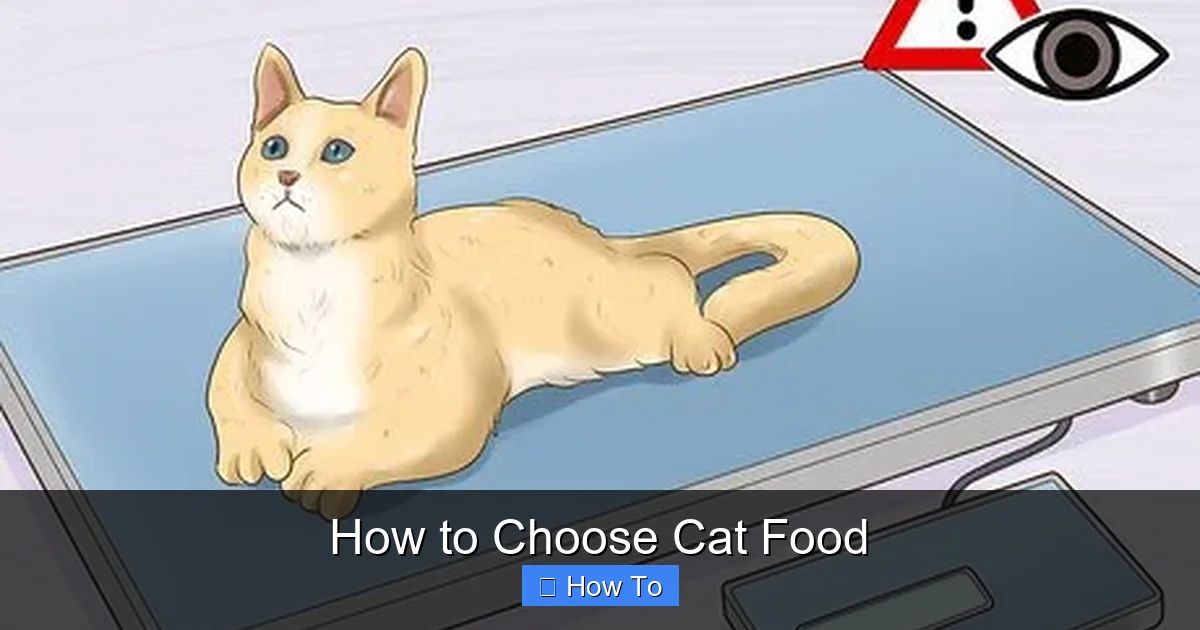
Choosing the right cat food can feel overwhelming, but it doesn’t have to be. This guide breaks down everything you need to know—from reading labels to understanding your cat’s nutritional needs—so you can make confident, informed decisions. Your cat deserves the best, and it starts with the right food.
Key Takeaways
- Prioritize high-quality protein: Cats are obligate carnivores and need animal-based protein as the main ingredient for optimal health.
- Read the ingredient list carefully: Look for real meat first, avoid fillers like corn and soy, and steer clear of artificial additives.
- Match food to life stage: Kittens, adults, and senior cats have different nutritional needs—choose formulas designed for their age.
- Consider your cat’s health conditions: Special diets may be needed for issues like kidney disease, diabetes, or food allergies.
- Wet vs. dry food has pros and cons: Wet food supports hydration, while dry food is convenient—many cats benefit from a mix of both.
- Transition slowly when changing food: Sudden switches can upset your cat’s stomach—gradual changes over 7–10 days are best.
- Consult your vet for personalized advice: Your veterinarian can help you choose the best diet based on your cat’s unique health profile.
How to Choose Cat Food: A Complete Guide for Pet Parents
Walking down the pet food aisle can feel like stepping into a maze. Rows of colorful bags and cans promise everything from “grain-free” to “vet-recommended,” but how do you know what’s actually good for your cat? The truth is, not all cat food is created equal—and choosing the right one can make a big difference in your cat’s energy, coat, digestion, and overall well-being.
In this guide, we’ll walk you through everything you need to know to choose cat food with confidence. Whether you’re a first-time cat owner or looking to upgrade your current brand, you’ll learn how to read labels, understand nutritional needs, and pick a diet that supports your cat’s health at every life stage. By the end, you’ll be equipped with practical tips and expert insights to make the best choice for your furry friend.
Step 1: Understand Your Cat’s Nutritional Needs
Cats are unique among pets because they’re obligate carnivores. That means their bodies are built to thrive on a diet rich in animal protein. Unlike dogs or humans, cats can’t synthesize certain nutrients on their own—they must get them from food. So, the foundation of any good cat food is high-quality animal protein.
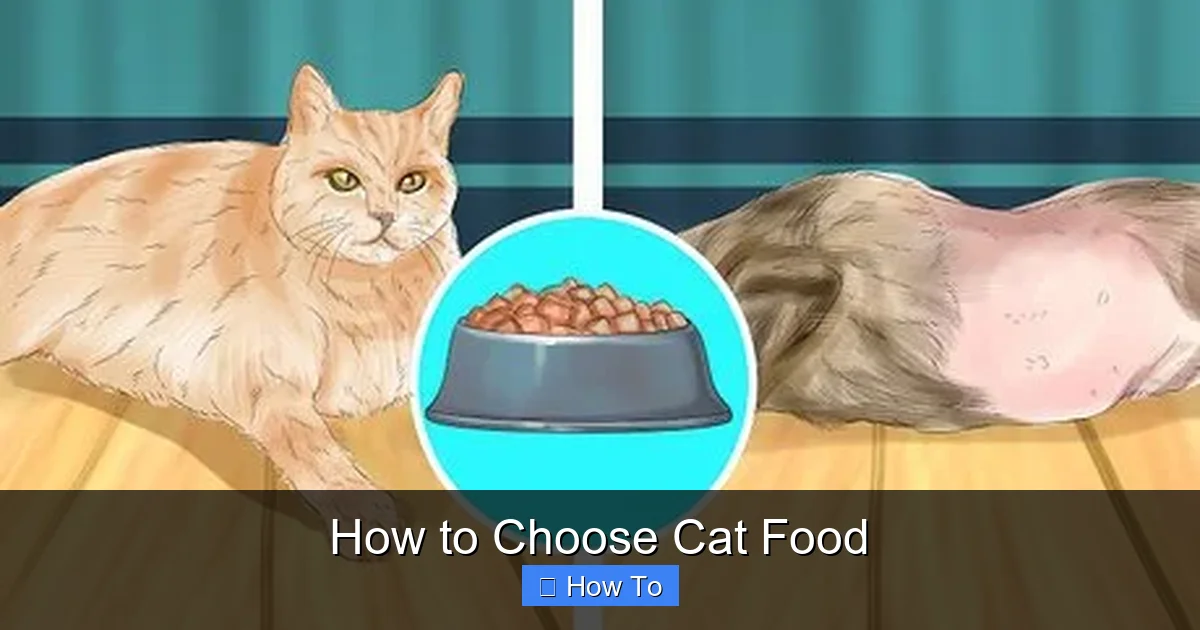
Visual guide about How to Choose Cat Food
Image source: wikihow.com
Why Protein Matters Most
Protein should be the first ingredient in any cat food you consider. Look for named sources like “chicken,” “turkey,” or “salmon”—not vague terms like “meat meal” or “animal by-products.” Cats need amino acids like taurine, arginine, and methionine, which are found in animal tissues. Without enough taurine, for example, cats can develop heart problems or go blind.
Fats and Carbohydrates: The Supporting Cast
While protein is king, fats are also essential. They provide energy and help absorb fat-soluble vitamins. Look for healthy fats like chicken fat or fish oil, which also support a shiny coat and healthy skin. Carbohydrates, on the other hand, should be minimal. Cats don’t need carbs to survive, and too many can lead to weight gain or digestive issues. Avoid foods where grains or starches are listed early in the ingredients.
Vitamins, Minerals, and Water
A balanced cat food should include essential vitamins (like A, D, and E) and minerals (such as calcium and phosphorus). These support everything from bone health to immune function. And don’t forget water—cats often don’t drink enough on their own, so moisture-rich food (like wet food) can help prevent urinary tract issues.
Step 2: Read the Ingredient List Like a Pro
The ingredient list on a cat food label tells you exactly what’s inside—but only if you know how to read it. Ingredients are listed by weight, so the first few items make up the bulk of the food. Here’s what to look for (and what to avoid).
What to Look For
- Named animal protein first: “Deboned chicken” or “salmon” is better than “poultry by-product meal.”
- Whole, recognizable ingredients: Think “sweet potatoes,” “peas,” or “blueberries”—not chemical-sounding additives.
- Healthy fats: Look for “chicken fat” or “flaxseed oil” instead of generic “animal fat.”
- Natural preservatives: Vitamins E (mixed tocopherols) or vitamin C (ascorbic acid) are safer than BHA or BHT.
What to Avoid
- Fillers: Corn, wheat, soy, and rice can be hard for cats to digest and offer little nutritional value.
- Artificial additives: Colors, flavors, and preservatives like propylene glycol (common in some “gravy” foods) can be harmful over time.
- By-products and meals (unless specified): “Chicken by-product meal” is okay if it’s from a trusted brand, but vague terms like “meat meal” are red flags.
- Excessive carbohydrates: If grains or starches appear in the top five ingredients, the food may be too carb-heavy.
Example: Comparing Two Labels
Let’s say you’re choosing between two dry foods. Brand A lists “chicken, chicken meal, brown rice, corn gluten meal, and artificial flavors.” Brand B lists “deboned turkey, turkey meal, peas, chicken fat, and dried kelp.” Brand B wins—it has a named protein first, fewer fillers, and no artificial additives.
Step 3: Choose the Right Type of Food
Cat food comes in three main forms: dry, wet, and semi-moist. Each has pros and cons, and the best choice depends on your cat’s needs, your lifestyle, and your budget.
Dry Food: Convenient but Watch the Water
Dry food is popular because it’s affordable, easy to store, and can be left out for free-feeding. It’s also good for dental health—some kibble is designed to reduce tartar. However, dry food is low in moisture, which can be a problem for cats prone to urinary issues. Also, some dry foods are high in carbohydrates, so read labels carefully.
Wet Food: Hydration and Palatability
Wet food typically contains 70–80% water, making it excellent for hydration. It’s also more aromatic and flavorful, which can tempt picky eaters. Many vets recommend wet food for cats with kidney disease or urinary tract problems. The downside? It’s more expensive, spoils quickly once opened, and doesn’t help with dental health like dry food does.
Semi-Moist Food: A Middle Ground (But Use Caution)
Semi-moist food is soft, chewy, and often shaped like fun shapes. While convenient, it’s usually high in sugar and artificial ingredients to preserve texture and flavor. It’s best used as an occasional treat, not a staple diet.
Mixing Wet and Dry: The Best of Both Worlds
Many cat owners find success with a combination approach—feeding wet food at meals and leaving dry food out for snacking. This gives your cat hydration, variety, and dental benefits. Just be sure to monitor total calorie intake to avoid overfeeding.
Step 4: Match Food to Your Cat’s Life Stage
Just like humans, cats have different nutritional needs at different ages. Feeding a kitten food to a senior cat (or vice versa) can lead to health problems down the line.
Kittens (0–12 months)
Kittens are growing fast and need more calories, protein, and fat than adult cats. Look for food labeled “kitten” or “growth” that meets AAFCO (Association of American Feed Control Officials) standards for growth. These formulas support brain development, strong bones, and a healthy immune system.
Adult Cats (1–7 years)
Adult cats need a balanced diet to maintain weight and energy. Choose food labeled “adult” or “maintenance” that’s appropriate for their activity level. Indoor cats, for example, may need lower-calorie food to prevent obesity.
Senior Cats (7+ years)
As cats age, their metabolism slows, and they may develop health issues like arthritis or kidney disease. Senior formulas often have fewer calories, more fiber, and added joint support (like glucosamine). Some also include antioxidants to support cognitive health.
Pregnant or Nursing Cats
Mother cats need extra nutrition to support kittens. Feed them kitten food or a high-calorie “reproduction” formula during pregnancy and nursing. These foods are richer in energy and nutrients to meet increased demands.
Step 5: Consider Health Conditions and Special Diets
Some cats have medical conditions that require a specialized diet. If your cat has been diagnosed with a health issue, your vet may recommend therapeutic food—often available only through a prescription.
Kidney Disease
Cats with kidney disease benefit from food low in phosphorus and protein (but still high-quality). These diets reduce the workload on the kidneys and slow disease progression. Wet food is often recommended to increase fluid intake.
Diabetes
Diabetic cats do best on high-protein, low-carbohydrate diets. These help regulate blood sugar and reduce insulin needs. Wet food is usually preferred because it’s naturally lower in carbs.
Food Allergies or Sensitivities
If your cat has itchy skin, ear infections, or digestive issues, they may have a food allergy. Common allergens include beef, dairy, and chicken. Your vet may suggest a hypoallergenic diet with novel proteins (like duck or rabbit) or hydrolyzed protein, which is broken down so the immune system doesn’t react.
Obesity
Overweight cats need fewer calories and more fiber to feel full. Look for “light” or “weight management” formulas, but avoid crash diets. Gradual weight loss is safer and more sustainable.
Dental Health
While no food can replace brushing, some dry foods are designed to reduce plaque and tartar. Look for products with the VOHC (Veterinary Oral Health Council) seal of approval.
Step 6: Evaluate Brand Reputation and Quality
Not all pet food brands are created equal. Some invest heavily in research, testing, and high-quality ingredients, while others cut corners. Here’s how to spot a trustworthy brand.
Look for Transparency
Reputable brands are open about where their ingredients come from and how their food is made. They should list a physical address, phone number, and website. Avoid brands that are vague about sourcing or manufacturing.
Check for AAFCO Statements
Every cat food should have an AAFCO statement on the label. This tells you whether the food is complete and balanced for a specific life stage. Look for phrases like “formulated to meet the nutritional levels established by the AAFCO Cat Food Nutrient Profiles.”
Research Recalls and Reviews
Check the FDA’s pet food recall database to see if a brand has had safety issues. Also, read reviews from other cat owners—especially those with similar breeds or health concerns. Online forums and vet recommendations can also guide your choice.
Consider Price vs. Value
Premium food costs more, but it often uses better ingredients and fewer fillers. That said, expensive doesn’t always mean better. Focus on ingredient quality, not price tags. Some mid-range brands offer excellent nutrition at a fair price.
Step 7: Transition to New Food Gradually
Even the best food won’t help if your cat won’t eat it—or if it upsets their stomach. Cats are creatures of habit, and sudden diet changes can cause vomiting, diarrhea, or refusal to eat.
How to Switch Foods Safely
Follow a 7–10 day transition plan:
- Days 1–2: Mix 25% new food with 75% old food.
- Days 3–4: Use 50% new and 50% old.
- Days 5–6: Try 75% new and 25% old.
- Day 7+: Serve 100% new food.
Monitor your cat’s appetite, energy, and litter box habits during the switch. If they show signs of digestive upset, slow down the process or consult your vet.
What If Your Cat Refuses the New Food?
Some cats are picky. Try warming wet food slightly (to body temperature) to enhance aroma, or mix in a small amount of tuna juice or bone broth (make sure it’s cat-safe and low-sodium). You can also try different textures—some cats prefer pâté, others like chunks in gravy.
Troubleshooting Common Issues
Even with the best intentions, you might run into problems. Here’s how to handle common cat food challenges.
My Cat Won’t Eat the New Food
Start with a gradual transition. If that doesn’t work, try a different protein or brand. Sometimes, it’s not the food—it could be stress, illness, or a change in routine. Rule out medical issues with a vet visit.
My Cat Is Gaining Weight
Review portion sizes and activity levels. Are you free-feeding dry food? Try scheduled meals instead. Switch to a weight-management formula if needed, and encourage play with toys or laser pointers.
My Cat Has Digestive Issues
Diarrhea or vomiting after a food change may mean the new diet doesn’t agree with them. Go back to the old food and try a different brand with simpler ingredients. Probiotics (available as supplements or in some foods) can also help.
My Cat Is Drinking Less Water
Increase moisture by adding wet food, using a cat water fountain, or placing multiple water bowls around the house. Some cats prefer running water, so a fountain can be a game-changer.
Conclusion: Making the Best Choice for Your Cat
Choosing cat food doesn’t have to be stressful. By focusing on high-quality protein, reading labels carefully, and matching food to your cat’s age and health, you can make a decision that supports their long-term well-being. Remember, every cat is different—what works for one may not work for another. Stay observant, stay informed, and don’t hesitate to ask your vet for guidance.
The right food is one of the most powerful tools you have to keep your cat healthy, happy, and thriving. With the tips in this guide, you’re now equipped to navigate the pet food aisle with confidence. Your cat will thank you—with purrs, head bumps, and many more years of companionship.