

Choosing healthy canned cat food can feel overwhelming, but it doesn’t have to be. This guide walks you through every step—from reading labels to spotting quality ingredients—so you can confidently pick the best food for your cat’s health and happiness.
Key Takeaways
- Prioritize animal-based protein: Cats are obligate carnivores, so the first ingredient should be a named meat like chicken, turkey, or salmon—not by-products or fillers.
- Read the ingredient list carefully: Avoid foods with artificial preservatives, colors, or excessive carbohydrates like corn, wheat, and soy.
- Check the guaranteed analysis: Look for high protein (at least 30–40%), moderate fat, and low carbohydrates to match your cat’s natural dietary needs.
- Choose grain-free when possible: While not all cats need grain-free diets, avoiding unnecessary grains can reduce the risk of allergies and digestive issues.
- Consider your cat’s life stage and health: Kittens, seniors, and cats with medical conditions may need specialized formulas—consult your vet if unsure.
- Look for AAFCO statements: This ensures the food meets nutritional standards for your cat’s life stage (growth, maintenance, or all life stages).
- Rotate flavors and brands occasionally: This prevents picky eating and ensures a broader range of nutrients over time.
How to Choose Healthy Canned Cat Food
As a cat parent, you want the very best for your furry friend—especially when it comes to their diet. With so many options on the shelf, choosing healthy canned cat food can feel like navigating a maze. But don’t worry. This step-by-step guide will help you make smart, informed decisions that support your cat’s long-term health, energy, and happiness.
In this guide, you’ll learn how to decode ingredient labels, understand nutritional needs, avoid common pitfalls, and pick the right food for your cat’s unique lifestyle. Whether you’re a first-time cat owner or a seasoned pro looking to upgrade your pet’s meals, these tips will give you confidence at the pet store or online checkout.
Step 1: Understand Your Cat’s Nutritional Needs
Before you even pick up a can, it’s important to know what your cat actually needs to thrive. Cats are obligate carnivores, which means their bodies are built to digest and absorb nutrients from animal-based proteins—not plants. Unlike dogs or humans, cats can’t synthesize certain essential nutrients on their own, so they must get them from food.
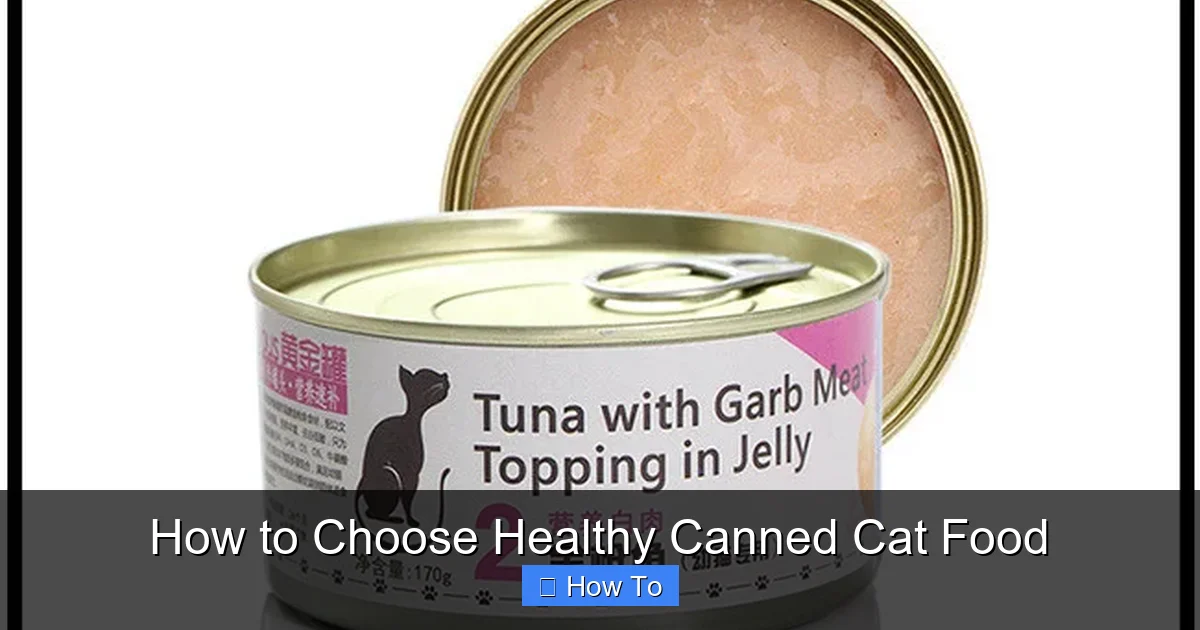
Visual guide about How to Choose Healthy Canned Cat Food
Image source: img2.tradewheel.com
Key Nutrients Cats Need
- Taurine: An amino acid critical for heart health, vision, and immune function. A deficiency can lead to blindness or heart disease.
- Arachidonic acid: A fatty acid found only in animal fats. It supports skin, coat, and joint health.
- Vitamin A: Cats can’t convert plant-based beta-carotene into active vitamin A, so they need pre-formed vitamin A from meat.
- High-quality protein: Cats need more protein than many other animals—ideally 30–40% of their diet.
- Low carbohydrates: Cats have no nutritional need for carbs. Too many can lead to obesity and diabetes.
Understanding these needs will help you evaluate whether a canned food truly meets your cat’s biological requirements.
Step 2: Read the Ingredient List Like a Pro
The ingredient list on a can of cat food is your first clue to its quality. Ingredients are listed by weight, so the first few items make up the bulk of the food. Here’s how to read it like an expert.
Look for Named Meat as the First Ingredient
The best canned cat foods list a specific, high-quality animal protein first—like “chicken,” “turkey,” or “salmon.” Avoid vague terms like “meat meal” or “animal by-products,” which can include parts you wouldn’t want your cat eating.
For example:
- Good: “Chicken, chicken broth, chicken liver”
- Less ideal: “Meat by-products, corn gluten meal, soybean meal”
Avoid Fillers and Artificial Additives
Fillers like corn, wheat, soy, and rice are often used to bulk up food cheaply. While small amounts aren’t harmful, they shouldn’t dominate the ingredient list. Cats don’t need grains, and some are prone to allergies.
Also, steer clear of artificial preservatives like BHA, BHT, and ethoxyquin. Natural preservatives like mixed tocopherols (a form of vitamin E) are much safer.
Watch Out for “Meal” and “By-Product” Confusion
Not all meals are bad. “Chicken meal” is actually concentrated, cooked chicken with moisture removed—so it’s a rich source of protein. But “meat meal” or “poultry by-product meal” can be less predictable in quality.
When in doubt, choose brands that specify the source: “chicken meal” is better than “meat meal.”
Step 3: Check the Guaranteed Analysis
The guaranteed analysis on the can tells you the minimum percentages of protein and fat, and the maximum of moisture and fiber. This helps you compare foods across brands.
What to Look For
- Protein: At least 30–40% on a dry matter basis. Higher is better for active or growing cats.
- Fat: 15–20% is ideal. Fat provides energy and supports skin and coat health.
- Carbohydrates: Should be low—ideally under 10%. You can estimate carbs by subtracting protein, fat, moisture, and ash from 100%.
- Moisture: Canned food should have 70–80% moisture, which helps with hydration—especially important for cats who don’t drink much water.
How to Calculate Dry Matter Basis
Because canned food has high moisture, comparing protein percentages directly can be misleading. To compare fairly, convert to dry matter basis:
Example: A can lists 10% protein and 78% moisture.
- Subtract moisture: 100% – 78% = 22% dry matter
- Divide protein by dry matter: 10% ÷ 22% = 45.5% protein on dry matter basis
This means the food is actually quite high in protein—great for your cat!
Step 4: Look for AAFCO Statements
The Association of American Feed Control Officials (AAFCO) sets nutritional standards for pet food. A can should include an AAFCO statement that tells you whether the food is complete and balanced for your cat’s life stage.
Types of AAFCO Statements
- “Formulated to meet the nutritional levels established by the AAFCO Cat Food Nutrient Profiles”: The food was tested in a lab to meet standards.
- “Animal feeding tests substantiate that this product provides complete and balanced nutrition”: The food was tested through actual feeding trials—considered the gold standard.
Make sure the statement matches your cat’s needs:
- Growth: For kittens
- Maintenance: For adult cats
- All life stages: Suitable for kittens, adults, and seniors
Avoid foods that only say “for intermittent or supplemental feeding”—these aren’t meant to be a complete diet.
Step 5: Consider Your Cat’s Life Stage and Health
Not all cats have the same dietary needs. A kitten, an indoor senior, and a cat with kidney disease all require different nutrition.
Kittens
Kittens need more calories, protein, and fat to support rapid growth. Look for formulas labeled “kitten” or “growth” with higher protein (35–45%) and fat (20–25%).
Adult Cats
Adult cats (1–7 years) benefit from balanced nutrition that maintains muscle mass and energy. Choose “maintenance” formulas with moderate fat and high protein.
Senior Cats
Older cats (7+) may need lower phosphorus (for kidney health), joint-supporting ingredients like glucosamine, and easier-to-digest proteins. Some seniors also benefit from higher fiber for digestion.
Cats with Health Issues
If your cat has diabetes, kidney disease, urinary issues, or food allergies, talk to your vet. Prescription or therapeutic diets may be necessary. For example:
- Urinary health: Look for low magnesium and controlled pH
- Kidney support: Lower protein and phosphorus
- Weight management: Higher protein, lower fat, added L-carnitine
Even “healthy” cats can benefit from specialized formulas—don’t assume one-size-fits-all.
Step 6: Choose the Right Texture and Flavor
Cats can be picky eaters, so texture and flavor matter just as much as nutrition.
Common Textures
- Pâté: Smooth and dense—great for cats who prefer a uniform texture
- Chunks in gravy: Tender pieces with sauce—appealing to many cats
- Shredded or flaked: Similar to tuna—ideal for cats who like to chew
- Minced: Fine, bite-sized pieces—good for kittens or senior cats with dental issues
Flavor Variety
Most cats enjoy variety. Rotating between chicken, turkey, fish, and duck can prevent boredom and reduce the risk of developing food sensitivities. Just avoid fish-heavy diets long-term—too much can lead to thiamine deficiency or mercury exposure.
Introduce new flavors gradually. Mix a small amount with their current food over 5–7 days to avoid digestive upset.
Step 7: Evaluate Brand Transparency and Quality
Not all brands are created equal. Some are more transparent about sourcing, manufacturing, and testing than others.
Ask These Questions
- Where is the food made? (Look for U.S., Canada, or EU-made products for stricter regulations)
- Does the company conduct feeding trials?
- Are ingredients sourced from reputable suppliers?
- Is the brand willing to answer your questions?
Reputable brands often have detailed FAQs, ingredient sourcing info, and customer service lines. Avoid brands that are vague or defensive about their practices.
Look for Third-Party Certifications
While not required, certifications can add peace of mind:
- USDA Organic: Ingredients are grown without synthetic pesticides or GMOs
- Non-GMO Project Verified: No genetically modified ingredients
- Human-grade: Ingredients are safe for human consumption (though this doesn’t guarantee nutritional balance)
These labels aren’t essential, but they can indicate higher standards.
Step 8: Watch Your Cat’s Response
The best food on paper isn’t always the best for your cat. Pay attention to how they react after switching.
Signs of a Good Match
- Healthy coat and skin
- Regular, firm stools
- Good energy levels
- Healthy weight
- No vomiting or diarrhea
Signs to Reconsider
- Digestive upset (vomiting, diarrhea, gas)
- Itchy skin or excessive grooming
- Lethargy or weight loss/gain
- Refusal to eat
If you notice negative changes, try a different formula. Food intolerances and allergies are more common than you think.
Troubleshooting Common Issues
My Cat Won’t Eat the New Food
Transition slowly over 7–10 days. Start with 25% new food and 75% old, then gradually increase. Warm the food slightly (to body temperature) to enhance aroma. Some cats prefer room-temperature food over cold straight from the fridge.
The Food Is Too Expensive
High-quality food doesn’t have to break the bank. Look for sales, subscribe-and-save options, or buy in bulk. Sometimes, a little goes a long way—especially if your cat eats small portions.
I’m Confused by Marketing Claims
Terms like “natural,” “premium,” and “gourmet” aren’t regulated. Focus on the ingredient list and guaranteed analysis instead of flashy labels.
My Cat Has Allergies
Common allergens include beef, dairy, fish, and chicken. Try a novel protein like duck, rabbit, or venison. Limited-ingredient diets can help identify triggers.
Conclusion
Choosing healthy canned cat food doesn’t have to be stressful. By focusing on high-quality animal protein, avoiding fillers and artificial additives, and matching the food to your cat’s life stage and health, you can make confident, informed choices.
Remember: the best food is one that your cat enjoys, digests well, and thrives on. Take your time, read labels carefully, and don’t be afraid to try different brands and flavors. Your cat’s health, happiness, and longevity are worth the effort.
When in doubt, consult your veterinarian. They can help you navigate special dietary needs and recommend trusted brands. With the right knowledge and a little patience, you’ll find the perfect canned food to keep your feline friend healthy and satisfied for years to come.