

Choosing the best dry cat food doesn’t have to be overwhelming. This guide walks you through everything you need to know—from reading labels to understanding your cat’s unique dietary needs—so you can make a confident, informed decision.
Key Takeaways
- Prioritize high-quality protein: Cats are obligate carnivores, so the first ingredient should be a named animal protein like chicken, turkey, or fish.
- Check for AAFCO compliance: Look for a statement confirming the food meets nutritional standards for your cat’s life stage (kitten, adult, senior).
- Avoid fillers and artificial additives: Steer clear of corn, soy, by-products, and artificial colors, flavors, or preservatives like BHA and BHT.
- Consider your cat’s age, weight, and health: Kittens, seniors, and overweight cats have different nutritional needs—choose a formula tailored to them.
- Read the ingredient list carefully: Ingredients are listed by weight, so the first few items matter most. Look for whole foods over processed meals.
- Transition slowly when switching foods: Sudden changes can upset your cat’s stomach. Mix old and new food over 7–10 days.
- Consult your vet for special needs: Cats with allergies, kidney issues, or diabetes may require prescription or therapeutic diets.
How to Choose the Best Dry Cat Food
As a cat parent, you want nothing but the best for your furry friend—especially when it comes to their diet. With so many dry cat food options lining the shelves, it’s easy to feel overwhelmed. How do you know which brand is truly healthy? What ingredients should you look for—or avoid? And how can you be sure you’re meeting your cat’s unique nutritional needs?
The good news? Choosing the best dry cat food doesn’t have to be confusing. By understanding what cats need to thrive, learning how to read labels, and knowing what questions to ask, you can confidently pick a food that supports your cat’s health, energy, and longevity. In this guide, we’ll walk you through every step—from decoding ingredient lists to matching food to your cat’s life stage—so you can make the smartest choice for your feline companion.
Step 1: Understand Your Cat’s Nutritional Needs
Cats are not small dogs. They have very specific dietary requirements that differ significantly from other pets. As obligate carnivores, cats must get essential nutrients from animal-based sources. Unlike humans or dogs, they can’t synthesize certain amino acids, vitamins, and fatty acids on their own. That means their food must provide everything they need to stay healthy.
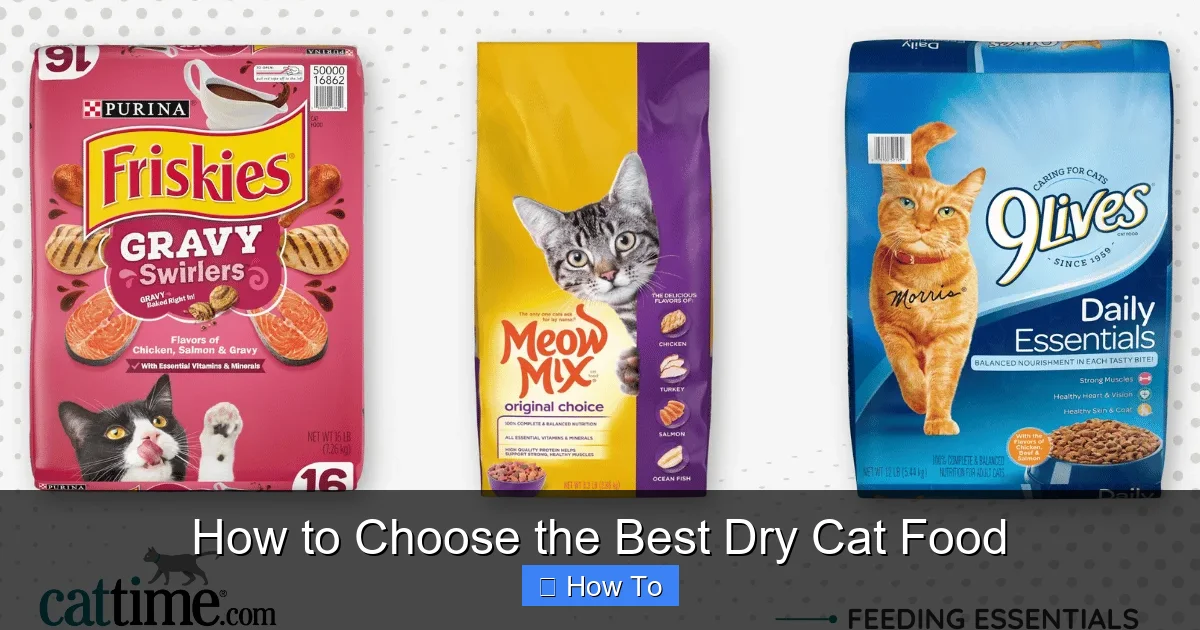
Visual guide about How to Choose the Best Dry Cat Food
Image source: cattime.com
Key Nutrients Cats Need
- Taurine: An amino acid critical for heart health, vision, and immune function. A deficiency can lead to blindness or heart disease.
- Arachidonic acid: A fatty acid found only in animal fats. Cats can’t make it from plant sources, so it must come from meat.
- Vitamin A: Cats can’t convert beta-carotene (from plants) into usable vitamin A. They need preformed vitamin A from liver or other animal tissues.
- Protein: High-quality animal protein is essential for muscle maintenance, energy, and overall health. Adult cats need at least 26% protein, while kittens need 30% or more.
- Water: While dry food isn’t a primary source of hydration, it’s still important to ensure your cat drinks enough water. Consider pairing dry food with wet food or a water fountain.
Understanding these basics helps you evaluate whether a dry cat food truly meets your cat’s biological needs. Always look for foods that emphasize animal protein and include these essential nutrients.
Step 2: Read the Ingredient List Like a Pro
The ingredient list on a cat food label is your window into what your cat is actually eating. Ingredients are listed in descending order by weight, so the first few items are the most important. Here’s how to decode them like an expert.
Look for a Named Animal Protein First
The first ingredient should be a high-quality, named source of animal protein—such as “chicken,” “turkey,” “salmon,” or “lamb.” Avoid vague terms like “meat meal” or “poultry by-product meal” unless they’re clearly defined (e.g., “chicken meal”).
For example:
- Good: Chicken, chicken meal, turkey, salmon
- Avoid: Meat meal, animal by-products, unspecified “fish meal”
Whole meats (like “chicken”) contain a lot of water, so they may weigh more than dry ingredients—even if the final product has less actual protein. That’s why “chicken meal” (rendered, dried chicken) can still be a high-quality ingredient. It’s concentrated protein with the moisture removed.
Watch Out for Fillers and Carbohydrates
Cats don’t need carbohydrates in their diet. While small amounts of digestible carbs (like sweet potatoes or peas) can be okay, avoid foods where grains or starches dominate the ingredient list.
Common fillers to watch for:
- Corn, corn gluten meal, soy, wheat
- Rice (especially if it’s one of the first few ingredients)
- Potato, tapioca, or other starchy fillers
These ingredients are often used to bulk up the food cheaply and may contribute to obesity or digestive issues in some cats.
Avoid Artificial Additives
Artificial colors, flavors, and preservatives offer no nutritional value and may pose health risks over time. Look for natural preservatives like mixed tocopherols (vitamin E) or rosemary extract instead of synthetic ones.
Avoid:
- BHA (butylated hydroxyanisole)
- BHT (butylated hydroxytoluene)
- Ethoxyquin
- Artificial colors (e.g., Red 40, Blue 2)
These chemicals have been linked to cancer and other health problems in animals. Opt for brands that use natural preservation methods.
Step 3: Check for AAFCO Nutritional Adequacy Statement
The Association of American Feed Control Officials (AAFCO) sets nutritional standards for pet food. While AAFCO doesn’t “approve” foods, their guidelines help ensure that a product provides complete and balanced nutrition.
Look for a statement on the package that says something like:
“[Brand Name] is formulated to meet the nutritional levels established by the AAFCO Cat Food Nutrient Profiles for [life stage].”
Or:
“Animal feeding tests substantiate that [Brand Name] provides complete and balanced nutrition for [life stage].”
Why This Matters
This statement tells you whether the food is suitable for your cat’s life stage:
- Growth: For kittens and pregnant/nursing cats
- Maintenance: For adult cats (1–7 years)
- All Life Stages: Suitable for kittens, adults, and seniors
Never feed a “growth” formula to an adult cat long-term—it’s too high in calories and certain nutrients. Similarly, kittens need more protein and fat than adult maintenance foods provide.
Step 4: Match the Food to Your Cat’s Life Stage and Health
Just like humans, cats have different nutritional needs at different stages of life. Choosing the right formula ensures they get the right balance of nutrients for their age, size, and activity level.
Kittens (Under 1 Year)
Kittens are growing rapidly and need more calories, protein, fat, and certain vitamins and minerals. Look for food labeled “kitten” or “growth” with:
- At least 30% protein
- Higher fat content (around 15–20%)
- Added DHA for brain and vision development
Examples: Royal Canin Kitten, Hill’s Science Diet Kitten, Blue Buffalo Wilderness Kitten.
Adult Cats (1–7 Years)
Adult cats need balanced nutrition to maintain muscle mass, energy, and a healthy weight. Choose a food labeled “adult” or “maintenance” with:
- 26–30% protein
- Moderate fat (10–15%)
- Controlled calories to prevent obesity
Examples: Wellness CORE Grain-Free, Purina Pro Plan Focus, Iams ProActive Health.
Senior Cats (7+ Years)
Older cats often become less active and may develop health issues like kidney disease or arthritis. Senior formulas typically have:
- Moderate protein (but not too low—muscle loss is a concern)
- Added joint support (glucosamine, chondroitin)
- Lower phosphorus (to support kidney health)
- Higher fiber for digestive health
Examples: Hill’s Science Diet Senior, Nutro Senior, Royal Canin Aging 12+.
Special Health Conditions
Some cats have medical needs that require specialized diets. Always consult your vet before switching to a therapeutic food.
- Kidney disease: Low phosphorus, reduced protein (but high-quality), added omega-3s
- Diabetes: High protein, low carbohydrate
- Food allergies: Limited ingredient diets with novel proteins (e.g., duck, rabbit)
- Obesity: Weight management formulas with higher fiber and lower fat
Prescription diets (like Hill’s k/d or Royal Canin Renal) are often necessary for serious conditions and should only be used under veterinary supervision.
Step 5: Evaluate Brand Transparency and Quality
Not all pet food brands are created equal. Some are transparent about sourcing, manufacturing, and testing, while others are vague or misleading. Here’s how to spot a trustworthy brand.
Look for Clear Sourcing Information
Reputable brands will tell you where their ingredients come from. For example:
- “Made with real chicken from trusted farms in the USA”
- “Sourced from sustainable fisheries”
Avoid brands that use vague terms like “meat by-products” without specifying the animal source.
Check for Third-Party Testing
Some brands voluntarily submit their food to independent labs for nutritional analysis. Look for certifications like:
- Global Animal Partnership (GAP)
- Organic certification (USDA Organic)
- Non-GMO Project Verified
These don’t guarantee quality on their own, but they show a commitment to transparency.
Research the Manufacturer
Find out who actually makes the food. Many store brands are manufactured by the same companies that make premium brands. For example, Purina owns both Purina One and some private-label brands.
Check the company’s website for information about:
- Ingredient sourcing
- Manufacturing facilities
- Recall history
- Customer support
Brands with a history of recalls or poor customer service may not be the best choice.
Step 6: Consider Price vs. Value
You don’t have to buy the most expensive food to get quality—but you also shouldn’t choose based on price alone. Cheap foods often use low-quality ingredients that can lead to health problems down the road.
What to Look For in a Mid-Range to Premium Food
- Named animal protein as the first ingredient
- No artificial preservatives, colors, or flavors
- AAFCO-compliant for your cat’s life stage
- Transparent sourcing and manufacturing
Price range examples:
- Budget ($15–$25 for 10 lbs): Iams, Purina ONE, Friskies
- Mid-range ($25–$40 for 10 lbs): Wellness, Blue Buffalo, Nutro
- Premium ($40+ for 10 lbs): Orijen, Acana, Stella & Chewy’s
While premium brands often use higher-quality ingredients, some mid-range brands offer excellent value. Focus on ingredient quality, not just the price tag.
Step 7: Transition to New Food Gradually
Even the best food won’t help if your cat refuses to eat it—or gets sick from a sudden switch. Cats have sensitive digestive systems, so always transition slowly.
How to Switch Foods Safely
- Days 1–2: Mix 25% new food with 75% old food
- Days 3–4: Mix 50% new food with 50% old food
- Days 5–6: Mix 75% new food with 25% old food
- Day 7+: Serve 100% new food
Watch for signs of digestive upset, such as vomiting, diarrhea, or loss of appetite. If symptoms persist, slow down the transition or consult your vet.
Tip: Add warm water or a small amount of wet food to dry kibble to make it more appealing during the switch.
Step 8: Monitor Your Cat’s Response
After switching foods, keep an eye on your cat’s health and behavior. A good diet should show positive changes over time.
Signs of a Good Diet
- Shiny, soft coat
- Clear eyes and healthy skin
- Consistent energy levels
- Normal digestion (firm stools, no vomiting)
- Healthy weight maintenance
Signs You May Need to Switch
- Dull coat or excessive shedding
- Frequent vomiting or diarrhea
- Lethargy or weight loss/gain
- Bad breath or dental issues
- Itching, scratching, or skin irritation
If you notice any of these signs, consider trying a different formula or consulting your vet. Food sensitivities or allergies could be the cause.
Troubleshooting Common Issues
My Cat Won’t Eat the New Food
Some cats are picky eaters. Try these tips:
- Warm the food slightly to enhance aroma
- Mix in a small amount of wet food or broth (low-sodium, no onions/garlic)
- Offer the food at room temperature
- Try a different flavor or texture (e.g., pate vs. chunks)
My Cat Is Gaining Weight
Overfeeding is a common cause. Check the feeding guidelines on the package and measure portions carefully. Avoid free-feeding (leaving food out all day). Instead, feed measured meals twice a day.
Consider switching to a weight management formula if your vet recommends it.
My Cat Has Digestive Issues
Sudden changes, low-quality ingredients, or food intolerances can cause upset stomachs. Try a limited ingredient diet or a food with probiotics to support gut health.
Common culprits: grains, dairy, or artificial additives.
Conclusion
Choosing the best dry cat food is one of the most important decisions you can make for your pet’s long-term health. By focusing on high-quality animal protein, avoiding fillers and artificial additives, and matching the food to your cat’s life stage and needs, you’re setting them up for a happy, healthy life.
Remember: the best food is one that your cat enjoys, digests well, and thrives on. Don’t be afraid to try different brands or formulas until you find the right fit. And when in doubt, consult your veterinarian—they’re your best resource for personalized advice.
With the knowledge from this guide, you’re now equipped to navigate the pet food aisle with confidence. Your cat deserves the best—and now you know how to give it to them.