
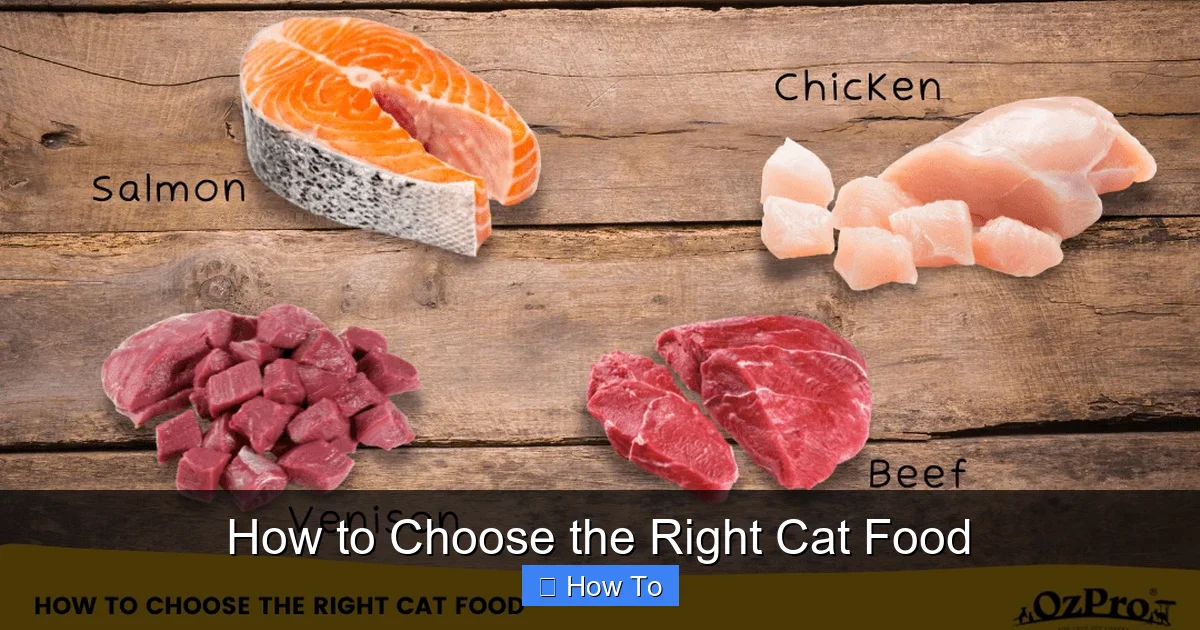
Choosing the right cat food is essential for your feline’s health, energy, and longevity. This guide walks you through every step—from understanding nutritional needs to reading labels and avoiding common pitfalls—so you can make confident, informed decisions for your cat.
Key Takeaways
- Prioritize high-quality protein: Cats are obligate carnivores and need animal-based protein as the main ingredient for optimal health.
- Match food to life stage: Kittens, adults, and senior cats have different nutritional needs—choose food labeled for your cat’s specific life stage.
- Read ingredient labels carefully: Avoid fillers like corn, soy, and by-products; look for named meat sources (e.g., “chicken” not “meat meal”).
- Consider your cat’s health conditions: Cats with allergies, kidney issues, or obesity may need specialized diets—consult your vet.
- Wet vs. dry food has pros and cons: Wet food supports hydration; dry food is convenient. Many owners use a mix for balance.
- Transition food gradually: Sudden changes can upset your cat’s stomach. Mix old and new food over 7–10 days.
- Watch for recalls and brand reputation: Choose brands with transparent sourcing, quality control, and a history of safety.
How to Choose the Right Cat Food: A Complete Guide for Pet Parents
Welcome, cat lover! If you’ve ever stood in the pet food aisle feeling overwhelmed by the dozens of brands, flavors, and formulas, you’re not alone. Choosing the right cat food can feel like solving a puzzle—especially when your furry friend’s health and happiness depend on it. But don’t worry: this guide will walk you through everything you need to know to make the best choice for your cat.
In this comprehensive how-to guide, you’ll learn how to evaluate cat food based on your pet’s age, health, dietary needs, and lifestyle. We’ll break down ingredient labels, explain the differences between wet and dry food, and help you avoid common mistakes. By the end, you’ll feel confident picking a food that keeps your cat healthy, energetic, and purring with satisfaction.
Step 1: Understand Your Cat’s Nutritional Needs
Cats aren’t just small dogs—they have unique dietary requirements that set them apart from other pets. As obligate carnivores, cats must eat meat to survive. Unlike humans or dogs, they can’t synthesize certain nutrients on their own and must get them from animal sources. That’s why choosing a cat food rich in high-quality protein is non-negotiable.

Visual guide about How to Choose the Right Cat Food
Image source: oliveknows.com
Essential Nutrients for Cats
Here are the key nutrients every cat needs:
- Taurine: An amino acid critical for heart health, vision, and reproduction. Found only in animal tissue.
- Arachidonic acid: A fatty acid important for skin, coat, and inflammation control. Cats can’t make it from plant sources.
- Vitamin A: Must be pre-formed (retinol) from animal sources. Cats can’t convert beta-carotene from plants.
- Protein: Should make up the majority of your cat’s diet—aim for at least 30–40% on a dry matter basis.
- Water: Cats have a low thirst drive and often don’t drink enough. Wet food helps meet hydration needs.
Without these nutrients, cats can develop serious health issues like blindness, heart disease, or immune problems. That’s why it’s so important to choose a food that meets the AAFCO (Association of American Feed Control Officials) standards for complete and balanced nutrition.
Check the AAFCO Statement
Look for a statement on the cat food label that says something like:
“This product is formulated to meet the nutritional levels established by the AAFCO Cat Food Nutrient Profiles.”
This means the food has been tested or formulated to meet minimum nutritional requirements. Avoid foods without this statement—they may be incomplete or unbalanced.
Step 2: Match Food to Your Cat’s Life Stage
Just like humans, cats have different nutritional needs at different stages of life. Feeding a kitten adult food—or vice versa—can lead to deficiencies or obesity. Always choose food labeled for your cat’s specific life stage.
Kitten Food (0–12 months)
Kittens grow rapidly and need more calories, protein, and fat than adult cats. Look for food labeled “kitten” or “growth.” These formulas typically contain:
- Higher protein (35–50%)
- Increased fat for energy
- Added DHA for brain and eye development
- Calcium and phosphorus for strong bones
Feed kittens 3–4 small meals a day until they’re about 6 months old, then reduce to 2–3 meals.
Adult Cat Food (1–7 years)
Adult cats need a balanced diet to maintain weight, muscle mass, and overall health. Choose food labeled “adult” or “maintenance.” These should provide:
- High-quality animal protein as the first ingredient
- Moderate fat (10–20%)
- Controlled calories to prevent obesity
- Fiber for digestion (but not too much—cats don’t need a lot)
Most adult cats do well with two meals a day, but some prefer free-feeding (having dry food available all day). Monitor your cat’s weight and adjust portions accordingly.
Senior Cat Food (7+ years)
As cats age, their metabolism slows, and they may become less active. Senior formulas are designed to support aging bodies with:
- Lower calories to prevent weight gain
- Higher protein to maintain muscle mass (contrary to popular belief, senior cats need more protein, not less)
- Added joint support (glucosamine, chondroitin)
- Antioxidants for immune health
- Easier-to-digest ingredients
Some senior cats also develop kidney issues, so lower phosphorus levels may be beneficial—but only under veterinary guidance.
Step 3: Decide Between Wet, Dry, or a Mix
One of the biggest debates among cat owners is wet vs. dry food. The truth? Both have advantages and drawbacks. The best choice depends on your cat’s health, preferences, and your lifestyle.
Wet Food: Pros and Cons
Pros:
- High moisture content (70–80%)—great for hydration
- Lower in carbohydrates
- More palatable for picky eaters
- Helps prevent urinary tract issues and kidney disease
Cons:
- More expensive per ounce
- Shorter shelf life once opened
- Can contribute to dental plaque if not balanced with dental care
Wet food is especially beneficial for cats prone to urinary crystals, kidney disease, or dehydration.
Dry Food: Pros and Cons
Pros:
- Convenient and cost-effective
- Long shelf life
- Can be left out for free-feeding
- Some kibble is designed to reduce tartar (though not a substitute for brushing)
Cons:
- Low moisture content (5–10%)—can lead to dehydration
- Often higher in carbohydrates
- May contain more fillers and preservatives
Dry food is fine for healthy cats who drink plenty of water, but it’s not ideal as the sole diet for cats with health issues.
The Best of Both Worlds: A Mixed Diet
Many veterinarians recommend a combination of wet and dry food. For example:
- Feed wet food in the morning and evening for hydration and nutrition
- Leave a small amount of high-quality dry food out during the day
This approach gives your cat the benefits of both types while fitting into most owners’ routines.
Step 4: Read and Understand Ingredient Labels
The ingredient list on cat food is listed by weight, so the first few ingredients matter most. Here’s how to decode what’s really in the bag or can.
Look for Named Animal Proteins First
The first ingredient should be a specific meat, such as:
- Chicken
- Turkey
- Salmon
- Beef
Avoid vague terms like “meat meal,” “poultry by-product,” or “animal digest.” These can come from low-quality or unspecified sources.
Better options include:
- “Chicken meal” (rendered, dried chicken—still a good protein source)
- “Deboned turkey”
- “Whole salmon”
Avoid Fillers and Artificial Additives
Common fillers to watch out for:
- Corn, wheat, soy: Cheap fillers that offer little nutritional value and can trigger allergies.
- By-products: While not inherently bad, they’re less predictable in quality. Named by-products (e.g., “chicken by-product meal”) are better than generic ones.
- Artificial colors, flavors, preservatives: Ingredients like BHA, BHT, and ethoxyquin are controversial and best avoided.
Carbohydrates: Keep Them Low
Cats don’t need carbohydrates. While small amounts are okay, high-carb diets can lead to obesity and diabetes. Avoid foods where grains or starches (like rice, potato, or tapioca) appear in the top five ingredients.
Guaranteed Analysis: What to Look For
The guaranteed analysis shows minimum protein and fat, and maximum fiber and moisture. To compare foods accurately, convert percentages to a “dry matter basis” (remove water content).
For example:
- Wet food with 10% protein and 78% moisture = 45% protein on dry matter basis
- Dry food with 30% protein and 10% moisture = 33% protein on dry matter basis
Use this calculator:
(Protein % ÷ (100 – Moisture %)) × 100
Step 5: Consider Your Cat’s Health and Special Needs
Not all cats are the same. Health conditions, allergies, and lifestyle factors can influence the best food choice.
Food Allergies and Sensitivities
Signs of food allergies include:
- Itchy skin, especially around the face and ears
- Chronic ear infections
- Vomiting or diarrhea
- Hair loss or hot spots
If you suspect an allergy, talk to your vet about an elimination diet. Common allergens include beef, dairy, fish, and chicken. Hypoallergenic or limited-ingredient diets can help identify triggers.
Obesity and Weight Management
Over 50% of cats in the U.S. are overweight. If your cat needs to lose weight, choose a food labeled “light,” “low-calorie,” or “weight control.” These typically have:
- Reduced fat and calories
- Increased fiber to promote fullness
- High protein to preserve muscle
Avoid free-feeding and measure portions carefully. Increase playtime to boost activity.
Kidney Disease
Cats with kidney disease often benefit from:
- Lower phosphorus
- Reduced protein (but not too low—muscle loss is a risk)
- Increased omega-3 fatty acids
- High moisture content (wet food preferred)
Always follow your vet’s recommendations—never switch to a “kidney diet” without professional guidance.
Dental Health
While dry food doesn’t “clean teeth” as once believed, some dental diets are designed to reduce plaque and tartar. Look for products with the VOHC (Veterinary Oral Health Council) seal. Regular brushing is still the gold standard.
Step 6: Transition to New Food Gradually
Even the best food won’t help if your cat refuses to eat it—or gets sick from a sudden switch. Always transition to new food over 7–10 days.
How to Transition Safely
- Days 1–2: Mix 25% new food with 75% old food.
- Days 3–4: Use 50% new and 50% old.
- Days 5–6: Try 75% new and 25% old.
- Day 7+: Feed 100% new food.
Watch for signs of digestive upset: vomiting, diarrhea, or loss of appetite. If symptoms occur, slow the transition or consult your vet.
Step 7: Choose a Reputable Brand
Not all pet food companies are created equal. Do your research before buying.
What to Look For in a Brand
- Transparent sourcing: The company should disclose where ingredients come from.
- Quality control: Look for brands that test for contaminants and have recall policies.
- Veterinary involvement: Some brands employ nutritionists or partner with vets.
- Customer support: Can you contact them with questions?
Avoid These Red Flags
- Frequent recalls
- Vague ingredient lists
- No AAFCO statement
- Poor customer reviews or complaints
Some trusted brands include Royal Canin, Hill’s Science Diet, Purina Pro Plan, Wellness, and Blue Buffalo—but always read labels and match to your cat’s needs.
Troubleshooting Common Problems
My Cat Won’t Eat the New Food
Try warming the food slightly (to room temperature or slightly warmer) to enhance aroma. Mix in a small amount of tuna juice or bone broth (make sure it’s cat-safe, no onions or garlic). Be patient—some cats take weeks to adjust.
My Cat Is Gaining Weight
Reassess portion sizes. Use a measuring cup—don’t “eyeball” it. Switch to a weight-management formula and increase playtime. Avoid feeding table scraps.
My Cat Has Diarrhea or Vomiting
This could be due to a sudden diet change, food intolerance, or illness. If it lasts more than 24–48 hours, see your vet. Temporarily switch to a bland diet (boiled chicken and rice) if advised.
My Cat Drinks Very Little Water
Switch to wet food or add water to dry kibble. Use a cat water fountain—many cats prefer running water. Place multiple bowls around the house.
Conclusion
Choosing the right cat food doesn’t have to be overwhelming. By understanding your cat’s nutritional needs, reading labels carefully, and considering health and lifestyle factors, you can make a choice that supports a long, healthy life.
Remember: the best food is one that’s high in quality animal protein, appropriate for your cat’s life stage, and free from unnecessary fillers. Whether you choose wet, dry, or a mix, consistency and observation are key. Watch your cat’s energy, coat, weight, and litter box habits—they’re the best indicators of whether the food is working.
When in doubt, consult your veterinarian. They can help you tailor a diet to your cat’s unique needs and catch potential health issues early. With the right food and a little love, your feline friend will thrive for years to come.