
Properly closing canned cat food helps maintain freshness, prevents spoilage, and keeps your cat’s meals safe and appetizing. This guide walks you through easy, practical steps to store leftover wet food using the right tools and techniques.
Key Takeaways
- Use airtight containers: Transferring leftover food to a sealed container prevents odor and bacteria buildup.
- Refrigerate immediately: Store opened cans in the fridge within two hours to keep food safe.
- Label and date leftovers: This helps track freshness and avoid feeding spoiled food.
- Avoid reusing can lids: They don’t seal well and can rust or contaminate food.
- Use plastic or silicone covers: These fit standard cans and create a tight seal for short-term storage.
- Freeze for long-term storage: Portion and freeze extra food in ice cube trays for up to 3 months.
- Wash hands and tools: Always practice good hygiene when handling pet food.
How to Close Canned Cat Food: A Complete Guide to Safe and Fresh Storage
If you’ve ever opened a can of wet cat food only to find your furry friend leaving half of it behind, you’re not alone. Many cat owners face the same dilemma: how to store leftover canned food so it stays fresh, safe, and appealing for the next meal. Unlike dry kibble, wet cat food spoils quickly once exposed to air and bacteria. That’s why knowing how to close canned cat food properly is essential for every pet parent.
In this comprehensive guide, you’ll learn everything you need to know about storing opened cans of cat food. We’ll cover the best tools and methods, explain why proper storage matters, and share practical tips to keep your cat’s meals delicious and nutritious. Whether you’re dealing with a picky eater or trying to reduce waste, these steps will help you get the most out of every can.
By the end of this guide, you’ll be able to confidently store leftover wet food using safe, effective techniques. You’ll also learn how to extend shelf life, avoid common mistakes, and keep your cat healthy and happy. Let’s dive in!
Why Proper Storage Matters

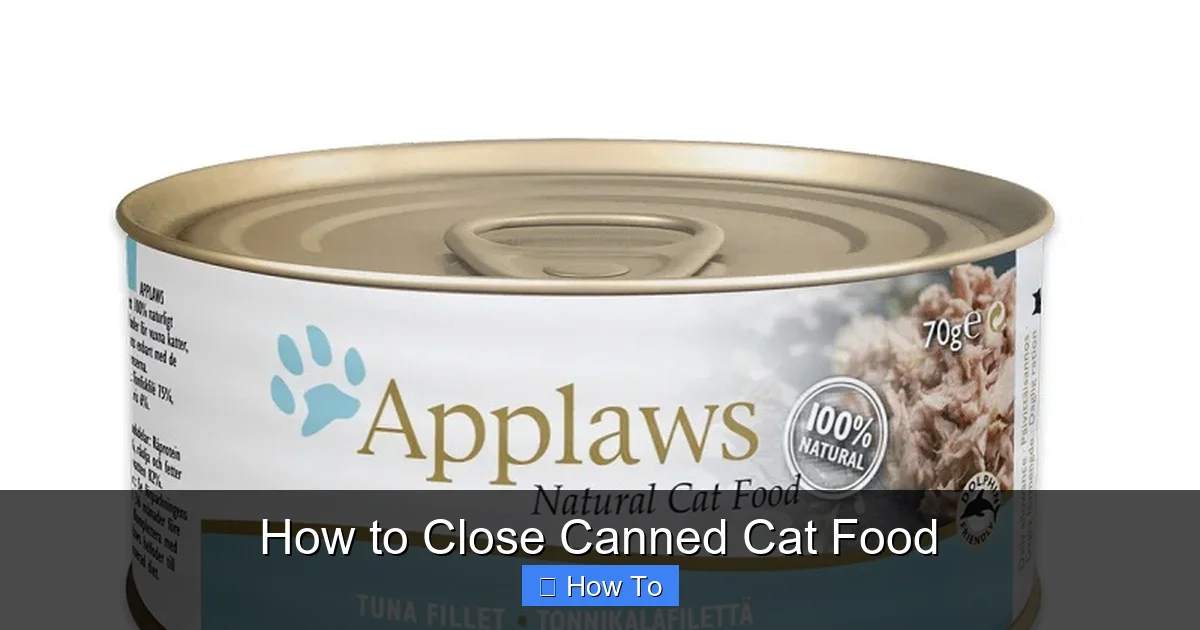
Visual guide about How to Close Canned Cat Food
Image source: cf.shopee.ph
Before we get into the how-to steps, it’s important to understand why storing canned cat food correctly is so crucial. Wet food is rich in moisture, protein, and fats—ingredients that bacteria love. Once a can is opened, the food is exposed to air, moisture, and microbes, all of which can lead to spoilage.
Spoiled food isn’t just unappetizing—it can make your cat sick. Bacteria like Salmonella or Listeria can grow rapidly at room temperature, especially in protein-rich environments. Feeding your cat contaminated food can lead to vomiting, diarrhea, or more serious health issues.
Additionally, exposure to air causes oxidation, which breaks down nutrients and affects flavor. Your cat may refuse to eat food that’s lost its freshness, leading to wasted meals and frustration.
Proper storage also helps control odors. Opened cans can emit strong smells that linger in your kitchen or fridge. Using the right sealing method keeps smells contained and your home fresher.
Finally, good storage practices save money. Instead of tossing half-eaten cans, you can safely save leftovers for the next feeding. This reduces waste and ensures your cat gets the full value of every purchase.
What You’ll Need to Close Canned Cat Food
You don’t need fancy equipment to store wet cat food effectively. With a few simple tools, you can keep leftovers fresh and safe. Here’s what to gather:
- Airtight containers: Small, BPA-free plastic or glass containers with tight-fitting lids work best. Look for ones labeled “food-safe” and “dishwasher-safe” for easy cleaning.
- Plastic or silicone can covers: These flexible lids snap onto standard-sized cans and create a seal. They’re reusable, affordable, and perfect for short-term storage.
- Ice cube trays: Ideal for freezing small portions of wet food. Silicone trays are flexible and easy to pop out frozen cubes.
- Permanent marker and labels: Use these to date your stored food so you know when it was opened.
- Spoon or spatula: For transferring food from the can to a container.
- Paper towels or clean cloth: To wipe the can rim and remove any residue before sealing.
These items are widely available at grocery stores, pet supply shops, or online. Investing in a few quality containers or covers can make a big difference in how long your cat’s food stays fresh.
Step-by-Step: How to Close Canned Cat Food
Now that you know why storage matters and what tools to use, let’s walk through the process step by step. Follow these instructions to safely close and store leftover canned cat food.
Step 1: Serve Your Cat’s Portion
Start by scooping out the amount of food your cat will eat at the current meal. Use a clean spoon or scoop to avoid cross-contamination. If your cat eats half a can at a time, only remove that portion and leave the rest in the can for now.
Avoid letting the food sit out for too long. Bacteria grow fastest between 40°F and 140°F (the “danger zone”), so aim to serve and store within two hours of opening the can.
Step 2: Wipe the Can Rim
Before sealing, wipe the inside rim of the can with a clean paper towel or cloth. Food residue around the edge can prevent a proper seal and attract bacteria or pests. A clean rim ensures a tighter closure and reduces the risk of contamination.
Step 3: Choose Your Storage Method
You have several options for closing the can, depending on how long you plan to store the food and what tools you have. Here are the most effective methods:
Option A: Use a Plastic or Silicone Can Cover
These flexible lids are designed to fit standard 3 oz, 5.5 oz, and 12 oz cans. They’re inexpensive, reusable, and create a decent seal for short-term storage (up to 3–4 days in the fridge).
To use:
- Press the cover firmly over the open can, making sure it snaps into place.
- Check that the seal is tight by gently tugging on the cover.
- Store the covered can upright in the refrigerator.
Tip: Look for covers with a small vent or valve to allow pressure release, which can help maintain the seal.
Option B: Transfer to an Airtight Container
For better protection and longer freshness, transfer the leftover food to a small airtight container. This method is ideal if you’re storing food for more than a day or want to avoid metal taste transfer.
To do this:
- Use a clean spoon to scoop the remaining food into the container.
- Leave a little space at the top to allow for expansion if freezing.
- Press down gently to remove air pockets.
- Seal the container tightly with its lid.
Pro tip: Choose a container that’s just large enough for the amount of food. Less air inside means slower oxidation and better flavor retention.
Option C: Freeze for Long-Term Storage
If you have more food than your cat will eat in a few days, freezing is a great option. Wet cat food can be frozen for up to 3 months without losing nutritional value.
To freeze:
- Portion the food into ice cube trays or small silicone molds.
- Cover the trays with plastic wrap or a lid to prevent freezer burn.
- Once frozen, pop the cubes out and store them in a labeled freezer bag.
- Thaw in the fridge before serving—never microwave frozen cat food.
Note: Texture may change slightly after freezing, but most cats still enjoy it. Stir well before serving.
Step 4: Label and Date the Food
No matter which storage method you choose, always label the container or can with the date it was opened. Use a permanent marker or a small sticker.
This simple step helps you track freshness and avoid feeding old food. A good rule of thumb: refrigerated wet food should be used within 3–5 days. Frozen food lasts up to 3 months.
Step 5: Store in the Refrigerator or Freezer
Place the sealed container or covered can in the coldest part of your refrigerator—usually the back, not the door. The door temperature fluctuates more, which can speed up spoilage.
If freezing, store in the main freezer compartment, not the door. Keep food away from strong-smelling items like fish or onions, which can transfer odors.
Tips for Maximum Freshness and Safety
Even with the right tools and steps, a few extra tips can make a big difference in how long your cat’s food stays fresh.
Keep It Cold
Always refrigerate opened cans within two hours. If your home is warm, aim to store the food even sooner. The cooler the environment, the slower bacteria grow.
Avoid Reusing Metal Can Lids
Many cans come with a metal lid that fits over the top. While it might seem convenient, these lids don’t create a true seal. They can also rust or trap food particles, leading to contamination. It’s better to use a dedicated plastic or silicone cover or transfer the food to a container.
Don’t Leave Food at Room Temperature
Some cat owners leave wet food out for their pets to graze on throughout the day. While this works for some cats, it increases the risk of spoilage. If your cat doesn’t finish the food within 1–2 hours, discard it. Bacteria multiply quickly in warm environments.
Use Clean Utensils Every Time
Always use a clean spoon or scoop when serving food from a stored container. Never dip a used utensil back into the food, as saliva and bacteria can contaminate the entire portion.
Rotate Your Stock
If you buy cat food in bulk, practice “first in, first out.” Use older cans before newer ones to prevent waste and ensure freshness.
Check for Signs of Spoilage
Before serving stored food, give it a quick inspection. Look for:
- Unusual odor (sour, rancid, or foul)
- Mold or discoloration
- Slimy or sticky texture
- Separation with a foul-smelling liquid
If you notice any of these signs, throw the food away immediately—even if it’s within the recommended time frame.
Troubleshooting Common Storage Problems
Even with the best intentions, issues can arise. Here’s how to handle common problems when storing canned cat food.
Problem: Food Tastes Metallic
Cause: Prolonged contact with the metal can can transfer a metallic taste to the food, especially if stored for more than a day.
Solution: Always transfer leftovers to a glass or plastic container. This preserves flavor and prevents taste transfer.
Problem: Cover Won’t Stay On
Cause: The can may be dented, or the cover may not fit properly.
Solution: Use a different-sized cover or switch to an airtight container. Make sure the can rim is clean and undamaged.
Problem: Food Smells Strong in the Fridge
Cause: Wet food has a strong odor, and poor sealing allows it to spread.
Solution: Use airtight containers with odor-blocking lids. Place a small open box of baking soda in the fridge to absorb smells.
Problem: Frozen Food Is Too Hard to Serve
Cause: Food freezes solid and is difficult to scoop.
Solution: Thaw cubes in the fridge overnight or place the container in a bowl of warm water for a few minutes. Never use a microwave, as it can create hot spots that burn your cat’s mouth.
Problem: Cat Refuses Stored Food
Cause: The food may have lost flavor or texture, or your cat is sensitive to changes.
Solution: Warm the food slightly by placing the container in warm water for a minute. Stir well and serve at room temperature. Some cats prefer food closer to body temperature.
How Long Can You Store Opened Canned Cat Food?
Knowing how long stored food remains safe is key to avoiding waste and illness. Here’s a quick reference guide:
- Refrigerated (in original can with cover): 3–4 days
- Refrigerated (in airtight container): 5–7 days
- Frozen (in portions): Up to 3 months
- Room temperature (after opening): Discard after 1–2 hours
These timeframes assume proper storage and handling. Always use your senses—smell, sight, and texture—to double-check before feeding.
Eco-Friendly and Cost-Effective Storage Ideas
Storing cat food properly isn’t just good for your pet—it’s good for your wallet and the planet. Here are some sustainable tips:
- Reuse containers: Repurpose small glass jars or plastic containers from other foods.
- Buy in bulk wisely: Purchase larger cans only if your cat eats quickly. Otherwise, stick to smaller sizes to reduce waste.
- Compost food scraps: If food spoils, compost it (if allowed in your area) instead of sending it to a landfill.
- Choose recyclable packaging: Opt for brands that use recyclable cans and minimal plastic.
Small changes can make a big difference over time.
Conclusion
Learning how to close canned cat food properly is a simple but powerful way to keep your cat healthy, save money, and reduce waste. By using airtight containers, silicone covers, or freezing portions, you can extend the life of wet food and ensure every meal is fresh and safe.
Remember to refrigerate leftovers quickly, label containers, and avoid reusing metal lids. With these practical steps, you’ll never have to toss out half-eaten cans again.
Your cat deserves the best—and that starts with proper food storage. Follow this guide, and you’ll be a pro at keeping canned cat food fresh, tasty, and ready for the next delicious bite.