
Combining wet and dry cat food gives your cat the best of both worlds—better hydration, dental health, and balanced nutrition. This guide walks you through simple steps, portion control, and feeding schedules to keep your cat happy and healthy.
Key Takeaways
- Improved hydration: Wet food boosts water intake, reducing the risk of urinary tract issues.
- Dental benefits: Dry food helps scrape plaque and supports oral health.
- Balanced nutrition: Mixing both types ensures your cat gets complete proteins, fats, and essential nutrients.
- Appetite management: Some cats eat better when offered variety, preventing picky eating habits.
- Portion control: Learn how to calculate the right mix to avoid overfeeding or underfeeding.
- Feeding flexibility: You can adapt the ratio based on your cat’s age, weight, and activity level.
- Easy transition: Gradually introduce the mix to avoid digestive upset.
How to Combine Wet and Dry Cat Food
If you’re a cat parent, you’ve probably wondered: Should I feed my cat wet food, dry food, or both? The truth is, combining wet and dry cat food offers a powerful nutritional advantage. It’s not just about taste—it’s about giving your feline friend the best possible diet for long-term health.
In this guide, you’ll learn exactly how to combine wet and dry cat food the right way. We’ll cover why this mix works, how to calculate portions, how to transition your cat, and how to adjust based on your cat’s unique needs. Whether you have a kitten, an adult, or a senior cat, this method can help support hydration, digestion, dental health, and overall well-being.
By the end of this guide, you’ll feel confident creating a balanced feeding routine that keeps your cat energized, hydrated, and happy.
Why Combine Wet and Dry Cat Food?

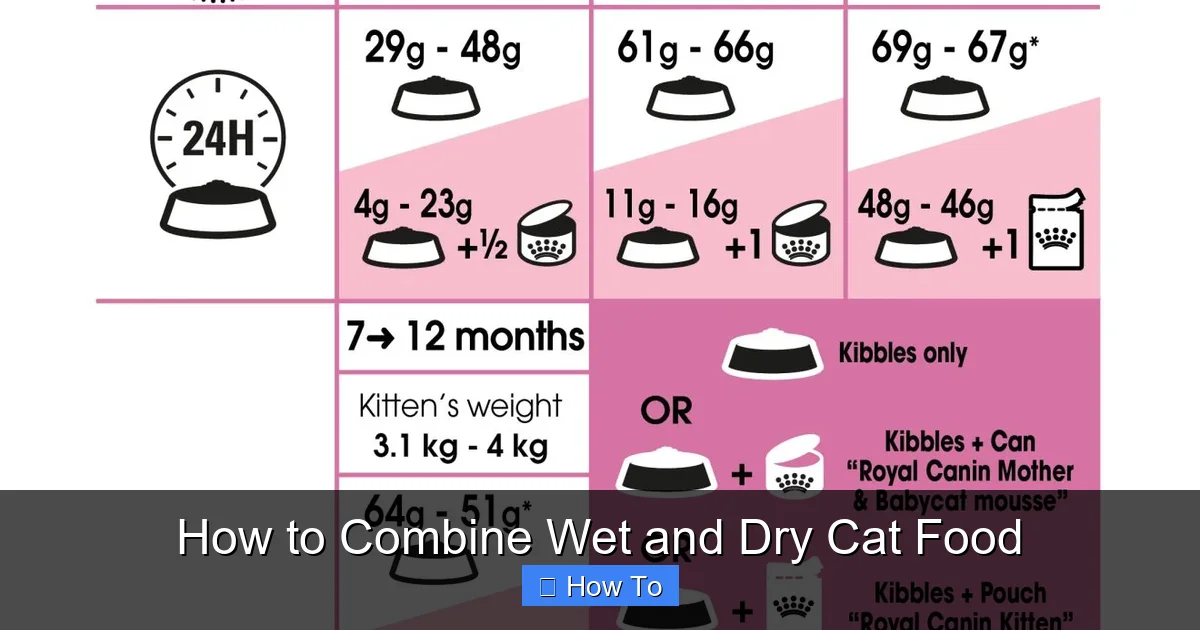
Visual guide about How to Combine Wet and Dry Cat Food
Image source: petisha.com
Before we dive into the how, let’s talk about the why. Why should you consider mixing wet and dry food instead of sticking to one type?
Cats are naturally carnivorous animals with unique dietary needs. In the wild, they get most of their moisture from prey. But domesticated cats often don’t drink enough water, which can lead to serious health problems like kidney disease and urinary tract infections. That’s where wet food comes in.
Wet food contains about 70–80% water, making it an excellent source of hydration. It’s also typically higher in protein and lower in carbohydrates than dry food—closer to what a cat would eat in the wild.
On the other hand, dry food has its own benefits. It’s convenient, cost-effective, and can help with dental health. The crunchy texture may help reduce plaque buildup, especially if your cat chews it thoroughly. Dry food also stays fresh longer when left out, making it ideal for free-feeding or busy households.
But neither type is perfect on its own. Wet food can spoil quickly and is more expensive. Dry food often contains fillers and preservatives, and it doesn’t provide enough moisture for optimal health.
That’s why combining both types creates a balanced, well-rounded diet. You get the hydration and high-quality protein from wet food, plus the convenience and dental support from dry food. It’s a win-win for both you and your cat.
Step 1: Understand Your Cat’s Nutritional Needs
Every cat is different. Age, weight, activity level, and health status all play a role in determining the right diet. Before you start mixing foods, take a moment to assess your cat’s individual needs.
Kittens (Under 1 Year)
Kittens are growing fast and need more calories, protein, and fat than adult cats. They benefit from frequent meals—usually 3 to 4 times a day. Wet food is especially helpful for kittens because it’s easier to chew and digest. You can mix in a small amount of dry kibble to encourage chewing and support dental development.
Adult Cats (1–7 Years)
Adult cats need a balanced diet to maintain their weight and energy. Most do well with two meals a day. A mix of wet and dry food helps prevent obesity (a common issue with dry food alone) and supports hydration. Aim for a ratio that keeps your cat at a healthy weight—usually more wet food than dry.
Senior Cats (7+ Years)
Older cats often have slower metabolisms and may develop health issues like kidney disease or dental problems. Wet food is especially beneficial for seniors because it’s easier to eat and helps with hydration. You might increase the wet food portion and reduce dry food, especially if your cat has trouble chewing.
Overweight or Inactive Cats
If your cat is overweight, you’ll want to monitor portions carefully. Wet food is lower in calories per volume than dry food, so it can help with weight management. Use a mix that emphasizes wet food and limit free-feeding dry kibble.
Active or Outdoor Cats
Cats that are very active or spend time outdoors may need more calories. In this case, a higher proportion of dry food can help meet energy needs, but don’t forget to include wet food for hydration.
Once you understand your cat’s needs, you can choose the right combination of wet and dry food.
Step 2: Choose High-Quality Foods
Not all cat food is created equal. The quality of the ingredients matters just as much as the wet-dry ratio.
Look for Complete and Balanced Labels
Make sure both your wet and dry foods are labeled “complete and balanced” by the Association of American Feed Control Officials (AAFCO). This means they meet the nutritional standards for your cat’s life stage.
Prioritize Animal Protein
Cats are obligate carnivores, which means they need animal-based protein to thrive. Check the ingredient list: the first ingredient should be a named meat source like chicken, turkey, or salmon—not by-products or fillers.
Avoid Artificial Additives
Steer clear of foods with artificial colors, flavors, or preservatives like BHA, BHT, or ethoxyquin. These can cause health issues over time.
Check Moisture Content in Wet Food
Good wet food should have high moisture content (around 75–80%) and minimal carbohydrates. Avoid products with excessive grains, corn, or soy.
Choose Dental-Friendly Dry Food
If you’re using dry food for dental benefits, look for kibble designed to reduce plaque and tartar. Some brands offer “dental health” formulas with larger, textured pieces that encourage chewing.
Consider Grain-Free or Limited Ingredient Options
If your cat has food sensitivities, consider grain-free or limited-ingredient diets. Just remember—grain-free doesn’t always mean healthier. Focus on high protein and low filler content.
Step 3: Determine the Right Wet-to-Dry Ratio
There’s no one-size-fits-all ratio, but a good starting point is 2/3 wet food and 1/3 dry food. This ensures your cat gets plenty of moisture while still benefiting from the dental and convenience advantages of dry food.
Here’s how to calculate it based on your cat’s daily caloric needs.
Step 1: Find Your Cat’s Daily Calorie Requirement
Most adult cats need about 20 calories per pound of body weight per day. So a 10-pound cat needs roughly 200 calories daily.
Use this formula:
- Weight (in pounds) × 20 = Daily calories
For example:
- 10 lb cat × 20 = 200 calories/day
Adjust based on activity level:
- Indoor, less active: subtract 10–20%
- Outdoor or very active: add 10–20%
Step 2: Check Calorie Content on Food Labels
Look at the feeding guidelines on both wet and dry food packaging. Most wet food cans (5.5 oz) contain about 150–200 calories. Dry food varies, but a typical 1/2 cup of kibble has around 200–250 calories.
Step 3: Calculate the Mix
Let’s say your 10-pound cat needs 200 calories per day, and you want a 2:1 wet-to-dry ratio.
- Wet food: 130 calories (about 2/3 of total)
- Dry food: 70 calories (about 1/3 of total)
If one can of wet food has 170 calories, you’d feed about 3/4 of a can (130 calories). For dry food, if 1/4 cup = 100 calories, you’d feed about 1.75 tablespoons (70 calories).
You can adjust the ratio based on your cat’s response. If they’re gaining weight, reduce dry food. If they seem dehydrated, increase wet food.
Step 4: Create a Feeding Schedule
Consistency is key. Cats thrive on routine, so establish a feeding schedule that works for you and your pet.
Option 1: Two Meals a Day (Recommended for Most Cats)
Feed your cat twice daily—once in the morning and once in the evening. This mimics their natural hunting pattern and helps regulate digestion.
- Morning: 1/2 wet food + 1/4 cup dry food
- Evening: 1/2 wet food + 1/4 cup dry food
Leave the dry food out for a few hours, then remove any uneaten portion to prevent spoilage.
Option 2: Wet Food at Meals, Dry Food for Grazing
Some owners prefer to feed wet food at set meal times and leave dry food out for nibbling. This works well for cats who like to graze.
- Morning: Full wet food portion
- Evening: Full wet food portion
- Dry food: Available in a bowl throughout the day (monitor intake)
Just be careful not to overfeed. Measure the total dry food given per day to stay within calorie limits.
Option 3: One Wet Meal, One Dry Meal
Alternate between wet and dry food at each meal.
- Morning: Wet food only
- Evening: Dry food only
This gives variety and ensures your cat gets both types daily. Just make sure the total calories from both meals add up correctly.
Tip: Use Puzzle Feeders for Dry Food
To slow down fast eaters and add mental stimulation, place dry kibble in a puzzle feeder or slow-feed bowl. This also helps prevent overeating.
Step 5: Transition Gradually
If your cat is used to only wet or only dry food, don’t switch overnight. Sudden changes can cause digestive upset, including diarrhea or vomiting.
How to Transition Over 7–10 Days
- Days 1–2: 75% old food, 25% new mix
- Days 3–4: 50% old food, 50% new mix
- Days 5–6: 25% old food, 75% new mix
- Day 7+: 100% new mix
Monitor your cat’s stool, appetite, and energy levels. If you notice any issues, slow down the transition.
Tip: Warm the Wet Food
Cats prefer food at body temperature. Slightly warming wet food (in a bowl of warm water, not the microwave) can make it more appealing, especially during the transition.
Step 6: Monitor and Adjust
After a few weeks, assess how your cat is doing.
Check for Healthy Signs
- Shiny coat
- Clear eyes
- Healthy weight
- Regular bowel movements
- Good energy levels
Watch for Warning Signs
- Weight gain or loss
- Lethargy
- Vomiting or diarrhea
- Excessive thirst or urination
- Bad breath or dental issues
If you notice any red flags, consult your veterinarian. They may recommend adjusting the food type, ratio, or brand.
Adjust Based on Season or Lifestyle Changes
Cats may need more calories in winter or less in summer. Pregnant or nursing cats need extra nutrition. Adjust the mix as needed.
Troubleshooting Common Issues
Even with the best plan, you might run into challenges. Here’s how to handle them.
Problem: Cat Refuses to Eat the Mix
Some cats are picky. Try these tips:
- Mix the foods thoroughly so flavors blend
- Start with a higher wet food ratio
- Try different brands or flavors
- Warm the food slightly
- Feed in a quiet, stress-free area
Problem: Cat Only Eats One Type
If your cat picks out only the wet food and leaves the dry, try:
- Reducing the dry food portion
- Using a different kibble shape or flavor
- Feeding dry food in a puzzle toy to make it more engaging
Problem: Food Spoils Too Fast
Wet food can spoil within a few hours, especially in warm weather. To prevent waste:
- Feed smaller portions more frequently
- Use an automatic feeder with ice packs
- Refrigerate uneaten wet food and reheat slightly before the next meal
Problem: Overeating or Weight Gain
If your cat is gaining weight:
- Reduce the dry food portion
- Switch to a lower-calorie dry food
- Increase playtime and exercise
- Use portion-controlled feeders
Problem: Dental Issues Despite Dry Food
Dry food alone doesn’t guarantee dental health. If your cat has plaque or bad breath:
- Increase wet food and reduce dry
- Add dental treats or water additives
- Schedule regular vet cleanings
- Consider brushing your cat’s teeth
Tips for Success
- Stay consistent: Cats dislike sudden changes. Stick to a routine.
- Measure portions: Use a kitchen scale or measuring cup to avoid overfeeding.
- Clean bowls daily: Bacteria can grow quickly, especially in wet food bowls.
- Provide fresh water: Even with wet food, always have clean water available.
- Rotate flavors: Offer different proteins (chicken, fish, turkey) to prevent boredom.
- Involve your vet: Ask for personalized advice based on your cat’s health.
Conclusion
Combining wet and dry cat food is one of the smartest choices you can make for your feline friend. It supports hydration, dental health, digestion, and overall nutrition in a way that neither food type can achieve alone.
By understanding your cat’s needs, choosing high-quality ingredients, calculating the right ratio, and maintaining a consistent feeding schedule, you can create a diet that keeps your cat healthy and happy for years to come.
Remember, every cat is unique. What works for one may not work for another. Stay observant, be flexible, and don’t hesitate to consult your veterinarian if you have concerns.
With a little planning and care, you’ll master the art of combining wet and dry cat food—and your cat will thank you with purrs, playfulness, and a long, vibrant life.