

Controlling your cat’s food intake is essential for maintaining a healthy weight and preventing obesity-related health issues. This guide walks you through practical strategies like measuring portions, using timed feeders, and recognizing hunger cues to help your feline friend eat just the right amount.
Key Takeaways
- Measure every meal: Use a kitchen scale or measuring cup to serve precise portions based on your cat’s weight, age, and activity level.
- Follow a consistent feeding schedule: Feed your cat at the same times each day to regulate appetite and reduce begging behavior.
- Choose high-quality, nutrient-dense food: Premium cat food keeps your cat fuller longer, reducing the urge to overeat.
- Use puzzle feeders or slow-feed bowls: These tools slow down eating, improve digestion, and provide mental stimulation.
- Monitor weight and body condition regularly: Regular check-ins help you adjust portions before weight gain becomes a problem.
- Avoid free-feeding dry kibble: Leaving food out all day encourages overeating and makes portion control impossible.
- Consult your vet for personalized advice: Your veterinarian can recommend ideal calorie intake and feeding plans tailored to your cat’s needs.
How to Control Cat Food Intake
Keeping your cat at a healthy weight is one of the most important things you can do for their long-term well-being. Just like humans, cats can struggle with overeating, especially when food is always available. Obesity in cats is linked to serious health problems like diabetes, joint pain, and liver disease. The good news? With a few simple changes, you can easily control your cat’s food intake and help them live a longer, happier life.
In this guide, you’ll learn practical, science-backed strategies to manage how much your cat eats. From measuring portions accurately to using smart feeding tools, we’ll cover everything you need to know. Whether you’re dealing with a chonky kitty or just want to prevent future weight gain, these tips will help you take charge of your cat’s diet—without making mealtime stressful.
Let’s dive in and discover how to control cat food intake the right way.
Why Controlling Cat Food Intake Matters
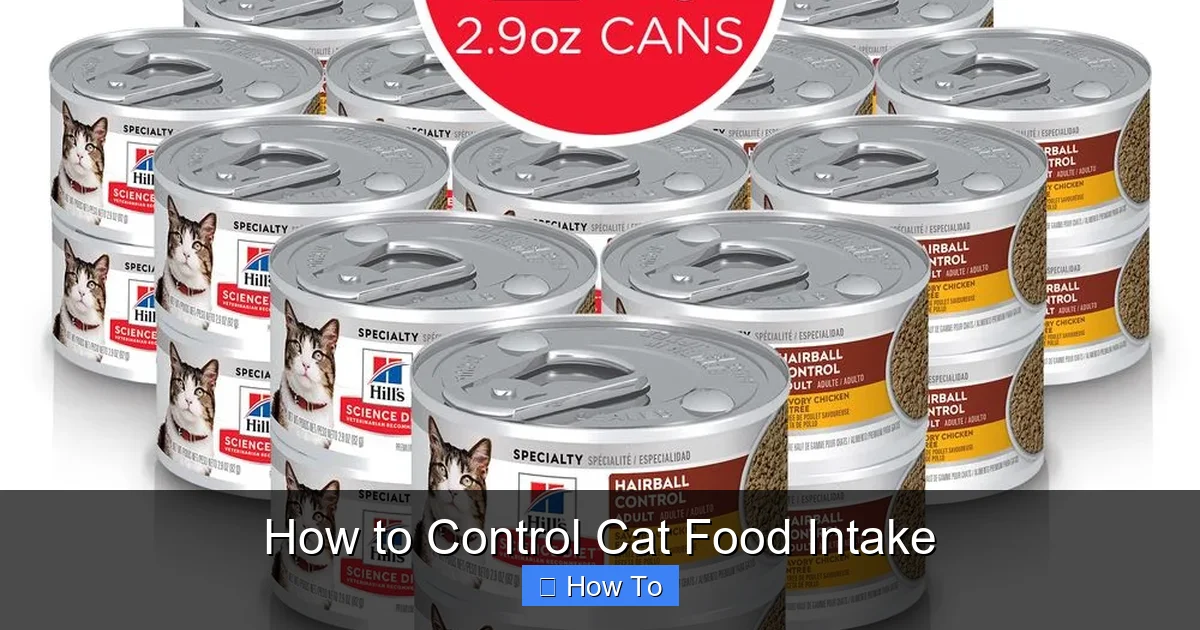
Visual guide about How to Control Cat Food Intake
Image source: cdn-dot-cp-gsso-tst-stibointegration.uk.r.appspot.com
Before we get into the “how,” let’s talk about the “why.” Why is it so important to control how much your cat eats?
Cats are natural grazers. In the wild, they hunt small prey multiple times a day, eating frequent, small meals. But domestic cats don’t have to hunt—their food is often left out all day in a bowl. This setup can lead to overeating, especially if the food is high in carbohydrates or low in protein.
According to the Association for Pet Obesity Prevention, over 60% of cats in the U.S. are overweight or obese. That’s a staggering number—and it’s largely preventable. Excess weight puts strain on your cat’s joints, heart, and organs. It can also shorten their lifespan.
Controlling food intake isn’t about deprivation. It’s about balance. You want your cat to feel satisfied, not hungry, while still maintaining a healthy body condition. The goal is to provide the right amount of nutrition without excess calories.
Think of it like this: you wouldn’t give a child unlimited access to candy, even if they begged for it. The same logic applies to your cat. Just because they meow for more food doesn’t mean they need it. Learning to control their intake helps them stay fit, active, and full of energy.
Step 1: Know Your Cat’s Ideal Weight and Calorie Needs
The first step in controlling your cat’s food intake is understanding how much they should actually be eating. Every cat is different—size, age, activity level, and health status all play a role.
Assess Your Cat’s Body Condition
Start by evaluating your cat’s current weight. You can do this at home with a simple body condition score (BCS). Here’s how:
– Look at your cat from above. You should see a slight waistline behind the ribs.
– Feel their ribs with gentle pressure. You should be able to feel them without pressing hard, but they shouldn’t be visibly protruding.
– From the side, their belly should tuck up slightly, not hang down.
If you can’t feel the ribs easily or your cat has a rounded belly, they may be overweight. If the ribs are very visible and the waist is extremely narrow, they might be underweight.
Your vet can also help assess your cat’s ideal weight during a check-up. They may use a 9-point scale, where 5 is ideal, 1 is emaciated, and 9 is severely obese.
Calculate Daily Calorie Needs
Once you know your cat’s ideal weight, you can estimate how many calories they need per day. A general rule of thumb is:
– **Resting Energy Requirement (RER):** 70 × (ideal weight in kg)^0.75
– **Daily Calorie Needs:** RER × activity factor
For example, a 10-pound (4.5 kg) indoor cat with low activity might need about 200–250 calories per day. An active outdoor cat could need 300 or more.
Most commercial cat foods list calories per cup or can on the packaging. Use this info to determine how much to feed. For instance, if a food has 400 kcal per cup and your cat needs 250 kcal, they should eat about 5/8 of a cup per day.
Keep in mind that kittens, pregnant cats, and nursing mothers need more calories. Senior cats may need fewer. Always adjust based on your cat’s life stage.
Step 2: Measure Every Meal Accurately
One of the biggest mistakes cat owners make is guessing portion sizes. “A scoop” or “a handful” isn’t precise—and over time, small inaccuracies add up.
Use a Kitchen Scale or Measuring Cup
The best way to control food intake is to measure every meal. A digital kitchen scale is the most accurate tool, especially for dry food. Weigh the food in grams for consistency.
If you don’t have a scale, use a standard measuring cup. But be aware that cup sizes can vary, and kibble density differs between brands. One cup of Brand A might have more calories than one cup of Brand B.
Tip: Weigh your cat’s daily portion once, then use that measurement every time. For example, if your cat needs 60 grams of dry food per day, measure out 60 grams and split it into meals.
Divide Daily Portions into Meals
Instead of dumping the entire day’s food into a bowl, split it into 2–3 smaller meals. This helps regulate blood sugar, prevents overeating, and mimics a cat’s natural feeding pattern.
For example:
– Morning: 30 grams
– Evening: 30 grams
If your cat is very active or has a fast metabolism, you might do three smaller meals. Kittens often need 3–4 meals a day.
Step 3: Establish a Consistent Feeding Schedule
Cats thrive on routine. A predictable feeding schedule helps control appetite and reduces begging.
Feed at the Same Times Each Day
Choose two or three times that work with your schedule—say, 7 a.m. and 6 p.m.—and stick to them. Over time, your cat will learn when to expect food and be less likely to meow for snacks at random hours.
Avoid feeding immediately after your cat begs. This teaches them that meowing = food, which can lead to constant demands.
Use an Automatic Feeder for Consistency
If you’re away during the day or tend to forget meal times, consider an automatic feeder. These devices dispense pre-measured portions at set times.
Look for models with:
– Portion control settings
– Battery backup
– Easy-to-clean compartments
Some advanced feeders even connect to apps, so you can monitor feeding from your phone. This is especially helpful for multi-cat households or if you travel often.
Step 4: Choose the Right Type of Food
Not all cat food is created equal. The quality and composition of your cat’s diet directly affect how full they feel and how much they eat.
Opt for High-Protein, Low-Carb Food
Cats are obligate carnivores, meaning they need meat to thrive. High-protein diets help maintain muscle mass and keep cats feeling satisfied longer.
Look for foods where meat is the first ingredient—like chicken, turkey, or fish. Avoid foods with fillers like corn, wheat, or soy, which add calories without nutrition.
Wet food is often a better choice for weight control because it’s higher in protein and moisture, and lower in carbohydrates. It also takes up more space in the stomach, helping your cat feel full.
Consider Wet vs. Dry Food
Many owners feed dry food because it’s convenient and can be left out. But for portion control, wet food is often superior.
A typical 5.5-oz can of wet food has about 150–200 calories, while a cup of dry food can have 400–500. That means your cat eats less volume but gets more calories with dry food.
If you prefer dry food, consider mixing in wet food or using a slow feeder to slow down eating.
Step 5: Use Feeding Tools to Slow Down Eating
Some cats eat too fast, which can lead to vomiting, bloating, and overeating. Slowing down their meals helps with digestion and gives their brain time to register fullness.
Try Puzzle Feeders or Food Dispensing Toys
Puzzle feeders require your cat to work for their food—pushing, rolling, or pawing to get kibble out. This not only slows eating but also provides mental stimulation.
Popular options include:
– Kong Wobbler
– Nina Ottosson puzzle bowls
– Treat balls
Start with easy puzzles and gradually increase difficulty as your cat learns.
Use a Slow-Feed Bowl
These bowls have ridges, mazes, or obstacles that force your cat to eat around them. They’re especially helpful for fast eaters.
Look for bowls made of stainless steel or ceramic—they’re easier to clean and harder for cats to tip over.
Step 6: Avoid Free-Feeding and Limit Treats
Free-feeding—leaving dry food out all day—is convenient but risky. It makes portion control impossible and encourages overeating.
Stop Leaving Food Out All Day
Instead of keeping a bowl full, feed measured meals at set times. If your cat is used to grazing, transition slowly. Start by removing the bowl after 30 minutes, then gradually reduce availability.
Limit Treats to 10% of Daily Calories
Treats are fine in moderation, but they can quickly add up. A single dental treat might have 20–30 calories—that’s 10–15% of a 250-calorie diet.
Use low-calorie treats or break regular treats into smaller pieces. Better yet, use mealtime kibble as treats during training.
Never use human food as treats. Many foods—like chocolate, onions, and garlic—are toxic to cats.
Step 7: Monitor Weight and Adjust as Needed
Controlling food intake isn’t a one-time fix. You need to monitor your cat’s weight and adjust portions over time.
Weigh Your Cat Monthly
Use a pet scale or visit your vet for regular weigh-ins. A healthy weight loss for an overweight cat is about 1% of body weight per week.
If your cat isn’t losing weight, reduce portions by 10–15%. If they’re losing too fast, increase slightly.
Watch for Changes in Appetite or Behavior
Sudden increases in hunger could signal a medical issue like diabetes or hyperthyroidism. If your cat is always hungry despite controlled portions, consult your vet.
Also, watch for signs of boredom or stress, which can lead to overeating. Provide enrichment like toys, climbing structures, and playtime.
Troubleshooting Common Challenges
Even with the best plan, you might run into issues. Here’s how to handle common problems.
My Cat Is Always Hungry
If your cat acts hungry all the time, it could be due to:
– Underfeeding: Double-check calorie calculations.
– Low-quality food: Switch to a higher-protein diet.
– Medical condition: Rule out diabetes, parasites, or thyroid issues with your vet.
My Cat Refuses to Eat Measured Portions
Some cats are picky. Try:
– Warming wet food slightly to enhance smell
– Mixing in a small amount of broth (make sure it’s low-sodium and onion-free)
– Offering different textures or flavors
Never give in and overfeed just because your cat is fussy. Consistency is key.
Multiple Cats with Different Needs
In multi-cat homes, it’s tricky to feed each cat the right amount. Solutions include:
– Feeding in separate rooms
– Using microchip-activated feeders (like SureFeed)
– Feeding wet food in individual bowls
When to Consult Your Veterinarian
While most cats can manage their weight with diet and routine, some need professional help.
Talk to your vet if:
– Your cat is severely overweight or obese
– They have a sudden change in appetite or weight
– You suspect an underlying health issue
– You’re unsure about calorie needs or food choices
Your vet may recommend a prescription diet, blood work, or a customized feeding plan.
Conclusion
Controlling your cat’s food intake doesn’t have to be complicated. With accurate portioning, a consistent schedule, and the right feeding tools, you can help your cat maintain a healthy weight and avoid obesity-related diseases.
Remember, every cat is unique. What works for one may not work for another. Stay observant, be patient, and don’t hesitate to seek advice from your veterinarian.
By taking control of your cat’s diet today, you’re giving them the gift of a longer, healthier, and more active life. Mealtime should be enjoyable—not a source of stress. With these tips, you and your feline friend can enjoy many happy, healthy years together.