

Managing food allergies in a multi-cat household can be challenging, but with the right approach, it’s entirely possible. This guide walks you through identifying allergens, creating safe feeding zones, choosing the right diets, and keeping your cats healthy and stress-free—all while maintaining harmony at mealtime.
Key Takeaways
- Identify symptoms early: Watch for itching, vomiting, diarrhea, or ear infections, which may signal food allergies in your cats.
- Work with your vet: A proper diagnosis through elimination diets or blood tests is essential before making dietary changes.
- Feed cats separately: Prevent cross-contamination by using individual feeding stations and timed meals.
- Choose hypoallergenic or novel protein diets: These reduce the risk of allergic reactions and help pinpoint triggers.
- Maintain a consistent routine: Sudden changes in food or environment can worsen allergies and stress in cats.
- Clean bowls and feeding areas daily: Residual food particles can trigger reactions, especially in sensitive cats.
- Monitor progress and adjust: Keep a food and symptom journal to track improvements and setbacks over time.
How to Control Food Allergies with Multiple Cats
If you’re a cat parent to more than one feline, you already know that mealtime can be a delicate balancing act. Add food allergies into the mix, and things can get even more complicated. One cat might be sensitive to chicken, while another reacts to grains or fish. Left unmanaged, food allergies can lead to constant itching, digestive upset, and even behavioral issues due to discomfort. But don’t worry—this guide will show you exactly how to control food allergies with multiple cats, step by step.
You’ll learn how to identify allergic reactions, work with your veterinarian, create safe feeding routines, choose the right diets, and keep your home environment supportive for all your cats. Whether you have two cats or five, these strategies will help you manage allergies effectively while keeping your furry family happy and healthy.
Step 1: Recognize the Signs of Food Allergies
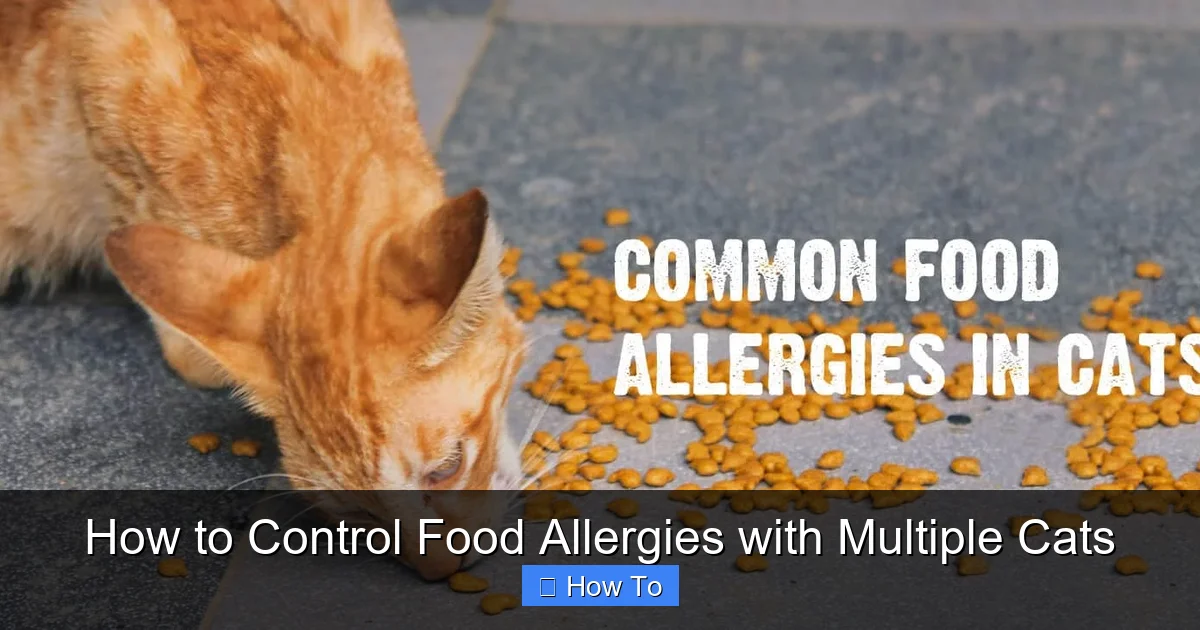
Visual guide about How to Control Food Allergies with Multiple Cats
Image source: rawznaturalpetfood.com
Before you can treat food allergies, you need to know what you’re dealing with. Unlike humans, cats don’t always show obvious signs like sneezing or watery eyes. Instead, food allergies often manifest through skin and digestive issues.
Common symptoms include:
- Persistent itching, especially around the face, ears, and paws
- Hair loss or bald patches from over-grooming
- Red, inflamed skin or rashes
- Chronic ear infections
- Vomiting or diarrhea (especially if it happens frequently)
- Excessive licking or chewing at paws
It’s important to note that these symptoms can also be caused by environmental allergies, parasites, or other health issues. That’s why it’s crucial not to self-diagnose. If you notice any of these signs in one or more of your cats, schedule a visit with your veterinarian.
Track Symptoms Over Time
Keep a simple journal for each cat. Note the date, what they ate, and any symptoms that appeared. For example:
- “March 5: Whiskers ate salmon kibble. Developed itchy ears by evening.”
- “March 7: Mittens vomited after breakfast. Food was chicken-based.”
This record will help your vet identify patterns and narrow down potential allergens.
Step 2: Consult Your Veterinarian
Never start a new diet or eliminate foods without professional guidance. Your vet will help determine whether your cat’s symptoms are truly due to food allergies or another condition.
Diagnostic Options
Your vet may recommend one or more of the following:
- Elimination diet trial: This is the gold standard for diagnosing food allergies. Your cat eats a limited-ingredient diet with a novel protein (like duck, rabbit, or venison) and a single carbohydrate (like sweet potato) for 8–12 weeks. No treats, table scraps, or flavored medications are allowed.
- Blood or skin tests: While these can detect sensitivities, they’re not always reliable for food allergies and are more useful for environmental allergens.
- Fecal exams and parasite checks: To rule out infections or worms that could mimic allergy symptoms.
During the elimination diet, all cats in the household must follow the same restricted diet—even if only one is suspected of having allergies. Why? Because food particles from one cat’s bowl can end up in another’s mouth during grooming or shared play.
What to Expect at the Vet Visit
Come prepared with your symptom journal and a list of all foods, treats, and supplements your cats currently consume. Your vet may also ask about your cats’ environment, litter type, and cleaning products, as these can sometimes contribute to skin irritation.
Step 3: Choose the Right Diet for Each Cat
Once your vet confirms a food allergy, it’s time to select a suitable diet. In a multi-cat home, this can be tricky—especially if each cat has different sensitivities.
Types of Allergy-Friendly Cat Foods
- Novel protein diets: These use proteins your cat has never eaten before, such as duck, kangaroo, or rabbit. Since the immune system hasn’t been exposed, it’s less likely to react.
- Hydrolyzed protein diets: The proteins are broken down into tiny molecules that the immune system doesn’t recognize as allergens. These are often prescription-only and highly effective.
- Grain-free or limited-ingredient diets: These reduce the number of potential triggers, but note that true grain allergies are rare in cats—most react to proteins, not grains.
Always choose high-quality brands with transparent ingredient lists. Avoid foods with artificial additives, fillers, or by-products.
Feeding Multiple Cats with Different Needs
If one cat needs a duck-based diet and another needs hydrolyzed protein, you’ll need to manage their meals carefully. Here’s how:
- Feed each cat in a separate, quiet room during meal times.
- Use labeled bowls to avoid mix-ups.
- Supervise meals to ensure no cat steals food from another.
- After eating, pick up all bowls immediately to prevent scavenging.
For example, you might feed Whiskers in the kitchen and Mittens in the living room, each with their own designated bowl and diet.
Step 4: Create Safe Feeding Zones
In a multi-cat household, cross-contamination is a real risk. Even tiny crumbs or saliva from one cat’s bowl can trigger a reaction in a sensitive cat.
Designate Individual Feeding Stations
Set up separate feeding areas for each cat. Ideally, these should be:
- Quiet and low-traffic
- Easy to clean
- Far enough apart to prevent food stealing
Use baby gates, pet barriers, or closed doors to keep cats separated during meals. If space is limited, consider feeding at different times.
Use Timed Feeders for Precision
Automatic feeders with timers can help ensure each cat gets the right food at the right time. Some models even have microchip recognition, so only the designated cat can access their meal. This is especially helpful if you’re away during the day.
For example, a microchip-activated feeder can be programmed to open only when Whiskers approaches, ensuring he gets his hypoallergenic diet without interference.
Clean Bowls and Surfaces Daily
Wash food and water bowls with hot, soapy water after every meal. Residual food particles can harbor bacteria and allergens. Avoid using harsh chemicals—opt for pet-safe dish soap or vinegar solutions.
Also, wipe down feeding areas regularly to remove dust, dander, and food debris.
Step 5: Manage Treats and Supplements
Treats are a common hidden source of allergens. Even if your cat’s main food is safe, a single treat with chicken or dairy could trigger a reaction.
Choose Hypoallergenic Treats
Look for treats made with the same novel or hydrolyzed protein as your cat’s diet. Many prescription diets come with matching treats. Alternatively, make your own using vet-approved recipes.
For example, you can bake small pieces of cooked rabbit or duck (no seasoning) as a safe treat.
Read Labels Carefully
Always check treat ingredients. Words like “meat by-products,” “animal digest,” or “natural flavors” can be vague and may contain allergens.
Avoid Flavored Medications
Some flea preventatives, dewormers, and vitamins are flavored with fish, chicken, or beef. If your cat has a known allergy, ask your vet for unflavored or alternative options.
Step 6: Maintain a Consistent Routine
Cats thrive on routine, and sudden changes can stress them out—potentially worsening allergy symptoms. Stick to the same feeding times, diets, and environments as much as possible.
Gradual Transitions
If you need to switch foods, do it slowly over 7–10 days. Mix increasing amounts of the new food with the old, allowing your cat’s digestive system to adjust.
For example:
- Days 1–2: 25% new food, 75% old
- Days 3–4: 50% new, 50% old
- Days 5–6: 75% new, 25% old
- Day 7+: 100% new food
This reduces the risk of digestive upset and helps your cat accept the new diet.
Monitor for Stress
Stress can weaken the immune system and make allergies worse. Signs of stress in cats include hiding, aggression, over-grooming, or changes in litter box habits.
To reduce stress:
- Provide vertical spaces like cat trees or shelves
- Use pheromone diffusers (like Feliway)
- Maintain a quiet, predictable environment
- Give each cat individual attention and playtime
Step 7: Keep a Food and Symptom Journal
Tracking your cats’ progress is essential for long-term management. A detailed journal helps you and your vet see what’s working and what isn’t.
What to Include
For each cat, record:
- Date and time of meals
- Type and brand of food
- Any treats or supplements given
- Symptoms observed (itching, vomiting, etc.)
- Behavioral changes
You can use a notebook, spreadsheet, or a pet health app. Review the journal weekly to spot trends.
Example Entry
March 10: Whiskers – Ate duck and sweet potato kibble at 7 AM and 6 PM. No treats. Mild itching around ears in the afternoon. Mittens – Ate hydrolyzed protein food. No symptoms. Both cats used separate bowls in different rooms.
Over time, this record will show whether the new diet is helping and whether any adjustments are needed.
Step 8: Reintroduce Foods (If Appropriate)
After 8–12 weeks on an elimination diet, your vet may recommend a “provocation test” to confirm the allergen. This involves slowly reintroducing suspected foods one at a time and monitoring for reactions.
How It Works
- Start with one ingredient (e.g., chicken).
- Feed it for 1–2 weeks while watching for symptoms.
- If no reaction, try the next ingredient (e.g., fish).
- If a reaction occurs, stop immediately and return to the safe diet.
This process helps pinpoint the exact trigger so you can avoid it long-term.
Important Notes
Only do this under veterinary supervision. Never reintroduce multiple foods at once, as it will be impossible to identify the culprit.
Troubleshooting Common Challenges
Even with the best plans, issues can arise. Here’s how to handle common problems:
One Cat Keeps Stealing Food
- Feed cats in separate rooms with closed doors.
- Use microchip feeders to restrict access.
- Increase play and enrichment to reduce food-motivated behavior.
Cat Refuses the New Diet
- Warm the food slightly to enhance aroma.
- Mix in a small amount of low-sodium broth (check for allergens).
- Offer the food at room temperature, not cold from the fridge.
- Be patient—some cats take days or weeks to accept new food.
Symptoms Don’t Improve
- Re-evaluate for hidden allergens (treats, flavored meds, shared bowls).
- Consider environmental triggers like pollen or dust.
- Ask your vet about additional testing or medication.
Multiple Cats Show Symptoms
- Ensure all cats are on the elimination diet during the trial.
- Check for cross-contamination in feeding areas.
- Rule out contagious conditions like ringworm or parasites.
Long-Term Management and Prevention
Once you’ve identified and controlled your cats’ food allergies, the goal is to maintain a stable, allergen-free environment.
Stick to Safe Diets
Avoid rotating foods frequently, as this increases exposure to potential allergens. Once you find a diet that works, stick with it.
Regular Vet Checkups
Schedule annual or biannual visits to monitor your cats’ health and catch any new issues early.
Educate Everyone in the Household
Make sure all family members understand the importance of not giving table scraps or unauthorized treats. Post a list of safe foods and feeding rules in the kitchen.
Prepare for Emergencies
Keep a supply of your cats’ prescribed food on hand. If you travel, bring enough food and treats to last the entire trip—don’t rely on finding the same brand locally.
Conclusion
Controlling food allergies with multiple cats requires patience, organization, and teamwork—with your vet and your household. But the effort is worth it. By recognizing symptoms early, working with a professional, feeding cats separately, and maintaining a consistent routine, you can significantly improve your cats’ quality of life.
Remember, every cat is different. What works for one may not work for another. Stay observant, keep detailed records, and don’t hesitate to seek help when needed. With the right approach, you can create a peaceful, allergy-friendly home where all your cats thrive.