
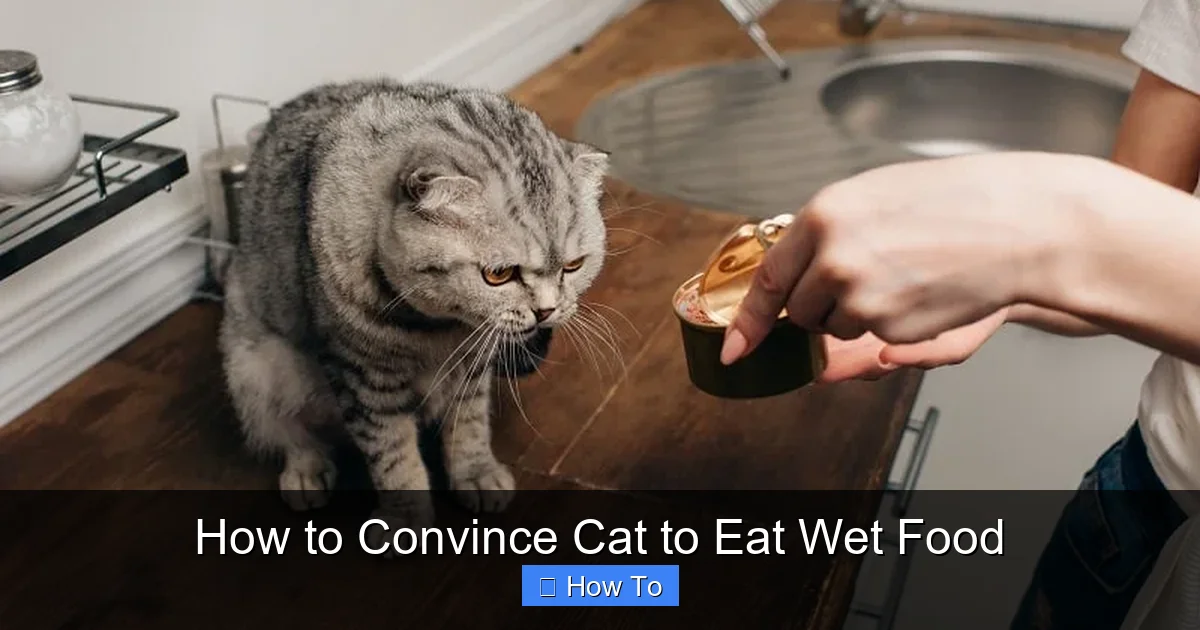
Struggling to get your cat to eat wet food? This guide walks you through gentle, effective strategies to transition your feline friend from dry kibble to delicious, nutritious wet meals. From warming the food to mixing flavors, we cover everything you need for a smooth switch.
Key Takeaways
- Start slow: Gradually mix wet food with dry kibble to help your cat adjust without stress.
- Warm it up: Slightly warming wet food enhances aroma, making it more appealing to cats.
- Experiment with textures: Try pâté, shreds, or gravy-based options to find your cat’s favorite.
- Stick to a routine: Feed at the same times daily to build trust and appetite.
- Use high-value toppers: Add tuna juice, bone broth, or freeze-dried meat to entice hesitant eaters.
- Be patient and consistent: Some cats take weeks to accept new food—don’t give up too soon.
- Consult your vet: Rule out medical issues if your cat refuses food for more than 24–48 hours.
How to Convince Cat to Eat Wet Food: A Complete Guide
If you’ve ever stood over your cat’s food bowl, watching them sniff, walk away, and then stare at you like you’ve betrayed them, you’re not alone. Many cat parents want to switch their furry friends to wet food for better hydration, nutrition, and long-term health—but getting a picky feline to cooperate can feel like a mission impossible.
The good news? With patience, strategy, and a little creativity, you can successfully convince your cat to eat wet food. Whether your cat has been on dry kibble their whole life or they’re just suspicious of anything that isn’t crunchy, this step-by-step guide will help you make the transition smooth, stress-free, and even enjoyable.
In this guide, you’ll learn why wet food is beneficial, how to introduce it gradually, and what to do if your cat turns up their nose. We’ll cover everything from warming techniques to flavor hacks, troubleshooting common issues, and knowing when to call the vet. By the end, you’ll have the tools to turn mealtime into a happy, healthy experience for both you and your cat.
Let’s dive in.
Why Switch to Wet Food?
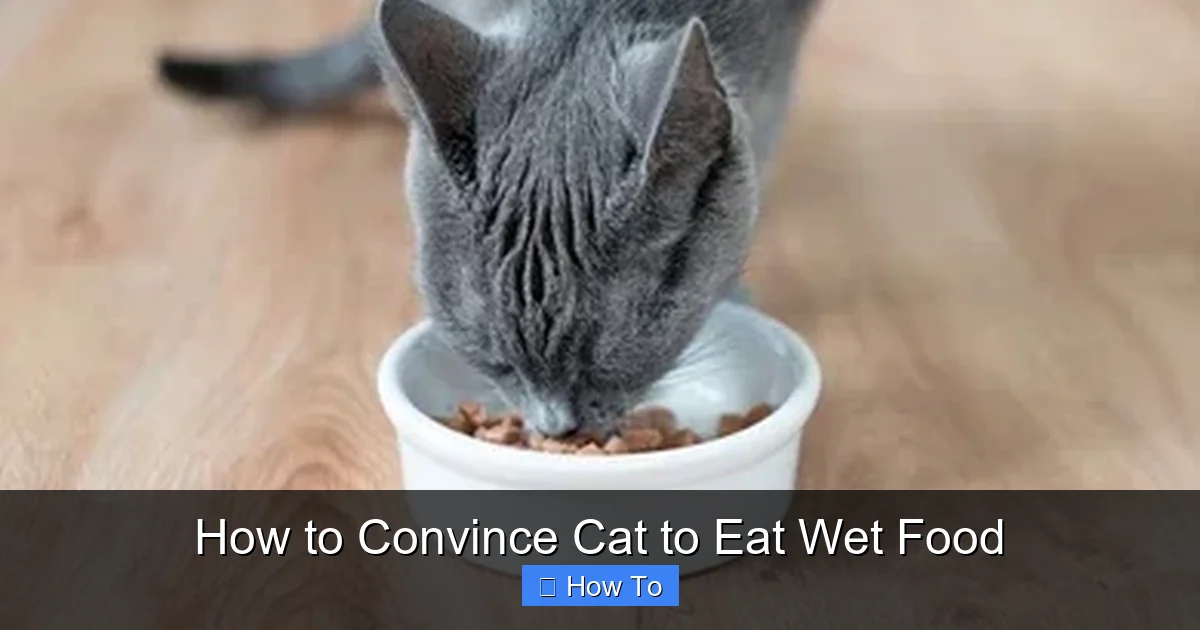
Visual guide about How to Convince Cat to Eat Wet Food
Image source: shutterstock.com
Before we get into the “how,” let’s talk about the “why.” Wet food offers several advantages over dry kibble, especially when it comes to your cat’s overall health.
Cats are naturally desert animals, which means they evolved to get most of their water from their prey. In the wild, a mouse is about 70% water—so domestic cats aren’t wired to drink large amounts of water on their own. Unfortunately, dry food contains only about 10% moisture, while wet food is typically 70–80% water. This makes wet food a much better option for keeping your cat hydrated.
Proper hydration is crucial for kidney and urinary tract health. Chronic dehydration can lead to urinary crystals, bladder infections, and even kidney disease—common issues in older cats. Wet food helps prevent these problems by increasing water intake naturally.
Wet food is also generally lower in carbohydrates and higher in animal-based protein, which aligns better with a cat’s natural diet. Many dry foods are packed with fillers like corn, wheat, and soy, which cats don’t digest well. Wet food, especially high-quality brands, tends to have simpler, more natural ingredients.
Additionally, wet food can help with weight management. Because it’s more filling and has fewer calories per volume, cats often eat less and feel satisfied longer. This is especially helpful for indoor cats who are prone to obesity.
Finally, wet food can be a lifesaver for senior cats or those with dental issues. Soft textures are easier to chew and swallow, making mealtime more comfortable.
So, while the switch might seem daunting, the long-term benefits make it well worth the effort.
Step 1: Choose the Right Wet Food
Not all wet food is created equal. The first step in convincing your cat to eat wet food is selecting a high-quality option that’s both nutritious and appealing.
Start by looking for brands that list a named animal protein as the first ingredient—like “chicken,” “turkey,” or “salmon”—not “meat by-products” or “animal digest.” Avoid foods with artificial colors, flavors, or preservatives like BHA, BHT, or ethoxyquin.
Consider your cat’s age, weight, and health needs. Kittens need higher calorie and nutrient content, while senior cats may benefit from formulas with joint support or lower phosphorus. If your cat has allergies or sensitivities, look for limited-ingredient diets or grain-free options.
Texture matters too. Some cats prefer smooth pâté, while others go wild for shreds in gravy or flaked fish. If you’re unsure, buy a variety pack with different textures and flavors to test. Small cans or single-serve pouches are great for sampling without waste.
Pro tip: Check the expiration date and store unopened cans in a cool, dry place. Once opened, refrigerate leftovers and use within 3–5 days.
Step 2: Start with a Gradual Transition
Cats are creatures of habit. Sudden changes in diet can upset their stomachs and make them even more resistant to new foods. That’s why a slow, gradual transition is key.
Begin by mixing a small amount of wet food into your cat’s regular dry kibble. Start with just a teaspoon of wet food per meal. Over the course of 7–10 days, gradually increase the ratio of wet to dry food.
Here’s a sample transition schedule:
- Days 1–2: 90% dry food, 10% wet food
- Days 3–4: 75% dry food, 25% wet food
- Days 5–6: 50% dry food, 50% wet food
- Days 7–8: 25% dry food, 75% wet food
- Day 9+: 100% wet food (if your cat is accepting it)
Some cats may take longer—up to 2–3 weeks—especially if they’ve been on dry food for years. That’s okay. Go at your cat’s pace. If they seem stressed or refuse to eat, slow down the process.
Mixing Tips
- Use a fork to mash the wet food into the dry kibble so it coats the pieces.
- If your cat only eats the wet bits and leaves the dry, try crushing the kibble into smaller pieces or switching to a softer kibble.
- Offer the mixed food at room temperature—cold food can be less appealing.
Step 3: Make Wet Food Irresistible
Even the best food won’t work if your cat isn’t interested. The goal is to make wet food smell and taste so good that your cat can’t resist.
Warm It Up
Cats have a strong sense of smell, and warming wet food releases its aroma, making it more enticing. Simply place the opened can or pouch in a bowl of warm water for 5–10 minutes, or microwave it for 5–10 seconds (stir well and test temperature—never serve hot food).
Avoid overheating, as it can destroy nutrients and create hot spots. The ideal temperature is slightly warmer than room temperature, around body heat.
Add Toppers
Toppers can turn a meh meal into a gourmet experience. Try these cat-approved add-ons:
- Tuna juice: Drain a small amount of water or oil from a can of tuna (in spring water, not oil or salt) and drizzle it over the food.
- Bone broth: Use a low-sodium, onion-free bone broth made for pets. Warm it slightly and mix it in.
- Freeze-dried meat: Crumble a small piece of freeze-dried chicken, salmon, or liver on top.
- Catnip or silvervine: Sprinkle a pinch over the food—some cats go wild for it.
- Plain cooked egg: Scramble a tiny bit of egg (no oil or seasoning) and mix it in.
Start with one topper at a time so you can tell what your cat likes best.
Try Different Textures and Flavors
If your cat rejects one type of wet food, don’t give up. Try another brand, flavor, or texture. Some cats prefer:
- Pâté: Smooth and easy to eat, great for kittens or senior cats.
- Shreds in gravy: Mimics the texture of fresh meat, often a favorite.
- Flaked: Similar to canned fish, appealing to seafood lovers.
- Chunks in sauce: Hearty and satisfying for larger cats.
Rotate flavors every few days to keep meals interesting and prevent boredom.
Step 4: Establish a Feeding Routine
Cats thrive on routine. Feeding at the same times each day helps regulate their appetite and reduces anxiety around food.
Most adult cats do well with two meals per day—once in the morning and once in the evening. Kittens may need three to four smaller meals.
Serve wet food fresh, not left out all day. Unlike dry kibble, wet food can spoil quickly and lose its appeal. If your cat doesn’t finish their meal within 30–60 minutes, remove the bowl and try again at the next feeding.
Portion Control
Follow the feeding guidelines on the can or pouch, but adjust based on your cat’s weight, activity level, and body condition. Overfeeding can lead to obesity, while underfeeding may cause weight loss.
Use a small kitchen scale for accuracy, or measure with a measuring cup. A typical 5.5-ounce can feeds one average adult cat per day, split into two meals.
Feeding Environment
Create a calm, quiet space for mealtime. Avoid feeding near litter boxes, noisy appliances, or high-traffic areas. Some cats prefer eating alone, while others enjoy company.
If you have multiple cats, consider feeding them in separate rooms to reduce competition and stress.
Step 5: Use Positive Reinforcement
Cats respond well to positive reinforcement. When your cat eats wet food—even just a few bites—praise them gently, offer a pet, or give a small treat (make sure it’s wet-food compatible or low-calorie).
Avoid forcing or scolding. Negative experiences can create food aversions that are hard to overcome.
Instead, make mealtime a positive experience. Sit nearby while they eat, speak in a calm voice, and stay relaxed. Your energy affects your cat’s.
Interactive Feeding
Turn meals into playtime with puzzle feeders or lick mats. Spread a small amount of wet food on a silicone lick mat or stuff it into a food-dispensing toy. This engages your cat’s natural hunting instincts and makes eating more fun.
Step 6: Monitor and Adjust
Every cat is different. Pay attention to your cat’s preferences, appetite, and behavior during the transition.
Keep a simple food journal to track:
- What food was offered
- How much was eaten
- Any toppers or mix-ins used
- Your cat’s reaction (eager, hesitant, refused)
This helps you identify patterns and make informed adjustments.
If your cat consistently refuses wet food, try:
- Switching brands or flavors
- Changing the texture
- Adjusting the temperature
- Offering smaller, more frequent meals
Troubleshooting Common Issues
Even with the best plan, you might run into challenges. Here’s how to handle common problems.
My Cat Won’t Eat Wet Food at All
If your cat refuses to touch wet food after several attempts, don’t panic. Some cats are simply more resistant. Try:
- Offering it on your finger or a spoon—some cats prefer hand-feeding at first.
- Placing a tiny bit on their paw—they’ll lick it off and may get curious.
- Using a different brand with a stronger smell, like fish-based formulas.
- Mixing in a high-value treat, such as pureed baby food (chicken or turkey, no onion or garlic).
If your cat hasn’t eaten for more than 24 hours, contact your vet immediately. Cats can develop serious liver issues (hepatic lipidosis) if they go without food for too long.
My Cat Only Eats the Topper
If your cat licks off the tuna juice or broth but leaves the food, they may be addicted to the flavor enhancer. Gradually reduce the amount of topper over time, or mix it more thoroughly so they have to eat the food to get it.
Alternatively, choose a wet food that already includes natural flavor enhancers, like real meat broth or fish oil.
My Cat Gets Diarrhea or Vomits
Sudden diet changes can upset your cat’s digestive system. If your cat experiences loose stools or vomiting, slow down the transition. Go back to a higher ratio of dry food and increase the wet portion more gradually.
Ensure the wet food is fresh and hasn’t spoiled. Some cats are sensitive to certain proteins or ingredients—try a different formula if symptoms persist.
My Cat Eats Wet Food but Then Stops
This could be due to boredom. Cats can get tired of the same flavor or texture. Rotate between 2–3 different types of wet food to keep things interesting.
Also, check the expiration date and storage. Old or improperly stored food can lose its appeal.
My Cat Prefers Dry Food
If your cat strongly prefers dry kibble, consider a hybrid approach. Feed wet food at one meal and dry at the other. This still increases hydration and provides variety.
Over time, you can gradually increase the wet food ratio as your cat becomes more accepting.
When to Consult Your Veterinarian
While picky eating is common, sudden or persistent refusal to eat can signal an underlying health issue. Contact your vet if your cat:
- Refuses food for more than 24–48 hours
- Shows signs of illness (lethargy, vomiting, diarrhea, weight loss)
- Has bad breath, drooling, or difficulty chewing
- Is drinking excessively or urinating more than usual
Medical conditions like dental disease, kidney issues, or gastrointestinal problems can affect appetite. Your vet can perform a check-up, run tests, and recommend a diet that supports your cat’s health.
Final Tips for Success
Switching your cat to wet food doesn’t have to be stressful. Keep these final tips in mind:
- Be patient: Some cats take weeks or even months to adjust.
- Stay consistent: Stick to your routine and don’t give up.
- Involve the whole household: Make sure everyone follows the same feeding plan.
- Celebrate small wins: Every bite counts!
- Focus on health, not speed: A slow transition is better than a rushed one.
Remember, every cat is unique. What works for one may not work for another. The key is to stay observant, flexible, and loving.
Conclusion
Convincing your cat to eat wet food is a journey—not a race. With the right approach, you can help your feline friend enjoy the benefits of a hydrating, nutritious diet that supports their long-term health.
Start by choosing a high-quality wet food, introduce it gradually, and make it as appealing as possible with warmth, toppers, and variety. Stick to a routine, use positive reinforcement, and monitor your cat’s progress. If challenges arise, troubleshoot with patience and consult your vet when needed.
Over time, your cat will likely come to love their new meals—and you’ll feel good knowing you’re giving them the best care possible. So take a deep breath, grab that can opener, and get ready to win over your picky eater. Mealtime success is within reach!