
Cooking food for cats at home can be a rewarding way to ensure your feline gets fresh, high-quality nutrition. This guide walks you through safe ingredients, balanced recipes, and step-by-step cooking methods to keep your cat healthy and happy.
Key Takeaways
- Always consult your vet first: Before switching to homemade cat food, talk to your veterinarian to ensure it meets your cat’s specific dietary needs, especially if they have health conditions.
- Balance is key: Cats require a precise balance of protein, taurine, fats, and vitamins. Missing essential nutrients can lead to serious health problems.
- Use only cat-safe ingredients: Avoid onions, garlic, chocolate, grapes, and dairy in large amounts. Stick to lean meats, certain vegetables, and supplements as needed.
- Cook thoroughly: Raw diets carry risks like bacteria and parasites. Cooking meat properly eliminates these dangers and makes digestion easier.
- Store meals safely: Homemade cat food spoils quickly. Refrigerate for up to 3 days or freeze in portions for longer storage.
- Introduce gradually: Transition your cat slowly from commercial to homemade food over 7–10 days to avoid digestive upset.
- Supplement wisely: Most homemade diets need added taurine, calcium, and omega-3s. Use vet-recommended supplements, not human-grade ones.
How to Cook Food for Cats: A Complete Guide
Welcome, cat parent! If you’ve ever wondered what’s really in that can of commercial cat food—or if you’re looking for a more natural, personalized way to feed your furry friend—you’re not alone. More pet owners are choosing to cook food for cats at home, and for good reason. Homemade meals can offer fresher ingredients, fewer fillers, and greater control over what your cat eats.
But here’s the catch: cooking food for cats isn’t as simple as tossing some chicken and rice in a pot. Cats are obligate carnivores, which means their bodies are built to thrive on a meat-based diet with very specific nutritional needs. Getting those needs right is crucial. This guide will walk you through everything you need to know—from choosing safe ingredients to preparing balanced meals your cat will love.
By the end of this guide, you’ll be able to confidently cook nutritious, vet-approved meals for your cat at home. We’ll cover essential nutrients, simple recipes, cooking techniques, storage tips, and how to avoid common mistakes. Let’s get started on the path to healthier, happier mealtimes for your feline companion.
Why Cook Food for Cats at Home?
You might be asking, “Isn’t commercial cat food good enough?” In many cases, yes—especially high-quality brands. But some cats have allergies, sensitivities, or medical conditions that make store-bought food less ideal. Others simply prefer the taste and texture of fresh food.

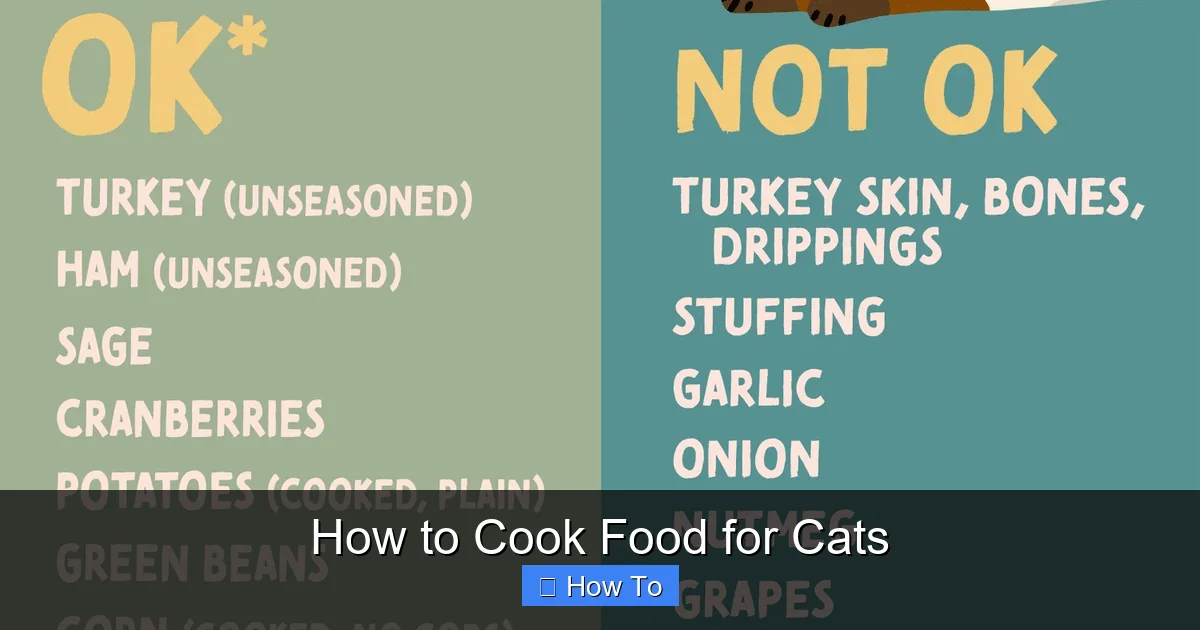
Visual guide about How to Cook Food for Cats
Image source: i.pinimg.com
Cooking at home allows you to:
- Control ingredients: Know exactly what’s going into your cat’s bowl—no mystery meats or artificial preservatives.
- Address health issues: Customize meals for kidney disease, diabetes, or food intolerances under veterinary guidance.
- Improve palatability: Some picky eaters respond better to warm, freshly cooked food.
- Reduce exposure to contaminants: Avoid recalls or low-quality ingredients sometimes found in mass-produced pet food.
That said, homemade diets require careful planning. Unlike dogs, cats can’t synthesize certain nutrients on their own. A deficiency—even for a short time—can lead to serious problems like heart disease or blindness. That’s why professional guidance is essential.
Essential Nutrients for Cats
Before you start cooking, it’s vital to understand what your cat needs to stay healthy. Here are the key nutrients every homemade cat meal should include:
Protein
Cats need high levels of animal-based protein to support muscle maintenance, energy, and organ function. Aim for at least 50–60% of the diet to come from meat sources like chicken, turkey, beef, or fish.
Taurine
This amino acid is non-negotiable. Without enough taurine, cats can develop heart disease (dilated cardiomyopathy) or lose their eyesight. Most meats contain some taurine, but cooking can destroy it. Always supplement with a vet-approved taurine powder.
Fats
Healthy fats provide energy and support skin, coat, and brain health. Look for sources like chicken fat, fish oil, or small amounts of olive oil. Omega-3 fatty acids (from fish) are especially beneficial.
Vitamins and Minerals
Cats need vitamin A (preformed, not beta-carotene), vitamin D, B vitamins, calcium, and phosphorus. Liver is a great source of vitamin A, but don’t overdo it—too much can cause toxicity. Calcium is critical for bone health and must be balanced with phosphorus (aim for a 1:1 to 1.2:1 ratio).
Water
Cats naturally have a low thirst drive. Wet food or broth-based meals help keep them hydrated, which is especially important for urinary health.
Remember: a balanced diet isn’t just about what you include—it’s also about what you leave out. Avoid grains as fillers (cats don’t need them), and never use ingredients toxic to cats like onions, garlic, chocolate, caffeine, alcohol, or xylitol.
Safe Ingredients for Homemade Cat Food
Now that you know what nutrients matter, let’s talk about safe, cat-friendly ingredients you can use in your recipes.
Proteins
- Chicken: Lean, easy to digest, and widely accepted. Use breast or thigh meat, cooked and unseasoned.
- Turkey: Similar to chicken, great for variety. Remove skin and bones.
- Beef: Use lean cuts like sirloin. Avoid fatty or processed meats.
- Lamb: A good alternative for cats with poultry sensitivities.
- Fish: Salmon, sardines, or mackerel are rich in omega-3s. Use in moderation—too much fish can lead to thiamine deficiency or mercury exposure. Always cook fish thoroughly.
- Eggs: Cooked eggs (scrambled or boiled) are a excellent protein boost. Never feed raw eggs regularly due to avidin, which can interfere with biotin absorption.
Organ Meats
Organ meats like liver and kidney are nutrient-dense but should make up no more than 10% of the total diet. Liver provides vitamin A and iron; kidney adds variety and flavor.
Vegetables (Optional)
While cats don’t need vegetables, small amounts can add fiber and nutrients. Safe options include:
- Steamed carrots (for beta-carotene, though cats can’t convert it well)
- Cooked pumpkin (great for digestion)
- Green beans or zucchini (low-calorie additions)
- Spinach or kale (in tiny amounts—oxalates can be problematic in large doses)
Always cook vegetables to improve digestibility. Never use onions, garlic, or chives—they’re toxic to cats.
Carbohydrates (Use Sparingly)
Cats don’t require carbs, but small amounts can help bind meals or add calories. Safe options include:
- Cooked brown rice
- Oatmeal (plain, no sugar)
- Quinoa
- Sweet potato (cooked and peeled)
Limit carbs to 10% or less of the total meal. Too many can lead to obesity or diabetes.
Supplements
Most homemade diets need supplementation. Essential additions include:
- Taurine powder: 250–500 mg per pound of food
- Calcium: Ground eggshells or calcium carbonate (about 800 mg per pound of meat)
- Fish oil: For omega-3s (follow dosage on the label)
- Vitamin E: To balance fish oil (about 10 IU per pound of food)
- Multivitamin for cats: Optional, but helpful for ensuring completeness
Always use pet-specific supplements. Human supplements may contain harmful additives or incorrect dosages.
Step-by-Step: How to Cook Food for Cats
Ready to start cooking? Follow these simple steps to prepare a balanced, safe meal for your cat.
Step 1: Consult Your Veterinarian
Before making any dietary changes, schedule a visit with your vet. Discuss your cat’s age, weight, activity level, and health history. Your vet may recommend a specific recipe or refer you to a veterinary nutritionist who can formulate a complete diet plan.
Step 2: Choose a Recipe
Start with a simple, vet-approved recipe. Here’s a basic chicken and rice recipe to get you started:
Simple Chicken & Rice Cat Food
- 1 pound boneless, skinless chicken breast or thigh
- 1/2 cup cooked brown rice
- 1/4 cup steamed carrots (chopped fine)
- 1/4 cup cooked pumpkin (plain, no spices)
- 1 teaspoon chicken fat or olive oil
- 1/2 teaspoon ground eggshell or calcium carbonate
- 250 mg taurine powder
- 100 mg fish oil (optional)
Step 3: Prepare the Ingredients
Wash your hands and all utensils. Chop the chicken into small, bite-sized pieces. Cook the rice according to package instructions. Steam or boil the carrots and pumpkin until soft.
Step 4: Cook the Meat
Place the chicken in a pot and cover with water. Bring to a boil, then reduce heat and simmer for 15–20 minutes until fully cooked. Do not add salt, spices, or oils. Once done, remove the chicken, let it cool, and shred or chop it finely.
Step 5: Combine and Supplement
In a large bowl, mix the cooked chicken, rice, vegetables, and oil. Sprinkle in the calcium and taurine. Stir well to distribute evenly. Taste isn’t important—your cat will do the judging!
Step 6: Portion and Serve
Divide the mixture into daily portions based on your cat’s weight and caloric needs (typically 20–30 calories per pound). Serve at room temperature or slightly warmed. Never microwave directly in plastic containers.
Step 7: Store Properly
Refrigerate unused portions in airtight containers for up to 3 days. For longer storage, freeze in silicone ice cube trays or small containers. Label with the date. Thaw in the fridge before serving.
Advanced Recipes for Variety
Once you’re comfortable with the basics, try rotating recipes to keep meals interesting and nutritionally diverse.
Turkey & Sweet Potato Recipe
- 1 pound ground turkey
- 1/2 cup cooked sweet potato (mashed)
- 1/4 cup steamed green beans
- 1 teaspoon fish oil
- 1/2 teaspoon calcium
- 250 mg taurine
Cook turkey in a non-stick pan until no longer pink. Mix with other ingredients and supplement as above.
Beef & Pumpkin Recipe
- 1 pound lean ground beef
- 1/2 cup cooked pumpkin
- 1/4 cup cooked quinoa
- 1 teaspoon olive oil
- 1/2 teaspoon calcium
- 250 mg taurine
Brown the beef, drain excess fat, and combine with other ingredients.
Fish & Rice Recipe (Occasional Use)
- 1/2 pound cooked salmon (boneless)
- 1/2 cup cooked brown rice
- 1/4 cup steamed zucchini
- 1 teaspoon fish oil
- 1/2 teaspoon calcium
- 250 mg taurine
- 10 IU vitamin E
Use fish no more than once or twice a week to avoid thiamine issues.
Rotate recipes every few days to provide variety and reduce the risk of nutrient imbalances.
Feeding Tips and Best Practices
Cooking is just one part of the process. How you feed your cat matters too.
Transition Slowly
If your cat is used to commercial food, don’t switch overnight. Mix 25% homemade with 75% old food for a few days, then increase the ratio gradually over 7–10 days. Watch for vomiting, diarrhea, or refusal to eat.
Monitor Your Cat’s Health
Keep an eye on weight, energy levels, coat condition, and litter box habits. Schedule regular vet check-ups to ensure the diet is working. Blood tests can help detect deficiencies early.
Hydration Matters
Even with wet homemade food, encourage water intake. Use a cat water fountain, add broth (low-sodium, onion-free) to meals, or offer water in multiple locations.
Avoid Common Mistakes
- Skipping supplements: Don’t assume meat alone is enough.
- Overfeeding treats: Treats should be less than 10% of daily calories.
- Using unsafe ingredients: Double-check every item before adding it.
- Ignoring portion sizes: Overfeeding leads to obesity.
- Storing improperly: Bacteria grow quickly in homemade food.
Troubleshooting Common Issues
Even with the best planning, problems can arise. Here’s how to handle them.
My Cat Won’t Eat the Homemade Food
Try warming it slightly (not hot), adding a sprinkle of tuna juice (diluted), or mixing in a small amount of their old food. Some cats prefer pâté-style textures—blend the mixture until smooth.
My Cat Has Diarrhea or Vomiting
This could be due to a sudden diet change, too much fat, or an ingredient intolerance. Go back to the old food, then reintroduce homemade meals more slowly. If symptoms persist, see your vet.
The Food Spoils Too Fast
Make smaller batches or freeze portions immediately. Use clean containers and avoid leaving food out for more than 2 hours.
I’m Worried About Nutrient Deficiencies
Work with a veterinary nutritionist to formulate a balanced recipe. Consider using a commercially available base mix (like Balance IT or JustFoodForDogs) that you supplement at home.
Can I Feed Raw Food Instead?
Raw diets (BARF) are popular but risky. They can contain harmful bacteria like Salmonella or E. coli, which endanger both cats and humans. If you choose raw, follow strict hygiene, use high-quality meat, and consult a vet. Cooking is safer and often easier to balance.
Conclusion
Cooking food for cats is a loving, proactive way to support your pet’s health—but it’s not a decision to take lightly. With the right knowledge, ingredients, and veterinary guidance, you can create delicious, nutritious meals that your cat will thrive on.
Remember: balance, safety, and consistency are key. Start simple, listen to your cat’s preferences, and never skip the supplements. Over time, you’ll gain confidence and may even enjoy the process as much as your feline does.
Your cat deserves the best. By taking the time to cook meals with care, you’re giving them more than food—you’re giving them a healthier, happier life.