

Cooking homemade cat food gives you control over your pet’s diet, ensuring fresh, high-quality ingredients. This guide walks you through safe recipes, essential nutrients, and feeding tips to keep your cat healthy and satisfied.
Key Takeaways
- Homemade cat food must be nutritionally complete: Cats need taurine, arachidonic acid, vitamin A, and other nutrients only found in animal-based proteins—plant-based diets are unsafe.
- Consult your veterinarian first: Before switching to homemade meals, talk to a vet or veterinary nutritionist to avoid deficiencies or health risks.
- Use balanced recipes from trusted sources: Rely on vet-approved recipes from organizations like the American College of Veterinary Nutrition (ACVN) or balanceit.com.
- Proper storage is critical: Cooked homemade cat food spoils quickly—refrigerate for up to 5 days or freeze in portions for longer storage.
- Transition gradually: Mix homemade food with your cat’s current diet over 7–10 days to prevent digestive upset.
- Supplements are often necessary: Most homemade recipes require added taurine, calcium, and omega-3s to meet feline dietary needs.
- Monitor your cat’s health: Watch for changes in weight, coat quality, energy, and litter box habits—adjust the diet as needed with professional guidance.
How to Cook Homemade Cat Food: A Complete Guide for Pet Parents
If you’ve ever looked at the back of a commercial cat food label and felt overwhelmed by unpronounceable ingredients, you’re not alone. Many cat owners are turning to homemade cat food to take control of what their furry friends eat. Cooking for your cat can be rewarding—it allows you to use fresh, high-quality ingredients and tailor meals to your pet’s preferences or health needs.
But here’s the important truth: cooking homemade cat food isn’t as simple as boiling some chicken and calling it a day. Cats have very specific nutritional requirements that differ greatly from dogs or humans. Getting it wrong can lead to serious health problems, including heart disease, blindness, or even death.
This guide will walk you through everything you need to know to safely and effectively prepare homemade cat food at home. You’ll learn the essentials of feline nutrition, how to choose the right ingredients, step-by-step cooking methods, and how to store meals properly. We’ll also cover common mistakes, troubleshooting tips, and when to involve your veterinarian.
By the end of this guide, you’ll have the knowledge and confidence to prepare balanced, delicious meals that support your cat’s long-term health—without the mystery ingredients.
Why Choose Homemade Cat Food?
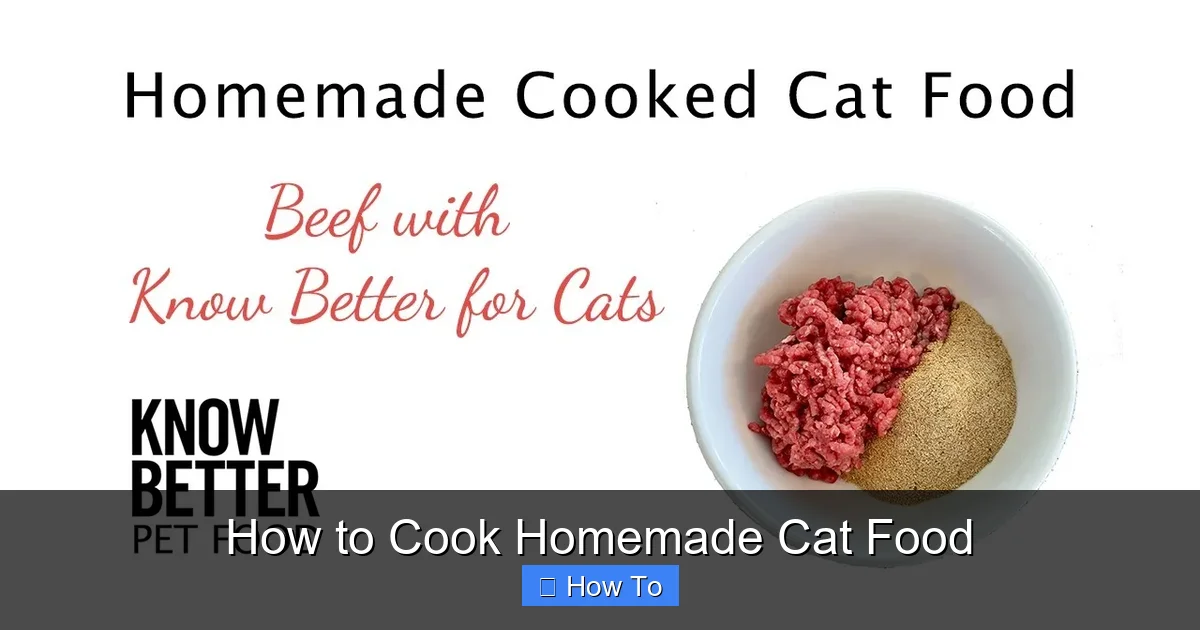
Visual guide about How to Cook Homemade Cat Food
Image source: i.ytimg.com
There are several reasons why pet parents consider switching to homemade meals:
- Ingredient transparency: You know exactly what’s going into your cat’s food—no fillers, by-products, or artificial preservatives.
- Allergy or sensitivity management: If your cat has food intolerances, homemade food lets you eliminate common triggers like grains, dairy, or certain proteins.
- Health conditions: Cats with kidney disease, diabetes, or urinary issues may benefit from a customized diet under veterinary supervision.
- Picky eaters: Some cats refuse commercial kibble or canned food but thrive on fresh, homemade meals.
- Peace of mind: Many owners feel more connected to their pets when they prepare meals from scratch.
However, homemade diets come with responsibilities. Unlike dogs, cats are obligate carnivores—they must eat meat to survive. They can’t synthesize certain nutrients on their own and must get them from animal sources. This makes balance and precision essential.
Understanding Feline Nutrition: What Cats Need to Thrive
Before you start cooking, it’s crucial to understand what makes a diet complete and balanced for cats. Here are the key nutrients every homemade cat food recipe must include:
Protein
Cats need high levels of animal-based protein—about 26–30% of their daily calories. Protein provides amino acids like taurine, arginine, and methionine, which are vital for heart function, vision, and immune health.
Taurine
This amino acid is non-negotiable. Without enough taurine, cats can develop dilated cardiomyopathy (a heart condition) or go blind. It’s found only in animal tissues—plant proteins don’t contain it. Most homemade recipes require a taurine supplement.
Fat
Fats provide energy and support skin, coat, and brain health. Cats need arachidonic acid (an omega-6 fatty acid) and linoleic acid, which they can only get from animal fats. Omega-3 fatty acids (like EPA and DHA) are also beneficial for reducing inflammation.
Vitamins and Minerals
Cats need preformed vitamin A (retinol), not beta-carotene (which they can’t convert efficiently). They also require vitamin D, vitamin E, B-complex vitamins, calcium, phosphorus, and magnesium. Imbalances—especially calcium-to-phosphorus ratios—can cause bone problems.
Water
Cats have a low thirst drive and often don’t drink enough water. Wet homemade food (with broth or added water) helps maintain hydration, which is especially important for urinary health.
Carbohydrates (in moderation)
Cats don’t need carbs, but small amounts from vegetables or grains are acceptable if properly cooked. Avoid high-carb diets, as they can contribute to obesity and diabetes.
Consult Your Veterinarian First
This cannot be stressed enough: always consult your vet before switching to homemade cat food. A general practitioner can assess your cat’s health, but for diet formulation, seek a board-certified veterinary nutritionist (ACVN diplomate). They can:
- Review your cat’s medical history and dietary needs
- Help you choose or customize a balanced recipe
- Recommend appropriate supplements
- Monitor your cat’s progress with regular check-ups and bloodwork
Never rely solely on internet recipes or anecdotal advice. What works for one cat may harm another.
Choosing the Right Ingredients
Quality matters. Use fresh, human-grade ingredients whenever possible. Here’s what to look for:
Protein Sources
- Chicken: A popular, lean option. Use breast, thigh, or a mix. Remove skin and bones.
- Turkey: Similar to chicken, great for variety.
- Beef: Use lean cuts like ground sirloin. Avoid fatty or processed meats.
- Lamb: Good for cats with poultry sensitivities.
- Fish: Use sparingly (no more than 10% of the diet). Salmon, sardines, or mackerel are rich in omega-3s but can cause thiamine deficiency if fed excessively. Avoid raw fish.
- Organ meats: Liver (chicken or beef) is rich in vitamin A and iron. Use in small amounts (5–10% of the recipe). Heart is muscle meat but also contains taurine—great to include.
Carbohydrate Sources (Optional)
- Cooked pumpkin: Adds fiber and helps with digestion.
- Sweet potato: Cooked and mashed, in small amounts.
- Brown rice or oats: Well-cooked and easy to digest.
Avoid onions, garlic, grapes, raisins, chocolate, caffeine, alcohol, and xylitol—these are toxic to cats.
Fats and Oils
- Coconut oil: In small amounts, supports skin and coat.
- Fish oil: Provides omega-3s. Use a high-quality, mercury-tested supplement.
- Chicken fat: Natural fat from cooking can be used in moderation.
Supplements
Most homemade recipes require added supplements to be complete. Common ones include:
- Taurine powder: Essential for heart and eye health.
- Calcium carbonate or eggshell powder: Balances phosphorus from meat.
- Vitamin E: An antioxidant that supports immune function.
- Omega-3 fatty acids: From fish oil or algae-based supplements.
- Multivitamin for cats: Only if recommended by your vet.
Never guess supplement amounts—follow vet-approved recipes or use a balancing service like BalanceIT or Pet Nutrition Alliance.
Basic Homemade Cat Food Recipe (Vet-Approved Template)
Here’s a simple, balanced recipe you can adapt with your vet’s guidance. This makes about 4–5 meals for a 10-pound cat.
Ingredients
- 1 cup cooked, ground chicken (or turkey)
- 1/4 cup cooked liver (chicken or beef)
- 1/4 cup cooked pumpkin or sweet potato (optional)
- 1/4 cup cooked brown rice or oats (optional)
- 1 teaspoon fish oil (or 1/4 teaspoon fish oil concentrate)
- 1/4 teaspoon taurine powder
- 1/4 teaspoon calcium carbonate (or 1/2 teaspoon ground eggshell)
- 1/8 teaspoon vitamin E oil (optional)
- Water or low-sodium chicken broth (as needed for moisture)
Instructions
- Cook the meat: Boil, bake, or steam the chicken and liver until fully cooked. Avoid frying or adding oil, salt, or seasonings.
- Grind or chop: Use a food processor to grind the meat and liver into a fine consistency. Some cats prefer small chunks—adjust to your cat’s preference.
- Cook the carbs (if using): Boil rice, oats, or sweet potato until soft. Mash or blend if needed.
- Mix everything: Combine meat, liver, carbs, and supplements in a bowl. Add water or broth to reach a pâté-like texture.
- Portion and store: Divide into single-serving containers. Refrigerate for up to 5 days or freeze for up to 3 months.
Serving Tips
- Serve at room temperature or slightly warmed (never hot).
- Start with small portions to test your cat’s acceptance.
- Gradually transition over 7–10 days by mixing with current food.
Step-by-Step Cooking Methods
There are several ways to prepare homemade cat food. Choose the method that fits your time, tools, and cat’s preferences.
Stovetop Cooking
- Best for small batches.
- Boil or simmer meat in water until fully cooked (no oil or salt).
- Drain and reserve broth for added moisture.
- Great for chicken, turkey, or fish.
Baking
- Preheat oven to 350°F (175°C).
- Place ground meat in a baking dish, cover with foil, and bake for 25–30 minutes.
- Drain excess fat and let cool before mixing.
- Ideal for larger batches.
Slow Cooker
- Add meat, water, and optional veggies to the slow cooker.
- Cook on low for 6–8 hours or high for 3–4 hours.
- Shred or blend after cooking.
- Convenient for meal prepping.
Raw Diets (Caution Advised)
Some owners feed raw meat diets (BARF—Biologically Appropriate Raw Food). While this may seem natural, it carries risks:
- Bacterial contamination (Salmonella, E. coli)
- Parasites in raw meat
- Difficulty achieving nutritional balance
- Potential for bone splintering
If you choose raw, work with a veterinary nutritionist and follow strict hygiene practices. Freeze meat for at least 72 hours before use to reduce parasite risk.
Storing Homemade Cat Food Safely
Proper storage prevents spoilage and foodborne illness.
Refrigeration
- Store in airtight containers.
- Use within 3–5 days.
- Label with date and ingredients.
Freezing
- Portion into ice cube trays or small containers.
- Freeze for up to 3 months.
- Thaw in the refrigerator overnight before serving.
- Do not refreeze thawed food.
Avoiding Cross-Contamination
- Wash hands, utensils, and surfaces with hot, soapy water.
- Use separate cutting boards for meat and veggies.
- Never leave food out for more than 2 hours at room temperature.
Transitioning Your Cat to Homemade Food
Sudden diet changes can cause vomiting, diarrhea, or refusal to eat. Follow this gradual transition plan:
- Days 1–2: 25% homemade, 75% current food
- Days 3–4: 50% homemade, 50% current food
- Days 5–6: 75% homemade, 25% current food
- Day 7+: 100% homemade
Monitor your cat closely. If they show signs of digestive upset (vomiting, diarrhea, lethargy), slow the transition or consult your vet.
Troubleshooting Common Issues
Even with the best planning, problems can arise. Here’s how to handle them:
My cat won’t eat the homemade food.
- Try warming it slightly to enhance aroma.
- Add a small amount of tuna juice or bone broth (low-sodium).
- Mix in a favorite treat or topper.
- Ensure the texture matches their preference (pâté, chunks, etc.).
My cat has diarrhea or vomiting.
- This may be due to a sudden diet change or imbalance.
- Slow the transition and check ingredient ratios.
- Ensure supplements are added correctly.
- Contact your vet if symptoms persist.
The food smells bad or spoils quickly.
- Use fresh ingredients and cook thoroughly.
- Avoid adding too much liver or fish.
- Store properly and don’t leave food out.
My cat is gaining or losing weight.
- Adjust portion sizes based on activity level and body condition.
- Weigh your cat regularly.
- Consult your vet to reassess caloric needs.
When to Avoid Homemade Cat Food
Homemade diets aren’t right for every cat or situation. Avoid them if:
- You don’t have time to prepare balanced meals consistently.
- Your cat has complex medical conditions requiring specialized diets.
- You’re unable to afford vet consultations or supplements.
- You’re feeding a kitten, pregnant, or nursing cat—these life stages have higher nutritional demands.
In these cases, high-quality commercial cat food may be a safer, more practical option.
Conclusion: Cooking with Care for Your Cat
Cooking homemade cat food is a meaningful way to show your love and commitment to your pet’s health. It gives you control over ingredients, supports dietary needs, and can strengthen your bond. But it’s not a decision to take lightly.
Success comes from education, planning, and professional guidance. Always work with your veterinarian, use balanced recipes, and monitor your cat’s health closely. With the right approach, homemade meals can be a safe, nutritious, and rewarding part of your cat’s life.
Remember: your cat depends on you for everything—including a diet that keeps them strong, happy, and thriving for years to come.