
Food aggression in cats is a common but manageable behavior rooted in fear, competition, or past trauma. This guide walks you through safe, science-backed strategies to help your cat eat peacefully and build trust around mealtime.
Key Takeaways
- Understand the root cause: Food aggression often stems from insecurity, past hunger, or competition with other pets.
- Never punish your cat: Scolding or physical correction increases fear and worsens aggression.
- Use gradual desensitization: Slowly reintroduce human presence during meals to build positive associations.
- Feed in separate, quiet spaces: Reduce stress by minimizing distractions and competition during feeding time.
- Implement structured routines: Consistent feeding schedules help cats feel secure and reduce anxiety.
- Use food puzzles and slow feeders: These tools reduce gulping and give cats a sense of control over their meals.
- Consult a vet or behaviorist if needed: Rule out medical issues and get professional support for severe cases.
How to Cure Food Aggression in Cats
If your cat growls, swats, or lunges when you approach their food bowl, you’re not alone. Food aggression in cats is more common than many pet owners realize—and it’s not just about being “mean.” In fact, it’s usually a sign of fear, anxiety, or past hardship. The good news? With patience, consistency, and the right approach, you can help your cat overcome this behavior and enjoy mealtime in peace.
In this guide, you’ll learn how to cure food aggression in cats using safe, proven methods backed by veterinary behaviorists and animal trainers. Whether your cat is a rescue with a tough past or a once-friendly kitty who’s suddenly become protective of their food, these steps will help you rebuild trust and create a calmer, happier feeding environment.
We’ll cover everything from understanding why food aggression happens to practical, day-to-day strategies you can start using today. By the end, you’ll have a clear plan to help your cat feel safe, reduce stress, and turn mealtime into a positive experience for both of you.
What Is Food Aggression in Cats?
Visual guide about How to Cure Food Aggression in Cats
Image source: cats.com
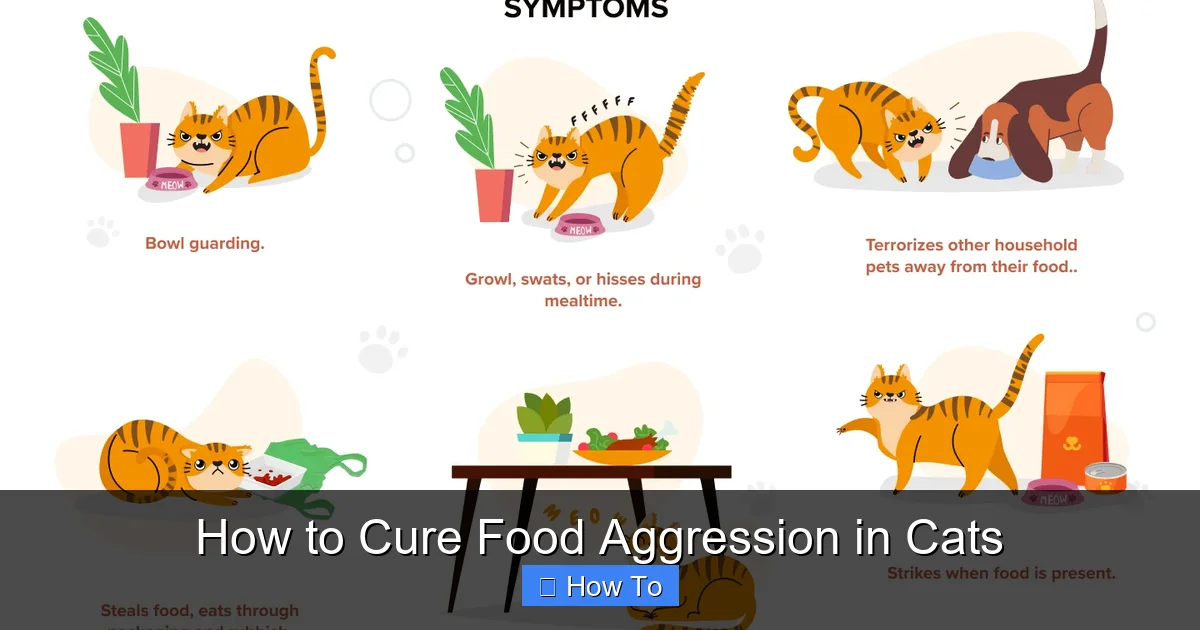
Food aggression—also known as resource guarding—occurs when a cat becomes defensive or aggressive when eating or when someone approaches their food. This can include behaviors like hissing, growling, swatting, biting, or even blocking access to the food bowl.
It’s important to note that food aggression is not the same as general aggression. It’s usually triggered specifically around food and is often a survival instinct. Cats are naturally cautious eaters in the wild, and they’ve evolved to protect their meals from competitors. In a home setting, this instinct can become exaggerated due to stress, past trauma, or environmental factors.
Common signs of food aggression include:
- Growling or hissing when you walk near the food bowl
- Staring intensely or blocking access to the food
- Swatting or lunging if you try to touch the bowl
- Eating very quickly or hiding while eating
- Becoming tense or stiff when someone approaches during meals
Recognizing these signs early is key. The sooner you address food aggression, the easier it is to correct.
Why Do Cats Develop Food Aggression?
Understanding the root cause of your cat’s behavior is the first step toward solving it. Food aggression doesn’t happen for no reason. It’s usually triggered by one or more of the following factors:
Past Trauma or Hunger
Many cats with food aggression have experienced periods of scarcity—whether in a shelter, on the streets, or in a previous home. If a cat has ever had to fight for food or gone hungry, they may develop a deep-seated fear of losing their next meal. This survival instinct can persist even in a safe, loving home.
Competition with Other Pets
In multi-cat households, food aggression is especially common. Cats may feel the need to guard their food if they’ve had to compete with other pets in the past. Even if there’s plenty of food now, the memory of competition can trigger defensive behavior.
Lack of Routine or Predictability
Cats thrive on routine. If feeding times are inconsistent or meals are unpredictable, a cat may feel anxious and protective of their food. They might eat quickly or guard their bowl because they’re unsure when the next meal will come.
Medical Issues
Sometimes, food aggression is a symptom of an underlying health problem. Conditions like dental pain, gastrointestinal issues, or hyperthyroidism can make eating uncomfortable or increase hunger. A cat in pain may become irritable or defensive when approached during meals.
Stress or Environmental Changes
Moving to a new home, introducing a new pet, or changes in the household can increase a cat’s anxiety. Food becomes a source of comfort, and they may guard it more closely during times of stress.
Learned Behavior
If a cat has successfully guarded their food in the past—by growling and getting their way—they may continue the behavior because it works. Reinforcement, even unintentional, can make the problem worse over time.
Step 1: Rule Out Medical Causes
Before you start behavioral training, it’s essential to rule out any medical issues that could be contributing to your cat’s aggression. Pain or discomfort while eating can make even the sweetest cat act out.
Schedule a Vet Visit
Take your cat to the veterinarian for a full checkup. Be sure to mention the food aggression and describe the behaviors in detail. Your vet may check for:
- Dental problems (like gingivitis or broken teeth)
- Digestive disorders (such as inflammatory bowel disease)
- Metabolic conditions (like hyperthyroidism or diabetes)
- Neurological issues
If a medical issue is found, treating it may significantly reduce or eliminate the aggression.
Monitor for Pain Signals
Watch for signs that your cat might be in pain during or after eating, such as:
- Chewing on one side of the mouth
- Drooling or dropping food
- Reluctance to eat hard food
- Swelling or redness in the mouth
If you notice any of these, contact your vet right away.
Step 2: Create a Safe, Predictable Feeding Environment
Once medical causes are ruled out, focus on creating a calm, secure environment for your cat during meals. Stress and unpredictability are major triggers for food aggression, so consistency and safety are key.
Feed at the Same Time Every Day
Cats feel more secure when they know what to expect. Establish a consistent feeding schedule—twice a day is ideal for most adult cats. Use an automatic feeder if you’re often away at mealtime, but only after your cat is comfortable with the routine.
Choose a Quiet, Private Location
Feed your cat in a low-traffic area where they won’t be disturbed. Avoid placing food bowls near loud appliances, doorways, or areas where other pets or children play. A quiet corner of a spare room or a closed-off space works well.
Use Separate Feeding Stations in Multi-Cat Homes
If you have more than one cat, feed them in separate rooms or at opposite ends of a large room. Use baby gates or barriers if needed. This reduces competition and gives each cat space to eat in peace.
Remove Distractions
Turn off the TV, avoid loud noises, and ask family members not to approach during meals. The goal is to make mealtime a calm, predictable ritual.
Step 3: Use Positive Reinforcement and Desensitization
The core of curing food aggression is changing your cat’s emotional response to people near their food. Instead of associating your presence with threat, they should learn to see it as a positive thing.
Start with Distance
Begin by standing far away from your cat while they eat—far enough that they don’t react. Toss a high-value treat (like cooked chicken or freeze-dried liver) toward them without making eye contact. The goal is to associate your presence with good things, not competition.
Gradually Decrease Distance
Over several days or weeks, slowly move closer during meals. Each time your cat eats calmly while you’re nearby, reward them with a treat. Go at your cat’s pace—some cats may take days, others weeks.
Pair Your Approach with Treats
Once you can stand a few feet away, start dropping treats near the bowl as you walk by. Eventually, try placing a treat in the bowl while your cat is eating. This teaches them that your hand near the food means good things happen.
Never Reach Into the Bowl
Avoid touching the food or moving the bowl while your cat is eating. This can trigger a defensive response. Instead, add food or treats from a distance.
Use a Clicker for Precision
If you’re familiar with clicker training, use it to mark calm behavior. Click and treat the moment your cat remains relaxed as you approach. This helps reinforce the desired behavior quickly.
Step 4: Slow Down Eating and Increase Control
Cats who eat too quickly are more likely to feel anxious and protective of their food. Slowing down their eating can reduce stress and give them a sense of control.
Use Puzzle Feeders or Slow Feed Bowls
These tools make eating more engaging and take longer. Food puzzles require cats to work for their meals, which satisfies their natural hunting instincts and reduces gulping.
Popular options include:
- Kong Wobbler
- Nina Ottosson puzzle toys
- Slow feed bowls with ridges or mazes
Start with easy puzzles and gradually increase difficulty as your cat gets the hang of it.
Hand-Feed Small Portions
For cats with severe anxiety, hand-feeding can build trust. Offer small pieces of food from your palm during meals. This creates a positive association with your presence and gives your cat control over when and how they eat.
Divide Meals into Smaller Portions
Instead of one large meal, offer several small meals throughout the day. This reduces the urgency to “guard” a big meal and keeps your cat feeling full and secure.
Step 5: Manage Multi-Cat Dynamics
If you have multiple cats, food aggression is often linked to competition. Even if all cats are fed the same amount, one may feel the need to protect their share.
Feed in Separate Rooms
The safest approach is to feed each cat in a separate, closed room. Use a baby monitor if you want to keep an eye on them. This eliminates competition and allows each cat to eat without stress.
Use Visual Barriers
If separate rooms aren’t possible, use baby gates, screens, or furniture to create visual barriers between feeding stations. Cats feel safer when they can’t see each other eating.
Feed at the Same Time, But Separately
Synchronize feeding times so all cats eat simultaneously, but in different areas. This prevents one cat from finishing early and trying to steal food.
Monitor Interactions
Watch for signs of tension, such as staring, posturing, or growling. If one cat consistently intimidates another, consult a behaviorist for tailored advice.
Step 6: Avoid Common Mistakes
When trying to cure food aggression, it’s easy to make unintentional mistakes that can make the problem worse. Avoid these common pitfalls:
Never Punish Your Cat
Yelling, spraying water, or physically intervening during a food-related incident will only increase fear and distrust. Punishment teaches your cat that you’re a threat, not a helper.
Don’t Rush the Process
Behavior change takes time. Some cats improve in weeks, others in months. Pushing too fast can cause setbacks. Always let your cat set the pace.
Avoid Free-Feeding Dry Food
While convenient, free-feeding can make food aggression worse. It removes structure and can lead to overeating or territorial behavior. Stick to scheduled meals.
Don’t Ignore Warning Signs
If your cat’s aggression escalates—such as biting, prolonged growling, or refusing to eat—stop and consult a professional. These may be signs of deeper anxiety or pain.
Troubleshooting Common Challenges
Even with the best plan, you may run into obstacles. Here’s how to handle common issues:
My Cat Still Growls When I Approach
Go back a step. Increase the distance between you and the food bowl. Use higher-value treats and go slower. Sometimes, cats need more time to feel safe.
My Cat Eats Too Fast and Then Guards the Bowl
Switch to a slow feeder or puzzle toy. You can also place a large, non-edible object (like a ball) in the bowl to force them to eat around it.
My Cat Won’t Eat in a Separate Room
Some cats are too anxious to eat when isolated. Try feeding in a quiet corner of a shared room with a visual barrier. Gradually increase privacy as they become more comfortable.
Another Pet Keeps Stealing Food
Use microchip-activated feeders that only open for the correct cat. These are especially helpful in multi-pet homes and are widely available in 2026.
My Cat’s Aggression Worsened After Starting Training
This can happen if the training is too intense. Pause and reassess. Consult a certified cat behaviorist for personalized guidance.
When to Seek Professional Help
While many cases of food aggression can be managed at home, some require professional support. Consider reaching out to a veterinarian or certified animal behaviorist if:
- Your cat has bitten or scratched you or another person
- The aggression is getting worse despite your efforts
- Your cat refuses to eat or shows signs of illness
- You feel overwhelmed or unsafe
A professional can assess your cat’s behavior, rule out medical issues, and create a customized behavior modification plan. In 2026, many vets offer telehealth consultations for behavioral concerns, making support more accessible than ever.
Conclusion
Curing food aggression in cats is not about forcing your cat to change—it’s about helping them feel safe, secure, and in control. With patience, consistency, and compassion, you can transform mealtime from a source of stress into a peaceful, positive experience.
Remember, every cat is different. What works for one may not work for another. The key is to stay calm, go at your cat’s pace, and celebrate small victories along the way. Over time, your cat will learn that food is abundant, competition is gone, and your presence is a gift—not a threat.
By following the steps in this guide, you’re not just fixing a behavior—you’re building a stronger, more trusting bond with your feline friend. And that’s something worth every effort.