
Dealing with a food obsessed cat requires patience, structure, and smart feeding strategies. This guide helps you manage your cat’s constant begging, overeating, and mealtime anxiety with proven techniques for long-term success.
Key Takeaways
- Establish a consistent feeding schedule: Regular mealtimes reduce anxiety and prevent overeating by creating predictable routines your cat can rely on.
- Use puzzle feeders and slow feeders: These tools slow down eating, boost mental stimulation, and satisfy your cat’s natural hunting instincts.
- Separate food from attention: Avoid reinforcing begging behavior by not giving in to demands—your cat will learn food only comes at scheduled times.
- Monitor portion sizes and nutrition: Overfeeding leads to weight gain and health issues; use vet-recommended portions and high-protein, low-carb foods.
- Increase play and environmental enrichment: Boredom often fuels food obsession; interactive play and climbing structures redirect focus away from food.
- Rule out medical causes: Sudden changes in appetite could signal health problems like hyperthyroidism—always consult your vet first.
- Be patient and consistent: Changing behavior takes time; stick to your plan even when your cat protests with meows or stares.
How to Deal with a Food Obsessed Cat
If your cat acts like they haven’t eaten in days—even right after a full meal—you’re not alone. In 2026, more cat owners than ever are dealing with food-obsessed felines. Whether it’s constant meowing at the pantry, stealing food from the table, or acting ravenous at 3 a.m., this behavior can be stressful for both you and your pet. The good news? With the right approach, you can help your cat develop healthier eating habits and reduce their fixation on food.
This guide will walk you through practical, science-backed steps to manage a food-obsessed cat. You’ll learn how to create a structured feeding routine, use enrichment tools to keep your cat mentally engaged, and address any underlying medical or emotional causes. By the end, you’ll have a clear plan to help your cat feel more secure, less anxious, and—most importantly—happier and healthier.
Let’s dive in.
Step 1: Understand Why Your Cat Is Food Obsessed
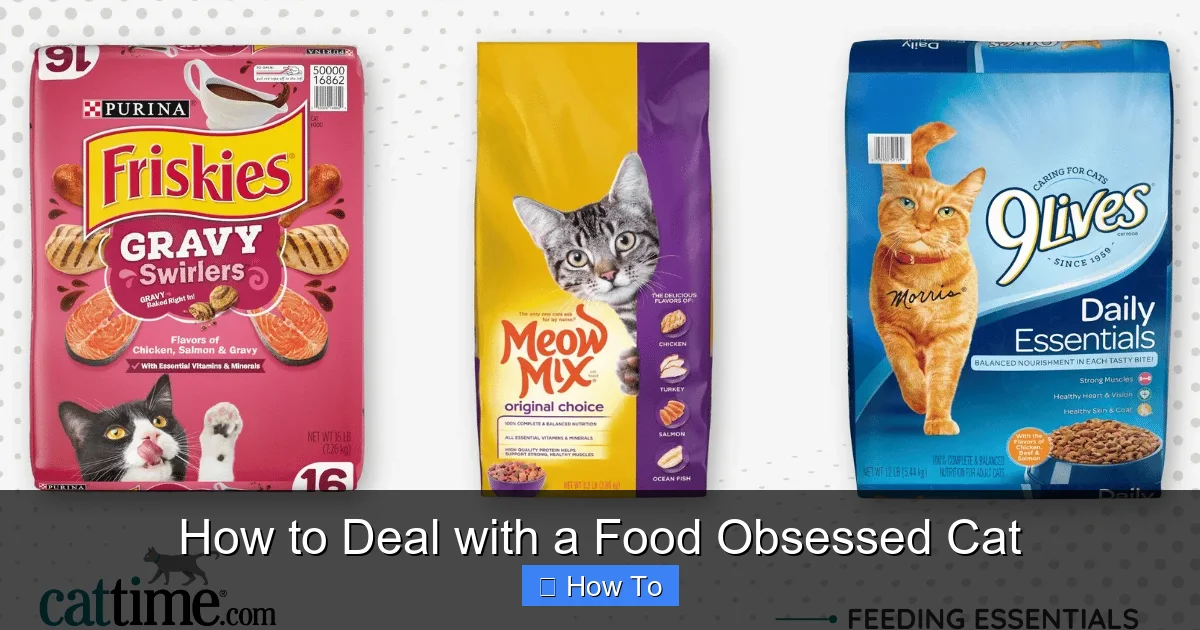
Visual guide about How to Deal with a Food Obsessed Cat
Image source: cattime.com
Before you can fix the problem, it’s important to understand why it’s happening. Cats are natural hunters, and their instincts drive them to seek food frequently. But when this behavior becomes obsessive, it’s often a sign of something deeper.
Common Causes of Food Obsession
- Boredom: Indoor cats with little stimulation may turn to food as entertainment. If your cat has nothing else to do, they’ll focus on the next meal.
- Anxiety or stress: Changes in the household—like a new pet, moving, or even a new work schedule—can make cats feel insecure. Food becomes a source of comfort.
- Past trauma or scarcity: Rescue cats or those who experienced food insecurity may hoard or obsess over food as a survival mechanism.
- Medical conditions: Hyperthyroidism, diabetes, or gastrointestinal issues can increase appetite. Always rule these out with a vet.
- Poor feeding routine: Free-feeding or irregular meals can confuse your cat’s internal clock, leading to constant hunger cues.
Observe Your Cat’s Behavior
Take note of when and how your cat acts food-obsessed. Do they beg only at certain times? Do they eat quickly and then act hungry again? Are they more active at night? These clues can help you pinpoint the root cause.
For example, if your cat meows loudly at 6 a.m. every day, they may have learned that noise gets them breakfast. If they steal food from your plate, they might be seeking variety or human interaction.
Understanding the “why” is the first step toward a solution.
Step 2: Establish a Consistent Feeding Schedule
One of the most effective ways to manage a food-obsessed cat is to create a predictable feeding routine. Cats thrive on consistency, and a set schedule helps regulate their hunger and reduces anxiety.
Switch from Free-Feeding to Scheduled Meals
If you’ve been leaving food out all day (free-feeding), it’s time to make a change. Free-feeding can lead to overeating, obesity, and a lack of structure. Instead, transition to two or three scheduled meals per day.
- Adult cats: Feed twice daily—once in the morning and once in the evening.
- Kittens or high-energy cats: May need three smaller meals to support growth and activity.
Start by offering meals at the same times each day. Use an alarm or phone reminder to stay consistent. Within a week, your cat will begin to anticipate mealtime, reducing random begging.
Use Meal Times to Build Positive Associations
Turn feeding into a positive experience. Call your cat to their eating area with a cheerful tone. Use a specific phrase like “Dinner time!” so they learn to associate it with food.
Avoid feeding your cat immediately after they beg. Wait until they’re calm. This teaches them that patience—not persistence—gets results.
Gradual Transition Tips
If your cat is used to free-feeding, don’t switch cold turkey. Gradually reduce the amount of food left out and increase the number of scheduled meals over 7–10 days.
For example:
- Days 1–3: Offer one scheduled meal and leave out slightly less food.
- Days 4–6: Offer two scheduled meals and remove food between meals.
- Day 7+: Stick to two or three meals with no food left out.
This gentle approach prevents hunger strikes and reduces stress.
Step 3: Use Puzzle Feeders and Slow Feeders
Food obsession often stems from boredom or the need for mental stimulation. Puzzle feeders and slow feeders are excellent tools to address both.
What Are Puzzle Feeders?
Puzzle feeders are interactive toys that require your cat to work for their food. They might roll a ball, slide a panel, or paw at a maze to release kibble. These devices mimic hunting behavior, satisfying your cat’s natural instincts.
Benefits of Puzzle Feeders
- Slows down eating: Prevents choking and digestive issues.
- Boosts mental health: Reduces boredom and anxiety.
- Increases activity: Encourages movement and play.
- Reduces food fixation: Shifts focus from “when’s the next meal?” to “how do I get this food?”
Types of Puzzle Feeders to Try
- Food balls: Round toys with holes that release kibble as your cat bats them around.
- Interactive mats: Silicone mats with grooves and pockets that hide food.
- Automatic feeders with puzzles: Smart feeders that dispense food only after your cat completes a task (popular in 2026 models).
- DIY options: Cut holes in a plastic bottle or use an egg carton to hide kibble.
Start with easy puzzles and gradually increase difficulty. Most cats adapt within a few days.
Slow Feeders for Fast Eaters
If your cat gulps down food in seconds, a slow feeder bowl can help. These bowls have ridges or mazes that force your cat to eat more slowly.
Look for BPA-free, dishwasher-safe options. Place the bowl in a quiet area to reduce distractions during meals.
Step 4: Separate Food from Attention
One of the biggest mistakes cat owners make is reinforcing begging behavior. If you give your cat food when they meow, they learn that noise = snacks.
Ignore Begging Behavior
When your cat begs—whether by meowing, pawing, or staring—do not respond. No eye contact, no talking, no treats. Wait until they stop before giving any attention.
This may be hard at first. Your cat might meow louder or try new tactics. Stay strong. Consistency is key.
Reward Calm Behavior
Instead of rewarding begging, reward calmness. When your cat sits quietly or plays with a toy, give them praise or a small treat (not from the human table!).
This teaches them that good behavior—not demands—gets results.
Avoid Table Scraps
Never feed your cat from your plate. Human food is often unhealthy for cats and encourages begging. Plus, it blurs the line between “pet” and “person.”
If your cat watches you eat, try feeding them in another room during your meals. This reduces temptation and reinforces boundaries.
Step 5: Monitor Portion Sizes and Nutrition
Overfeeding is a common cause of food obsession. Even if your cat acts hungry, they may already be eating enough—or too much.
Follow Vet-Recommended Portions
Your cat’s ideal portion depends on age, weight, activity level, and health. Most adult cats need about 200–300 calories per day.
Check the feeding guidelines on your cat food packaging, but always consult your vet for personalized advice. In 2026, many vets use digital tools to calculate precise calorie needs based on your cat’s profile.
Choose High-Quality, High-Protein Food
Cats are obligate carnivores, meaning they need meat to thrive. Look for foods with:
- Real meat as the first ingredient
- Low carbohydrates
- No fillers like corn or soy
- Added taurine and omega-3 fatty acids
High-protein diets keep cats fuller longer and support muscle health. Avoid “diet” or “light” foods unless prescribed by a vet—they often lack essential nutrients.
Use a Measuring Cup
Never eyeball portions. Use a dedicated measuring cup to ensure accuracy. Over time, you’ll develop a sense of the right amount, but precision matters.
Track Weight and Body Condition
Weigh your cat monthly. A healthy weight means you can feel their ribs but not see them. If your cat is gaining weight, reduce portions slightly and increase activity.
Use a body condition score (BCS) chart from your vet to assess their shape. A score of 5 out of 9 is ideal.
Step 6: Increase Play and Environmental Enrichment
A bored cat is a food-obsessed cat. Enrichment activities redirect their energy and reduce fixation on meals.
Daily Interactive Play
Set aside 10–15 minutes, twice a day, for interactive play. Use wand toys, laser pointers, or feather teasers to mimic prey.
Play before meals to simulate the “hunt-eat-groom-sleep” cycle. This satisfies your cat’s instincts and makes them more relaxed at mealtime.
Create a Stimulating Environment
Make your home more engaging with:
- Cat trees and climbing shelves
- Window perches with bird views
- Scratching posts and tunnels
- Rotating toys to prevent boredom
In 2026, smart cat furniture with built-in sensors and automated toys are gaining popularity. These devices respond to your cat’s movements, keeping them entertained even when you’re away.
Rotate Toys Weekly
Cats lose interest in toys quickly. Rotate them every few days to keep things fresh. Store unused toys out of sight so they feel “new” when reintroduced.
Step 7: Rule Out Medical Issues
If your cat’s food obsession starts suddenly or worsens, it could be medical. Always consult your vet before assuming it’s behavioral.
Common Medical Causes
- Hyperthyroidism: A common condition in older cats that increases appetite and metabolism.
- Diabetes: Causes excessive hunger and thirst.
- Intestinal parasites: Can lead to poor nutrient absorption and increased hunger.
- Pancreatic issues: Affect digestion and appetite regulation.
Your vet may recommend blood tests, urinalysis, or imaging to rule out these conditions.
When to See a Vet
Schedule a check-up if your cat:
- Eats more but loses weight
- Drinks excessive water
- Vomits frequently
- Has diarrhea or changes in litter box habits
Early detection improves outcomes and ensures your cat gets the right treatment.
Troubleshooting Common Challenges
Even with the best plan, you may face setbacks. Here’s how to handle common issues.
My Cat Still Begins Constantly
If your cat continues to beg despite a routine, double-check your consistency. Are you accidentally giving in? Are meals truly scheduled?
Try increasing playtime or using a puzzle feeder for every meal. Sometimes, a little extra mental stimulation is all it takes.
My Cat Refuses to Eat Scheduled Meals
This is rare but can happen during transitions. Ensure the food is fresh and appealing. Warm it slightly to enhance aroma.
If your cat skips a meal, don’t panic. Offer the next meal on schedule. Most cats adjust within a few days.
My Cat Steals Food from the Table
Keep counters and tables clear. Use deterrents like double-sided tape or motion-activated air sprays (pet-safe versions available in 2026).
Feed your cat in a separate room during family meals. Over time, they’ll learn that human food isn’t an option.
My Cat Eats Too Fast Even with a Slow Feeder
Try dividing their meal into smaller portions and feeding them in multiple locations. Use several puzzle toys around the house.
You can also feed wet food, which is harder to gulp and more satisfying.
Conclusion
Dealing with a food-obsessed cat isn’t about denying your pet—it’s about teaching them healthier habits and meeting their needs in better ways. By establishing a consistent feeding schedule, using puzzle feeders, separating food from attention, and enriching their environment, you can reduce obsessive behaviors and improve your cat’s overall well-being.
Remember, every cat is different. What works for one may not work for another. Be patient, stay consistent, and celebrate small wins. With time and effort, your food-obsessed feline can become a calm, content companion who enjoys meals—without the drama.
And always, always consult your vet if you’re unsure. In 2026, pet health technology is more advanced than ever, and your vet can offer personalized advice using the latest tools and research.
You’ve got this. Your cat is counting on you.