
Cat food aggression is a common but manageable behavior that can disrupt mealtime and household peace. This guide offers step-by-step solutions to reduce stress, improve feeding routines, and help your cat feel secure around food.
Key Takeaways
- Identify the signs early: Hissing, growling, swatting, or guarding food bowls are clear indicators of food aggression in cats.
- Rule out medical causes: Pain or illness can trigger aggression, so a vet check-up is essential before behavioral changes.
- Use slow feeding tools: Puzzle feeders and timed dispensers reduce competition and help cats eat calmly.
- Create a safe feeding space: Quiet, private areas with no distractions help anxious cats feel secure during meals.
- Feed on a consistent schedule: Predictable meal times reduce anxiety and prevent overeating or guarding behaviors.
- Avoid punishment: Yelling or physical corrections increase fear and worsen aggression over time.
- Consider professional help: A certified cat behaviorist can offer personalized plans for severe cases.
How to Deal with Cat Food Aggression
If your cat growls when you approach their food bowl, swats at other pets during meals, or acts tense around mealtime, you’re not alone. Food aggression in cats is more common than many owners realize—and it’s completely fixable with patience and the right approach. In this guide, you’ll learn how to deal with cat food aggression safely and effectively in 2026, using science-backed methods and real-world tips from veterinarians and animal behaviorists.
Whether your cat is new to your home or has been showing signs of food-related stress for years, this step-by-step plan will help you create a calmer, safer feeding environment. We’ll cover how to spot the signs, rule out health issues, adjust feeding routines, and use positive reinforcement to build trust. By the end, you’ll have a clear roadmap to reduce mealtime tension and help your cat feel secure around food.
What Is Cat Food Aggression?
Visual guide about How to Deal with Cat Food Aggression
Image source: twocrazycatladies.com
Cat food aggression—also known as resource guarding—happens when a cat becomes defensive or hostile around food. This behavior isn’t about being “mean.” It’s a survival instinct. In the wild, cats must protect their meals from competitors. Even domesticated cats can carry this instinct, especially if they’ve experienced hunger, competition, or trauma in the past.
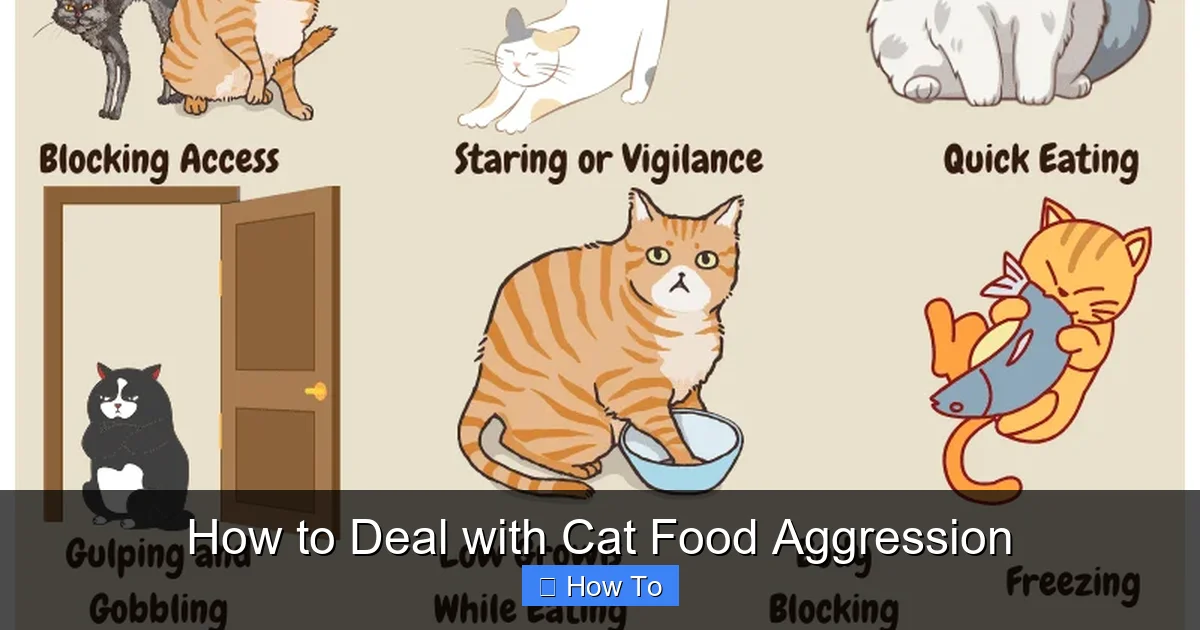
Common signs of food aggression include:
- Growling or hissing when someone approaches during eating
- Swatting or biting when you get near the food bowl
- Staring intensely or blocking access to the food
- Eating very quickly or hiding food to eat later
- Becoming tense or aggressive before meals, not just during
These behaviors can escalate if not addressed. A cat that feels unsafe around food may become more anxious, stressed, or even aggressive toward people or other pets. The good news? With consistent, gentle training, most cats can overcome food aggression and enjoy peaceful meals.
Why Do Cats Develop Food Aggression?
Understanding the root cause is the first step to solving the problem. Food aggression doesn’t happen overnight. It’s usually triggered by one or more underlying factors. Let’s look at the most common causes.
1. Past Trauma or Hunger
Cats that were stray, rescued from shelters, or lived in multi-cat homes with limited food may develop food aggression as a survival mechanism. If a cat has ever gone hungry or had to fight for food, they may guard their meals out of fear it will be taken away.
For example, a cat adopted from a high-stress environment might eat quickly and growl if you walk by—even years later. Their brain still remembers scarcity, even if their current life is safe and full.
2. Competition with Other Pets
In homes with multiple cats (or dogs), competition for food can trigger aggression. Even if all pets are fed at the same time, some cats feel the need to protect their portion. This is especially true if food bowls are placed too close together or if one pet eats faster than the others.
A 2025 study by the American Association of Feline Practitioners found that 68% of multi-pet households reported some level of food-related tension, with younger or more dominant cats often showing guarding behaviors.
3. Medical Issues
Pain, dental problems, or digestive issues can make eating uncomfortable. A cat in pain may become irritable or aggressive when approached during meals. Conditions like hyperthyroidism or gastrointestinal disorders can also increase hunger and anxiety around food.
Always rule out health problems first. A sudden change in eating behavior—especially aggression—should prompt a vet visit. Your veterinarian can check for oral pain, infections, or internal issues that might be contributing.
4. Inconsistent Feeding Routines
Cats thrive on routine. If meal times are unpredictable, a cat may feel anxious about when their next meal will come. This uncertainty can lead to overeating, food hiding, or aggression when food is finally presented.
For instance, a cat that’s fed at random times each day may start guarding their bowl because they’re never sure when they’ll eat again.
5. Lack of Safe Space
If a cat feels exposed or vulnerable while eating—such as in a busy kitchen or near loud appliances—they may become defensive. Cats prefer quiet, low-traffic areas where they can eat without being watched or disturbed.
A cat that eats in a high-traffic area may feel like they’re being watched or threatened, triggering a fight-or-flight response.
Step-by-Step Guide to Fixing Cat Food Aggression
Now that you understand the causes, let’s dive into the solution. Follow these steps in order for the best results. Be patient—behavior change takes time, especially with deeply ingrained instincts.
Step 1: Visit the Veterinarian
Before making any behavioral changes, schedule a full check-up with your vet. Explain the aggression and ask about possible medical causes. Your vet may recommend:
- A dental exam to check for tooth pain or gum disease
- Blood work to rule out thyroid issues or diabetes
- A fecal test to check for parasites
- Pain management if arthritis or injury is suspected
If a medical issue is found, treating it may resolve the aggression entirely. For example, a cat with a sore tooth may stop growling once the pain is managed.
Step 2: Establish a Consistent Feeding Schedule
Cats feel safer when they know what to expect. Feed your cat at the same times every day—ideally twice daily for adult cats. Avoid free-feeding (leaving food out all day), as it can increase anxiety and competition.
Use a timer or phone alarm to stay consistent. Over time, your cat will learn that food comes at predictable times, reducing the urge to guard or overeat.
Step 3: Create a Safe, Quiet Feeding Area
Choose a calm, low-traffic spot for meals. Avoid kitchens with loud appliances, busy hallways, or areas where other pets roam freely.
Tips for the perfect feeding zone:
- Use a quiet room like a spare bedroom or bathroom
- Place the food bowl away from walls so the cat can see the room
- Add a soft mat or towel under the bowl for comfort
- Close the door during meals to prevent interruptions
For multi-cat homes, give each cat their own feeding station in separate areas. This reduces competition and allows each pet to eat in peace.
Step 4: Use Slow Feeders and Puzzle Toys
Fast eating can trigger aggression, especially in cats that feel they need to “finish first.” Slow feeders and puzzle toys make mealtime more engaging and reduce the urge to guard.
Popular options include:
- Slow-feed bowls with ridges or mazes
- Food-dispensing balls that roll as the cat bats them
- Interactive puzzle feeders that require problem-solving
These tools not only slow down eating but also provide mental stimulation. A 2026 study from the University of California found that cats using puzzle feeders showed a 40% reduction in food-related stress behaviors.
Start with simple puzzles and gradually increase difficulty. Always supervise at first to ensure your cat can access the food.
Step 5: Practice Positive Reinforcement
Never punish your cat for growling or swatting. Punishment increases fear and can make aggression worse. Instead, use positive reinforcement to build trust.
Here’s how:
- Stand at a distance where your cat feels safe (no growling)
- Toss high-value treats (like cooked chicken or freeze-dried liver) toward the bowl
- Gradually move closer over several days or weeks
- Reward calm behavior with praise and treats
This technique, called “counter-conditioning,” helps your cat associate your presence with good things—not threats.
For example, if your cat growls when you’re 3 feet away, start by standing 6 feet away and tossing treats. Each day, move 6 inches closer. Over time, your cat will learn that you’re not a threat.
Step 6: Separate Multi-Pet Meals
If you have more than one pet, feed them in separate rooms. Use baby gates or closed doors to prevent visual contact during meals.
Feed the more anxious or aggressive cat first, then the others. This reduces tension and gives each pet space to eat without feeling watched.
You can also use timed feeders that open at different times, ensuring each cat gets their meal without competition.
Step 7: Monitor Progress and Adjust
Keep a simple journal to track your cat’s behavior. Note:
- Mealtime reactions (growling, eating speed, body language)
- Changes in aggression levels
- Any setbacks or improvements
Progress may be slow, and that’s okay. Some cats improve in a few weeks; others take months. Be consistent and celebrate small wins.
If your cat shows no improvement after 6–8 weeks, consider consulting a certified cat behaviorist. They can assess your home environment and create a personalized plan.
Troubleshooting Common Challenges
Even with the best plan, you might run into obstacles. Here’s how to handle common issues.
My Cat Still Eats Too Fast
If slow feeders aren’t enough, try dividing meals into smaller portions. Feed 3–4 small meals per day instead of 2 large ones. You can also use a timed automatic feeder to dispense tiny amounts at set intervals.
My Cat Hides Food
Food hiding is a sign of anxiety. It means your cat doesn’t feel safe eating in the open. Improve the feeding environment by making it quieter and more private. Avoid sudden movements or loud noises near the bowl.
My Cat Attacks Me During Meals
If your cat bites or swats aggressively, stop approaching during meals immediately. Use the positive reinforcement method from a distance. Never pull your hand away quickly—this can trigger a chase response. Instead, move slowly and calmly.
Other Pets Are Still Stressed
In multi-pet homes, stress can be contagious. If one cat is anxious, others may become tense too. Consider using pheromone diffusers like Feliway to reduce overall household anxiety. These mimic natural calming signals and can help all pets feel more relaxed.
When to Seek Professional Help
Most cases of food aggression improve with consistent training. But if your cat shows any of the following, it’s time to call in an expert:
- Frequent biting or scratching that draws blood
- Refusal to eat for more than 24 hours
- Sudden increase in aggression
- Signs of pain or illness (limping, drooling, weight loss)
A certified applied animal behaviorist (CAAB) or veterinary behaviorist can assess your cat’s environment, history, and behavior. They may recommend medication in severe cases, especially if anxiety is the root cause.
Medication isn’t a quick fix—it’s used alongside behavior modification to help your cat stay calm during training. Always work with a vet to ensure safe and effective treatment.
Preventing Food Aggression in Kittens and New Cats
The best way to deal with food aggression is to prevent it from developing. If you’re bringing home a new kitten or rescue cat, start these habits early:
- Feed on a strict schedule from day one
- Use puzzle feeders to encourage slow eating
- Approach the bowl calmly and reward with treats
- Avoid free-feeding, even if the cat seems hungry
- Socialize the cat to human presence during meals
For kittens, hand-feed small pieces of food to build positive associations with people near their meals. This helps them learn that humans are helpers, not threats.
Final Thoughts
Dealing with cat food aggression takes time, patience, and empathy. Remember: your cat isn’t being “bad.” They’re acting on instinct, fear, or past experiences. With the right approach, you can help them feel safe and secure around food.
Start with a vet visit, create a calm feeding routine, and use positive reinforcement to build trust. Avoid punishment, stay consistent, and celebrate progress—no matter how small.
By 2026, more pet owners are embracing science-based training methods that prioritize emotional well-being. You’re not just fixing a behavior—you’re improving your cat’s quality of life.
With love and consistency, your cat can learn to enjoy mealtime without fear or aggression. And that’s a win for both of you.