

If your cat is throwing up food after eating, it’s often due to eating too fast, dietary issues, or minor health concerns. This guide walks you through identifying the cause, making simple changes at home, and knowing when to see a vet—so your feline friend stays happy and healthy.
Key Takeaways
- Slow down eating: Use puzzle feeders or slow-feed bowls to prevent rapid consumption, a common cause of vomiting.
- Monitor food quality and portions: Choose high-quality, easily digestible cat food and avoid overfeeding or sudden diet changes.
- Rule out medical issues: Frequent vomiting may signal allergies, hairballs, or gastrointestinal problems—consult your vet if it happens more than once a week.
- Create a calm feeding environment: Reduce stress during mealtime by feeding in a quiet, safe space away from loud noises or other pets.
- Hydration matters: Ensure your cat drinks enough water; dehydration can worsen digestive issues and lead to vomiting.
- Track patterns: Keep a log of when vomiting occurs, what was eaten, and any behavior changes to help your vet diagnose the issue.
- Know when to act fast: Seek immediate veterinary care if vomiting includes blood, lethargy, or occurs multiple times in 24 hours.
How to Deal with Cat Throwing Up Food After Eating
Seeing your cat throw up food right after eating can be alarming—but in many cases, it’s not a sign of serious illness. In 2026, with advances in pet nutrition and veterinary care, most causes of post-meal vomiting are manageable at home or treatable with professional guidance. Whether your cat is a kitten, adult, or senior, understanding why this happens and how to respond is key to keeping them healthy and comfortable.
This comprehensive guide will walk you through everything you need to know: from common causes and immediate steps to take, to long-term prevention strategies and when to call the vet. By the end, you’ll feel confident in managing your cat’s digestive health and knowing exactly what to do when mealtime ends with a mess.
Why Is Your Cat Throwing Up Food After Eating?
Before jumping to conclusions, it’s important to understand that occasional vomiting—especially right after eating—is relatively common in cats. However, frequent or persistent vomiting is not normal and should be investigated. Let’s break down the most common reasons cats throw up food after meals.
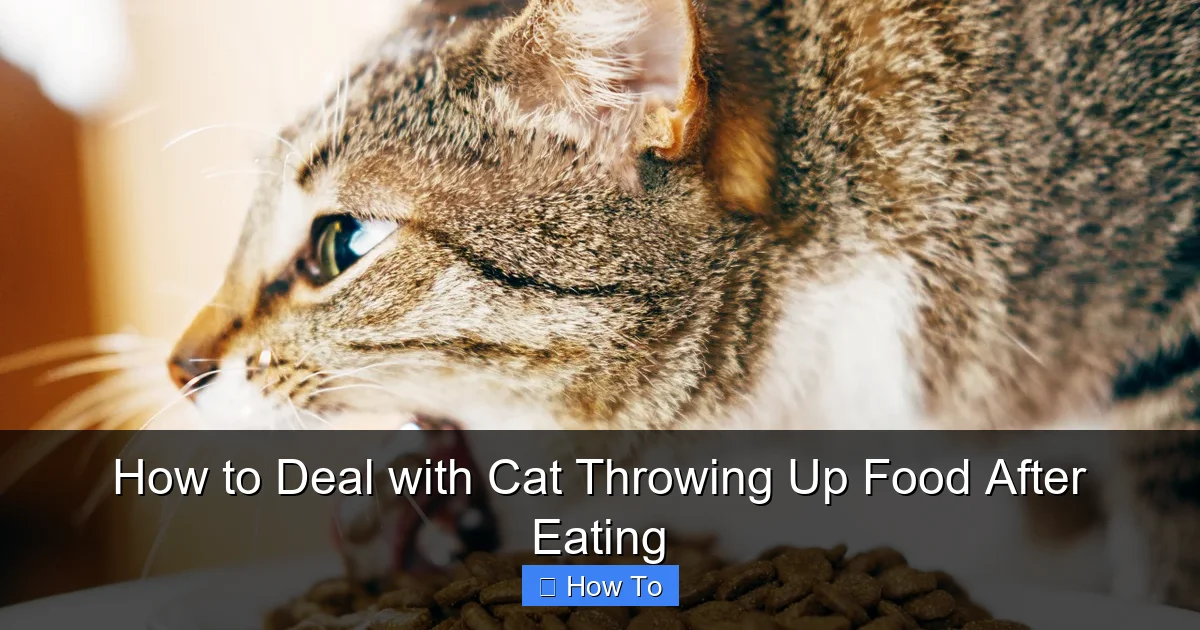
Visual guide about How to Deal with Cat Throwing Up Food After Eating
Image source: cdn.mos.cms.futurecdn.net
1. Eating Too Fast
This is the #1 cause of post-meal vomiting in cats. When cats gobble down their food quickly, they often swallow air along with large chunks of kibble or wet food. This leads to stomach distension and triggers the gag reflex. You might notice your cat eating in seconds flat, then pacing or retching shortly after.
Example: A 3-year-old tabby named Milo eats his breakfast in under 30 seconds and then vomits a tube-shaped mass of undigested food 10 minutes later. This is classic “rapid eater” behavior.
2. Overeating or Large Meal Portions
Cats have small stomachs—about the size of a ping-pong ball. Feeding one large meal instead of smaller, frequent portions can overwhelm their digestive system. Free-feeding (leaving food out all day) can also lead to overeating, especially in multi-cat households where competition drives faster consumption.
3. Dietary Changes or Low-Quality Food
Switching your cat’s food too quickly can upset their stomach. Even gradual transitions should take 7–10 days. Additionally, low-quality foods with fillers, artificial preservatives, or poor protein sources can be harder to digest, leading to regurgitation.
4. Hairballs
While hairballs usually cause vomiting of hair and mucus, they can sometimes include partially digested food—especially if the cat eats right after grooming. Long-haired breeds like Maine Coons or Persians are more prone to this.
5. Food Intolerances or Allergies
Just like humans, cats can develop sensitivities to certain ingredients—commonly chicken, beef, dairy, or grains. Symptoms may include vomiting, diarrhea, itchy skin, or ear infections. If vomiting happens consistently after eating a specific food, an allergy might be the culprit.
6. Underlying Medical Conditions
More serious causes include inflammatory bowel disease (IBD), pancreatitis, kidney disease, hyperthyroidism, or intestinal blockages. These often come with additional symptoms like weight loss, lethargy, or changes in appetite.
Step-by-Step: What to Do When Your Cat Throws Up After Eating
Stay calm—your cat can sense stress, and panic won’t help. Follow these steps to assess the situation and take appropriate action.
Step 1: Observe the Vomit
Take a close look at what came up. Is it undigested food? Partially digested? Foamy? Does it contain hair, blood, or foreign objects? Note the color, consistency, and timing.
- Undigested food in a tube shape: Likely regurgitation from eating too fast.
- Yellow or green bile: May indicate an empty stomach or digestive issue.
- Blood (pink or red): Seek veterinary care immediately.
- Whole kibble or chunks: Suggests rapid eating or esophageal issue.
Step 2: Monitor Your Cat’s Behavior
Is your cat acting normal? Eating, drinking, playing, and using the litter box as usual? Or are they hiding, lethargic, or refusing food? Normal behavior after a single vomit episode is usually a good sign.
Step 3: Withhold Food Temporarily (If Needed)
If your cat vomits once and seems otherwise fine, you can try a 12-hour fast (water only). This gives the stomach time to settle. After fasting, reintroduce small amounts of bland food like boiled chicken (no seasoning) or a vet-recommended gastrointestinal diet.
Tip: Never fast a kitten, diabetic cat, or senior cat without consulting your vet first.
Step 4: Resume Feeding Gradually
After the fast, feed small meals every 3–4 hours for 1–2 days. Gradually return to their regular diet over 3–5 days. This helps prevent another upset.
Step 5: Track Patterns
Keep a simple log: date, time, food type, amount, and whether vomiting occurred. This helps identify triggers and provides valuable info for your vet.
How to Prevent Cat Throwing Up Food After Eating
Prevention is always better than reaction. Here are proven strategies to reduce the chances of your cat vomiting after meals.
Use Slow-Feeder Bowls or Puzzle Toys
Slow-feed bowls have raised ridges or mazes that force your cat to eat around obstacles, slowing them down. Puzzle feeders add mental stimulation and make mealtime more engaging.
Example: The 2026 PetSafe® SmartSlow Bowl uses AI to adjust maze difficulty based on your cat’s eating speed, syncing with a mobile app to track progress.
Switch to Smaller, More Frequent Meals
Instead of one or two large meals, feed 3–4 small portions throughout the day. This mimics a cat’s natural grazing behavior and reduces stomach strain.
Pro tip: Use an automatic feeder with portion control to maintain consistency, especially if you’re away during the day.
Choose High-Quality, Digestible Food
Look for cat foods with real meat as the first ingredient, minimal fillers, and added probiotics for gut health. Brands like Royal Canin, Hill’s Science Diet, and Purina Pro Plan offer veterinary-formulated options for sensitive stomachs.
Avoid foods with corn, soy, artificial colors, or BHA/BHT. In 2026, many premium brands now use insect protein (like black soldier fly larvae) as a sustainable, hypoallergenic alternative.
Introduce Diet Changes Slowly
When switching foods, mix 25% new food with 75% old food for 2–3 days, then increase to 50/50, then 75/25, and finally 100% new food over 7–10 days. This prevents digestive upset.
Reduce Mealtime Stress
Cats are sensitive to their environment. Feed in a quiet, low-traffic area. If you have multiple cats, consider separate feeding stations to reduce competition and anxiety.
Bonus: Play calming music or use pheromone diffusers (like Feliway) during meals to create a relaxed atmosphere.
Brush Your Cat Regularly
Frequent brushing reduces hair ingestion and hairball formation. Use a deshedding tool 2–3 times a week, especially during shedding seasons.
Encourage Hydration
Dehydration can worsen digestive issues. Offer fresh water daily and consider a cat water fountain—many cats prefer running water. You can also add water or low-sodium broth to wet food to increase fluid intake.
When to See a Veterinarian
While occasional vomiting is usually harmless, certain signs mean it’s time to call the vet. Don’t wait if you notice any of the following:
- Vomiting more than once a week
- Vomit contains blood or looks like coffee grounds
- Your cat is lethargic, weak, or hiding
- Loss of appetite for more than 24 hours
- Weight loss or dehydration (check by gently pinching the skin—if it doesn’t snap back quickly, they may be dehydrated)
- Diarrhea, constipation, or straining in the litter box
- Swollen or painful abdomen
- Vomiting after every meal for 2–3 days
In 2026, many vets offer telehealth consultations for minor concerns, so you can get advice without leaving home. However, if your cat shows severe symptoms, visit an emergency clinic immediately.
Troubleshooting Common Scenarios
My Cat Vomits Every Morning After Breakfast
This could be due to eating too fast or an empty stomach overnight. Try feeding a small snack before bed and using a slow feeder in the morning. If it continues, ask your vet about bile reflux or gastritis.
My Kitten Throws Up After Eating
Kittens have sensitive digestive systems and may overeat or eat too quickly. Use smaller portions, slow feeders, and kitten-specific food. Avoid cow’s milk—it can cause diarrhea and vomiting.
My Senior Cat Is Vomiting More Often
Older cats are more prone to kidney disease, hyperthyroidism, and cancer. Regular vet checkups (every 6 months) are crucial. Ask about senior blood panels and abdominal ultrasounds.
My Cat Only Vomits When Eating Dry Food
This may indicate difficulty chewing or swallowing kibble. Try switching to wet food or soaking dry food in warm water to soften it. Dental issues could also be a factor—schedule a dental exam.
Home Remedies and Natural Solutions (Use with Caution)
While some natural remedies are popular, always consult your vet before trying them—especially with chronic conditions.
Pumpkin Puree
A teaspoon of plain, canned pumpkin (not pie filling) can aid digestion and firm up stools. It’s high in fiber and gentle on the stomach.
Probiotics
Vet-approved probiotic supplements (like Fortiflora) can support gut health. Look for strains specifically formulated for cats.
Slippery Elm Bark
This herbal remedy soothes the digestive tract. Use only under veterinary guidance, as it can interfere with medication absorption.
Warning: Never give human medications like Pepto-Bismol or Imodium to cats—they can be toxic.
Long-Term Management and Monitoring
For cats with recurring vomiting, long-term care is essential. Work with your vet to develop a management plan that may include:
- Prescription diets for sensitive stomachs or allergies
- Regular bloodwork and imaging to monitor organ function
- Medications for conditions like IBD or acid reflux
- Behavioral training to reduce stress-related eating
In 2026, wearable pet health monitors (like the Whistle GO Explore) can track your cat’s activity, eating habits, and even detect anomalies in digestion patterns, sending alerts to your phone.
Final Thoughts
Cat throwing up food after eating is rarely a cause for panic—but it’s always worth paying attention to. Most cases are preventable with simple changes like slowing down eating, improving diet quality, and reducing stress. However, don’t ignore persistent or severe symptoms. Your cat relies on you to notice when something’s off.
By staying informed, observant, and proactive, you can help your feline companion enjoy every meal without the mess. Remember: a healthy cat is a happy cat—and a happy cat means fewer surprises in the litter box… and on the living room floor.