

Detecting food allergies in cats can be tricky, but early recognition of symptoms like itchy skin, vomiting, or diarrhea is key. This guide walks you through proven methods—including elimination diets and vet consultations—to identify and manage your cat’s food sensitivities safely and effectively.
Key Takeaways
- Common symptoms include skin irritation, digestive issues, and chronic ear infections—watch for persistent itching, vomiting, or loose stools.
- Food allergies differ from food intolerances: allergies involve the immune system, while intolerances are digestive reactions without immune involvement.
- An elimination diet is the gold standard for diagnosis—remove all potential allergens for 8–12 weeks and reintroduce one ingredient at a time.
- Work closely with your veterinarian to rule out other conditions like parasites, infections, or environmental allergies.
- Common allergens in cat food include beef, dairy, fish, chicken, and grains like wheat or corn—even “natural” ingredients can trigger reactions.
- Hypoallergenic or novel protein diets can help during testing—options like rabbit, duck, or kangaroo are less likely to cause reactions.
- Keep a detailed food and symptom journal to track patterns and share accurate information with your vet.
How to Detect Food Allergies in Cats: A Complete 2026 Guide
If your cat is constantly scratching, vomiting, or has recurring ear infections, they might be suffering from a food allergy. Unlike humans who often show immediate reactions, cats can develop food sensitivities over time—sometimes after eating the same food for years. Detecting food allergies in cats isn’t always straightforward, but with patience, observation, and the right approach, you can pinpoint the culprit and help your feline friend feel better.
In this comprehensive guide, you’ll learn how to identify the signs of food allergies, understand the difference between allergies and intolerances, and follow a step-by-step process—including elimination diets and vet collaboration—to safely diagnose and manage your cat’s dietary sensitivities. Whether you’re a new cat parent or a seasoned pet owner, this 2026 update includes the latest veterinary insights and practical tools to support your cat’s health.
Understanding Food Allergies in Cats
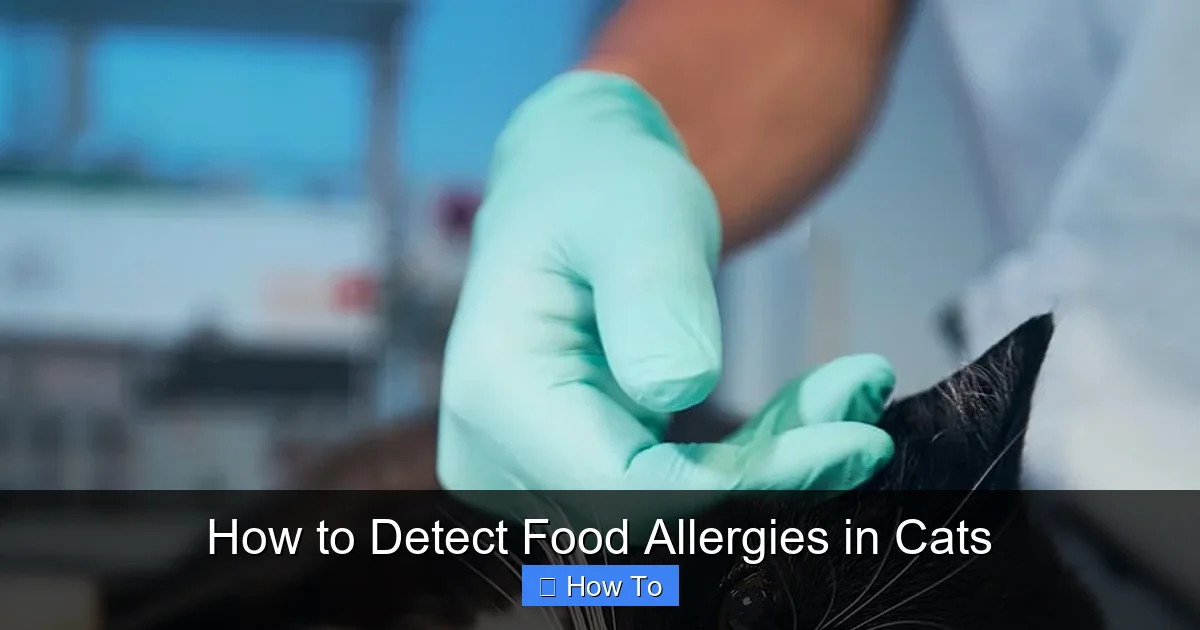
Visual guide about How to Detect Food Allergies in Cats
Image source: kittycounty.com
Before diving into detection methods, it’s important to understand what food allergies actually are. A food allergy occurs when your cat’s immune system mistakenly identifies a specific ingredient—usually a protein—as harmful. This triggers an immune response that leads to inflammation and uncomfortable symptoms.
Common allergens in cat food include:
- Beef
- Dairy products (milk, cheese, yogurt)
- Chicken
- Fish (especially salmon and tuna)
- Eggs
- Wheat, corn, and soy
Interestingly, cats can develop allergies to ingredients they’ve eaten for years. It’s not about the food being “bad”—it’s about the immune system becoming oversensitive over time.
Food Allergy vs. Food Intolerance
Many pet owners confuse food allergies with food intolerances. Here’s how they differ:
Food Allergy: Involves the immune system. Symptoms can include skin issues (itching, rashes, hair loss), gastrointestinal problems (vomiting, diarrhea), and even respiratory signs in rare cases. Reactions may not appear immediately and can develop gradually.
Food Intolerance: Does not involve the immune system. It’s a digestive issue—like lactose intolerance in humans. Symptoms are usually limited to the gut: gas, bloating, diarrhea, or vomiting shortly after eating.
Understanding this difference is crucial because treatment approaches vary. Allergies often require long-term dietary management, while intolerances may only need temporary adjustments.
Common Symptoms of Food Allergies in Cats
Cats are masters at hiding discomfort, so recognizing food allergy symptoms early can be challenging. However, certain signs are strong indicators that something in their diet may be causing a reaction.
Skin and Coat Issues
One of the most common signs of food allergies in cats is chronic skin irritation. Watch for:
- Excessive scratching, especially around the head, neck, and ears
- Hair loss or bald patches
- Red, inflamed skin
- Scabs or sores from over-grooming
- Hot spots (localized areas of inflamed, infected skin)
These symptoms often mimic flea allergies or environmental allergies (like pollen), so it’s essential to rule out other causes first.
Gastrointestinal Problems
Digestive upset is another hallmark of food allergies. Look for:
- Chronic vomiting (more than once a week)
- Diarrhea or soft stools lasting more than a few days
- Increased gas or bloating
- Loose stools with mucus or blood
- Frequent bowel movements
Note: Occasional vomiting (like hairballs) is normal, but persistent digestive issues warrant investigation.
Ear Infections and Respiratory Signs
Less common but still possible symptoms include:
- Recurrent ear infections (especially yeast infections)
- Head shaking or ear scratching
- Sneezing or nasal discharge (rare, but possible)
These signs are more often linked to environmental allergies, but food allergies can contribute—especially if they coincide with skin or digestive symptoms.
Behavioral Changes
Some cats become irritable, lethargic, or withdrawn when dealing with chronic discomfort. If your usually playful cat seems tired or avoids interaction, it could be a sign of underlying health issues, including food sensitivities.
Step-by-Step Guide to Detecting Food Allergies
Now that you know what to look for, here’s how to systematically detect food allergies in your cat.
Step 1: Rule Out Other Causes
Before assuming it’s a food allergy, work with your veterinarian to rule out other conditions that mimic allergy symptoms.
- Fleas and parasites: Flea allergy dermatitis is the most common cause of itching in cats. Even one flea bite can trigger a severe reaction. Ensure your cat is on year-round flea prevention.
- Environmental allergies (atopy): Pollen, mold, dust mites, and household cleaners can cause similar skin and respiratory symptoms. Your vet may recommend allergy testing.
- Infections: Bacterial or fungal skin infections, ear mites, or urinary tract infections can cause vomiting, diarrhea, or itching.
- Other diseases: Conditions like inflammatory bowel disease (IBD), pancreatitis, or thyroid issues can present with digestive or skin symptoms.
Your vet may perform blood tests, skin scrapings, fecal exams, or imaging to rule out these issues.
Step 2: Keep a Detailed Food and Symptom Journal
Start tracking everything your cat eats and any symptoms they exhibit. This journal will be invaluable during diagnosis.
Include:
- Brand and type of food (dry, wet, raw, treats)
- Ingredients list (note proteins, grains, additives)
- Frequency of meals and treats
- Any new foods introduced
- Symptoms (itching, vomiting, diarrhea, ear issues)
- When symptoms occur (time of day, after eating, etc.)
- Duration and severity of symptoms
Example entry:
March 5, 2026: Fed “Ocean Delight” wet food (salmon, rice, peas). Evening: mild vomiting, no diarrhea. Scratching behind ears increased.
Over time, patterns may emerge—like symptoms appearing after eating fish-based foods.
Step 3: Begin an Elimination Diet
The elimination diet is the most reliable method to detect food allergies. It involves feeding your cat a simplified diet with novel ingredients they’ve never eaten before, then gradually reintroducing potential allergens to identify the trigger.
What Is an Elimination Diet?
An elimination diet removes all suspected allergens from your cat’s diet for 8–12 weeks. During this time, your cat eats only hypoallergenic food—either a prescription diet or a homemade diet with novel proteins and carbohydrates.
The goal is to see if symptoms improve. If they do, you can begin reintroducing ingredients one at a time to pinpoint the allergen.
Choosing the Right Elimination Diet
There are two main types of elimination diets:
1. Novel Protein Diets: Use a protein source your cat has never eaten—like rabbit, duck, venison, or kangaroo. Pair it with a novel carbohydrate such as sweet potato or peas.
2. Hydrolyzed Protein Diets: Proteins are broken down into tiny molecules too small to trigger an immune response. These are available only through veterinarians (e.g., Royal Canin Hydrolyzed Protein, Hill’s z/d).
Important: Do not switch between brands or flavors during the elimination phase. Even small changes can skew results.
How to Implement the Elimination Diet
Follow these steps carefully:
Week 1–2: Transition Gradually
- Mix the new elimination food with your cat’s current food, increasing the proportion over 7–10 days.
- This helps prevent digestive upset from sudden diet changes.
Week 3–12: Strict Elimination Phase
- Feed only the elimination diet—no treats, table scraps, flavored medications, or chewable supplements.
- If using a novel protein diet, ensure all ingredients are safe and balanced. Consult your vet or a veterinary nutritionist for homemade recipes.
- Monitor symptoms daily. Improvement may take 4–8 weeks.
Common Mistakes to Avoid:
- Feeding treats or flavored medications (even “cat-safe” ones like pill pockets)
- Allowing access to outdoor food sources (e.g., hunting, garbage)
- Switching brands or formulas mid-diet
- Giving up too soon—some cats take 10+ weeks to show improvement
Step 4: Reintroduce Suspected Ingredients (Provocation Testing)
After 8–12 weeks of symptom improvement, it’s time to test for allergens.
How to Reintroduce Foods
- Choose one ingredient to test at a time (e.g., chicken, beef, wheat).
- Feed a small amount of food containing only that ingredient (e.g., plain boiled chicken, no seasoning).
- Observe your cat for 1–2 weeks. If symptoms return, that ingredient is likely an allergen.
- If no reaction occurs, wait 1–2 weeks before testing the next ingredient.
Example:
- Week 13: Test chicken—feed plain boiled chicken for 3 days. No symptoms? Move on.
- Week 15: Test beef—feed lean ground beef. If itching returns, beef is a likely allergen.
Keep detailed notes during this phase. Reactions can be delayed, so patience is key.
Step 5: Confirm with Your Veterinarian
Once you’ve identified potential allergens, return to your vet for confirmation. They may:
- Review your journal and diet history
- Perform additional tests if needed
- Recommend a long-term management plan
- Suggest prescription hypoallergenic food for ongoing use
Your vet can also help you create a balanced diet that avoids allergens while meeting your cat’s nutritional needs.
Practical Tips for Success
Detecting food allergies takes time and consistency. Here are some tips to make the process smoother:
Choose High-Quality Elimination Foods
Not all “grain-free” or “natural” foods are hypoallergenic. Read labels carefully. Avoid foods with:
- Multiple protein sources
- Artificial additives, colors, or preservatives
- By-products or vague ingredients (e.g., “meat meal”)
Stick to single-protein, limited-ingredient diets during testing.
Use Treats Wisely
During the elimination phase, avoid all treats. If you must give a reward, use a small piece of the elimination diet food or vet-approved hypoallergenic treats.
Involve the Whole Household
Make sure everyone in your home knows the rules. A well-meaning family member giving a “tiny bit” of cheese can ruin weeks of progress.
Be Patient and Persistent
Some cats show improvement within weeks; others take months. Stay consistent and trust the process.
Troubleshooting Common Challenges
My Cat Won’t Eat the New Food
Cats can be picky eaters. Try:
- Warming the food slightly to enhance aroma
- Mixing in a small amount of low-sodium broth (check for allergens)
- Offering different textures (pate vs. chunks in gravy)
- Gradual transition over 10–14 days
If refusal continues, consult your vet—they may recommend appetite stimulants or alternative diets.
Symptoms Haven’t Improved After 12 Weeks
Possible reasons:
- The allergen wasn’t fully eliminated (e.g., hidden in treats or medications)
- Another condition is causing symptoms (e.g., environmental allergies, parasites)
- The elimination diet wasn’t strict enough
Return to your vet for reevaluation. They may suggest allergy testing or a different diagnostic approach.
My Cat Has Multiple Allergies
Some cats react to more than one ingredient. In these cases, work with your vet to create a long-term diet that avoids all known allergens. Rotational feeding (switching between safe proteins every few months) may help prevent new sensitivities.
Long-Term Management of Food Allergies
Once you’ve identified the allergen, the goal is to avoid it for life. Here’s how:
- Stick to a consistent diet: Use hypoallergenic or limited-ingredient food recommended by your vet.
- Read labels carefully: Ingredients can change. Always check before buying.
- Avoid cross-contamination: Use separate bowls and utensils if you have multiple pets.
- Monitor for new symptoms: Allergies can evolve over time.
- Schedule regular vet check-ups: Annual exams help catch issues early.
With proper management, most cats with food allergies live happy, healthy lives.
Conclusion
Detecting food allergies in cats requires observation, patience, and teamwork with your veterinarian. By recognizing symptoms early, ruling out other conditions, and following a structured elimination diet, you can identify the root cause of your cat’s discomfort and provide lasting relief.
Remember, food allergies are manageable—not curable—but with the right diet and care, your cat can thrive. Stay consistent, keep detailed records, and don’t hesitate to seek professional guidance. Your feline friend deserves to feel their best, and you’re now equipped with the tools to help them do just that in 2026 and beyond.