
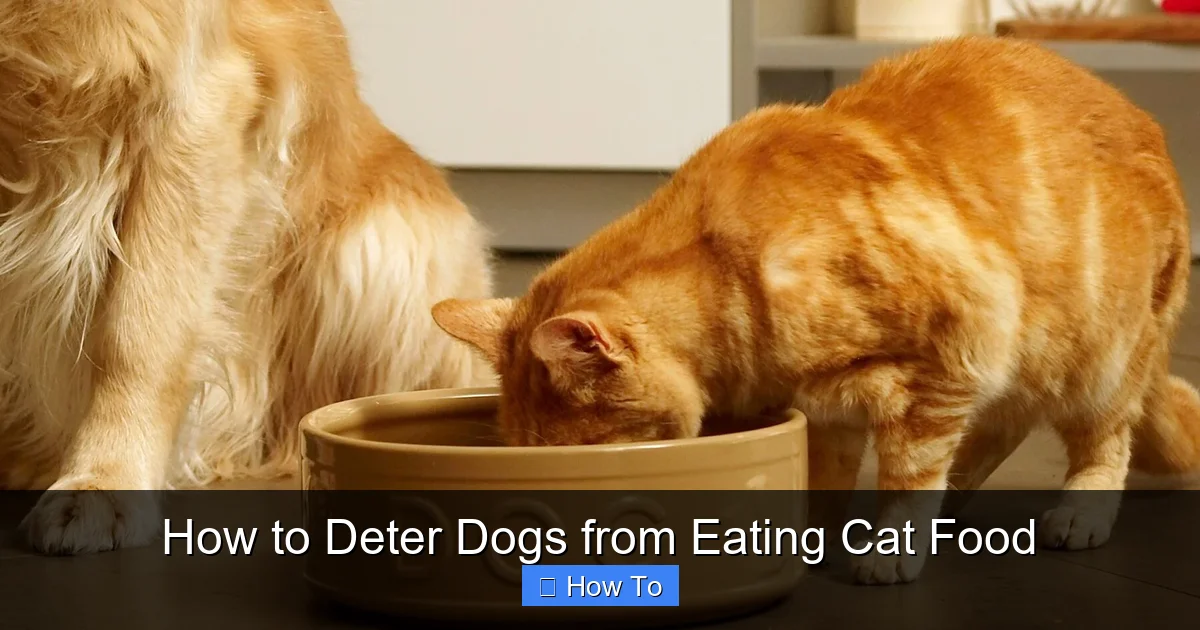
Stop your dog from sneaking into the cat’s food bowl with simple, effective strategies. This guide covers smart feeding routines, training techniques, and pet-safe tools to keep meals separate and stress-free for both animals.
Key Takeaways
- Feed pets at different times and locations: Stagger meal schedules and use separate rooms to prevent access and reduce temptation.
- Use baby gates or pet barriers: Create physical boundaries that allow cats in but keep dogs out, especially during feeding times.
- Train your dog with positive reinforcement: Teach commands like “leave it” and reward good behavior to build long-term habits.
- Elevate the cat’s food bowl: Place it on high surfaces like countertops or cat trees where dogs can’t reach.
- Choose automatic feeders with smart locks: Use 2026’s latest tech—RFID or microchip-activated feeders—that only open for your cat.
- Monitor and adjust routines regularly: Observe your pets’ behavior and tweak your system as needed for best results.
- Avoid punishment—focus on prevention: Scolding can cause anxiety; instead, redirect attention and reward desired actions.
How to Deter Dogs from Eating Cat Food
If you’re a pet parent with both dogs and cats, you’ve probably faced this all-too-common dilemma: your dog sneaking over to scarf down the cat’s food while your feline friend looks on in dismay. It’s not just annoying—it can also be unhealthy. Cat food is formulated for feline nutritional needs, with higher protein, fat, and certain vitamins like taurine that can upset a dog’s digestive system if eaten regularly. In 2026, with smarter pet tech and better training methods than ever, there’s no reason to let this habit continue.
This guide will walk you through practical, humane, and effective ways to stop your dog from eating cat food. Whether you’re dealing with a curious puppy or a seasoned food thief, these step-by-step strategies will help you create a peaceful, safe mealtime routine for both pets. You’ll learn how to use timing, space, training, and technology to keep meals separate—without stress or conflict.
By the end of this guide, you’ll have a clear action plan tailored to your home, your pets’ personalities, and your lifestyle. Let’s get started.
Why Dogs Are Drawn to Cat Food
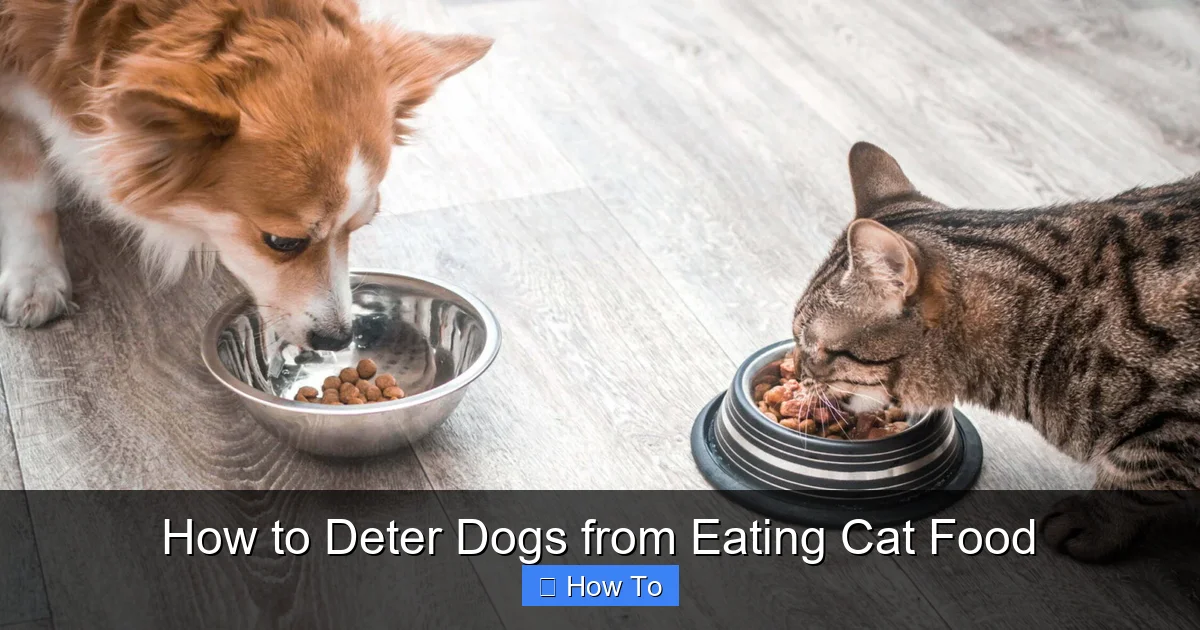
Visual guide about How to Deter Dogs from Eating Cat Food
Image source: cronullavetclinic.com.au
Before we dive into solutions, it’s important to understand why dogs are so tempted by cat food in the first place. Knowing the “why” helps you address the root cause, not just the symptom.
Cat food smells stronger and richer to dogs because it’s packed with animal-based proteins and fats—ingredients that appeal to a dog’s natural scavenging instincts. Unlike dog food, which is balanced for canines, cat food is designed for obligate carnivores. That means it’s higher in calories, protein, and certain nutrients like arachidonic acid and vitamin A, which dogs don’t need in such high amounts.
When a dog eats cat food regularly, it can lead to digestive upset, pancreatitis (especially in small or sensitive breeds), weight gain, or nutrient imbalances. In rare cases, overconsumption of certain vitamins can even be toxic.
But beyond nutrition, the real issue is opportunity. If your dog sees the cat eating and the food is within reach, curiosity and hunger will likely win. Dogs are opportunistic eaters by nature—they’ll grab a snack if it’s available, especially if it smells good.
So the goal isn’t to punish your dog for being a dog. It’s to remove the opportunity and redirect their attention. With the right setup and consistent training, you can break this habit for good.
Step 1: Separate Feeding Areas and Times
The simplest and most effective place to start is by changing when and where you feed your pets. Overlapping mealtimes and shared spaces are the biggest culprits behind dog-cat food theft.
Stagger Feeding Schedules
Instead of feeding both pets at the same time, feed your cat first—then feed your dog afterward. This reduces the chance of your dog lingering near the cat’s bowl, hoping for leftovers.
For example:
– Feed your cat at 7:00 AM and 6:00 PM.
– Feed your dog at 7:30 AM and 6:30 PM.
This 30-minute gap gives your cat time to eat in peace and allows you to clean up any spills before your dog gets curious. If your dog tends to hover, you can extend the gap to 45 minutes or even an hour.
Use Separate Rooms
Feed your pets in different rooms whenever possible. Close the door to the room where your cat eats, or use a baby gate to block access. This physical separation is one of the most reliable ways to prevent food theft.
Choose a quiet, low-traffic room for your cat—like a spare bedroom, bathroom, or laundry room. Make it cozy with a soft mat, a water bowl, and maybe a window view. Cats appreciate privacy when eating, and this setup benefits both pets.
If space is limited, consider feeding your cat in a high-traffic area but only when your dog is occupied—like during a walk, playtime, or while you’re preparing their own meal.
Supervise Meal Times
Even with separate rooms, it’s wise to supervise the first few feedings to ensure your dog doesn’t try to sneak in. Watch for signs of interest—sniffing, pacing, or staring—and gently redirect them with a command like “go to your bed” or “leave it.”
Over time, your dog will learn that the cat’s mealtime isn’t an opportunity for snacks.
Step 2: Use Physical Barriers and Elevated Feeding
Sometimes, separation isn’t enough. If your dog is persistent or especially agile, you’ll need to add physical barriers to protect your cat’s food.
Install a Baby Gate or Pet Barrier
A standard baby gate with a small pet door or a specialized pet barrier can work wonders. Look for gates that are tall enough (at least 30 inches) and have narrow spacing between bars so your dog can’t squeeze through.
Some gates come with a cat-sized flap or step-over design that lets your cat pass freely while keeping dogs out. In 2026, many smart gates even include motion sensors or app controls, so you can monitor access remotely.
Place the gate at the entrance to the room where your cat eats. Make sure it’s secure and can’t be knocked over by an enthusiastic dog.
Elevate the Food Bowl
Dogs can’t climb, but cats can. Use this to your advantage by placing your cat’s food bowl on a high surface.
Good options include:
– Countertops (if your cat is comfortable jumping up)
– Cat trees or shelves
– Sturdy tables or stands
– Wall-mounted feeding stations
Just make sure the surface is stable and safe. Avoid placing food near edges where it could fall, and ensure your cat can access it easily—especially if they’re older or have mobility issues.
Some pet owners use “dog-proof” feeding platforms designed specifically for this purpose. These are elevated trays with barriers or narrow openings that only cats can access.
Try a Pet-Proof Feeding Station
In 2026, pet tech has advanced significantly. Consider investing in a smart feeding station that uses weight sensors, microchip recognition, or RFID tags to allow only your cat to eat.
These devices look like modern food bowls with a small door or lid that opens only when your cat approaches. Your dog can sniff and stare all they want—but they won’t get a bite.
Popular brands in 2026 include PetSafe’s SmartFeed Pro, SureFeed Microchip Pet Feeder, and the new Whistle Smart Bowl, which syncs with your phone to track eating habits and alert you to changes in appetite.
While these gadgets come with a price tag (typically $100–$200), they’re a long-term solution that pays off in peace of mind and reduced vet bills.
Step 3: Train Your Dog with Positive Reinforcement
Physical barriers help, but training is what creates lasting change. Dogs respond best to positive reinforcement—rewarding good behavior instead of punishing bad behavior.
Teach the “Leave It” Command
“Leave it” is one of the most useful commands for preventing food theft. Start training in a quiet room with your dog on a leash.
Hold a treat in your closed hand and let your dog sniff it. When they back off or stop trying to get it, say “leave it” and reward them with a different treat from your other hand.
Gradually increase difficulty by placing the treat on the floor, then using higher-value items like pieces of cat food. Practice daily for 5–10 minutes.
Once your dog reliably responds, use the command during mealtime: “Leave it” when they approach the cat’s bowl, then reward them for obeying.
Use “Go to Your Place”
Teach your dog to go to a specific spot—like a bed, mat, or crate—during the cat’s mealtime. This gives them a job and keeps them occupied.
Start by luring them to the spot with a treat, then say “go to your place.” Reward them when they stay. Gradually increase the duration.
During feeding time, give the command and reward them for staying put. Over time, they’ll associate the cat’s mealtime with relaxation and rewards, not food.
Redirect with Toys or Puzzles
Give your dog a food-dispensing toy or puzzle feeder during the cat’s mealtime. This keeps their mouth and mind busy, reducing the urge to sneak snacks.
Try a Kong stuffed with peanut butter, a snuffle mat, or a slow-feeder bowl. The key is to make it more appealing than the cat’s food.
Rotate toys regularly to keep them interesting. In 2026, interactive toys with Bluetooth tracking and app-based challenges are especially popular for keeping dogs mentally stimulated.
Step 4: Adjust Your Cat’s Feeding Routine
Sometimes, the solution lies in changing how your cat eats—not just where.
Switch to Scheduled Feedings
If you currently free-feed your cat (leaving food out all day), consider switching to scheduled meals. This reduces the amount of time food is available and makes it easier to supervise.
Most cats adapt well to two meals a day. Use a timer or smart feeder to maintain consistency.
Use a Slow Feeder or Puzzle Bowl
Some cats eat too quickly, leaving food behind that tempts dogs. A slow feeder or puzzle bowl encourages your cat to eat slower and may reduce leftovers.
These bowls have ridges, mazes, or obstacles that make eating more engaging. They’re great for mental stimulation and can help prevent overeating.
Clean Up Immediately
After your cat finishes eating, remove the bowl and wipe up any spills. Even a few crumbs can attract a dog’s attention.
Keep the feeding area clean and odor-free. Use pet-safe cleaners to remove food smells that might linger.
Step 5: Monitor and Adjust as Needed
Every pet is different. What works for one dog-cat pair might not work for another. That’s why ongoing observation and adjustment are key.
Watch for Signs of Stress or Anxiety
If your dog seems frustrated, anxious, or overly fixated on the cat’s food, it may be a sign of boredom or lack of mental stimulation. Increase exercise, playtime, or training sessions to help them burn off energy.
Similarly, if your cat is stressed by the dog’s presence, even behind a gate, consider feeding them in a quieter, more secure space.
Adjust Based on Behavior
If your dog keeps finding ways around barriers, try combining methods. For example:
– Use a baby gate + elevated feeding + “leave it” training.
– Pair a smart feeder with scheduled meals and puzzle toys.
Be patient. Breaking a habit takes time—usually 2 to 6 weeks of consistent effort.
Involve the Whole Family
Make sure everyone in the household follows the same rules. Inconsistent routines confuse pets and weaken training.
Create a simple feeding schedule and post it on the fridge. Assign responsibilities so no one forgets.
Troubleshooting Common Challenges
Even with the best plan, you might run into issues. Here’s how to handle common problems.
My Dog Jumps Over the Gate
If your dog is athletic or determined, a standard gate won’t stop them. Try:
– A taller gate (36–42 inches)
– A pressure-mounted gate with a top extension
– A freestanding pet barrier that spans the doorway
– Feeding the cat in a room with no door (like a screened porch or enclosed balcony)
My Cat Won’t Eat in a Separate Room
Some cats are shy or territorial. If your cat refuses to eat in a new location:
– Start by placing the bowl just inside the room, then gradually move it farther in.
– Use familiar bedding or a favorite toy to make the space inviting.
– Feed them during calm times of day when the dog is resting.
My Dog Steals Food When I’m Not Looking
If your dog is sneaky, increase supervision. Use a baby monitor or pet camera to keep an eye on mealtimes.
In 2026, many smart cameras offer two-way audio, so you can say “leave it” remotely if you see your dog approaching.
My Dog Has Eaten Cat Food—What Now?
If your dog accidentally eats a small amount of cat food, don’t panic. Most dogs tolerate it fine in moderation.
But watch for signs of digestive upset:
– Vomiting
– Diarrhea
– Lethargy
– Loss of appetite
If symptoms last more than 24 hours or seem severe, contact your vet. For large quantities or repeated incidents, seek professional advice.
Conclusion
Stopping your dog from eating cat food doesn’t have to be a daily battle. With the right combination of timing, space, training, and smart tools, you can create a peaceful home where both pets eat in peace.
Start with simple changes—like feeding in separate rooms and using a baby gate—then build on them with training and technology. Be consistent, stay patient, and celebrate small wins along the way.
Remember, your goal isn’t to punish your dog, but to teach them better habits. With love, routine, and a little creativity, you’ll have a harmonious household in no time.
In 2026, we’re lucky to have more options than ever—from microchip feeders to AI-powered pet cameras—to help us care for our furry friends. Use them wisely, and enjoy the quiet moments when both pets are happily munching in their own corners.
Your cats and dogs will thank you.