
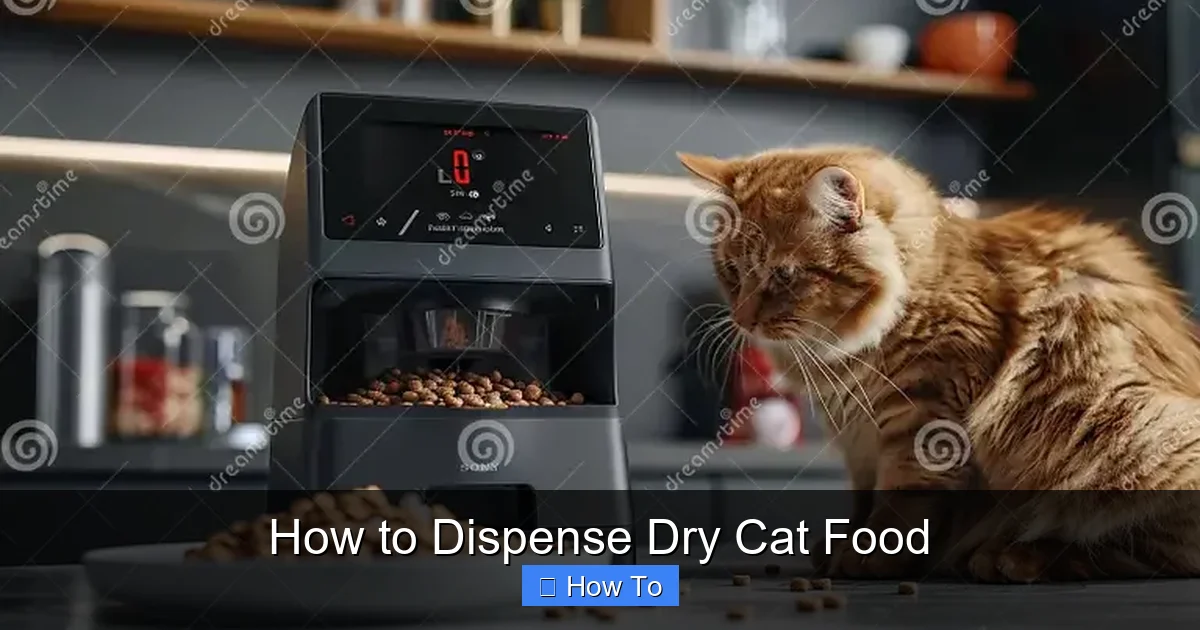
Properly dispensing dry cat food ensures your feline gets the right nutrition without overeating or waste. This guide covers tools, techniques, and smart feeders to help you feed your cat accurately and consistently in 2026.
Key Takeaways
- Measure portions accurately: Use a kitchen scale or measuring cup to avoid overfeeding and support healthy weight management.
- Choose the right dispenser: Manual scoops, automatic feeders, or gravity bowls each have pros and cons—pick based on your lifestyle.
- Store food properly: Keep dry cat food in an airtight container away from heat and moisture to maintain freshness and prevent spoilage.
- Follow a consistent schedule: Feeding at the same times daily helps regulate your cat’s digestion and reduces begging behavior.
- Monitor your cat’s health: Adjust portion sizes based on age, activity level, and vet recommendations to prevent obesity or malnutrition.
- Clean feeding tools regularly: Wash bowls, scoops, and feeders weekly to prevent bacteria buildup and food contamination.
- Use tech wisely: Smart feeders with app controls and cameras offer convenience but require reliable Wi-Fi and power backup.
How to Dispense Dry Cat Food: A Complete 2026 Guide
Feeding your cat might seem simple—just pour some kibble into a bowl, right? But in 2026, with rising concerns about pet obesity, food waste, and busy lifestyles, how you dispense dry cat food matters more than ever. Whether you’re a first-time cat parent or a seasoned feline enthusiast, getting the portion size, timing, and method right can make a big difference in your cat’s health and happiness.
This guide will walk you through everything you need to know about dispensing dry cat food the right way. You’ll learn how to measure portions accurately, choose the best feeding tools, maintain freshness, and even use smart technology to keep your cat on a consistent schedule. By the end, you’ll have a clear, practical plan to feed your cat safely and efficiently—no guesswork involved.
Let’s dive in.
Why Proper Dispensing Matters
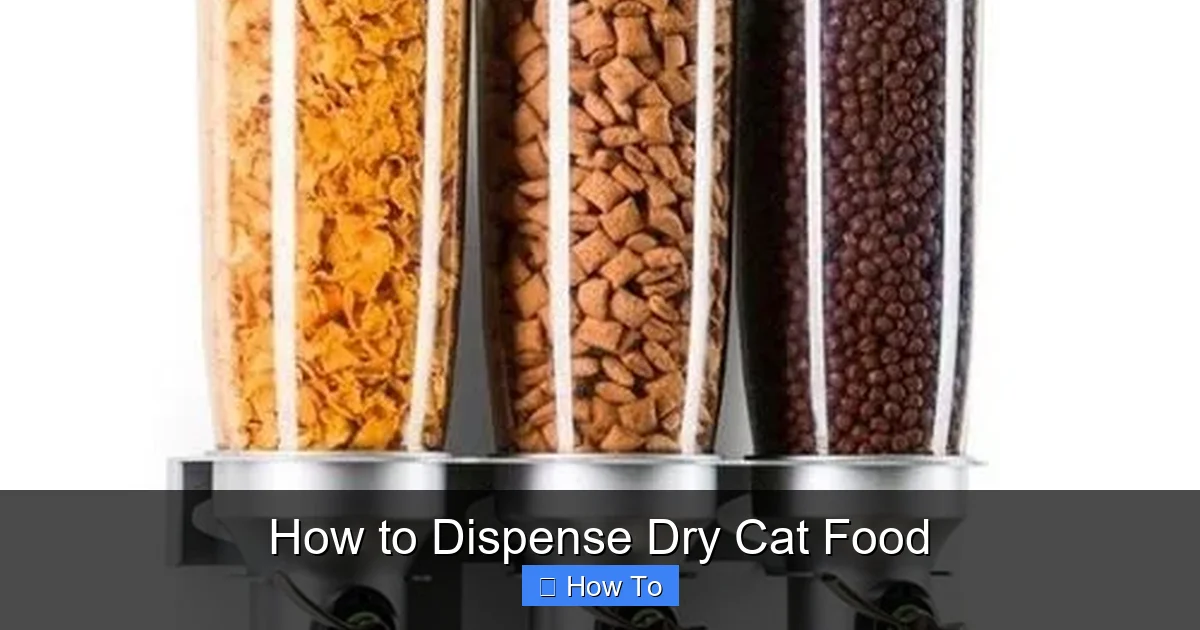
Visual guide about How to Dispense Dry Cat Food
Image source: img.archiexpo.com
Before we get into the how-to, let’s talk about why it’s so important to dispense dry cat food correctly. Cats are natural grazers, but in domestic settings, they often rely entirely on us for their meals. Overfeeding is one of the most common mistakes pet owners make. According to the Association for Pet Obesity Prevention, over 60% of cats in the U.S. are overweight or obese—and poor feeding practices are a major contributor.
When you dispense too much food, your cat may gain weight, leading to joint problems, diabetes, and shorter lifespans. On the flip side, underfeeding can cause malnutrition, low energy, and digestive issues. Even the way you store and serve food affects its nutritional value. Stale or contaminated kibble loses vitamins and can upset your cat’s stomach.
Plus, in 2026, many households are busier than ever. Remote work, hybrid schedules, and travel mean we can’t always be home to feed our cats at the same time. That’s where smart dispensing tools come in—helping you maintain consistency even when life gets chaotic.
So, whether you’re using a simple scoop or a high-tech automatic feeder, the goal is the same: deliver the right amount of fresh, high-quality food at the right time. Let’s break down how to do that step by step.
Step 1: Determine the Right Portion Size
The first step in dispensing dry cat food correctly is knowing how much to give your cat. This isn’t one-size-fits-all. Portion sizes depend on several factors, including your cat’s age, weight, activity level, and health status.
Check the Feeding Guidelines on the Bag
Most dry cat food packages include a feeding chart on the back or side. These charts typically recommend daily amounts based on weight. For example, a 10-pound adult cat might need about 1/2 to 3/4 cup of food per day, split into two meals.
But remember: these are general guidelines. Your cat’s needs may differ. A highly active outdoor cat will burn more calories than a sedentary indoor one. Kittens and senior cats also have unique nutritional requirements.
Consult Your Veterinarian
Your vet is the best source for personalized feeding advice. During your cat’s annual checkup, ask about ideal weight, body condition score, and any dietary restrictions. If your cat is overweight, your vet may recommend a specific portion size or a weight-management formula.
For example, a 12-pound cat with a body condition score of 7/9 (slightly overweight) might need 10–15% fewer calories than the standard recommendation. Your vet can help you calculate the exact amount.
Use a Kitchen Scale for Precision
Measuring cups are convenient, but they’re not always accurate. Kibble size and density vary between brands, so a “cup” of one food might weigh more than a “cup” of another. For the most precise dispensing, use a digital kitchen scale.
Weigh your cat’s daily portion in grams or ounces. Most dry cat foods provide calorie information per gram or cup, so you can match the weight to your cat’s caloric needs. For instance, if your cat needs 250 calories per day and the food has 350 calories per cup, you’d dispense about 0.7 cups—or roughly 70 grams, depending on the brand.
Pro tip: Pre-portion your cat’s daily food into small containers or bags at the start of the week. This saves time and reduces the chance of over-pouring.
Step 2: Choose the Right Dispensing Tool
Once you know how much to feed, it’s time to choose how to dispense it. In 2026, you have more options than ever—from basic scoops to AI-powered feeders. The right tool depends on your lifestyle, budget, and your cat’s habits.
Manual Scoops and Measuring Cups
The simplest way to dispense dry cat food is with a dedicated scoop or measuring cup. Look for one that’s easy to clean, made of food-safe materials (like stainless steel or BPA-free plastic), and clearly marked with measurements.
Many pet owners prefer a scoop that holds exactly one serving. This eliminates guesswork and makes feeding quick and consistent. Some scoops even have ergonomic handles and non-slip grips—great if you’re feeding multiple cats.
Gravity Feeders
Gravity feeders are bowls with a built-in reservoir that automatically releases food as your cat eats. They’re low-cost and low-maintenance, making them a popular choice for busy households.
However, gravity feeders have downsides. They can encourage overeating since food is always available. They also don’t allow for portion control or scheduled feeding. And if the kibble gets stuck or the mechanism jams, your cat might go hungry.
Use gravity feeders only if your cat self-regulates well and doesn’t overeat. Avoid them for overweight cats or multi-cat households where one cat might dominate the food source.
Automatic Feeders
Automatic feeders are a game-changer in 2026. These devices dispense pre-measured portions at set times, so your cat gets fed even when you’re not home. Many models now include features like:
– App control via smartphone
– Voice recording to call your cat at mealtime
– Built-in cameras to monitor eating habits
– Wi-Fi connectivity and battery backup
Popular brands like PetSafe, SureFeed, and PetKit offer feeders with 2–6 meal compartments. Some even sync with fitness trackers or health apps to adjust portions based on your cat’s activity.
When choosing an automatic feeder, consider:
– Capacity: How much food does it hold? (Look for at least 4–7 days’ worth for travel.)
– Power source: Does it use batteries, plug-in, or both?
– Ease of cleaning: Can you remove and wash all parts?
– Reliability: Read reviews to ensure it doesn’t jam or malfunction.
Smart Feeders with AI and Sensors
The latest trend in 2026 is AI-powered smart feeders. These devices use sensors and machine learning to adapt to your cat’s eating patterns. For example, if your cat usually eats at 7 a.m. but starts coming earlier, the feeder can adjust the schedule automatically.
Some models even detect if your cat has eaten their portion and won’t dispense more until the next scheduled time. This is especially helpful for multi-cat homes where one cat might steal another’s food.
While smart feeders are more expensive (often $150–$300), they offer peace of mind and long-term health benefits. Just make sure your home has reliable Wi-Fi and a backup power source.
Step 3: Store Dry Cat Food Properly
How you store your cat’s food affects its freshness, taste, and nutritional value. Even the best dispensing method won’t help if the kibble is stale or contaminated.
Keep It in an Airtight Container
Once you open a bag of dry cat food, transfer the kibble to an airtight container. Oxygen, moisture, and light can degrade fats and vitamins in the food, leading to rancidity and loss of flavor.
Look for containers made of BPA-free plastic, stainless steel, or glass with a tight-sealing lid. Some pet owners use vacuum-sealed containers to extend freshness even further.
Avoid leaving food in the original bag and folding the top—this doesn’t provide a true seal. And never store food in humid areas like under the sink or near the dishwasher.
Store in a Cool, Dry Place
Heat and humidity accelerate spoilage. Store your cat food in a cool, dry spot—like a pantry or closet—away from direct sunlight. Ideal storage temperature is below 75°F (24°C).
If you live in a hot climate, consider storing food in a climate-controlled area or using a dehumidifier in your pantry.
Don’t Buy in Bulk Unless You Can Use It Quickly
While buying larger bags can save money, it’s only worth it if you can use the food within 6–8 weeks of opening. After that, the food may lose freshness, even in an airtight container.
If you do buy in bulk, divide the food into smaller portions and freeze what you won’t use right away. Most dry cat food can be frozen for up to 6 months without losing quality. Just thaw it at room temperature before use.
Check Expiration Dates
Always check the “best by” or “use by” date on the bag. Feeding expired food can cause digestive upset or nutrient deficiencies. If the kibble smells off, looks discolored, or has mold, throw it out immediately.
Step 4: Establish a Feeding Schedule
Cats thrive on routine. A consistent feeding schedule helps regulate their digestion, reduces anxiety, and prevents overeating.
Feed Twice a Day (or More for Kittens)
Most adult cats do well with two meals per day—once in the morning and once in the evening. This mimics their natural hunting rhythm and prevents long gaps between meals.
Kittens, however, need more frequent feeding—three to four times a day—until they’re about six months old. Senior cats may also benefit from smaller, more frequent meals if they have digestive issues.
Stick to the Same Times Daily
Try to feed your cat at the same times every day. For example, 7 a.m. and 6 p.m. Consistency helps your cat’s internal clock and reduces begging or meowing at random times.
If your schedule changes, adjust gradually. Shift feeding times by 15–30 minutes per day until you reach the new routine.
Use Timers or Alarms
If you’re prone to forgetting, set a daily alarm on your phone or use a smart speaker to remind you when it’s feeding time. Some automatic feeders also send push notifications when a meal is dispensed.
Step 5: Dispense the Food Correctly
Now that you’ve measured the portion, chosen your tool, stored the food properly, and set a schedule, it’s time to dispense.
Pour Slowly and Evenly
Whether you’re using a scoop or an automatic feeder, pour the food slowly into the bowl. This prevents spills and gives your cat a clear view of their meal.
Avoid dumping large amounts at once, especially with automatic feeders. Some cats get startled by sudden noises or movements.
Use a Clean Bowl
Always serve food in a clean bowl. Wash your cat’s food and water bowls at least once a week with hot, soapy water. Rinse thoroughly to remove soap residue.
For automatic feeders, clean the dispensing mechanism and food hopper monthly to prevent bacteria and mold buildup.
Monitor Your Cat While Eating
Watch your cat during meals to ensure they’re eating normally. Signs of trouble include:
– Refusing food for more than 24 hours
– Eating too fast (which can cause vomiting)
– Chewing difficulties or drooling
If you notice any of these, consult your vet.
Troubleshooting Common Issues
Even with the best plan, problems can arise. Here’s how to handle common dispensing issues.
My Cat Isn’t Eating the Food
Possible causes:
– The food is stale or expired
– Your cat doesn’t like the taste or texture
– They’re stressed or unwell
Try offering a small amount of fresh food. If they still refuse, switch brands or consult your vet.
The Automatic Feeder Isn’t Working
Check:
– Power source (batteries or plug)
– Wi-Fi connection (for smart feeders)
– Food jams in the hopper
– App settings and scheduled times
Clean the feeder and restart it. If problems persist, contact customer support.
One Cat Is Eating All the Food
In multi-cat homes, dominant cats may steal food from others. Solutions:
– Feed cats in separate rooms
– Use microchip-activated feeders that only open for specific cats
– Increase the number of feeding stations
Food Is Spilling or Wasting
This often happens with gravity feeders or overfilling. Use portion-controlled tools and measure carefully. Place bowls on non-slip mats to reduce spills.
Conclusion
Dispensing dry cat food correctly is about more than just filling a bowl. It’s about supporting your cat’s health, preventing waste, and creating a routine that works for both of you. In 2026, with advanced tools and smarter feeding practices, it’s easier than ever to get it right.
Start by measuring portions accurately, choose the right dispenser for your lifestyle, store food properly, and stick to a consistent schedule. Whether you use a simple scoop or a high-tech smart feeder, the key is consistency and care.
Your cat depends on you for their nutrition—and with these tips, you’ll be well-equipped to provide it safely and effectively. Happy feeding!