
Discover how to launch a meaningful cat food donation challenge that supports local shelters and rescues. This complete guide walks you through planning, promoting, and executing your event—whether solo or with a team—to make a real impact in 2026.
Key Takeaways
- Start with a clear goal: Define how much food you want to collect and which shelters will benefit to keep your effort focused and measurable.
- Partner with local rescues: Collaborate with animal shelters or foster groups to ensure donations go where they’re needed most and gain credibility.
- Use social media wisely: Share engaging content, progress updates, and donor shoutouts to build momentum and encourage participation.
- Make donating easy: Offer multiple drop-off locations, online ordering options, and clear instructions so people can contribute hassle-free.
- Track and celebrate success: Share results publicly to thank supporters and inspire future challenges.
- Plan for storage and delivery: Ensure you have space to store donations and a plan to transport them safely to partner organizations.
- Keep it fun and inclusive: Add creative elements like themed weeks, photo contests, or matching donations to boost engagement.
How to Do a Cat Food Donation Challenge
If you’re a cat lover with a heart for helping, organizing a cat food donation challenge is one of the most impactful ways to support animal welfare in 2026. Whether you’re doing it solo, with friends, or as part of a community group, this guide will walk you through every step—from idea to impact. You’ll learn how to set goals, rally support, collect donations, and deliver them safely to shelters and rescues that desperately need help.
In recent years, pet food insecurity has risen sharply. According to the ASPCA, over 30% of pet owners struggled to afford pet food in 2025, and many shelters report running low on supplies. A well-run donation challenge can fill critical gaps, ease the burden on overworked staff, and ensure cats stay healthy and happy. Plus, it’s a fantastic way to bring your community together for a good cause.
By the end of this guide, you’ll have a clear, actionable plan to launch your own cat food donation challenge—no matter your experience level. Let’s get started!
Step 1: Define Your Purpose and Goals
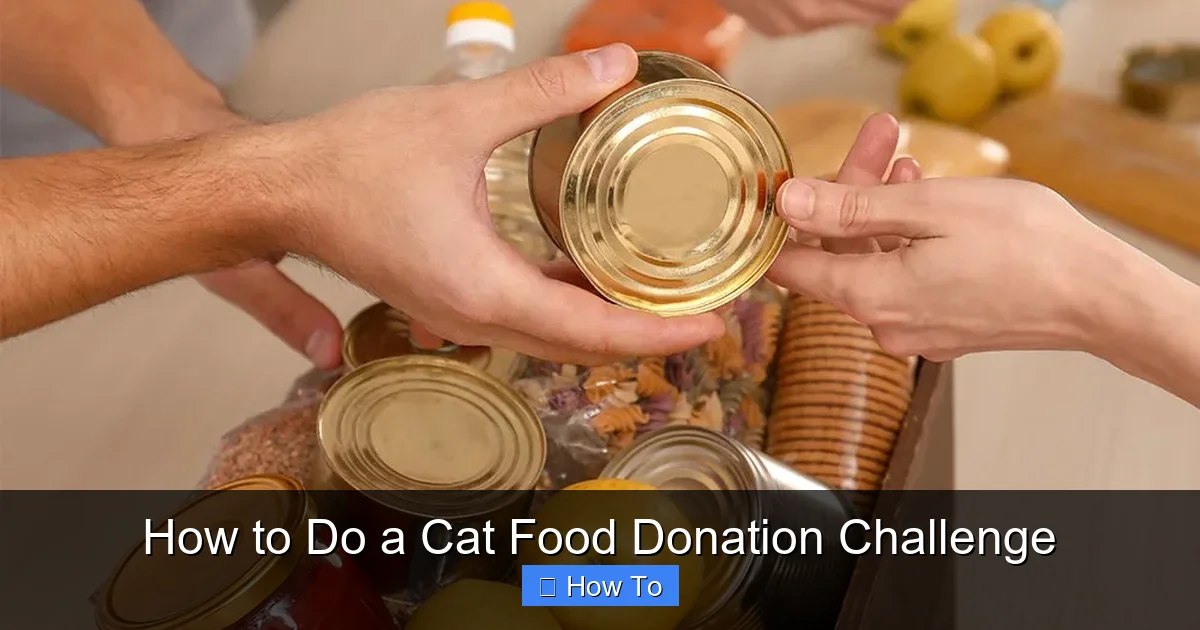
Visual guide about How to Do a Cat Food Donation Challenge
Image source: res.cloudinary.com
Before you start collecting cans, take time to clarify why you’re doing this and what you hope to achieve. A strong purpose keeps you motivated and helps others understand your mission.
Identify Your “Why”
Ask yourself: Why do I want to help cats in need? Is it because you’ve adopted from a shelter? Do you know a local rescue that’s struggling? Maybe you’ve seen social media posts about kittens going hungry. Whatever your reason, write it down. This personal connection will fuel your effort and inspire others to join.
Set a Clear Goal
Goals give your challenge direction. Instead of saying, “I want to collect some cat food,” aim for something specific like:
– “Collect 500 pounds of cat food in 30 days”
– “Raise $1,000 to buy wet and dry food for three local shelters”
– “Gather 200 cans of kitten formula for neonatal rescues”
Make your goal SMART: Specific, Measurable, Achievable, Relevant, and Time-bound. For example, “Collect 300 pounds of cat food by June 30, 2026, for Paws & Hearts Rescue.”
Choose Your Focus
Not all cat food is created equal. Some shelters need kitten food, others prefer grain-free or senior formulas. Decide whether you’ll collect:
– Dry food (easy to store, long shelf life)
– Wet food (great for hydration, especially for sick cats)
– Specialty diets (prescription, kitten, senior)
– Litter, toys, or other supplies (optional add-ons)
Talk to local shelters to find out what they need most. This ensures your donations are useful and appreciated.
Step 2: Partner with Local Shelters and Rescues
One of the smartest moves you can make is teaming up with a local animal shelter, rescue group, or foster network. These organizations know exactly what’s needed and can help promote your challenge.
Research Local Organizations
Search online for “animal shelters near me” or “cat rescues in [your city].” Look for groups with active websites, social media, and donation pages. Check reviews or ask around to ensure they’re reputable.
Reach Out and Build a Relationship
Send a friendly email or message introducing yourself and your idea. For example:
Hi [Shelter Name] Team,
My name is [Your Name], and I’m organizing a cat food donation challenge this spring to support local cats in need. I’d love to partner with your organization to ensure donations go where they’re needed most. Could we chat about your current needs and how I can help?
Most shelters will be thrilled to collaborate. They may offer:
– A list of needed items
– Permission to use their name in promotions
– Help sharing your challenge on their social media
– A drop-off location or pickup service
Get Official Approval
Ask if you can list them as an official partner. This builds trust with donors and shows your challenge is legitimate. You might even get a logo to use in your materials.
Step 3: Plan Your Challenge Structure
Now it’s time to design how your challenge will work. Will it last a week, a month, or longer? Will it be online, in-person, or both?
Choose a Duration
Most successful challenges run between 2–6 weeks. Shorter challenges create urgency; longer ones allow more time to collect. For 2026, consider aligning with awareness months like:
– February: Spay/Neuter Awareness Month
– June: Adopt a Cat Month
– October: National Cat Day (October 29)
Decide on Format
You have several options:
– In-person drive: Set up collection bins at schools, vet clinics, or community centers.
– Online fundraiser: Use platforms like GoFundMe or Facebook Fundraisers to collect money for bulk purchases.
– Hybrid model: Combine both—accept physical donations and online contributions.
A hybrid approach often works best. For example, you might collect cans at local businesses while also raising funds online to buy additional food at wholesale prices.
Set Up Donation Channels
Make it easy for people to give. Options include:
– Physical drop-off bins (with clear labels)
– Amazon Wishlist (shelters often have one)
– Online payment links (PayPal, Venmo, Cash App)
– Retail partnerships (e.g., “Buy one, donate one” at a pet store)
If using an Amazon Wishlist, share the link widely. Many donors prefer ordering online and having items shipped directly to the shelter.
Step 4: Promote Your Challenge
No matter how great your idea is, it won’t succeed without visibility. Use a mix of online and offline strategies to spread the word.
Create a Name and Brand
Give your challenge a catchy, memorable name. Examples:
– “Paws for a Cause: 30 Days of Cat Food”
– “The Great Cat Food Challenge 2026”
– “Fill the Bowl, Feed the Future”
Design a simple logo or graphic using free tools like Canva. Use consistent colors and fonts across all materials.
Leverage Social Media
Platforms like Instagram, Facebook, and TikTok are perfect for visual, emotional content. Post:
– Photos of cats in need (with permission)
– Progress updates (“We’re 50% to our goal!”)
– Donor shoutouts (with consent)
– Short videos explaining your mission
Use hashtags like #CatFoodChallenge2026, #FeedTheFelines, and #RescueCats to increase reach. Tag local shelters and influencers to expand your audience.
Engage Your Community
Tell friends, family, coworkers, and neighbors. Ask them to share your challenge. Consider:
– Posting flyers at vet offices, pet stores, and libraries
– Announcing it at church, school, or community meetings
– Partnering with local businesses to display donation bins
Use Email and Newsletters
If you have an email list, send a heartfelt message explaining your challenge. Include a clear call-to-action: “Donate here,” “Share this post,” or “Drop off food at [location].”
Step 5: Make Donating Easy and Fun
The easier it is to donate, the more people will participate. Remove barriers and add joy to the process.
Offer Multiple Ways to Give
Some people prefer dropping off cans; others like donating money. Offer both. For monetary donations, explain how far $10 or $25 can go (e.g., “$20 buys 10 cans of wet food”).
Create Themed Weeks
Break your challenge into fun segments to keep momentum:
– Week 1: Kitten Kickoff (focus on kitten food)
– Week 2: Senior Cat Support (collect senior diet food)
– Week 3: Community Challenge (local businesses compete to donate the most)
– Week 4: Final Push (countdown with daily updates)
Add Incentives
Encourage participation with small rewards:
– “Donate 5 cans, get a free cat sticker”
– “Top donor wins a ‘Cat Hero’ certificate”
– “Random donor drawn for a pet store gift card”
Avoid making it transactional—focus on gratitude, not prizes.
Host a Kickoff or Wrap-Up Event
Even a small gathering can boost engagement. Host a virtual kickoff on Zoom or an in-person meetup at a park. At the end, celebrate with a “Thank You” post showing the impact made.
Step 6: Track Progress and Share Updates
People love seeing results. Regular updates build trust and keep your challenge top of mind.
Use a Public Tracker
Create a simple graphic showing your goal and current progress. Update it weekly on social media. For example:
– “Goal: 500 lbs | Collected: 320 lbs | 64% there!”
Share Stories and Photos
With permission, post photos of donations being delivered or cats enjoying the food. Real stories humanize your effort. Example:
“Thanks to your generosity, 20 kittens at Sunny Paws Rescue will have warm meals this week!”
Thank Donors Publicly
Tag or mention donors (with their consent) in posts. A simple “Thank you, @Sarah, for donating 10 cans!” goes a long way.
Step 7: Handle Logistics Safely
Don’t let poor planning derail your success. Think ahead about storage, transport, and safety.
Secure Storage Space
If collecting physical donations, you’ll need a dry, secure place to store them. Options:
– A garage or basement (if clean and pest-free)
– A donated space from a local business
– Temporary storage bins at a partner location
Avoid damp or hot areas—food can spoil or attract pests.
Arange Safe Transport
Plan how you’ll deliver donations to the shelter. Use your car, recruit volunteers with trucks, or ask the shelter to pick up. For large quantities, consider renting a van.
Follow Food Safety Guidelines
Only accept unopened, unexpired food. Check expiration dates and reject damaged cans or bags. If in doubt, ask the shelter for guidance.
Insure Your Effort (Optional)
If you’re handling large amounts of money or organizing public events, consider liability insurance. Many community groups offer low-cost coverage for volunteer projects.
Troubleshooting Common Challenges
Even the best-laid plans can hit snags. Here’s how to handle common issues:
Low Donation Numbers?
Don’t panic. Revisit your promotion strategy. Try:
– Posting more frequently on social media
– Reaching out to local news or radio stations
– Asking influencers to share your challenge
– Hosting a mini-event to generate buzz
Too Many Donations?
If you’re overwhelmed, that’s a good problem! Thank everyone and consider expanding your goal. You might even help a second shelter.
Donors Want to Help but Can’t Afford Food?
Suggest non-monetary ways to contribute:
– Share your challenge online
– Volunteer at the shelter
– Foster a cat
– Donate old towels or blankets
Conflict with a Partner Shelter?
Stay professional. If communication breaks down, focus on your mission and find another organization to support. Your integrity matters most.
Step 8: Celebrate and Reflect
When your challenge ends, take time to celebrate—and learn.
Share the Final Results
Post a summary: total pounds collected, number of donors, and impact made. Example:
“Thanks to 87 donors, we collected 612 pounds of cat food—enough to feed 50 cats for a month!”
Thank Everyone
Send personalized thank-you messages to shelters, volunteers, and top donors. Publicly thank all participants on social media.
Gather Feedback
Ask donors and partners what worked and what could improve. Use this insight for future challenges.
Plan for Next Time
Keep your momentum going. Consider making your challenge annual or expanding to dog food, supplies, or adoption drives.
Conclusion
Organizing a cat food donation challenge in 2026 is a powerful way to make a difference—one can at a time. By setting clear goals, partnering with shelters, promoting effectively, and keeping logistics smooth, you can create a meaningful impact for cats in need. Remember, it’s not about perfection; it’s about showing up, caring deeply, and inspiring others to do the same.
Whether you collect 50 cans or 500 pounds, your effort matters. Shelters rely on community support, and your challenge can be a lifeline for hungry cats. So gather your friends, spread the word, and start filling those bowls. The cats are waiting.