
Many cats swallow food whole, which can impact digestion and dental health. This guide teaches proven methods to encourage your cat to chew food, including texture changes, feeding tools, and behavioral training. Start building healthier eating habits today.
Key Takeaways
- Chewing improves digestion: Breaking down food with teeth helps cats absorb nutrients more efficiently and reduces the risk of vomiting.
- Dental health benefits: Chewing can help reduce plaque buildup and support healthier gums, lowering the risk of periodontal disease.
- Use textured kibble or dental diets: Specialized dry foods designed for chewing promote jaw movement and mechanical cleaning of teeth.
- Introduce puzzle feeders and slow feeders: These tools make eating more engaging and naturally encourage chewing by slowing down consumption.
- Monitor your cat’s eating habits: Sudden changes in chewing behavior could signal dental pain or other health issues—consult your vet if needed.
- Positive reinforcement works: Reward your cat with praise or treats when they chew, reinforcing the desired behavior over time.
- Hydration matters: Always provide fresh water, especially when increasing dry food intake, to support overall health and digestion.
How to Encourage Cat to Chew Food: A Complete Guide for 2026
Have you ever watched your cat gulp down their kibble in seconds, barely pausing to breathe? You’re not alone. Many cat owners notice that their feline friends seem to inhale food rather than chew it. While this behavior is common, it’s not ideal for their long-term health. In 2026, with growing awareness of feline nutrition and dental wellness, more pet parents are asking: How can I encourage my cat to chew food?
This comprehensive guide will walk you through practical, science-backed strategies to help your cat develop healthier eating habits. Whether you’re dealing with a fast eater, a picky chewer, or simply want to improve your cat’s digestion and dental health, you’ll find actionable tips and expert advice here. By the end, you’ll know how to make mealtime more engaging, nutritious, and beneficial for your furry companion.
Why Chewing Matters for Cats
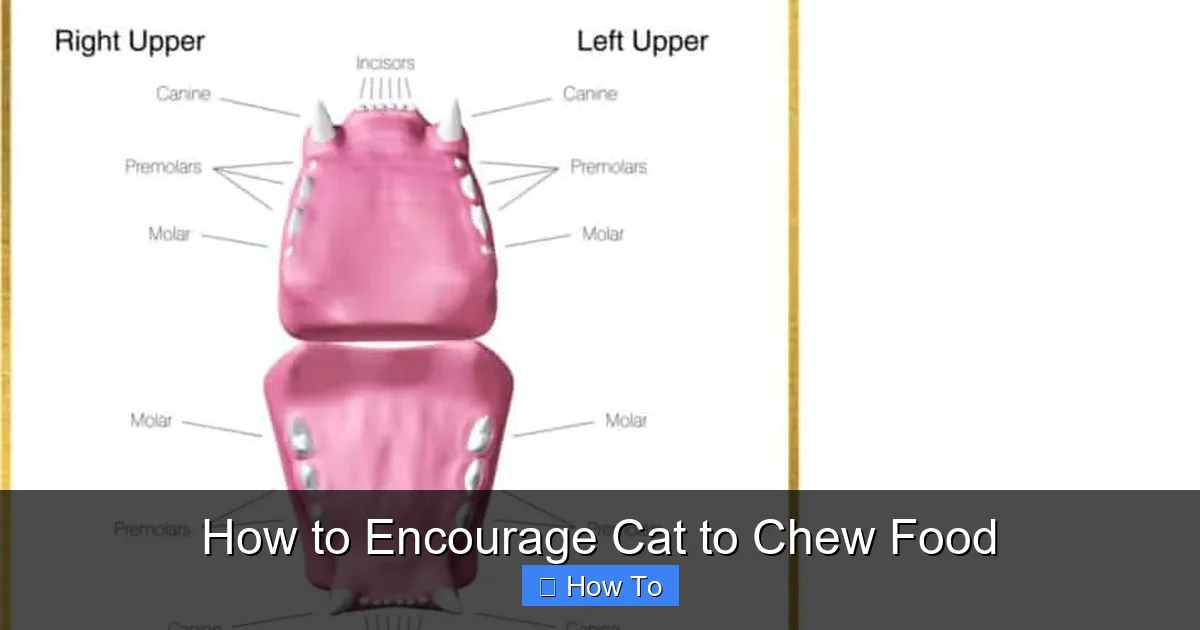
Before diving into solutions, it’s important to understand why chewing is beneficial. Unlike dogs, cats are obligate carnivores with sharp teeth designed for tearing meat—not grinding plant matter. However, even small kibbles require some chewing to break down properly.

Visual guide about How to Encourage Cat to Chew Food
Image source: greatcatinfo.com
When cats swallow food whole, their stomachs must work harder to digest it. This can lead to regurgitation, bloating, or poor nutrient absorption. Chewing, even minimally, helps trigger digestive enzymes in the mouth and signals the stomach to prepare for food. It also supports dental health by mechanically scraping away plaque and tartar.
In 2026, veterinary research continues to highlight the link between chewing behavior and reduced risk of dental disease, obesity, and gastrointestinal issues. Encouraging your cat to chew isn’t just about manners—it’s a proactive step toward a longer, healthier life.
Step 1: Choose the Right Food Texture and Size
One of the most effective ways to encourage chewing is by selecting food that requires chewing. Not all kibble is created equal. Some are too small, too soft, or too uniform in shape, making them easy to swallow whole.
Opt for Larger or Textured Kibble
Look for dry foods labeled as “dental diets” or “large kibble.” These are designed to resist being swallowed whole and encourage jaw movement. Brands like Hill’s Science Diet Oral Care, Royal Canin Dental, and Purina Pro Plan Veterinary Diets DH have been reformulated in 2026 to include ridges, grooves, and irregular shapes that promote chewing.
For example, Hill’s t/d kibble is twice as large as standard kibble and has a unique texture that cats must crunch through. This not only slows eating but also cleans teeth as they chew.
Try Mixed-Texture Diets
Some cats respond well to a combination of wet and dry food. Offering a small portion of wet food alongside dry kibble can make the meal more appealing while still encouraging chewing of the dry pieces. You can also try “toppers” like freeze-dried meat chunks that require biting and tearing.
Experiment with Shape and Density
Kibble comes in various shapes—rings, stars, cubes, and more. Some cats are more likely to chew foods that are harder or have an uneven surface. Try rotating between different brands and textures every few weeks to see what your cat prefers. Keep a journal of their eating habits to track progress.
Step 2: Use Feeding Tools That Promote Chewing
Feeding tools are game-changers for cats who eat too quickly. These devices slow down consumption and make eating more mentally stimulating, which naturally encourages chewing.
Introduce Puzzle Feeders
Puzzle feeders are interactive toys that dispense food only when your cat manipulates them—by pawing, rolling, or nudging. In 2026, smart puzzle feeders with adjustable difficulty levels and app connectivity are widely available. Brands like Catit, Nina Ottosson, and Trixie offer models that range from beginner to advanced.
For example, the Catit Senses 2.0 Food Tree requires cats to pull kibble from different levels using their paws and mouths. This process encourages biting and chewing rather than gulping.
Try Slow Feed Bowls
Slow feed bowls have raised centers or maze-like patterns that force cats to eat around obstacles. These are especially helpful for cats who eat dry food quickly. Look for bowls made from stainless steel or BPA-free plastic, which are easy to clean and durable.
A popular 2026 model is the Outward Hound Fun Feeder, which comes in various designs and sizes. Some even have non-slip bases to prevent sliding during mealtime.
DIY Feeding Enrichment
You don’t need expensive gadgets to make a difference. Try placing kibble inside a crumpled paper ball, a toilet paper roll with holes, or a muffin tin. These simple DIY solutions can be just as effective as commercial products and cost almost nothing.
Step 3: Adjust Feeding Routines and Environment
How and when you feed your cat can influence their chewing behavior. A calm, consistent routine helps reduce stress-related gulping.
Feed Smaller, More Frequent Meals
Instead of one or two large meals, try offering three to four smaller portions throughout the day. This reduces the urge to overeat quickly and gives your cat more opportunities to chew. Automatic feeders with portion control, like the PetSafe Smart Feed or SureFeed Microchip Pet Feeder, can help maintain this schedule even when you’re away.
Create a Peaceful Eating Space
Cats are sensitive to their environment. If they feel threatened or rushed—especially in multi-cat households—they may eat too fast. Provide a quiet, private feeding area away from loud noises, children, or other pets.
Use a placemat or non-slip mat under the bowl to prevent sliding. Some cats prefer elevated feeders, which can improve posture and reduce strain on the neck and jaw, making chewing more comfortable.
Supervise and Encourage
Sit with your cat during meals, especially in the beginning. Your presence can be calming. Gently praise them when you see them chewing. Avoid rushing them or making sudden movements that might startle them into gulping.
Step 4: Train with Positive Reinforcement
Behavioral training isn’t just for dogs. Cats can learn new habits with patience and positive reinforcement.
Reward Chewing Behavior
When you notice your cat chewing—even for a few seconds—offer immediate praise or a small treat. Use a high-value reward like a piece of cooked chicken or a lickable treat (e.g., Churu or Tiki Cat Stix). Over time, your cat will associate chewing with positive outcomes.
Use Clicker Training (Optional)
Clicker training can be highly effective. Click the moment your cat chews a kibble, then give a reward. This helps them understand exactly what behavior is being rewarded. Start with short sessions (2–3 minutes) and keep them fun and stress-free.
Be Patient and Consistent
Changing a cat’s eating habits takes time. Some cats adapt within a week; others may take a month or more. Stay consistent with your approach and avoid punishing or scolding—this can create negative associations with food.
Step 5: Address Underlying Health Issues
If your cat suddenly stops chewing or shows signs of pain while eating, it could indicate a medical problem. Never assume that gulping is just a “quirk” without ruling out health concerns.
Check for Dental Pain
Dental disease is common in cats, especially as they age. Signs include bad breath, drooling, pawing at the mouth, or reluctance to eat hard food. If your cat avoids kibble but eats wet food eagerly, dental pain may be the cause.
Schedule a veterinary dental exam. In 2026, many clinics offer advanced imaging like digital dental X-rays to detect hidden issues such as tooth resorption or abscesses.
Rule Out Digestive Issues
Conditions like inflammatory bowel disease (IBD), food allergies, or gastrointestinal motility disorders can affect how a cat eats. If your cat vomits frequently, has diarrhea, or shows weight loss, consult your vet.
Consider Age and Mobility
Senior cats or those with arthritis may find it painful to chew. In such cases, your vet may recommend softer dental diets or wet food with added dental benefits. Never force a cat to eat hard food if it causes discomfort.
Troubleshooting Common Challenges
Even with the best efforts, you may encounter setbacks. Here’s how to handle common issues:
My Cat Still Swallows Food Whole
Try switching to a larger kibble or using a puzzle feeder. If the problem persists, consult your vet to rule out dental pain or neurological issues.
My Cat Refuses to Use Puzzle Feeders
Start with easy models and place a few treats inside to lure them in. Gradually increase difficulty. Some cats need time to adjust—don’t give up after one try.
My Cat Eats Too Slowly Now
While slow eating is generally good, extremely slow consumption can lead to food spoilage or reduced appetite. Monitor intake and adjust portion sizes or feeder difficulty as needed.
My Cat Prefers Wet Food Only
That’s okay! You can still encourage chewing by adding crunchy toppers or using dental treats. Some wet foods now include chewy textures or embedded kibble pieces.
Long-Term Benefits of Encouraging Chewing
When your cat learns to chew, the benefits extend far beyond mealtime. Improved digestion means fewer hairballs and less vomiting. Better dental health reduces the risk of tooth loss, infections, and systemic diseases linked to oral bacteria.
Chewing also provides mental stimulation, which can reduce boredom and destructive behaviors. In multi-cat homes, slower eaters are less likely to be bullied or stressed during meals.
In 2026, holistic pet care emphasizes the connection between behavior, nutrition, and wellness. By encouraging your cat to chew, you’re not just feeding them—you’re supporting their overall quality of life.
Conclusion
Encouraging your cat to chew food is a simple yet powerful way to boost their health and happiness. Start by choosing the right food texture, using feeding tools that slow consumption, and creating a calm eating environment. Reinforce good habits with positive reinforcement, and always monitor for signs of underlying health issues.
Remember, every cat is unique. What works for one may not work for another. Be patient, stay consistent, and celebrate small victories. With time and care, your cat can develop healthier eating habits that last a lifetime.
By following the steps in this guide, you’re taking a proactive step toward a healthier, more vibrant future for your feline friend. In 2026 and beyond, thoughtful feeding practices will continue to play a vital role in feline wellness. Start today—your cat will thank you with purrs, play, and a longer, healthier life.