
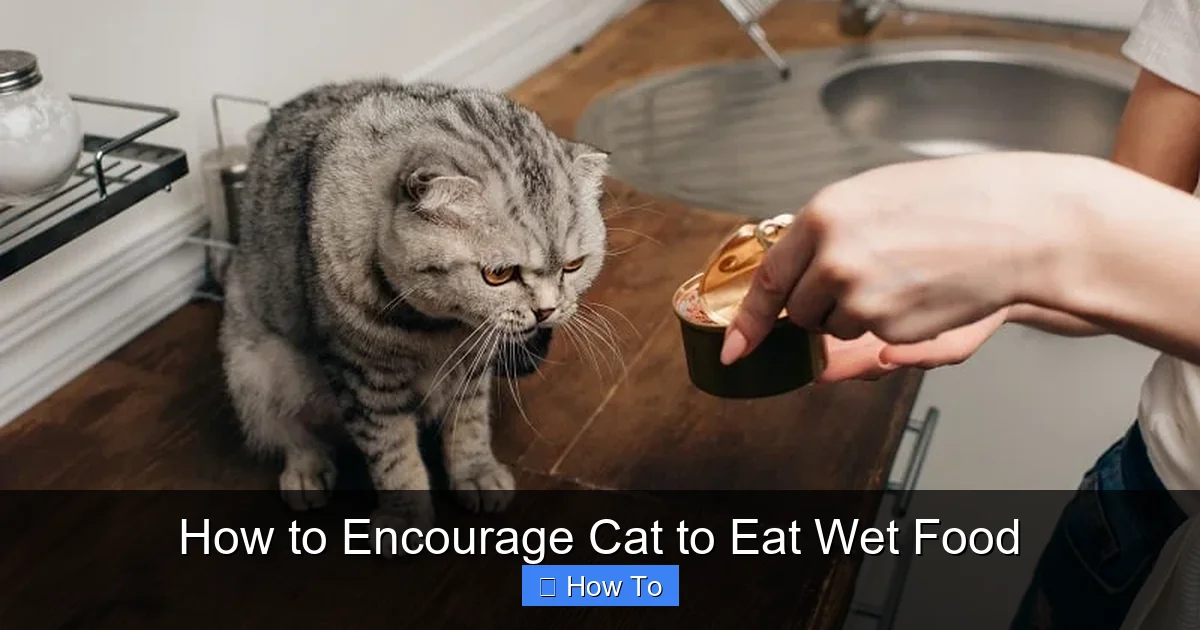
Switching your cat to wet food can improve hydration and health, but many cats resist the change. This guide offers practical, vet-approved strategies to help your feline friend embrace wet food with confidence and ease.
Key Takeaways
- Start slow with gradual transitions: Mix small amounts of wet food into dry kibble to help your cat adjust without stress.
- Warm the food slightly: Heating wet food to room temperature or slightly warmer enhances aroma, making it more appealing to cats.
- Experiment with textures and flavors: Cats have preferences—try pâté, shreds, or gravy styles to find what your cat loves.
- Use positive reinforcement: Praise and reward your cat when they show interest in wet food to build positive associations.
- Maintain a consistent feeding routine: Feed at the same times daily to create predictability and reduce anxiety around mealtime.
- Rule out health issues: If your cat refuses food entirely, consult a vet to rule out dental pain or illness.
- Be patient and persistent: Some cats take weeks to accept new food—consistency is key to long-term success.
How to Encourage Cat to Eat Wet Food
If you’re reading this, you’re probably a caring cat parent who wants the best for your furry friend. You’ve likely heard that wet food is better for cats—especially when it comes to hydration, urinary health, and weight management. But here’s the catch: many cats are stubborn. They’ve grown accustomed to crunchy kibble, and the idea of soft, smelly wet food can seem downright unappealing.
Don’t worry—you’re not alone. In 2026, more pet owners than ever are making the switch to wet food, and with good reason. According to veterinary nutritionists, wet food better mimics a cat’s natural diet and helps prevent common health issues like kidney disease and obesity. But getting your cat to eat it? That’s the real challenge.
The good news is that with patience, strategy, and a little creativity, you can successfully encourage your cat to eat wet food. This guide will walk you through every step—from understanding why wet food matters to troubleshooting common setbacks. Whether your cat is a picky eater or just hesitant about change, these tips are designed to help you and your feline friend make a smooth transition.
By the end of this guide, you’ll know exactly how to introduce wet food, keep your cat interested, and ensure they’re getting the nutrition they need. Let’s get started.
Why Wet Food Is Better for Cats

Visual guide about How to Encourage Cat to Eat Wet Food
Image source: shutterstock.com
Before we dive into the how-to, let’s talk about the why. Understanding the benefits of wet food will help you stay motivated—even when your cat gives you the cold shoulder at dinnertime.
Cats are obligate carnivores, which means their bodies are designed to thrive on animal-based proteins and moisture-rich diets. In the wild, they get most of their water from prey, not from drinking. But domestic cats often eat dry kibble, which contains only about 10% moisture. Over time, this can lead to chronic dehydration, especially in older cats or those with kidney issues.
Wet food, on the other hand, contains 70–80% water. This helps keep your cat hydrated, supports kidney function, and reduces the risk of urinary tract infections (UTIs) and bladder stones. It’s also typically lower in carbohydrates and higher in protein, which aligns better with a cat’s natural dietary needs.
Additionally, wet food can help with weight management. Because it’s more filling and lower in calories per volume, cats often eat less and feel satisfied longer. This is especially helpful for indoor cats who are prone to obesity.
Finally, wet food is easier to chew, which is great for senior cats or those with dental problems. And let’s be honest—many cats simply find it tastier. The strong aroma and varied textures can be a real treat.
So while the switch might seem daunting, the long-term health benefits make it well worth the effort.
Step 1: Choose the Right Wet Food
Not all wet food is created equal. The first step in encouraging your cat to eat wet food is selecting a high-quality product that meets their nutritional needs and appeals to their senses.
Look for High-Quality Ingredients
When shopping for wet food, read the label carefully. The first ingredient should be a named animal protein—like chicken, turkey, or salmon—not a by-product or filler. Avoid foods with artificial preservatives, colors, or excessive grains.
In 2026, many brands now offer grain-free, limited-ingredient, or even fresh refrigerated options. These can be great choices, especially for cats with sensitivities. Brands like Wellness, Royal Canin, and Tiki Cat are known for their high standards, but don’t be afraid to try smaller, niche brands that focus on natural ingredients.
Consider Your Cat’s Age and Health
Kittens, adults, and senior cats have different nutritional needs. Choose a formula that matches your cat’s life stage. For example, kittens need more calories and DHA for brain development, while older cats benefit from joint-supporting ingredients like glucosamine.
If your cat has a medical condition—such as diabetes, kidney disease, or allergies—your vet may recommend a prescription wet food. These are specially formulated to manage health issues and are often more palatable than you’d expect.
Try Different Textures and Flavors
Cats are notoriously picky, and texture matters just as much as taste. Some prefer smooth pâté, while others go wild for shredded meat in gravy. Offer a variety to see what your cat likes best.
Start with a single-protein flavor, like chicken or turkey, to avoid overwhelming their palate. Once they’re eating regularly, you can experiment with fish-based options like salmon or tuna—just be cautious, as too much fish can lead to vitamin E deficiency over time.
Pro tip: Buy small cans or single-serve pouches to test flavors without wasting money. Many pet stores offer sample packs or allow returns on unopened products.
Step 2: Introduce Wet Food Gradually
A sudden switch from dry to wet food can shock your cat’s system—and their taste buds. The key is to go slow. A gradual transition helps your cat adjust without stress or digestive upset.
Start with a 75/25 Mix
Begin by mixing a small amount of wet food into your cat’s regular dry kibble. Aim for about 25% wet and 75% dry. For example, if you normally feed ½ cup of kibble, replace 2 tablespoons with wet food.
Let your cat eat this mixture for a few days. Observe their reaction. Do they sniff it? Eat it eagerly? Ignore it completely? This will help you gauge their interest.
Increase the Ratio Weekly
After a few days, increase the wet food to 50%. Then, after another few days, go to 75% wet and 25% dry. Finally, transition to 100% wet food.
This process usually takes 1–2 weeks, but some cats may need longer. If your cat refuses the mix, don’t force it. Go back to the previous ratio and try again in a few days.
Use Toppers to Boost Appeal
If your cat is hesitant, try adding a topper to make the food more enticing. Sprinkle a small amount of freeze-dried chicken, tuna flakes, or a dab of plain yogurt (if your cat tolerates dairy) on top of the wet food.
You can also mix in a bit of warm water or low-sodium chicken broth (make sure it’s onion- and garlic-free) to enhance the aroma and soften the texture.
Step 3: Make Mealtime Appealing
Cats are sensory creatures. They rely heavily on smell, texture, and temperature when deciding what to eat. Making mealtime more appealing can significantly increase your cat’s interest in wet food.
Warm the Food Slightly
Cold food from the fridge can be off-putting. Cats prefer food at body temperature—around 98–100°F (37–38°C). To warm wet food, place the opened can or pouch in a bowl of warm water for a few minutes, or microwave it for 5–10 seconds (stir well to avoid hot spots).
Never use boiling water or overheat the food. You want it warm, not hot. Test it on your wrist before serving.
Serve in a Clean Bowl
Cats are clean eaters. A dirty bowl can deter even the hungriest cat. Wash food and water bowls daily with hot, soapy water. Avoid strong-smelling detergents that might leave a residue.
Some cats prefer shallow, wide bowls that don’t touch their whiskers. Try a ceramic or stainless steel dish instead of plastic, which can absorb odors.
Create a Calm Eating Environment
Feed your cat in a quiet, low-traffic area. Loud noises, other pets, or sudden movements can make them anxious. If you have multiple cats, consider feeding them separately to reduce competition.
Turn off the TV, close the dishwasher, and give your cat space. A peaceful mealtime encourages focus and enjoyment.
Step 4: Use Positive Reinforcement
Cats respond well to positive experiences. If you can make wet food feel rewarding, your cat is more likely to accept it.
Praise and Petting
When your cat sniffs, licks, or eats wet food, offer gentle praise and a few pets. Say something like, “Good job!” or “Yummy food!” in a soft, encouraging voice.
Avoid overdoing it—too much excitement can be stressful. Keep it calm and positive.
Offer Treats After Eating
Reward your cat with a small, healthy treat after they finish their wet food. This creates a positive association: “When I eat wet food, I get a treat!”
Choose treats that complement their diet—like freeze-dried liver or dental chews. Avoid overfeeding, as this can lead to weight gain.
Try Hand-Feeding
Some cats are more willing to try new food when offered by hand. Place a small amount of wet food on your finger and let your cat lick it off. This builds trust and makes the experience more personal.
Start with just a taste, then gradually increase the amount. Be patient—this may take several attempts.
Step 5: Establish a Consistent Routine
Cats thrive on routine. A predictable feeding schedule helps reduce anxiety and makes mealtime more appealing.
Feed at the Same Times Daily
Choose two or three consistent times each day to offer wet food—such as 7 a.m. and 6 p.m. Stick to this schedule as closely as possible.
Avoid free-feeding (leaving food out all day), especially with wet food, which can spoil quickly. Instead, offer meals and remove uneaten portions after 20–30 minutes.
Limit Snacks and Treats
If your cat is full from treats, they won’t be hungry for wet food. Reduce the number of snacks between meals to increase their appetite at mealtime.
Save treats for training or special occasions, not as a regular part of their diet.
Monitor Portion Sizes
Overfeeding can lead to obesity, while underfeeding can cause nutrient deficiencies. Follow the feeding guidelines on the food packaging, but adjust based on your cat’s age, weight, and activity level.
If you’re unsure, ask your vet for a personalized recommendation.
Step 6: Troubleshoot Common Problems
Even with the best plan, challenges can arise. Here’s how to handle some of the most common issues.
My Cat Won’t Touch the Wet Food
If your cat sniffs and walks away, don’t panic. Try these fixes:
– Switch to a different flavor or brand.
– Warm the food more.
– Add a topper like tuna juice or chicken broth.
– Offer it at a different time of day.
– Try a different texture (e.g., switch from pâté to shreds).
Sometimes, it’s just a matter of finding the right match. Keep experimenting.
My Cat Eats a Little but Leaves the Rest
This is normal, especially during the transition. Cats often eat only what they need. Remove uneaten food after 30 minutes to keep it fresh.
If your cat consistently leaves food, they may not be hungry, or the portion may be too large. Try offering smaller amounts more frequently.
My Cat Vomits After Eating Wet Food
Sudden dietary changes can upset a cat’s stomach. If vomiting occurs, slow down the transition. Go back to a higher ratio of dry food and increase wet food more gradually.
If vomiting persists, consult your vet. It could be a sign of food intolerance, allergies, or an underlying health issue.
My Cat Prefers Dry Food
Some cats are just kibble lovers. If your cat refuses wet food entirely, don’t force it. Instead, consider a compromise:
– Feed a mix of wet and dry food.
– Use wet food as a topper or treat.
– Choose a high-quality dry food with added moisture or freeze-dried raw pieces.
The goal is progress, not perfection. Even a small amount of wet food can improve hydration.
Step 7: Monitor Health and Adjust as Needed
Once your cat is eating wet food regularly, keep an eye on their health and behavior.
Watch for Signs of Improvement
You should notice:
– Increased water intake (even though they’re eating wet food, they may still drink more).
– Healthier coat and skin.
– Better digestion and regular bowel movements.
– More energy and playfulness.
These are all signs that the diet change is working.
Schedule Regular Vet Checkups
Even with a great diet, annual vet visits are essential. Your vet can monitor your cat’s weight, kidney function, and overall health, and adjust their diet if needed.
In 2026, many vets now offer telehealth consultations, making it easier to get advice without a trip to the clinic.
Be Open to Change
Cats’ preferences can change with age, health, or environment. What works today might not work in six months. Stay flexible and willing to adjust.
If your cat develops a new health issue, your vet may recommend a different type of wet food—such as a renal diet or hypoallergenic formula.
Final Thoughts
Encouraging your cat to eat wet food doesn’t have to be a battle. With patience, persistence, and the right approach, most cats can make the switch—and enjoy better health as a result.
Remember, every cat is different. What works for one may not work for another. The key is to stay consistent, observe your cat’s reactions, and make adjustments as needed.
Don’t be discouraged by setbacks. Even small steps forward are progress. Whether your cat eats wet food once a day or three times, you’re doing something great for their well-being.
In 2026, pet nutrition is more advanced than ever, and we have more tools than ever to help our cats thrive. By choosing wet food, you’re giving your cat the gift of hydration, better digestion, and a longer, healthier life.
So keep trying, stay positive, and celebrate every tiny victory. Your cat—and their kidneys—will thank you.