

Switching your cat to all-natural food can boost energy, digestion, and coat health. This guide walks you through choosing quality ingredients, transitioning safely, and avoiding common mistakes—so your feline thrives on clean, wholesome nutrition in 2026.
Key Takeaways
- Read labels carefully: Look for real meat as the first ingredient and avoid artificial preservatives, fillers, and by-products.
- Transition gradually: Mix increasing amounts of new food with old over 7–10 days to prevent digestive upset.
- Choose species-appropriate nutrition: Cats are obligate carnivores—prioritize high-protein, low-carb formulas with taurine and omega fatty acids.
- Consider fresh or frozen options: In 2026, refrigerated and freeze-dried raw diets offer convenient, minimally processed alternatives.
- Monitor your cat’s response: Watch for improved coat shine, consistent stool, and stable weight as signs of success.
- Consult your vet: Especially if your cat has health conditions—natural doesn’t always mean suitable for every pet.
- Store properly: Keep dry food sealed and cool; refrigerate opened wet or fresh meals to maintain freshness and safety.
How to Feed a Cat an All Natural Food: A Complete Guide for 2026
If you’re reading this, you probably care deeply about your cat’s health—and rightfully so! In 2026, more pet parents than ever are making the switch to all-natural cat food, driven by growing awareness of ingredient quality, sustainability, and long-term wellness. But “all natural” doesn’t automatically mean “best for your cat.” With so many options on the market—from grain-free kibble to raw frozen patties—it’s easy to feel overwhelmed.
This guide will walk you step by step through everything you need to know to feed your cat an all-natural diet safely, effectively, and confidently. Whether you’re starting from scratch or upgrading from conventional food, you’ll learn how to choose the right products, transition smoothly, monitor your cat’s health, and avoid common pitfalls. By the end, you’ll have a clear plan tailored to your feline friend’s unique needs—and peace of mind knowing you’re giving them the cleanest, most nutritious meals possible.
Why Choose All-Natural Cat Food?
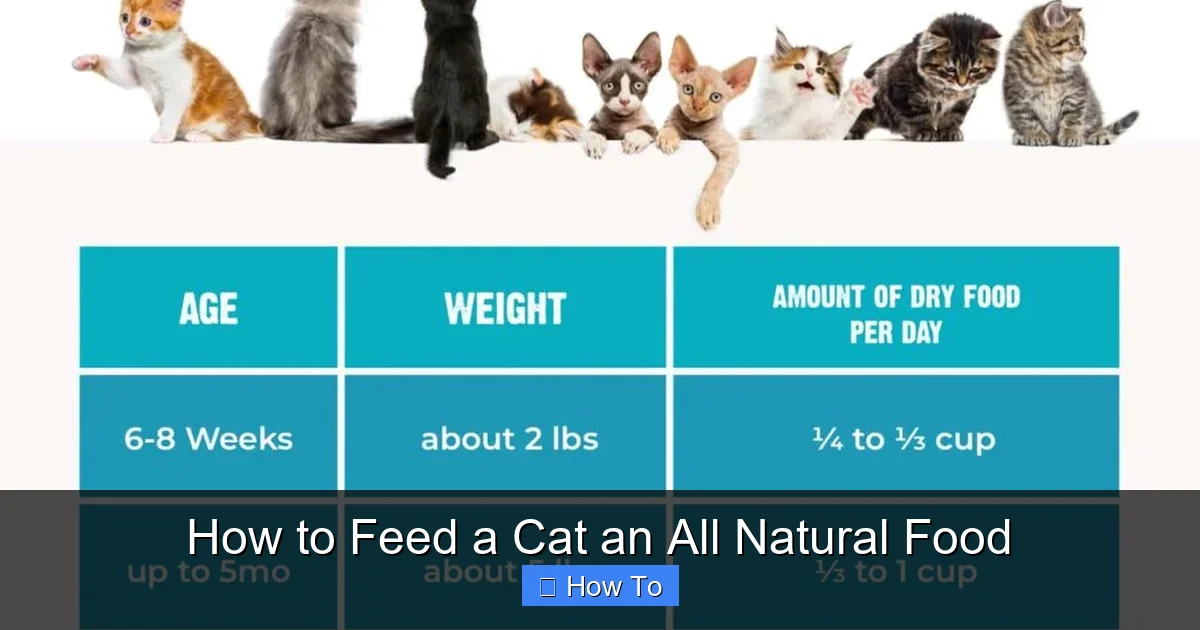
Visual guide about How to Feed a Cat an All Natural Food
Image source: rawznaturalpetfood.com
Before diving into the “how,” let’s talk about the “why.” Cats are obligate carnivores, which means their bodies are biologically designed to thrive on animal-based proteins and fats. Unlike dogs or humans, they can’t synthesize certain nutrients (like taurine, arachidonic acid, and vitamin A) from plant sources—so they must get them directly from meat.
Conventional cat foods often contain fillers like corn, soy, and wheat; artificial colors and flavors; and chemical preservatives such as BHA, BHT, or ethoxyquin. Over time, these ingredients may contribute to allergies, digestive issues, obesity, or even chronic diseases. In contrast, all-natural cat food focuses on whole, recognizable ingredients—real chicken, turkey, fish, or beef as the primary component—with no synthetic additives.
In 2026, the pet food industry has responded with innovative, science-backed formulations that prioritize bioavailability (how well your cat absorbs nutrients), sustainability, and transparency. Brands now use human-grade meats, fermentable fibers for gut health, and eco-friendly packaging. The result? Cats with shinier coats, better digestion, more energy, and fewer vet visits.
But remember: “natural” is not a regulated term by the FDA for pet food (unlike “organic”). That’s why it’s crucial to look beyond marketing claims and dig into the ingredient list and nutritional adequacy statement.
Step 1: Understand What “All Natural” Really Means
Not all “natural” labels are created equal. Here’s what to look for—and what to avoid—when evaluating cat food in 2026:
Look for Real Meat as the First Ingredient
The ingredient list is ordered by weight before cooking. Ideally, the first ingredient should be a named animal protein like “chicken,” “salmon,” or “turkey,” not “poultry by-product meal” or “meat meal.” Whole meats retain more moisture and nutrients than rendered meals.
Avoid Artificial Additives
Steer clear of:
– Artificial colors (e.g., Red 40, Blue 2)
– Artificial flavors
– Synthetic preservatives (BHA, BHT, propylene glycol)
– Sweeteners like corn syrup or cane molasses
Instead, seek natural preservatives like mixed tocopherols (vitamin E) or rosemary extract.
Check for Nutritional Adequacy
The package should include a statement from the Association of American Feed Control Officials (AAFCO) confirming the food meets nutritional standards for your cat’s life stage (kitten, adult, senior). This ensures the diet is complete and balanced—not just “natural” but also scientifically formulated.
Beware of Hidden Fillers
Even “grain-free” doesn’t guarantee quality. Some brands replace grains with potatoes, peas, or lentils—which can spike blood sugar and aren’t ideal for obligate carnivores. While small amounts are fine, they shouldn’t dominate the ingredient list.
Step 2: Choose the Right Type of All-Natural Food
In 2026, you have more options than ever. Each has pros and cons—choose based on your cat’s preferences, your lifestyle, and your budget.
Dry Kibble (Dehydrated or Air-Dried)
Modern all-natural kibble uses gentle dehydration or air-drying to preserve nutrients while extending shelf life. Brands like Open Farm, The Honest Kitchen, and Wellness CORE offer high-protein, low-carb formulas with recognizable ingredients.
Best for: Busy households, multi-cat homes, cats who prefer crunchy textures.
Wet Canned Food
Wet food has higher moisture content (70–80%), which supports urinary tract health—a major concern for cats. Look for pâtés or shredded meats in broth (not gravy with thickeners).
Best for: Cats prone to dehydration or urinary issues, picky eaters.
Fresh Refrigerated Meals
These are cooked, human-grade meals sold in chilled pouches or trays (e.g., Nom Nom, JustFoodForDogs). They’re minimally processed and often customized to your cat’s weight and activity level.
Best for: Owners willing to invest in premium nutrition and convenience.
Freeze-Dried or Frozen Raw
Raw diets mimic a cat’s ancestral diet. Freeze-dried options (like Stella & Chewy’s or Primal) are shelf-stable until rehydrated. Frozen raw requires thawing but retains more enzymes and moisture.
Best for: Owners committed to species-appropriate feeding; requires careful handling to avoid bacterial contamination.
Pro Tip: Many vets recommend a combination—e.g., wet food for hydration plus occasional raw treats—to balance nutrition and practicality.
Step 3: Transition Your Cat Gradually
Never switch foods abruptly. Cats have sensitive digestive systems, and sudden changes can cause vomiting, diarrhea, or refusal to eat.
Follow the 7–10 Day Transition Plan
- Days 1–2: 25% new food + 75% old food
- Days 3–4: 50% new + 50% old
- Days 5–6: 75% new + 25% old
- Day 7 onward: 100% new food
If your cat shows signs of upset (loose stools, gassiness), slow down the process—extend each phase by 1–2 days.
Make It Appealing
Warm wet food slightly (to body temperature) to enhance aroma. Add a splash of bone broth (unsalted, onion-free) or sprinkle freeze-dried chicken topper to entice hesitant eaters.
Be Patient with Picky Cats
Some cats resist change. Try offering small portions multiple times a day. Never withhold food for more than 24 hours—it can lead to hepatic lipidosis (fatty liver disease), a serious condition.
Step 4: Determine the Right Portion Size
Overfeeding is a common issue—even with healthy food. Obesity leads to diabetes, joint problems, and reduced lifespan.
Use Feeding Guidelines as a Starting Point
Check the bag or can for recommended daily amounts based on your cat’s weight. But remember: these are estimates. Adjust based on your cat’s body condition.
Assess Body Condition Weekly
Run your hands along your cat’s ribs. You should feel them easily but not see them prominently. From above, you should see a slight waist. If unsure, ask your vet for a body condition score (BCS).
Factor in Activity Level and Age
– Kittens: Need 2–3x more calories per pound than adults—feed multiple small meals.
– Adults: Typically 20–30 calories per pound of ideal body weight.
– Seniors: May need fewer calories but more fiber and joint support.
– Indoor cats: Often less active—reduce portions by 10–15%.
Example: A 10-pound indoor adult cat needs ~250–300 calories/day. If feeding a 5.5 oz can of wet food (≈180 kcal), supplement with ~1/4 cup of high-protein kibble (≈120 kcal).
Step 5: Establish a Feeding Routine
Cats thrive on consistency. A predictable schedule reduces stress and helps regulate digestion.
Free-Feeding vs. Scheduled Meals
– Free-feeding (leaving dry food out all day): Convenient but can lead to overeating and spoilage. Only recommended for highly self-regulating cats.
– Scheduled meals (2–3 times daily): Better for portion control and bonding. Ideal for most cats, especially if combining wet and dry food.
Use Puzzle Feeders or Slow Feeders
These devices slow down eating, prevent gulping, and provide mental stimulation—great for indoor cats.
Always Provide Fresh Water
Even on wet food, cats need access to clean water. Consider a cat water fountain—many prefer running water, which encourages drinking.
Step 6: Monitor Your Cat’s Health and Adjust as Needed
The best way to know if the new diet is working is to observe your cat.
Positive Signs
– Shinier, softer coat
– Firm, well-formed stools (not too frequent or loose)
– Stable or ideal weight
– Bright eyes and high energy
– Reduced hairballs or vomiting
Red Flags
– Persistent diarrhea or vomiting
– Lethargy or weight loss
– Excessive thirst or urination
– Bad breath or dental issues
– Allergic reactions (itching, ear infections)
If any of these occur, consult your vet. Sometimes “natural” ingredients like novel proteins (duck, rabbit) or legumes can trigger sensitivities.
Schedule Regular Vet Checkups
Even healthy cats should see a vet annually. Bloodwork can reveal early signs of kidney disease, thyroid issues, or nutrient deficiencies—especially important if feeding raw or homemade diets.
Step 7: Store Food Properly
Improper storage can spoil even the best food and reduce nutrient quality.
Dry Food
Keep in the original bag inside an airtight container. Store in a cool, dry place (not the garage in summer!). Use within 6 weeks of opening.
Wet or Fresh Food
Refrigerate opened cans or trays immediately. Use within 3–5 days. Never leave wet food out for more than 2 hours (1 hour in hot weather) to avoid bacterial growth.
Raw or Freeze-Dried
Follow package instructions. Freeze-dried should stay sealed until use; raw must be thawed in the fridge—not on the counter.
Troubleshooting Common Issues
My Cat Won’t Eat the New Food
Try rotating between 2–3 trusted brands or textures (pâté, shreds, mousse). Some cats prefer fish-based proteins; others favor poultry. Offer small samples before committing to a full case.
The Food Is Too Expensive
All-natural doesn’t have to break the bank. Buy in bulk during sales, subscribe for discounts, or mix premium wet food with affordable high-quality kibble. Prioritize wet food for hydration—it’s often worth the extra cost.
I’m Worried About Raw Food Safety
Handle raw food like raw chicken: wash bowls, hands, and surfaces thoroughly. Freeze raw meat for 48 hours before feeding to reduce parasite risk. Choose brands that use high-pressure processing (HPP) to kill pathogens.
My Cat Has a Medical Condition
Kidney disease, diabetes, or food allergies require specialized diets. Work with your vet or a veterinary nutritionist to find an all-natural option that meets medical needs—many therapeutic diets now offer natural formulations.
Top All-Natural Cat Food Brands in 2026
While brand loyalty is personal, these companies consistently rank high for ingredient quality, transparency, and feline health outcomes:
– Open Farm: Human-grade, traceable ingredients; sustainable sourcing.
– The Honest Kitchen: Dehydrated whole foods; gently cooked.
– Nom Nom: Fresh, portioned meals delivered; vet-formulated.
– Stella & Chewy’s: Freeze-dried raw with probiotics.
– Wellness CORE: High-protein, grain-free wet and dry options.
– JustFoodForDogs (now for cats too!): Custom fresh meals with vet oversight.
Always check recent reviews and recall history—even top brands can have issues.
Final Thoughts: Your Cat Deserves the Best
Feeding your cat an all-natural diet isn’t just a trend—it’s a commitment to their long-term health and happiness. In 2026, with advancements in pet nutrition and greater access to clean ingredients, there’s never been a better time to make the switch. Remember, the goal isn’t perfection—it’s progress. Start small, stay consistent, and celebrate every improvement, from a glossier coat to a more playful purr.
Your cat can’t read labels or research brands—but you can. By choosing thoughtfully, transitioning wisely, and staying attuned to your pet’s needs, you’re giving them the gift of vibrant, natural living. And that’s something worth celebrating at every mealtime.