
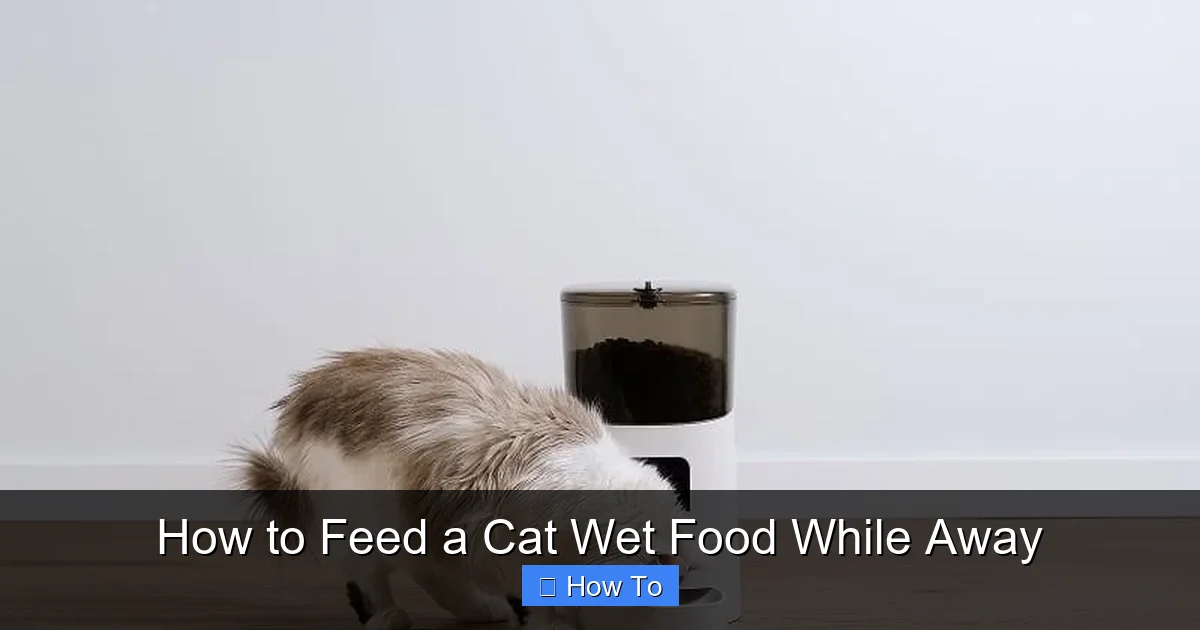
Leaving your cat alone doesn’t mean skipping wet food. This guide shows you how to safely feed wet food while you’re away using smart feeders, portion control, and freshness tips. Keep your cat happy, healthy, and well-fed—even when you’re not home.
Key Takeaways
- Use automated wet food feeders: Modern smart feeders can dispense fresh wet food on a schedule, keeping meals timely and safe.
- Pre-portion meals in advance: Freeze individual servings in airtight containers to preserve freshness and prevent spoilage.
- Choose the right storage method: Use vacuum-sealed or BPA-free containers to extend shelf life and avoid contamination.
- Monitor your cat remotely: Wi-Fi-enabled feeders with cameras let you check in and ensure your cat is eating properly.
- Plan for short and long absences: Adjust feeding strategies based on how long you’ll be away—overnight vs. multiple days.
- Test equipment before leaving: Always do a trial run to confirm the feeder works and your cat accepts the setup.
- Consult your vet for special diets: Cats with health issues may need tailored feeding plans—always get professional advice.
How to Feed a Cat Wet Food While Away
Leaving your cat behind when you travel can be stressful—especially if they’re used to fresh wet food every day. Unlike dry kibble, wet food spoils quickly once opened, making it tricky to leave out for long periods. But don’t worry: with the right tools and planning, you can keep your cat well-fed, hydrated, and happy—even when you’re miles away.
In 2026, pet technology has advanced significantly, offering smart solutions that make feeding wet food remotely easier than ever. From Wi-Fi-enabled feeders to vacuum-sealed meal prep, there are now reliable ways to ensure your cat gets their favorite meals on time, without risking spoilage or waste.
This guide will walk you through every step—from choosing the right equipment to prepping meals and troubleshooting common issues. Whether you’re gone for a night or a week, you’ll learn how to feed your cat wet food safely and effectively. By the end, you’ll feel confident leaving home, knowing your furry friend is in good hands.
Why Wet Food Matters for Cats

Visual guide about How to Feed a Cat Wet Food While Away
Image source: mybritishshorthair.com
Before diving into the how-to, it’s important to understand why wet food is often the best choice for cats—and why it’s worth the extra effort to keep serving it while you’re away.
Cats are obligate carnivores, meaning their bodies are designed to thrive on animal-based proteins and moisture-rich diets. Unlike dogs, cats don’t have a strong thirst drive, so they rely heavily on food for hydration. Wet food typically contains 70–80% water, which helps support kidney function, prevent urinary tract issues, and maintain overall health.
In fact, studies from 2025 show that cats fed a wet food diet have a 30% lower risk of developing chronic kidney disease compared to those on dry food alone. Wet food also tends to be more palatable, encouraging picky eaters to consume enough calories.
So, while dry food might be convenient for travel, it’s not always the healthiest option. If your cat is used to wet food, sticking to their routine—even when you’re away—can prevent digestive upset, dehydration, and stress.
Assess How Long You’ll Be Away
The first step in planning how to feed your cat wet food while away is determining the length of your trip. Your strategy will vary significantly depending on whether you’re gone for one night or five days.
Short Absences (1–2 Days)
For short trips, the solution is often simpler. You may not need high-tech feeders—just smart prep and timing.
- Feed right before leaving: Give your cat a full meal of wet food just before you head out. This ensures they’re satisfied and reduces the chance they’ll be hungry soon after you leave.
- Leave a small second portion: If your cat eats twice a day, leave a second serving in a covered dish. Use a ceramic or stainless steel bowl (not plastic, which can harbor bacteria).
- Use a cooling method: Place the food bowl on a cooling mat or near a fan to slow spoilage. Avoid leaving food in direct sunlight or warm rooms.
Tip: Most wet food should be discarded after 4 hours at room temperature. If your home is warm (above 75°F/24°C), consider refrigerating the second portion and using a timed feeder to dispense it later.
Medium Absences (3–5 Days)
For trips lasting a few days, automation becomes essential. Relying on a neighbor to come daily works, but it’s not always reliable. A smart feeder is a better long-term solution.
- Invest in a wet food-compatible feeder: Look for models designed to handle moist food without clogging or spoiling.
- Pre-portion meals: Divide your cat’s daily intake into individual servings and store them properly.
- Use a pet sitter or camera: Even with a feeder, it’s wise to have someone check in or use a pet camera to monitor your cat’s behavior.
Long Absences (6+ Days)
For extended trips, you’ll need a combination of technology, meal prep, and human support.
- Hire a professional pet sitter: A trusted sitter can feed fresh wet food daily, clean bowls, and provide companionship.
- Use a multi-day smart feeder: Some 2026 models can hold up to 7 days of wet food with refrigeration or ice packs.
- Combine with dry food: If your cat tolerates it, offer a mix of wet and dry food to extend feeding options.
No matter the length of your trip, planning ahead is key. The more prepared you are, the less stress you—and your cat—will experience.
Choose the Right Wet Food Feeder
Not all pet feeders are created equal. Most standard automatic feeders are designed for dry kibble and can’t handle wet food without clogging or spoilage. In 2026, however, several advanced models are built specifically for wet food.
Features to Look For
When shopping for a wet food feeder, prioritize these features:
- Refrigeration or cooling system: Built-in cooling trays or ice packs help keep food fresh for hours after dispensing.
- Portion control: Adjustable serving sizes ensure your cat gets the right amount at each meal.
- Wi-Fi connectivity: Allows remote scheduling, monitoring, and alerts via a smartphone app.
- Camera and two-way audio: Lets you see and talk to your cat, reducing anxiety for both of you.
- Easy cleaning: Dishwasher-safe parts or removable trays make maintenance simple.
- Battery backup: Ensures the feeder works during power outages.
Top Wet Food Feeders in 2026
Here are three highly rated options available this year:
1. PetSafe SmartFeed Wet Food Dispenser
This model features a rotating tray with four compartments, each holding up to 1 cup of wet food. It includes a cooling gel pack that snaps into the base, keeping food fresh for up to 8 hours. The app lets you schedule up to 6 meals per day and sends notifications when food is dispensed.
2. Wopet SmartCam Feeder Pro
With a built-in HD camera, night vision, and two-way audio, this feeder lets you interact with your cat in real time. It holds 6 pre-portioned meals and uses vacuum sealing to extend freshness. The app also tracks eating habits and alerts you if your cat skips a meal.
3. CatMate C500 Multi-Day Feeder
A more affordable option, this feeder uses ice packs beneath five sealed compartments. It’s not Wi-Fi enabled, but it’s reliable for 3–5 days. Ideal for pet owners who want simplicity without smart features.
What to Avoid
Avoid feeders that:
- Only work with dry food
- Have small, hard-to-clean parts
- Don’t offer portion control
- Use flimsy plastic that can crack or harbor bacteria
Always read reviews and check for recalls before purchasing. A good feeder is an investment in your cat’s health and your peace of mind.
Pre-Portion and Store Wet Food Properly
Even the best feeder won’t work if the food spoils before it’s eaten. Proper storage is critical when feeding wet food remotely.
Step-by-Step Meal Prep
Follow these steps to prepare wet food for your trip:
1. Calculate Daily Needs
Most adult cats need about 3–5 ounces of wet food per day, depending on size and activity level. Check the feeding guidelines on the can or consult your vet.
2. Divide into Meals
If your cat eats twice a day, split the daily amount into two equal portions. For three meals, divide accordingly.
3. Use Airtight Containers
Transfer each portion into BPA-free, airtight containers. Silicone molds or reusable food pods work well and fit easily into feeders.
4. Label and Date
Write the date and meal number on each container. This helps you stay organized and ensures older food is used first.
5. Freeze for Long-Term Storage
Freeze portions up to 2 weeks in advance. Thaw in the refrigerator 4–6 hours before use. Never thaw at room temperature.
Storage Tips for Freshness
- Refrigerate thawed food: Once thawed, keep wet food in the fridge for up to 5 days.
- Use vacuum sealing: Vacuum-sealed bags or containers reduce air exposure and extend freshness by up to 3 times.
- Avoid metal containers: Some cats dislike the taste of food stored in metal. Stick to glass or BPA-free plastic.
- Don’t refreeze thawed food: This can degrade texture and increase bacterial growth.
Example: 3-Day Trip Prep
Let’s say your cat eats 4 ounces of wet food per day, split into two meals.
- Day 1: 2 oz (breakfast), 2 oz (dinner)
- Day 2: 2 oz (breakfast), 2 oz (dinner)
- Day 3: 2 oz (breakfast), 2 oz (dinner)
Total: 12 ounces (6 portions of 2 oz each)
Prep:
- Divide 12 oz into six 2-oz portions.
- Place each in a labeled silicone pod.
- Freeze all pods.
- Thaw in fridge the night before your trip.
- Load into feeder compartments the morning you leave.
This method ensures fresh, safe meals every time.
Set Up and Test Your Feeder
A feeder is only as good as its setup. Even the most advanced model can fail if not installed or tested properly.
Installation Steps
1. Read the Manual
Every feeder is different. Follow the manufacturer’s instructions for assembly, charging, and app setup.
2. Charge Fully
Ensure the battery is 100% charged before you leave. Some feeders also support USB-C fast charging.
3. Connect to Wi-Fi
Download the companion app and connect the feeder to your home network. Test the connection by sending a remote dispense command.
4. Load Food Correctly
Place portions in the correct compartments. Avoid overfilling, which can cause jamming.
5. Set the Schedule
Program meal times to match your cat’s routine. Consistency reduces stress.
Conduct a Trial Run
Never leave without testing the system. Do a 24-hour trial:
- Set the feeder to dispense one meal at the usual time.
- Check if the food is released properly.
- Ensure your cat eats it without hesitation.
- Monitor for any malfunctions or spills.
If something goes wrong, troubleshoot before your trip. Common issues include clogged dispensers, app disconnections, or food sticking to trays.
Troubleshooting Common Problems
Problem: Food doesn’t dispense.
Solution: Check for blockages, ensure the tray is aligned, and confirm the battery is charged.
Problem: App won’t connect.
Solution: Restart the feeder and router, re-enter Wi-Fi credentials, and update the app.
Problem: Food smells off.
Solution: Clean the feeder thoroughly. Use only fresh, properly stored food.
Problem: Cat ignores the food.
Solution: Try a different brand or flavor. Some cats are wary of new feeders—introduce it gradually before your trip.
Monitor Your Cat Remotely
One of the biggest concerns when leaving your cat is not knowing how they’re doing. In 2026, remote monitoring tools make it easier than ever to stay connected.
Use a Pet Camera
A Wi-Fi pet camera lets you check in anytime. Look for models with:
- Night vision
- Motion detection
- Two-way audio
- Cloud storage
Popular options include the Furbo 360 and Petcube Bites 2. These cameras can even dispense treats remotely, adding enrichment.
Check Feeder Notifications
Many smart feeders send alerts when:
- A meal is dispensed
- Food is running low
- The battery is low
- Your cat approaches the feeder
These notifications give you peace of mind and help you respond quickly if something’s wrong.
Ask a Friend or Sitter to Check In
Even with technology, human oversight is valuable. Ask a trusted friend, family member, or professional pet sitter to:
- Visit once a day (for longer trips)
- Check food and water levels
- Clean bowls and litter box
- Spend time with your cat
Provide clear instructions, including feeding times, portion sizes, and emergency contacts.
Special Considerations for Health and Diet
Not all cats can follow the same feeding plan. If your cat has health issues, extra care is needed.
Cats with Medical Conditions
Cats with diabetes, kidney disease, or obesity may require strict feeding schedules or special diets.
- Diabetic cats: Need meals at exact times to regulate insulin. Use a feeder with precise timing and consult your vet about portion control.
- Kidney disease: Benefit from high-moisture diets. Wet food is ideal, but ensure it’s low in phosphorus if recommended.
- Obese cats: May need measured portions to prevent overeating. Use a feeder with portion control and avoid free-feeding.
Always discuss travel plans with your vet. They may adjust medication timing or recommend a temporary diet change.
Picky Eaters
Some cats refuse food from new feeders or dislike cold food.
- Warm the food slightly: Use a warming tray (available in some feeders) or microwave the portion for 5–10 seconds before loading.
- Gradual introduction: Let your cat explore the feeder while you’re home. Offer treats near it to build positive associations.
- Stick to familiar brands: Avoid switching food right before a trip. Sudden changes can cause digestive upset.
Kittens and Senior Cats
- Kittens: Need frequent meals (3–4 per day). Use a feeder with multiple compartments or combine with a pet sitter.
- Senior cats: May have slower metabolisms or dental issues. Choose soft, easy-to-eat wet food and monitor appetite closely.
Alternative Solutions When Feeders Aren’t an Option
Smart feeders are great, but they’re not the only way to feed wet food remotely.
Use a Pet Sitter
Hiring a professional sitter is often the best choice for long trips. They can:
- Feed fresh wet food daily
- Provide companionship
- Administer medication
- Send photo updates
Sites like Rover and Care.com make it easy to find trusted sitters in your area.
Ask a Trusted Friend or Neighbor
If cost is a concern, ask someone you know to help. Offer to return the favor or pay a small fee.
Provide a detailed care sheet with:
- Feeding instructions
- Emergency vet info
- Your contact details
- Litter box cleaning tips
Combine Wet and Dry Food
If your cat tolerates dry food, consider a mixed approach:
- Use wet food for morning and evening meals (via feeder or sitter)
- Leave a small amount of dry food out for snacking
This reduces reliance on automation and ensures your cat always has something to eat.
Final Tips for a Stress-Free Trip
Leaving your cat doesn’t have to be stressful. Follow these final tips for a smooth experience:
- Maintain routine: Keep feeding, play, and sleep schedules as consistent as possible.
- Leave familiar scents: Leave worn clothing or a favorite blanket to comfort your cat.
- Provide enrichment: Puzzle feeders, toys, and scratching posts keep your cat entertained.
- Check the weather: Extreme heat or cold can affect food spoilage and your cat’s comfort.
- Have a backup plan: Know who to call if the feeder fails or your cat gets sick.
Conclusion
Feeding your cat wet food while you’re away is not only possible—it’s practical and beneficial in 2026. With smart feeders, proper meal prep, and remote monitoring, you can ensure your cat stays healthy, hydrated, and happy, no matter how far you travel.
The key is planning ahead, choosing the right tools, and testing everything before you go. Whether you’re gone for a night or a week, your cat deserves the same quality care they get when you’re home.
By following this guide, you’ll reduce stress, prevent health issues, and enjoy your trip with confidence. After all, a well-fed cat is a happy cat—and a happy cat means peace of mind for you.
So go ahead, pack your bags, and rest easy knowing your feline friend is in good hands.