
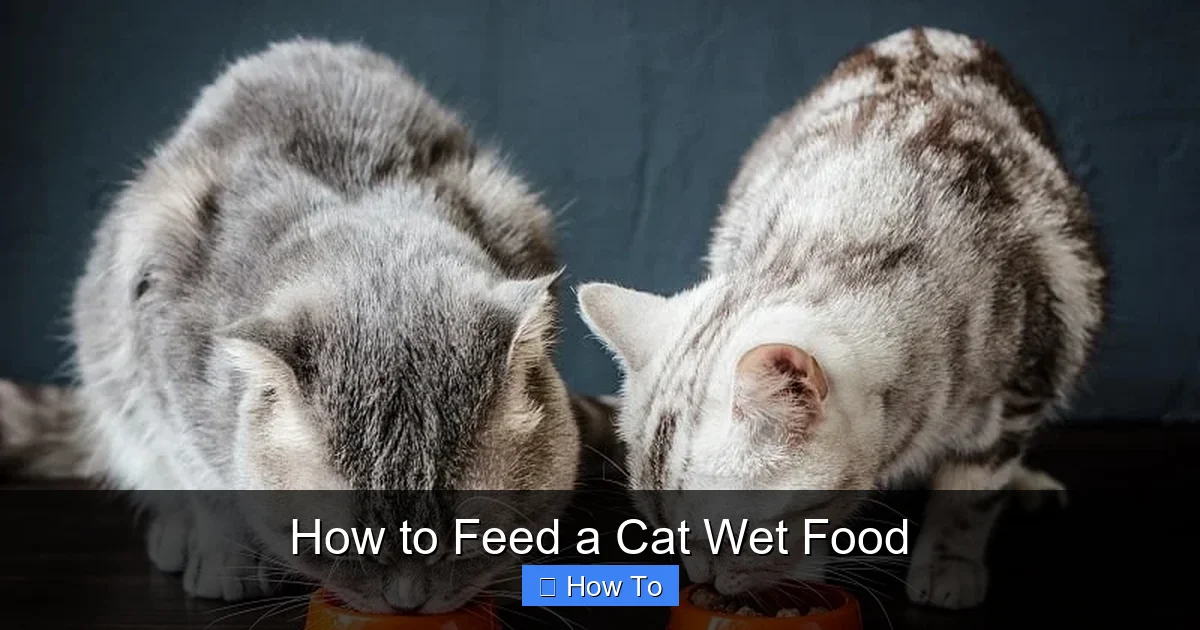
Feeding your cat wet food properly supports hydration, digestion, and overall health. This guide walks you through choosing the right food, establishing a feeding routine, storing meals safely, and solving common challenges—all tailored for modern pet parents in 2026.
Key Takeaways
- Choose high-quality wet food: Look for real meat as the first ingredient, minimal fillers, and AAFCO compliance to ensure balanced nutrition.
- Feed on a consistent schedule: Most adult cats thrive on two meals per day, while kittens may need three to four smaller portions.
- Store opened cans safely: Refrigerate leftovers in an airtight container for up to 5 days—never leave wet food out for more than 2 hours at room temperature.
- Monitor portion sizes: Follow feeding guidelines on the label and adjust based on your cat’s age, weight, and activity level to prevent obesity or underfeeding.
- Introduce changes gradually: If switching brands or formulas, mix old and new food over 7–10 days to avoid digestive upset.
- Use clean bowls and fresh water: Wash food bowls daily with soap and water, and always provide access to clean drinking water alongside wet meals.
- Watch for signs of food intolerance: Vomiting, diarrhea, or refusal to eat may indicate allergies—consult your vet if symptoms persist.
Why Wet Food Matters for Cats in 2026
As we move further into 2026, pet nutrition science continues to evolve—and one truth remains clear: wet food is one of the best dietary choices for most cats. Unlike dogs, cats are obligate carnivores, meaning their bodies are designed to get moisture and nutrients primarily from animal-based sources. Unfortunately, many commercial dry foods are high in carbohydrates and low in water content, which can contribute to chronic dehydration, urinary tract issues, and obesity.
Wet food, on the other hand, typically contains 70–80% water—closer to what your cat would consume in the wild. This natural hydration supports kidney function, reduces the risk of urinary crystals, and helps maintain a healthy weight. In 2026, with rising awareness of feline health and advances in pet food formulation, more veterinarians recommend incorporating wet food into your cat’s daily diet—whether as a complete meal or a supplement to dry kibble.
This guide will walk you through everything you need to know about feeding your cat wet food the right way: from selecting the best products and setting up a feeding routine, to storing leftovers safely and troubleshooting common problems. Whether you’re a first-time cat parent or looking to optimize your current feeding strategy, these practical steps will help keep your feline friend happy, hydrated, and healthy.
Step 1: Choose the Right Wet Food for Your Cat
Not all wet cat foods are created equal. With hundreds of brands and formulas on the market in 2026, it’s important to read labels carefully and prioritize quality over price or convenience.

Visual guide about How to Feed a Cat Wet Food
Image source: foodypaws.com
Look for High-Quality Ingredients
Start by checking the ingredient list. The first ingredient should be a named animal protein—like “chicken,” “turkey,” or “salmon”—not vague terms like “meat by-products” or “animal digest.” Avoid foods with excessive fillers such as corn, wheat, soy, or artificial preservatives (like BHA or BHT). In 2026, many premium brands now use clean-label formulations with natural preservatives like mixed tocopherols (vitamin E).
Also, check for AAFCO (Association of American Feed Control Officials) statements on the packaging. This ensures the food meets minimum nutritional standards for your cat’s life stage—kitten, adult, or senior.
Consider Your Cat’s Age, Health, and Preferences
Kittens need higher levels of protein and calories for growth, so choose a formula labeled “kitten” or “growth.” Senior cats may benefit from lower-phosphorus options to support kidney health, while cats with sensitive stomachs might do better with limited-ingredient diets.
Don’t forget taste! Some cats prefer pâté, while others love shredded or gravy-based textures. If your cat is picky, try small sample packs before committing to a full case. Many pet stores and online retailers now offer subscription services with flexible delivery and easy returns—perfect for testing new flavors without waste.
Wet Food vs. Raw or Homemade Diets
While raw and homemade diets are gaining popularity in 2026, they require careful planning to avoid nutritional imbalances or bacterial contamination. Wet commercial food offers a safe, convenient, and nutritionally complete alternative. If you’re considering raw feeding, consult your veterinarian first—and never replace wet food entirely without professional guidance.
Step 2: Determine the Right Portion Size
Overfeeding is a common mistake that can lead to obesity, while underfeeding may cause malnutrition or excessive begging. The key is to feed the right amount based on your cat’s individual needs.
Check the Feeding Guidelines
Most wet food cans or pouches include a feeding chart on the label. These are based on average weight and activity level. For example, a 10-pound adult cat might need about 5.5 to 6.5 ounces (roughly one 5.5-oz can) per day, split into two meals.
However, these are just starting points. Active cats may need more; sedentary or older cats may need less. Use the guidelines as a baseline, then adjust based on your cat’s body condition.
Monitor Your Cat’s Weight and Body Condition
A healthy cat should have a slight waist when viewed from above and you should be able to feel—but not see—their ribs. If your cat is gaining weight, reduce portions slightly. If they’re losing weight or seem lethargic, increase food or consult your vet.
In 2026, smart feeders with built-in scales and portion control are becoming more common. These devices can help track intake and prevent overfeeding, especially in multi-cat households.
Adjust for Treats and Other Foods
Remember: treats should make up no more than 10% of your cat’s daily caloric intake. If you’re giving wet food plus treats or supplements, reduce the main meal accordingly to avoid excess calories.
Step 3: Establish a Consistent Feeding Schedule
Cats thrive on routine. A predictable feeding schedule helps regulate digestion, reduces anxiety, and prevents overeating.
How Many Meals Per Day?
Most adult cats do well with two meals per day—once in the morning and once in the evening. This mimics their natural hunting rhythm and helps maintain stable energy levels.
Kittens under six months old have faster metabolisms and smaller stomachs, so they typically need three to four small meals daily. Senior cats or those with medical conditions (like diabetes) may also benefit from more frequent, smaller meals—your vet can recommend the best schedule.
Stick to the Same Times Each Day
Try to feed your cat at the same times every day. For example, 7 a.m. and 7 p.m. Consistency helps your cat know when to expect food, which can reduce begging and nighttime meowing.
If your schedule changes, gradually shift feeding times by 15–30 minutes per day until you reach the new routine. Sudden changes can upset your cat’s stomach or cause stress.
Use Mealtime as Bonding Time
Feeding isn’t just about nutrition—it’s also a chance to connect with your cat. Sit with them during meals, offer gentle praise, or use mealtime as a reward for good behavior. This strengthens your bond and makes eating a positive experience.
Step 4: Serve the Food Properly
How you serve wet food matters just as much as what you serve. Proper presentation ensures your cat enjoys their meal and stays healthy.
Use Clean Bowls
Always serve wet food in a clean bowl. Bacteria can grow quickly on food residue, leading to digestive upset or infections. Wash food bowls daily with hot, soapy water—or run them through the dishwasher if they’re dishwasher-safe.
Avoid plastic bowls, which can harbor bacteria and cause chin acne in some cats. Stainless steel or ceramic bowls are better choices—they’re easy to clean, non-porous, and durable.
Serve at Room Temperature
Cats prefer food that’s close to body temperature (around 90–100°F). Cold food straight from the fridge can be unappetizing and harder to digest. Take the portion you need out of the refrigerator 15–20 minutes before feeding, or gently warm it in a bowl of warm water (never microwave directly, as it can create hot spots).
If you’re using a smart feeder, some models now include warming trays to keep food at the ideal temperature until serving.
Offer Fresh Water Alongside
Even though wet food is hydrating, your cat still needs access to fresh water at all times. Place a clean water bowl near the food bowl, and change the water daily. Some cats prefer running water—consider a cat fountain to encourage drinking.
Step 5: Store Wet Food Safely
Proper storage prevents spoilage, maintains flavor, and keeps your cat safe from foodborne illness.
Unopened Cans and Pouches
Store unopened wet food in a cool, dry place—like a pantry or cupboard. Avoid areas with high heat or humidity, such as near ovens or windows. Most wet food has a shelf life of 1–2 years when unopened, but always check the “best by” date.
Opened Cans and Pouches
Once opened, wet food should be refrigerated immediately. Transfer any unused portion to an airtight container—don’t leave it in the original can, as the metal can impart a metallic taste and promote bacterial growth.
Label the container with the date and use it within 3–5 days. In 2026, reusable silicone lids and pet-safe storage containers make this easier than ever.
Never Leave Wet Food Out Too Long
At room temperature, bacteria can multiply rapidly. Discard any wet food that’s been left out for more than 2 hours—or 1 hour if the room is above 90°F. This is especially important in summer or in homes without air conditioning.
If your cat doesn’t finish their meal, cover the bowl and refrigerate the leftovers for their next feeding. Don’t leave partial meals out all day—this encourages picky eating and increases spoilage risk.
Step 6: Transition to Wet Food Gradually (If Needed)
If your cat is used to dry food, switching to wet food should be done slowly to avoid digestive issues like diarrhea or vomiting.
Mix Old and New Food
Start by mixing a small amount of wet food into their regular dry food—about 25% wet, 75% dry. Over the next 7–10 days, gradually increase the proportion of wet food while decreasing the dry.
For example:
- Days 1–2: 25% wet, 75% dry
- Days 3–4: 50% wet, 50% dry
- Days 5–6: 75% wet, 25% dry
- Day 7+: 100% wet food
Watch for Digestive Changes
Some cats may experience loose stools during the transition. This is usually temporary. If symptoms persist beyond a few days, slow down the transition or consult your vet. You may need to try a different formula or add a probiotic supplement.
Be Patient with Picky Eaters
Not all cats will take to wet food immediately. Some may sniff, walk away, or only eat the gravy. Try warming the food slightly, adding a sprinkle of tuna juice, or mixing in a favorite treat. Never force-feed—this can create negative associations with mealtime.
Troubleshooting Common Wet Food Feeding Issues
Even with the best intentions, you might run into challenges. Here’s how to handle the most common problems.
My Cat Won’t Eat Wet Food
Start by ruling out medical issues—loss of appetite can signal dental pain, illness, or stress. If your vet gives the all-clear, try different textures, flavors, or brands. Some cats prefer fish-based formulas, while others love poultry. Offer small samples and let your cat choose.
Also, ensure the food isn’t too cold or spoiled. And remember: cats can be neophobic (fearful of new things). It may take 10–15 exposures before they accept a new food.
My Cat Eats Too Fast
Fast eating can lead to vomiting or choking. Slow down your cat with puzzle feeders, food-dispensing toys, or by spreading the food thinly on a flat plate. You can also divide one meal into two smaller servings 30 minutes apart.
Food Spoils Before My Cat Finishes It
If your cat only eats part of their meal, refrigerate the leftovers and offer them at the next feeding. If they consistently leave food, reduce the portion size. Over time, you’ll learn their exact appetite.
My Cat Gets Diarrhea After Eating Wet Food
This could be due to a sudden diet change, food intolerance, or contamination. Ensure the food is fresh and stored properly. If symptoms continue, switch to a hypoallergenic or limited-ingredient formula and consult your vet.
Multi-Cat Household Challenges
In homes with multiple cats, dominant cats may steal food or stress others during mealtime. Feed cats in separate rooms or use timed feeders that open only for specific cats (via microchip or collar tag). This ensures each cat gets their fair share without competition.
Final Tips for Success in 2026
Feeding wet food is one of the simplest ways to improve your cat’s health—but it requires consistency, attention, and a little know-how. As pet technology advances in 2026, tools like smart feeders, hydration monitors, and AI-powered nutrition apps can help you stay on track. However, nothing replaces observation and love.
Pay attention to your cat’s behavior, weight, and litter box habits. These are the best indicators of whether their diet is working. And remember: every cat is unique. What works for one may not work for another. Stay flexible, stay informed, and always prioritize your cat’s well-being.
With the right approach, wet food can become a joyful, nourishing part of your cat’s daily life—keeping them hydrated, healthy, and purring for years to come.