

Feeding your cat human food can be safe and nutritious—if done correctly. This guide explains which foods are safe, how to prepare them, and what to avoid, ensuring your feline friend stays healthy and happy in 2026.
Key Takeaways
- Not all human food is safe for cats: Many common foods like chocolate, onions, and garlic are toxic and must be avoided at all costs.
- Cats are obligate carnivores: Their diet must be high in animal protein, so human food should complement, not replace, their regular cat food.
- Portion control is crucial: Human food should make up no more than 10% of your cat’s daily caloric intake to prevent nutritional imbalances.
- Always cook proteins thoroughly: Raw meat, eggs, or fish can carry harmful bacteria like Salmonella or E. coli that affect both cats and humans.
- Introduce new foods slowly: Sudden dietary changes can cause digestive upset, so gradually mix small amounts into their regular meals.
- Consult your vet first: Especially if your cat has health conditions like diabetes, kidney disease, or food allergies.
- Use human food as treats or supplements: Think of it as a special addition, not a meal replacement, to keep your cat’s diet balanced and safe.
How to Feed a Cat with Human Food: A Complete 2026 Guide
Welcome, cat parent! If you’ve ever looked at your feline friend gazing longingly at your dinner plate, you’re not alone. Many of us wonder: Can I share my food with my cat? The short answer is yes—but with important caveats. In 2026, with growing awareness of pet nutrition and holistic pet care, more cat owners are exploring safe ways to incorporate human food into their cat’s diet. This guide will walk you through everything you need to know about feeding your cat human food safely, responsively, and nutritiously.
You’ll learn which foods are safe, how to prepare them, what to avoid, and how to balance treats with your cat’s regular diet. Whether you’re looking to spice up mealtime, use up leftovers, or support your cat’s health naturally, this guide has you covered. By the end, you’ll feel confident making smart, vet-approved choices that keep your furry companion healthy and happy.
Understanding Your Cat’s Nutritional Needs
Before diving into the world of human food, it’s essential to understand what your cat truly needs to thrive. Cats are obligate carnivores, meaning their bodies are designed to digest and absorb nutrients primarily from animal-based proteins. Unlike dogs or humans, cats cannot synthesize certain nutrients—like taurine, arachidonic acid, and vitamin A—on their own. These must come from their diet.
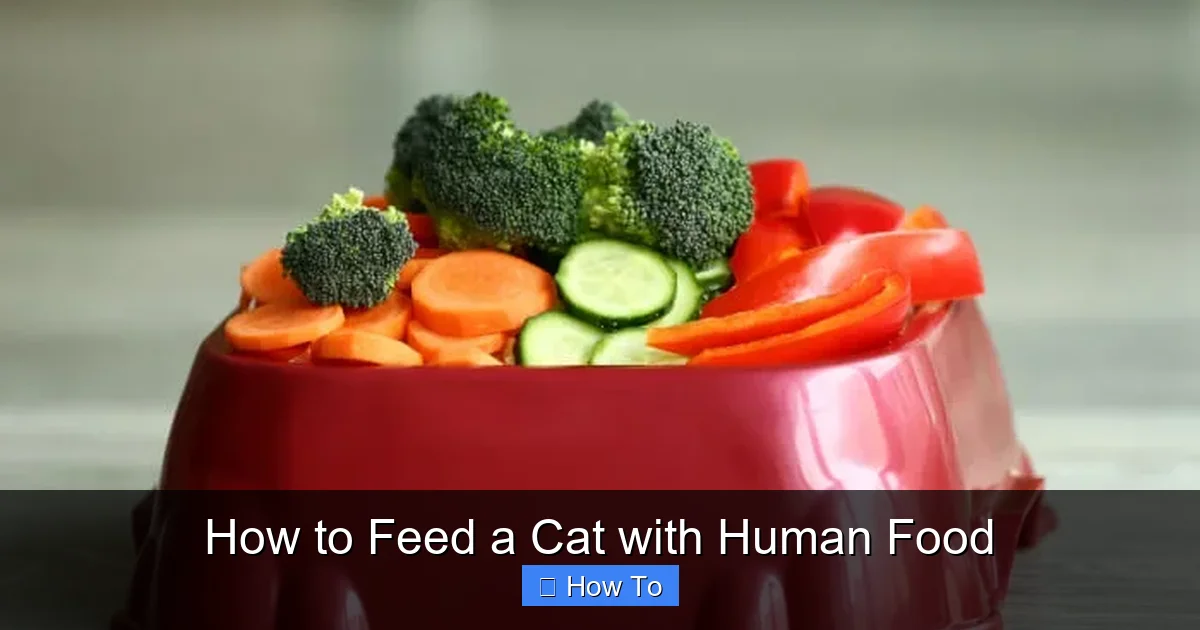
Visual guide about How to Feed a Cat with Human Food
Image source: cavapoolove.com
In the wild, cats eat small prey like mice and birds, which provide a balanced mix of protein, fat, moisture, and essential amino acids. Commercial cat food is formulated to mimic this natural diet. When you introduce human food, you’re essentially adding a supplement or treat—not a replacement for their core nutrition.
According to the 2026 American Association of Feline Practitioners (AAFP) guidelines, treats and supplemental foods—including human food—should not exceed 10% of your cat’s daily caloric intake. For an average 10-pound indoor cat, that’s about 200 calories per day, so human food should be limited to roughly 20 calories. That’s not much—about one small piece of cooked chicken or a teaspoon of plain yogurt.
Overfeeding human food can lead to obesity, diabetes, or nutritional deficiencies. So while it’s tempting to share your salmon or scrambled eggs, moderation and knowledge are key.
Safe Human Foods You Can Feed Your Cat
Now for the fun part: which human foods are safe and even beneficial for your cat? Below is a list of vet-approved options, along with preparation tips and serving suggestions.
Cooked Meat (Chicken, Turkey, Beef)
Lean, cooked meats are excellent sources of high-quality protein. Remove all bones, skin, fat, and seasoning before serving. Boil, bake, or grill without oil, salt, or spices. Cut into tiny, bite-sized pieces to prevent choking.
Example: A small cube of boiled chicken (about the size of a pea) makes a perfect training treat.
Cooked Fish (Salmon, Tuna, Cod)
Fish is rich in omega-3 fatty acids, which support skin, coat, and joint health. However, it should be cooked thoroughly and served plain—no butter, lemon, or seasoning. Avoid raw fish due to the risk of parasites and bacteria.
Tip: Limit fish to once or twice a week. Too much can lead to mercury exposure or thiamine deficiency.
Cooked Eggs
Scrambled or boiled eggs (without oil or salt) are safe and packed with protein and biotin. Never feed raw eggs—they contain avidin, a protein that interferes with biotin absorption, and may carry Salmonella.
Serving idea: Mix a teaspoon of scrambled egg into your cat’s regular food as a protein boost.
Plain Yogurt (in moderation)
Unsweetened, plain yogurt with live cultures can aid digestion and provide probiotics. Choose full-fat versions (cats need fat), but avoid anything with added sugar, artificial sweeteners (especially xylitol, which is toxic), or fruit.
Note: Some cats are lactose intolerant. Start with a tiny amount and watch for diarrhea or vomiting.
Cooked Vegetables (Carrots, Green Beans, Pumpkin)
While cats don’t need vegetables, small amounts of cooked, soft veggies can add fiber and moisture. Steamed or boiled carrots, green beans, or plain pumpkin (not pie filling) are safe options.
Best use: Mix a teaspoon into wet food to help with hairballs or mild constipation.
Small Amounts of Cheese (Occasionally)
Hard cheeses like cheddar or mozzarella are lower in lactose and can be given as an occasional treat. Stick to a tiny piece—no more than a fingernail-sized portion.
Warning: Avoid soft cheeses, blue cheese, and anything with herbs or spices.
Foods to NEVER Feed Your Cat
Just as important as knowing what’s safe is knowing what’s dangerous. Some human foods are highly toxic to cats and can cause serious illness or death. Here’s a list of foods to avoid at all costs:
- Chocolate: Contains theobromine and caffeine, which are toxic to cats and can cause vomiting, seizures, or heart failure.
- Onions, Garlic, and Chives: These damage red blood cells and can lead to anemia, even in small amounts.
- Grapes and Raisins: Can cause acute kidney failure in cats, even in tiny quantities.
- Alcohol: Even a small sip can cause vomiting, diarrhea, difficulty breathing, or coma.
- Caffeine: Found in coffee, tea, energy drinks, and some sodas—can be fatal.
- Raw Dough: Expands in the stomach and produces alcohol, leading to bloating and toxicity.
- Xylitol: A common sugar substitute in gum, candy, and baked goods—causes rapid insulin release and liver failure.
- Bones: Cooked bones can splinter and cause choking, internal injuries, or blockages.
Even foods that seem harmless—like milk—can cause digestive upset in many cats due to lactose intolerance. Always err on the side of caution and when in doubt, don’t feed it.
How to Prepare Human Food for Your Cat
Preparation is just as important as selection. Here’s how to safely prepare human food for your feline friend:
Step 1: Choose Fresh, High-Quality Ingredients
Use fresh, unprocessed foods whenever possible. Avoid canned, smoked, or heavily seasoned items. Organic or human-grade meats are ideal, but not required.
Step 2: Cook Thoroughly
Raw meat, eggs, and fish can carry harmful bacteria like Salmonella or E. coli. Always cook proteins until they reach a safe internal temperature (165°F for poultry, 145°F for fish and beef). Use a food thermometer to be sure.
Step 3: Remove All Seasonings and Additives
Garlic powder, onion salt, butter, oil, salt, and spices are dangerous for cats. Serve food plain—no flavor enhancers, sauces, or marinades.
Step 4: Cut into Small, Safe Pieces
Cats have small mouths and throats. Cut food into tiny, bite-sized pieces to prevent choking. Avoid large chunks or stringy textures.
Step 5: Cool Before Serving
Hot food can burn your cat’s mouth. Let it cool to room temperature before offering.
Step 6: Store Properly
If you’re preparing a batch, store leftovers in an airtight container in the fridge for up to 3 days. Never leave cooked food out for more than 2 hours.
How to Introduce Human Food to Your Cat
Even safe foods can cause digestive upset if introduced too quickly. Follow these steps to make the transition smooth:
Start Small
Begin with a tiny amount—no more than a pea-sized piece. This allows you to monitor for allergic reactions or digestive issues.
Mix with Regular Food
Stir the human food into your cat’s usual wet or dry food. This helps them accept the new flavor and reduces the risk of stomach upset.
Observe for 24–48 Hours
Watch for signs of illness: vomiting, diarrhea, lethargy, or loss of appetite. If any occur, stop feeding the food and consult your vet.
Gradually Increase (If Tolerated)
If your cat enjoys the food and shows no adverse effects, you can slowly increase the amount—but never exceed the 10% treat rule.
Rotate Foods
Variety is good, but don’t overwhelm your cat. Rotate between 2–3 safe options to keep meals interesting without causing confusion or digestive stress.
Portion Control and Frequency
Even the healthiest human food can cause problems if overfed. Here’s how to keep portions in check:
- Daily Limit: Human food should not exceed 10% of your cat’s total daily calories.
- Treat Frequency: Offer human food no more than 1–2 times per day, and only as a supplement.
- Adjust Regular Food: If you’re adding calories, reduce the amount of regular cat food slightly to maintain a balanced intake.
- Use a Food Scale: For precision, weigh small portions. A food scale helps avoid overfeeding.
For example, if your cat eats 200 calories per day, human food should be limited to 20 calories. That’s about:
- 1 small piece of cooked chicken (5–7 calories)
- 1 teaspoon of plain yogurt (10 calories)
- 1/2 teaspoon of cooked pumpkin (3 calories)
Keep a journal or use a pet nutrition app to track treats and ensure you’re not overdoing it.
Special Considerations for Health Conditions
Not all cats can tolerate human food the same way. If your cat has a health condition, extra caution is needed:
Diabetes
Avoid high-carb foods like bread, rice, or sweet vegetables. Stick to lean proteins and monitor blood sugar levels closely.
Kidney Disease
Limit phosphorus-rich foods like cheese and certain meats. Consult your vet before introducing any new food.
Food Allergies
If your cat has known allergies (e.g., to chicken or fish), avoid those ingredients entirely. Introduce new proteins cautiously.
Obesity
Human food should be avoided or strictly limited. Focus on portion-controlled cat food and increased playtime.
Always discuss dietary changes with your veterinarian, especially for senior cats or those with chronic conditions.
Troubleshooting Common Issues
Even with the best intentions, problems can arise. Here’s how to handle common issues:
My Cat Won’t Eat the Human Food
Some cats are picky. Try warming the food slightly to enhance aroma, or mix it with a favorite wet food. Be patient—it can take several tries.
My Cat Got Sick After Eating Human Food
Stop feeding the food immediately. Monitor for vomiting, diarrhea, or lethargy. Contact your vet if symptoms persist or worsen.
My Cat Is Gaining Weight
You may be overfeeding. Reassess portion sizes and reduce treat frequency. Switch to lower-calorie options like cooked green beans.
My Cat Is Begging Constantly
This is normal! Cats learn quickly that human food = attention. Stick to a schedule and avoid reinforcing begging behavior.
Conclusion
Feeding your cat human food can be a rewarding way to bond and enhance their diet—when done safely and responsibly. In 2026, with advances in pet nutrition and greater awareness of feline health, more cat owners are embracing mindful, vet-guided feeding practices. Remember: human food should be a supplement, not a staple. Prioritize your cat’s nutritional needs, avoid toxic ingredients, and always consult your veterinarian before making changes.
By following this guide, you’re not just sharing your meal—you’re supporting your cat’s long-term health and happiness. So go ahead, offer that tiny piece of cooked chicken or a spoonful of plain yogurt. Just do it wisely, lovingly, and with your cat’s well-being at heart.