
Feeding a kitten properly is essential for healthy development. This guide walks you through choosing the right food, creating a feeding schedule, and avoiding common mistakes. Follow these steps to raise a strong, happy kitten in 2026.
Key Takeaways
- Choose age-appropriate food: Kittens need specially formulated kitten food rich in protein, fat, and essential nutrients for growth.
- Follow a consistent feeding schedule: Feed kittens 3–4 times a day until 6 months old, then reduce to 2–3 times daily.
- Use wet, dry, or a mix: Wet food supports hydration; dry food aids dental health—many owners use a combination.
- Monitor portion sizes: Overfeeding can lead to obesity; underfeeding stunts growth—follow label guidelines and adjust as needed.
- Introduce new foods slowly: Sudden diet changes can upset a kitten’s stomach—transition over 7–10 days.
- Provide fresh water daily: Always have clean water available, especially when feeding dry food.
- Watch for signs of health issues: Diarrhea, vomiting, or lack of appetite may signal food intolerance or illness—consult a vet if concerns arise.
How to Feed a Kitten Cat Food: A Complete Guide for 2026
Welcoming a kitten into your home is an exciting adventure. These tiny, playful bundles of fur grow quickly, and one of the most important things you can do to support their development is to feed them the right food—at the right time—in the right way. In 2026, pet nutrition has advanced significantly, with science-backed formulas and smart feeding tools making it easier than ever to raise a healthy kitten. But with so many options on the market, knowing how to feed a kitten cat food can feel overwhelming.
This guide will walk you through every step of the process, from selecting the best kitten food to establishing a feeding routine that promotes strong bones, a shiny coat, and a happy, energetic personality. Whether you’re a first-time pet parent or adding a new furry friend to your family, you’ll learn practical, vet-approved strategies to ensure your kitten thrives.
By the end of this guide, you’ll know exactly how much to feed, when to feed, and what types of food are best for your kitten’s age and size. You’ll also discover how to avoid common feeding mistakes and recognize signs that your kitten might need a dietary adjustment. Let’s get started on the journey to raising a healthy, well-nourished kitten in 2026.
Understanding Your Kitten’s Nutritional Needs

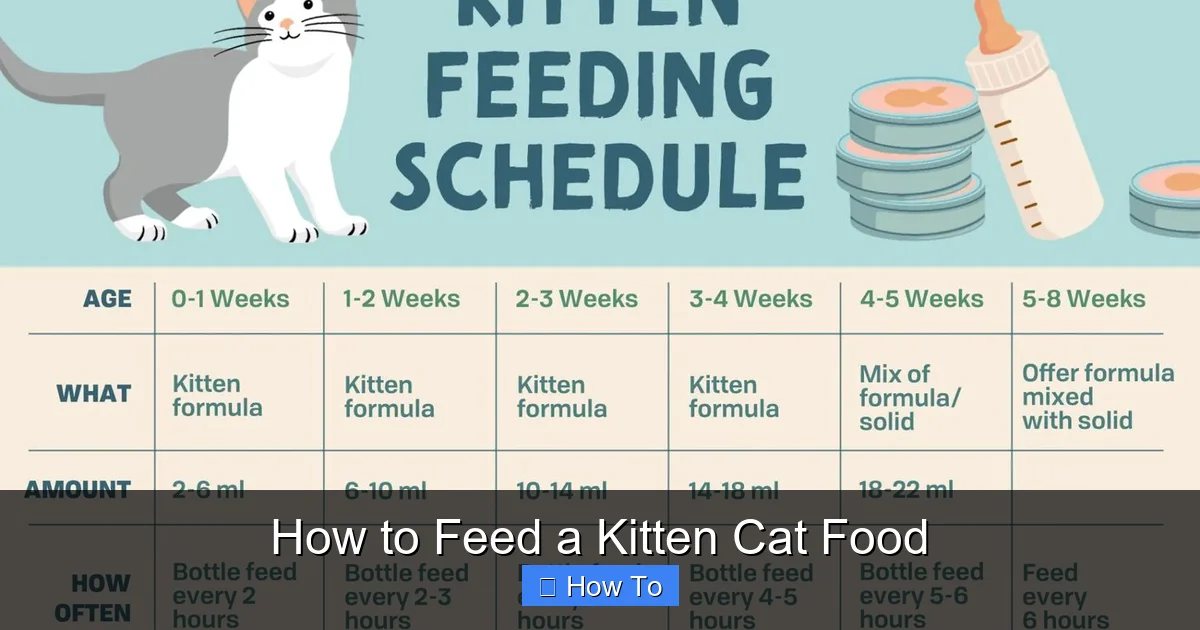
Visual guide about How to Feed a Kitten Cat Food
Image source: i.pinimg.com
Before you open that first can or scoop of kibble, it’s important to understand what makes kitten food different from adult cat food. Kittens are in a rapid growth phase, and their bodies require more energy, protein, and specific nutrients than adult cats. In fact, kittens need about twice as many calories per pound of body weight as adult cats.
Why Kitten Food Matters
Kitten food is specially formulated to support brain development, muscle growth, and immune system strength. It contains higher levels of protein (typically 30–40%), fat (around 20%), and essential fatty acids like DHA, which supports vision and cognitive function. These nutrients are critical during the first 12 months of life.
In 2026, many premium kitten foods also include prebiotics and probiotics to support digestive health, as well as antioxidants to boost immunity. Look for labels that say “complete and balanced” and meet AAFCO (Association of American Feed Control Officials) standards for growth.
Key Nutrients to Look For
When choosing kitten food, focus on these essential nutrients:
- High-quality animal protein: The first ingredient should be a named meat source like chicken, turkey, or salmon—not by-products or fillers.
- Healthy fats: Omega-3 and omega-6 fatty acids support skin, coat, and brain health.
- Taurine: An amino acid vital for heart and eye health—cats cannot produce enough on their own.
- Calcium and phosphorus: Important for strong bones and teeth.
- Vitamins and minerals: Including vitamins A, D, E, and B-complex for overall development.
Avoid foods with excessive carbohydrates, artificial colors, or preservatives like BHA and BHT. In 2026, many pet parents prefer natural, minimally processed options, and the market has responded with cleaner ingredient lists and sustainable packaging.
Choosing the Right Type of Kitten Food
One of the first decisions you’ll make is whether to feed your kitten wet food, dry food, or a combination of both. Each type has benefits and drawbacks, and the best choice often depends on your lifestyle, your kitten’s preferences, and their health needs.
Wet Kitten Food
Wet food, also known as canned food, has a high moisture content—usually around 70–80%. This is excellent for hydration, especially since kittens don’t always drink enough water on their own. Wet food is also highly palatable, which can help picky eaters.
In 2026, many wet kitten foods come in convenient single-serve pouches or recyclable trays, making them easy to store and serve. Look for grain-free or limited-ingredient options if your kitten has sensitivities.
Dry Kitten Food
Dry kibble is convenient, cost-effective, and can be left out for free-feeding (though this isn’t always recommended). It’s also beneficial for dental health—some kibbles are designed to reduce tartar buildup.
However, dry food has lower moisture content, so it’s important to ensure your kitten drinks plenty of water. In 2026, some smart feeders can dispense dry food at set times and even monitor intake, helping you stay on top of your kitten’s diet.
Combination Feeding
Many pet parents in 2026 opt for a mix of wet and dry food. For example, you might feed wet food in the morning and evening for hydration and taste, and leave a small portion of dry food available during the day.
This approach gives your kitten the benefits of both types—hydration from wet food and dental support from dry food—while keeping meals interesting. Just be sure to adjust portion sizes so your kitten doesn’t overeat.
Creating a Feeding Schedule for Your Kitten
Consistency is key when it comes to feeding your kitten. A regular schedule helps regulate digestion, prevents overeating, and makes it easier to monitor your kitten’s appetite and health.
How Often to Feed a Kitten
Kittens have small stomachs but big energy needs, so they need to eat frequently. Here’s a general guideline based on age:
- 6–12 weeks old: Feed 4–5 small meals per day.
- 3–6 months old: Feed 3–4 meals per day.
- 6–12 months old: Feed 2–3 meals per day.
By the time your kitten is one year old, you can transition to an adult cat feeding schedule—usually two meals per day.
Setting Meal Times
Choose times that fit your routine. For example:
- Morning (7:00 AM)
- Midday (12:00 PM)
- Evening (5:00 PM)
- Before bed (8:00 PM)
If you’re not home during the day, consider using an automatic feeder or asking a friend or pet sitter to help. In 2026, smart feeders with app controls and camera monitoring are widely available, allowing you to dispense food remotely and even check in on your kitten.
Free-Feeding vs. Scheduled Meals
Free-feeding—leaving food out all day—is convenient but not ideal for most kittens. It can lead to overeating, obesity, and difficulty monitoring how much your kitten is actually consuming.
Scheduled meals are generally recommended, especially for young kittens. They help establish routine and make it easier to spot changes in appetite, which can be an early sign of illness.
How Much to Feed Your Kitten
Portion control is crucial. Overfeeding can lead to obesity, while underfeeding can stunt growth. The right amount depends on your kitten’s age, weight, activity level, and the type of food you’re using.
Reading the Feeding Guidelines
All reputable kitten foods include feeding guidelines on the packaging. These are usually based on weight and age. For example, a 3-month-old kitten weighing 2 pounds might need about ½ cup of dry food or one 3-ounce can of wet food per day, divided into multiple meals.
However, these are just starting points. Every kitten is different. Some are more active and burn calories faster; others are naturally smaller or larger.
Adjusting Portions Based on Body Condition
Instead of relying solely on the label, monitor your kitten’s body condition. You should be able to feel their ribs easily but not see them prominently. Their waist should be visible when viewed from above, and they should have a slight abdominal tuck.
If your kitten is gaining weight too quickly, reduce portions slightly. If they seem too thin or aren’t gaining weight, increase the amount or switch to a higher-calorie food.
In 2026, some pet nutrition apps can help you track your kitten’s weight and feeding habits, offering personalized recommendations based on growth charts.
Using a Food Scale for Accuracy
Measuring cups can be inconsistent, especially with dry food that compacts. For the most accurate portions, use a digital kitchen scale. Weigh your kitten’s food according to the grams listed on the packaging.
This small step can make a big difference in preventing overfeeding and ensuring your kitten gets the right nutrition.
Introducing New Foods Safely
Whether you’re switching brands or transitioning from milk to solid food, introducing new foods should be done gradually. Sudden changes can upset your kitten’s digestive system, leading to diarrhea, vomiting, or refusal to eat.
The 7–10 Day Transition Rule
To safely switch your kitten’s food, follow this gradual mix:
- Days 1–2: 75% old food + 25% new food
- Days 3–4: 50% old food + 50% new food
- Days 5–6: 25% old food + 75% new food
- Day 7 onward: 100% new food
If your kitten shows signs of digestive upset—such as loose stools or gas—slow down the process. Extend each phase by a day or two.
When to Switch Foods
You might need to change your kitten’s food for several reasons:
- Your kitten isn’t thriving on their current diet
- You’re moving from kitten food to adult food (after 12 months)
- Your vet recommends a special diet for health reasons
- You’re switching to a more natural or sustainable brand
Always consult your veterinarian before making major dietary changes, especially if your kitten has health issues.
Feeding Tips for Picky Eaters
Some kittens are naturally picky, while others become finicky due to stress, illness, or poor feeding habits. If your kitten turns up their nose at their food, try these strategies:
Warm the Food Slightly
Cats have a strong sense of smell, and warming wet food to room temperature or slightly warmer (not hot) can enhance its aroma and make it more appealing. You can microwave it for a few seconds or mix in a little warm water.
Try Different Textures and Flavors
Kittens may prefer pâté over chunks, or chicken over fish. Offer small samples of different textures and proteins to find what your kitten likes best.
In 2026, many brands offer variety packs so you can test multiple flavors without committing to a full case.
Avoid Free-Feeding Treats
Giving too many treats or human food can spoil your kitten’s appetite for their regular meals. Limit treats to no more than 10% of their daily caloric intake.
Create a Calm Feeding Environment
Feed your kitten in a quiet, safe space away from loud noises, other pets, or high-traffic areas. Stress can reduce appetite.
Hydration: Don’t Forget the Water
Even if you’re feeding wet food, always provide fresh, clean water. Kittens can become dehydrated quickly, especially in warm weather or if they’re active.
Choosing the Right Water Bowl
Use a shallow, wide bowl that won’t irritate your kitten’s whiskers. Some kittens prefer ceramic or stainless steel over plastic, which can retain odors.
Encouraging Water Intake
If your kitten isn’t drinking enough, try:
- Using a cat water fountain—many kittens are attracted to running water
- Adding a little low-sodium chicken broth to water (check with your vet first)
- Placing multiple water bowls around the house
In 2026, smart water fountains with filters and usage tracking are popular among pet parents who want to ensure their kittens stay hydrated.
Troubleshooting Common Feeding Problems
Even with the best intentions, feeding issues can arise. Here’s how to handle some common problems:
Kitten Won’t Eat
If your kitten refuses food for more than 24 hours, contact your vet. Possible causes include illness, stress, dental pain, or food aversion.
Diarrhea or Vomiting
This could be due to a sudden diet change, food intolerance, or infection. Temporarily switch to a bland diet (like boiled chicken and rice) and consult your vet if symptoms persist.
Overeating or Obesity
If your kitten is gaining weight too quickly, reduce portion sizes and increase playtime. Avoid free-feeding and limit treats.
Food Allergies or Sensitivities
Signs include itchy skin, ear infections, or digestive issues. Your vet may recommend a hypoallergenic or limited-ingredient diet.
When to Consult a Veterinarian
While most feeding issues can be resolved at home, some require professional help. Contact your vet if your kitten:
- Stops eating for more than 24 hours
- Shows signs of illness (lethargy, vomiting, diarrhea)
- Isn’t gaining weight or is losing weight
- Has persistent digestive problems
- Displays behavioral changes during meals
Regular check-ups in 2026 often include nutritional counseling, so take advantage of your vet’s expertise.
Conclusion
Feeding a kitten the right food is one of the most important things you can do to set them up for a long, healthy life. In 2026, with advanced nutrition science and smart feeding tools, it’s easier than ever to provide your kitten with the best possible diet.
Remember to choose high-quality, age-appropriate food, follow a consistent feeding schedule, and monitor your kitten’s growth and behavior. Whether you feed wet, dry, or a combination, the key is balance, consistency, and attention to your kitten’s individual needs.
By following the steps in this guide, you’ll not only meet your kitten’s nutritional needs but also build a strong bond through care and routine. A well-fed kitten is a happy kitten—and a happy kitten grows into a healthy, loving adult cat.
Start today, and enjoy every purr, meow, and playful pounce along the way.