
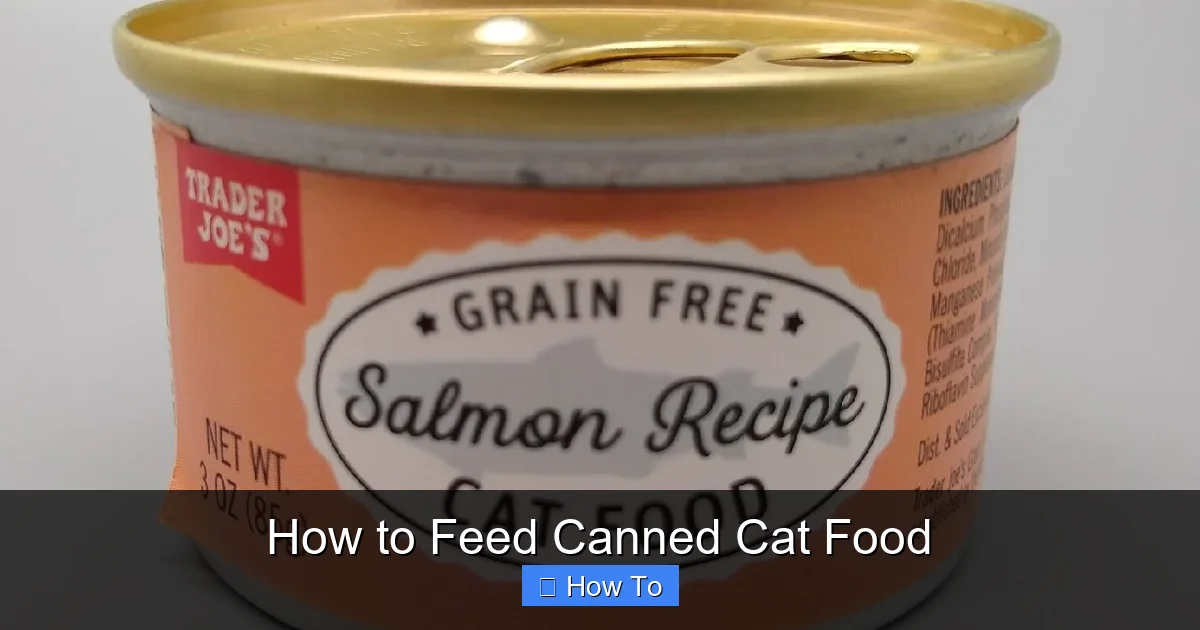
Discover the best practices for feeding your cat canned food in 2026. From choosing the right formula to proper storage and feeding routines, this guide ensures your feline gets optimal nutrition with every meal.
Key Takeaways
- Choose high-quality canned food: Look for brands with real meat as the first ingredient and no artificial fillers or by-products.
- Follow portion guidelines: Feed according to your cat’s weight, age, and activity level—usually 3–6 ounces per day, split into meals.
- Store opened cans safely: Refrigerate leftovers in a sealed container for up to 5 days; never leave uneaten food at room temperature.
- Establish a consistent feeding schedule: Most cats thrive on 2–3 meals daily at the same times each day.
- Monitor your cat’s health: Watch for changes in appetite, weight, or digestion when introducing new food.
- Transition gradually: Mix new food with old over 7–10 days to avoid digestive upset.
- Keep bowls clean: Wash food and water dishes daily to prevent bacteria buildup.
How to Feed Canned Cat Food: A Complete Guide for 2026
If you’re a cat parent in 2026, chances are you’ve considered—or already made the switch to—canned cat food. And for good reason! Wet food offers superior hydration, better digestion, and often higher protein content than dry kibble. But feeding canned food isn’t just about opening a can and plopping it in a bowl. To keep your feline friend healthy, happy, and thriving, you need to know the right way to serve it.
In this comprehensive guide, you’ll learn everything you need to know about feeding canned cat food—from selecting the best products to mastering portion control, storage, and feeding routines. Whether you’re a first-time cat owner or a seasoned pro looking to refine your approach, this step-by-step guide will help you make informed decisions that support your cat’s long-term wellness.
By the end of this article, you’ll understand how to:
– Choose nutritious, high-quality canned food
– Determine the right portion size for your cat
– Store opened cans safely
– Establish a feeding schedule that works
– Transition your cat to wet food without stress
– Troubleshoot common feeding issues
Let’s dive in and make mealtime the best part of your cat’s day.
Step 1: Choose the Right Canned Cat Food

Visual guide about How to Feed Canned Cat Food
Image source: s3-eu-west-1.amazonaws.com
Not all canned cat food is created equal. In 2026, pet nutrition has advanced significantly, with more transparent labeling, cleaner ingredients, and science-backed formulations. But with so many options on the shelf, how do you pick the best one?
Look for High-Quality Ingredients
Start by reading the ingredient list. The first ingredient should be a named source of animal protein—like chicken, turkey, salmon, or duck. Avoid foods that list “meat by-products,” “animal digest,” or vague terms like “poultry meal” as the primary ingredient.
In 2026, many premium brands now use human-grade meats and include functional ingredients like probiotics, omega-3 fatty acids, and antioxidants. These additions support digestion, coat health, and immune function.
Check the Guaranteed Analysis
The guaranteed analysis on the label shows the minimum levels of protein and fat, and maximum levels of fiber and moisture. For adult cats, look for:
– At least 30% crude protein
– 9–15% crude fat
– Less than 10% moisture (though canned food typically has 70–80% water, which is normal and beneficial)
Kittens and pregnant/nursing cats need even higher protein and fat levels—aim for 35–40% protein.
Consider Your Cat’s Life Stage and Health Needs
Cats have different nutritional needs at different stages. Kittens need calorie-dense food for growth, while senior cats may benefit from lower-phosphorus formulas to support kidney health. Cats with urinary tract issues often do well on moisture-rich diets, which canned food naturally provides.
In 2026, many brands offer specialized formulas—like grain-free, limited-ingredient, or vet-recommended diets for sensitive stomachs or allergies. If your cat has a medical condition, consult your veterinarian before making a switch.
Watch Out for Additives and Fillers
Avoid foods with artificial colors, flavors, or preservatives like BHA, BHT, or ethoxyquin. While these were common in the past, modern pet food regulations and consumer demand have led to cleaner formulations.
Also, be cautious of excessive carbohydrates. Cats are obligate carnivores, meaning they thrive on meat, not grains or vegetables. While small amounts of pumpkin or sweet potato can aid digestion, they shouldn’t dominate the recipe.
Try a Few Brands
Every cat is different. What one cat loves, another might turn up their nose at. Start with small cans or sample packs from reputable brands like Wellness, Blue Buffalo, Royal Canin, or newer 2026 favorites like NutriPaw and FelineFuel.
Rotate flavors occasionally to prevent pickiness, but avoid frequent, drastic changes that could upset your cat’s stomach.
Step 2: Determine the Right Portion Size
Overfeeding or underfeeding can lead to obesity or malnutrition—both serious health risks. The key is to feed the right amount based on your cat’s individual needs.
Check the Feeding Guidelines
Most canned food labels include a feeding chart based on your cat’s weight. For example:
– A 5-pound cat: ~3 oz per day
– A 10-pound cat: ~5–6 oz per day
– A 15-pound cat: ~7–8 oz per day
These are general estimates. Active cats may need more; less active or senior cats may need less.
Adjust Based on Your Cat’s Body Condition
Use the “body condition score” to assess if your cat is at a healthy weight. You should be able to feel their ribs without seeing them, and they should have a visible waist when viewed from above.
If your cat is gaining weight, reduce portions slightly. If they’re losing weight or seem hungry all the time, increase the amount—but consult your vet first to rule out medical issues.
Split Into Multiple Meals
Cats are natural grazers and prefer small, frequent meals. Instead of feeding one large meal, divide the daily portion into 2–3 servings.
For example, if your cat needs 6 ounces per day, feed 3 ounces in the morning and 3 ounces in the evening. This mimics their natural hunting behavior and helps maintain stable energy levels.
Use a Food Scale for Accuracy
Measuring by volume (like using a measuring cup) can be inaccurate because different brands have varying densities. A small kitchen scale ensures you’re feeding the exact amount recommended.
In 2026, smart feeders with built-in scales and app connectivity are becoming popular. These devices track portions, send reminders, and even monitor your cat’s eating habits over time.
Step 3: Prepare and Serve the Food Properly
Once you’ve chosen the right food and portion, it’s time to serve it up. How you prepare and present the meal matters just as much as what you’re feeding.
Let the Food Reach Room Temperature
Cold food straight from the fridge can be unappetizing and harder to digest. Take the can out 15–20 minutes before feeding, or gently warm it by placing the opened can in a bowl of warm water for a few minutes.
Never microwave canned food—it can create dangerous hot spots and destroy nutrients.
Use Clean Bowls
Wash your cat’s food and water bowls daily with hot, soapy water. Bacteria can grow quickly, especially in moist environments. In 2026, antimicrobial ceramic or stainless steel bowls are recommended for their durability and ease of cleaning.
Avoid plastic bowls, which can harbor bacteria and cause chin acne in some cats.
Serve in a Quiet, Safe Space
Cats prefer to eat in a calm, distraction-free area. Place the food bowl away from litter boxes, loud appliances, or high-traffic zones.
If you have multiple cats, consider feeding them in separate rooms to reduce competition and stress.
Encourage Hydration
Even though canned food is about 78% water, always provide fresh, clean water. Some cats prefer running water, so a cat water fountain can encourage drinking and support kidney health.
Step 4: Store Leftovers Safely
One of the biggest mistakes cat owners make is leaving uneaten canned food out too long. Bacteria multiply rapidly at room temperature, which can lead to foodborne illness.
Refrigerate Promptly
If your cat doesn’t finish their meal within 1 hour, cover the can and refrigerate it immediately. Use an airtight container or a can cover designed for pet food.
Never leave opened cans at room temperature for more than 1 hour—especially in warm climates.
Use Within 5 Days
Leftover canned food stays fresh in the fridge for up to 5 days. Label the container with the date to keep track.
When reheating, bring it to room temperature or slightly warm—never hot. Stir well to distribute heat evenly.
Freeze for Long-Term Storage
If you buy in bulk, you can freeze unopened cans. However, once opened, freezing isn’t recommended because it can alter texture and flavor.
For meal prepping, consider portioning daily servings into silicone molds and freezing them. Thaw in the fridge overnight before serving.
Step 5: Establish a Feeding Schedule
Consistency is key to a happy, healthy cat. A regular feeding schedule helps regulate digestion, prevents overeating, and reduces anxiety.
Feed at the Same Times Daily
Most cats do best with 2–3 meals per day at consistent times. For example:
– 7:00 AM and 7:00 PM for a two-meal schedule
– 7:00 AM, 1:00 PM, and 7:00 PM for three meals
Sticking to a routine helps your cat feel secure and reduces begging behavior.
Use an Automatic Feeder (Optional)
In 2026, smart feeders are more advanced than ever. Many models can:
– Dispense precise portions
– Play your voice to call your cat
– Sync with health apps
– Send alerts if your cat skips a meal
These are especially helpful for busy pet parents or multi-cat households.
Avoid Free-Feeding Wet Food
Unlike dry kibble, canned food spoils quickly. Never leave wet food out all day. Stick to scheduled meals to maintain freshness and prevent waste.
Step 6: Transition to Canned Food Gradually
If your cat is used to dry food, switching to canned should be done slowly to avoid digestive upset.
Mix Old and New Food
Over 7–10 days, gradually increase the proportion of canned food:
– Days 1–2: 25% canned, 75% dry
– Days 3–4: 50% canned, 50% dry
– Days 5–6: 75% canned, 25% dry
– Day 7+: 100% canned
Monitor your cat’s stool and appetite during the transition. Loose stools or vomiting may mean you’re moving too fast.
Be Patient with Picky Eaters
Some cats resist change. If your cat refuses the new food, try:
– Warming it slightly to enhance aroma
– Mixing in a small amount of tuna juice or bone broth (low-sodium)
– Offering different textures (pâté, shreds, gravy)
Never force-feed. If your cat goes without food for more than 24–48 hours, contact your vet—this can lead to hepatic lipidosis, a serious liver condition.
Step 7: Monitor Your Cat’s Health and Adjust as Needed
Feeding canned food is just one part of your cat’s overall care. Regular observation helps you catch issues early.
Watch for Changes in Appetite
A sudden increase or decrease in food intake can signal health problems like diabetes, dental pain, or kidney disease. Keep a log of eating habits if you notice changes.
Track Weight and Body Condition
Weigh your cat monthly using a pet scale or by weighing yourself holding them and subtracting your weight. A healthy adult cat should maintain a stable weight.
Observe Stool and Urine
Canned food often leads to softer stools due to higher moisture. But if diarrhea persists or you notice blood, consult your vet.
Increased urination can be a sign of diabetes or kidney issues—especially in older cats.
Schedule Regular Vet Checkups
Even with the best diet, annual (or biannual for seniors) vet visits are essential. Your vet can assess your cat’s nutrition, recommend adjustments, and catch diseases early.
Troubleshooting Common Feeding Issues
Even with the best intentions, problems can arise. Here’s how to handle common challenges.
My Cat Won’t Eat the Canned Food
Try warming it, changing the flavor, or mixing in a topper. Ensure the food isn’t expired or spoiled. If refusal continues, rule out dental pain or illness with your vet.
My Cat Is Gaining Weight
Reduce portion sizes slightly and increase playtime. Avoid giving treats as more than 10% of daily calories. Consider a weight-management formula.
Food Spoils Too Fast
Buy smaller cans or use a can sealer. Only serve what your cat will eat in one sitting. Never leave wet food out for more than an hour.
My Cat Vomits After Eating
This could be due to eating too fast, food intolerance, or hairballs. Try smaller, more frequent meals. If vomiting is frequent, see your vet.
Multiple Cats, Different Diets
If one cat needs a special diet, feed them separately. Use microchip-activated feeders that only open for the right cat.
Conclusion
Feeding your cat canned food in 2026 is about more than convenience—it’s a commitment to their health and happiness. By choosing high-quality ingredients, portioning correctly, storing safely, and maintaining a consistent routine, you’re giving your feline the best possible nutrition.
Remember, every cat is unique. What works for one may not work for another. Stay observant, be flexible, and always prioritize your cat’s well-being.
With the tips in this guide, you’re well-equipped to make mealtime a joyful, nourishing experience. Your cat will thank you with purrs, playfulness, and a long, healthy life.