

This guide teaches you how to feed cat dry and wet food safely and effectively. You’ll learn portion control, feeding schedules, and how to mix both types for a balanced, healthy diet your cat will love.
Key Takeaways
- Balance is key: Combining dry and wet food supports hydration, dental health, and digestion.
- Follow portion guidelines: Overfeeding leads to obesity; use your cat’s weight, age, and activity level to determine daily amounts.
- Feed on a schedule: Cats thrive on routine—stick to consistent meal times for both wet and dry food.
- Store food properly: Keep dry food sealed and refrigerate opened wet food to prevent spoilage and bacterial growth.
- Monitor your cat’s response: Watch for changes in weight, energy, or digestion when adjusting their diet.
- Transition slowly: When switching brands or types, mix old and new food over 7–10 days to avoid stomach upset.
- Consult your vet: Always check with a veterinarian before making major dietary changes, especially for kittens, seniors, or cats with health conditions.
How to Feed Cat Dry and Wet Food: A Complete 2026 Guide
If you’re a cat parent in 2026, you’ve probably heard that feeding your feline friend a mix of dry and wet food is one of the best ways to support their overall health. But how do you do it right? With so many options on the market and conflicting advice online, it’s easy to feel overwhelmed. That’s why we’ve created this complete, step-by-step guide on how to feed cat dry and wet food—so you can feel confident your cat is getting the nutrition they need.
In this guide, you’ll learn:
– Why combining dry and wet food benefits your cat
– How to calculate the right portions
– When and how often to feed
– Tips for storing food safely
– How to transition your cat to a new diet
– Troubleshooting common feeding issues
Whether you’re a new cat owner or looking to improve your current routine, this guide will help you create a feeding plan that keeps your kitty happy, healthy, and well-nourished.
Why Feed Both Dry and Wet Food?
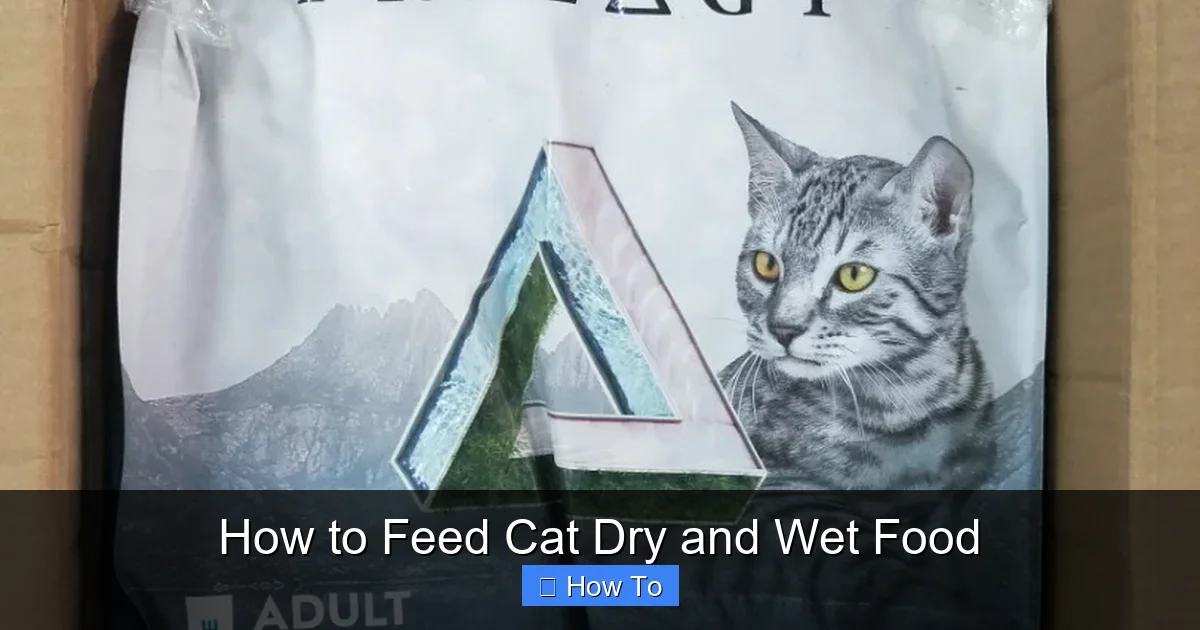
Visual guide about How to Feed Cat Dry and Wet Food
Image source: media.karousell.com
Before diving into the how-to, let’s talk about the “why.” In the wild, cats eat small prey that’s naturally high in moisture—around 70% water. But most dry kibble contains only 10% moisture. That’s why feeding only dry food can put your cat at risk for dehydration, especially if they don’t drink enough water.
Wet food, on the other hand, has a moisture content of 70–80%, which helps support kidney and urinary tract health. It’s also typically higher in protein and lower in carbohydrates, which aligns better with a cat’s natural diet.
Dry food isn’t without its perks. It’s convenient, has a long shelf life, and can help reduce plaque buildup due to its crunchy texture. Some cats also prefer the taste and texture of kibble.
By combining both, you get the best of both worlds:
– Hydration from wet food
– Dental benefits and convenience from dry food
– A more balanced, species-appropriate diet
In 2026, veterinary nutritionists widely recommend a mixed feeding approach for most healthy adult cats. It’s a simple change that can make a big difference in your cat’s long-term health.
Step 1: Determine Your Cat’s Daily Calorie Needs
The first step in how to feed cat dry and wet food is figuring out how much to feed. Overfeeding is one of the most common mistakes cat owners make—and it can lead to obesity, diabetes, and joint problems.
Every cat is different, but most adult cats need between 200 and 300 calories per day. Kittens, active cats, and outdoor cats may need more. Senior or less active cats may need fewer.
How to Calculate Calories
Start by checking the calorie content on your cat food labels. Both dry and wet foods list calories per cup or per can. For example:
– Dry food: ~300–400 calories per cup
– Wet food: ~70–120 calories per 5.5 oz can
Next, consider your cat’s:
– Weight (ideal vs. current)
– Age (kitten, adult, senior)
– Activity level (indoor, outdoor, playful, sedentary)
– Health status (any medical conditions)
Use this simple formula as a starting point:
– Ideal weight (in pounds) × 20 = approximate daily calories
For example, a 10-pound cat needs about 200 calories per day.
Adjust Based on Your Cat’s Needs
If your cat is underweight, increase calories slightly. If they’re overweight, reduce them. Always make changes gradually and monitor your cat’s weight every 2–4 weeks.
Tip: Use a kitchen scale to measure food accurately. Scooping by volume can lead to overfeeding.
Step 2: Decide on a Feeding Schedule
Cats are creatures of habit. They thrive on routine, and a consistent feeding schedule helps regulate their digestion and behavior.
Wet Food: Meal Feeding
Wet food should be served at mealtimes and removed after 20–30 minutes if not eaten. Leaving it out too long can lead to spoilage and bacteria growth, especially in warm climates.
Most experts recommend feeding wet food 1–2 times per day. For example:
– Morning: 1/2 can of wet food
– Evening: 1/2 can of wet food
This mimics a cat’s natural hunting pattern—eating small meals throughout the day.
Dry Food: Free-Feeding or Timed Meals
Dry food can be left out for free-feeding (available at all times) or given in timed portions. Both methods work, but each has pros and cons.
Free-feeding is convenient and allows cats to graze, which some prefer. However, it can lead to overeating, especially in less active cats.
Timed meals (e.g., two measured portions per day) help control intake and make it easier to monitor appetite. This is ideal for cats prone to weight gain.
In 2026, many cat owners use smart feeders to automate dry food portions. These devices dispense food at set times and can be controlled via smartphone apps—great for busy pet parents.
Step 3: Mix Dry and Wet Food the Right Way
Now that you know how much and when to feed, it’s time to combine dry and wet food effectively.
Option 1: Alternate Meals
Feed wet food at one meal and dry food at the other. For example:
– Morning: Wet food
– Evening: Dry food
This is simple and ensures your cat gets both types daily.
Option 2: Mix in the Same Bowl
Some cats enjoy a mix of wet and dry in one bowl. This can encourage picky eaters and add texture variety.
To do this:
– Add a small amount of warm water or broth (low-sodium, no onions or garlic) to the wet food to enhance aroma
– Sprinkle a portion of dry kibble on top
Tip: Warming wet food slightly (to room temperature or body temp) makes it more appealing and easier to digest.
Option 3: Use Dry Food as a Topper
Sprinkle a tablespoon of dry food over wet food for added crunch. This works well for cats who love kibble but need more moisture.
Option 4: Feed Wet Food at Night, Dry During the Day
Some owners feed wet food in the evening and leave dry food out during the day. This supports hydration before bed and gives cats something to snack on while you’re at work.
Step 4: Measure Portions Accurately
Portion control is crucial. Even healthy food can cause weight gain if overfed.
Use a Measuring Cup or Scale
Don’t guess. Use a dedicated pet food measuring cup or kitchen scale. A digital scale is most accurate.
For example:
– 1/4 cup dry food = ~75–100 calories
– 1/2 can wet food (5.5 oz) = ~90–120 calories
Follow Feeding Guidelines—But Adjust
Food packaging provides general guidelines, but they’re not one-size-fits-all. Use them as a starting point, then adjust based on your cat’s weight and energy levels.
If your cat is gaining weight, reduce portions by 10%. If losing weight, increase slightly.
Account for Treats
Treats should make up no more than 10% of your cat’s daily calories. If you give treats, reduce their main meals accordingly.
For example, if your cat gets 20 calories in treats, subtract that from their total daily intake.
Step 5: Store Food Properly
Proper storage keeps food fresh, safe, and tasty.
Dry Food Storage
– Keep kibble in its original bag inside an airtight container
– Store in a cool, dry place (not the garage or near a heater)
– Use within 6 weeks of opening to prevent rancidity
– Wash the container every 2–3 weeks
Tip: Label the container with the opening date to track freshness.
Wet Food Storage
– Refrigerate opened cans immediately
– Use within 3–5 days
– Cover with a pet-safe lid or plastic wrap
– Don’t leave wet food out for more than 30 minutes at room temperature
Never microwave wet food—it can create hot spots that burn your cat’s mouth. Instead, warm it by placing the can in warm water for a few minutes.
Step 6: Transition to a New Diet Gradually
If you’re switching brands or introducing wet food for the first time, do it slowly. Sudden changes can cause digestive upset, including vomiting or diarrhea.
7–10 Day Transition Plan
Mix the old and new food, gradually increasing the proportion of new food:
| Day | Old Food | New Food |
|—–|———-|———-|
| 1–2 | 75% | 25% |
| 3–4 | 50% | 50% |
| 5–6 | 25% | 75% |
| 7+ | 0% | 100% |
If your cat shows signs of stomach upset (loose stool, refusal to eat), slow down the transition. Some cats need up to 2 weeks.
Introducing Wet Food to a Dry-Only Cat
Start by mixing a small amount of wet food into their dry kibble. Gradually increase the wet portion over time.
You can also try:
– Adding water to dry food to soften it
– Offering high-value wet food (like tuna or chicken) as a “treat” first
Patience is key. Some cats take weeks to accept new textures.
Step 7: Monitor Your Cat’s Health and Adjust
Feeding isn’t a “set it and forget it” task. Regular monitoring helps you catch issues early.
Watch for These Signs
– Weight changes (use a pet scale or track at vet visits)
– Energy levels (lethargy or hyperactivity)
– Coat condition (dull, greasy, or shedding excessively)
– Litter box habits (constipation, diarrhea, frequent urination)
– Appetite (sudden increase or decrease)
If you notice any red flags, consult your vet. They can help determine if the issue is diet-related or a sign of illness.
Adjust as Your Cat Ages
Kittens need more calories and frequent meals (3–4 times/day). Adults do well with 1–2 meals. Seniors may need fewer calories but more fiber or joint support.
In 2026, many pet food brands offer age-specific formulas. Switch to senior food around age 7–10, or as recommended by your vet.
Troubleshooting Common Feeding Problems
Even with the best plan, issues can arise. Here’s how to handle them.
Problem: My Cat Won’t Eat Wet Food
Some cats are picky. Try:
– Different textures (pâté, chunks in gravy, shreds)
– Different proteins (chicken, fish, turkey)
– Warming the food slightly
– Offering it as a “special treat” before dry food
Never force it. Keep trying new options every few weeks.
Problem: My Cat Overeats Dry Food
If your cat grazes constantly, switch to timed meals. Use a portion-controlled feeder or measure out daily kibble in the morning.
You can also try:
– Puzzle feeders to slow eating
– Slower-feed bowls with ridges
– Splitting dry food into 3–4 small meals
Problem: Food Spoils or Gets Moldy
This usually happens when wet food is left out too long. Always remove uneaten wet food after 30 minutes. In hot weather, reduce this to 15–20 minutes.
For dry food, check for signs of spoilage: rancid smell, discoloration, or bugs. Store in a cool, dry place and use quickly.
Problem: My Cat Gains Weight
Reassess portions and activity level. Increase playtime with toys, laser pointers, or cat trees. Consider a weight-management formula if recommended by your vet.
Problem: My Cat Refuses to Drink Water
Cats often get most of their hydration from food. Wet food helps, but encourage water intake by:
– Using a cat water fountain (many cats prefer running water)
– Placing multiple water bowls around the house
– Adding a splash of low-sodium broth to water
Special Considerations for 2026
The pet food industry has evolved significantly by 2026. Here’s what’s new:
Smart Feeders and Apps
Many households now use AI-powered feeders that track eating habits, dispense precise portions, and send alerts to your phone. Some even integrate with vet records to adjust feeding based on health data.
Personalized Nutrition
DNA testing and health screenings allow for customized diets. Some companies offer subscription boxes with food tailored to your cat’s breed, age, and health needs.
Sustainable and Ethical Options
Eco-conscious cat owners can choose brands using insect protein, lab-grown meat, or sustainably sourced fish. These options reduce environmental impact without sacrificing nutrition.
Veterinary-Grade Diets
For cats with medical conditions (kidney disease, diabetes, allergies), prescription diets are more accessible than ever. Always use these under vet supervision.
Conclusion
Learning how to feed cat dry and wet food doesn’t have to be complicated. By combining the hydration benefits of wet food with the convenience and dental support of dry food, you’re giving your cat a balanced, healthy diet that supports their natural needs.
Start by calculating the right portions, establish a consistent feeding schedule, and store food properly. Transition slowly when making changes, and always monitor your cat’s health and behavior.
Remember, every cat is unique. What works for one may not work for another. Stay flexible, be patient, and consult your veterinarian when in doubt.
With the right approach, feeding your cat can be a simple, rewarding part of your daily routine—one that helps them live a longer, happier, and healthier life in 2026 and beyond.