
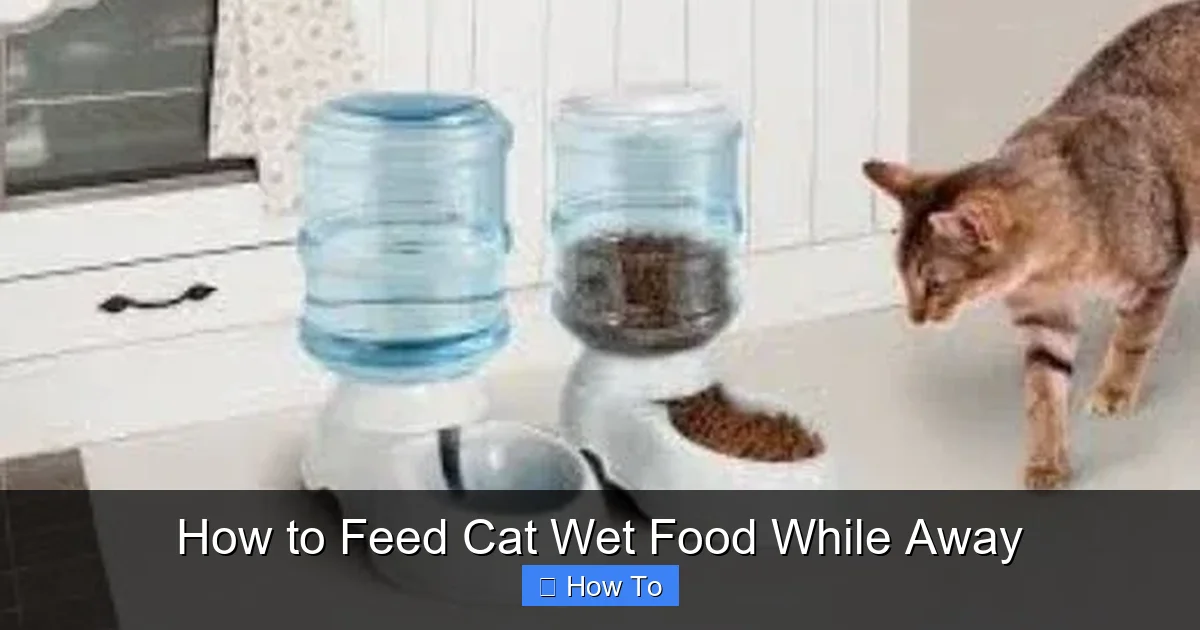
Leaving your cat alone doesn’t mean skipping wet food. With the right tools and planning, you can ensure your feline friend enjoys fresh, nutritious meals even when you’re not home. This guide covers smart feeders, portion control, and expert tips for 2026.
Key Takeaways
- Use smart automatic feeders: Modern 2026 models offer portion control, refrigeration, and app-based monitoring to keep wet food fresh and safe.
- Pre-portion meals in advance: Freeze individual servings in BPA-free containers to preserve freshness and simplify feeding schedules.
- Choose the right wet food: Opt for high-moisture, preservative-free formulas that stay palatable longer and support urinary health.
- Maintain a consistent feeding routine: Cats thrive on predictability—use timers and reminders to mimic your presence.
- Ensure backup power and internet: Smart feeders rely on connectivity; a power bank or Wi-Fi extender prevents feeding failures.
- Monitor your cat remotely: Use pet cameras with two-way audio to check in and reassure your cat during meals.
- Test systems before traveling: Always do a trial run to confirm your setup works and your cat accepts the new routine.
How to Feed Cat Wet Food While Away
Leaving your cat alone—whether for a weekend getaway or a week-long business trip—can be stressful, especially if they rely on wet food. Unlike dry kibble, wet food spoils quickly, loses moisture, and can become unappetizing or even unsafe if left out too long. But in 2026, thanks to smart technology and smarter pet care strategies, feeding your cat wet food while you’re away is easier than ever.
This guide will walk you through everything you need to know to keep your cat happy, healthy, and well-fed with wet food—even when you’re not home. From choosing the right automatic feeder to prepping meals in advance, we’ll cover practical, vet-approved methods that work for short and long absences. Whether you’re a first-time traveler or a seasoned pet parent, these tips will give you peace of mind and ensure your feline friend never misses a meal.
Why Wet Food Matters for Cats
Visual guide about How to Feed Cat Wet Food While Away
Image source: m.media-amazon.com
Before diving into the how-to, it’s important to understand why wet food is often the best choice for cats—and why it’s worth the extra effort to maintain while you’re away.
Cats are obligate carnivores, meaning their bodies are designed to get moisture from their food, not just from drinking water. In the wild, they consume prey with high water content, which helps keep their kidneys and urinary tract healthy. Wet food typically contains 70–80% moisture, making it an excellent way to support hydration—especially for cats who don’t drink enough water on their own.
In 2026, veterinary research continues to emphasize the link between wet food and reduced risk of urinary tract infections (UTIs), kidney disease, and obesity. Many cats also prefer the texture and smell of wet food, which can encourage picky eaters to consume adequate calories.
However, wet food comes with challenges: it spoils faster than dry food, can dry out if left uncovered, and may attract pests if not stored properly. That’s why planning ahead is essential when you’re going to be away.
Assess Your Cat’s Needs and Your Travel Plans
Not all absences are the same. A weekend trip requires a different approach than a two-week vacation. Start by evaluating:
- How long will you be away? Short trips (1–3 days) may only need one or two pre-portioned meals. Longer trips require automated systems or a trusted pet sitter.
- How often does your cat eat? Some cats eat twice a day; others graze. Know your cat’s routine to avoid over- or under-feeding.
- Does your cat have health issues? Cats with diabetes, kidney disease, or obesity may need strict feeding schedules or special diets.
- Is your home pet-proofed? Ensure your cat can’t knock over feeders or access spoiled food.
For example, if you’re leaving for three days and your cat eats two small wet meals daily, you’ll need six fresh portions. If you’re gone for a week, automation or a pet sitter becomes crucial.
Option 1: Use a Smart Automatic Wet Food Feeder
In 2026, smart feeders have evolved far beyond simple timed dispensers. The best models now include refrigeration, portion control, app connectivity, and even camera integration—making them ideal for feeding wet food safely.
How Smart Feeders Work
Modern smart feeders use sealed compartments to store pre-portioned wet food. At scheduled times, the feeder opens a compartment, revealing fresh food. Some models even have built-in cooling systems (like mini-fridges or ice packs) to slow spoilage.
Popular 2026 models include the PetSafe SmartServe 360, SureFeed Microchip Feeder+, and CatLogix FreshPaws Pro. These devices connect to your smartphone via Wi-Fi, allowing you to monitor feeding times, adjust portions, and receive alerts if a meal is skipped.
Steps to Set Up a Smart Feeder
- Choose the right model: Look for features like refrigeration, app control, and easy cleaning. Ensure it’s compatible with your Wi-Fi network.
- Pre-portion meals: Use small, airtight containers or silicone molds to freeze individual servings. Label each with the feeding time.
- Load the feeder: Place frozen portions in the designated trays. Most feeders can hold 3–7 days’ worth of food.
- Program the schedule: Use the app to set feeding times and portion sizes. Match your cat’s usual routine.
- Test before leaving: Run a trial for 24–48 hours to ensure the feeder dispenses food correctly and your cat eats from it.
Tips for Success
- Keep the feeder plugged into a power source with a backup battery or UPS (uninterruptible power supply).
- Use a Wi-Fi extender if your home has weak signal in certain areas.
- Place the feeder in a quiet, familiar spot where your cat usually eats.
- Clean the feeder after each use to prevent bacterial growth.
Option 2: Pre-Portion and Freeze Meals
If you don’t want to invest in a smart feeder—or need a low-tech backup—pre-portioning and freezing wet food is a reliable, cost-effective method.
How to Freeze Wet Food Safely
Freezing preserves moisture and prevents bacterial growth. Here’s how to do it right:
- Use airtight containers: Choose BPA-free plastic or silicone molds (like ice cube trays) designed for pet food.
- Portion appropriately: Fill each container with one meal’s worth of food. For most cats, this is 3–5 ounces (about half a standard can).
- Label and date: Use a waterproof marker to note the date and flavor. Most wet food stays good for 6–12 months frozen.
- Freeze flat: If using bags or trays, freeze them flat to save space and allow quicker thawing.
Thawing and Serving
When it’s time to feed, transfer a frozen portion to the refrigerator 12–24 hours before serving. This slow thaw preserves texture and prevents sudden temperature changes that could upset your cat’s stomach.
Never microwave wet food—it can create hot spots that burn your cat’s mouth. Instead, let it thaw naturally or place the container in a bowl of warm water for 10–15 minutes.
Using a Timer-Release Container
For short absences (1–2 days), you can pair frozen portions with a simple mechanical timer feeder. These devices have rotating trays that open at set times. Load a thawed meal into the tray the night before you leave, and it will be ready when your cat expects it.
Option 3: Hire a Pet Sitter or Use a Pet Cam Service
Sometimes, the best solution is human interaction. A trusted pet sitter can feed your cat fresh wet food, clean the bowl, and provide companionship—something no machine can replace.
Finding the Right Sitter
- Use reputable platforms like Rover, Care.com, or local pet-sitting co-ops.
- Ask for references and verify background checks.
- Meet the sitter in advance and show them your cat’s routine.
- Provide clear instructions: feeding times, portion sizes, and emergency contacts.
Using a Pet Camera with Feeding Features
In 2026, many pet cameras (like the Furbo 360 or Petcube Bento) include treat-dispensing and two-way audio. While they can’t serve wet food directly, you can use them to:
- Remotely instruct a sitter when to feed.
- Check if your cat is eating.
- Comfort your cat with your voice during meals.
Some advanced models even integrate with smart feeders, allowing you to trigger a meal remotely if your cat seems hungry earlier than scheduled.
Tips for Keeping Wet Food Fresh Longer
Even with the best systems, wet food can spoil if not handled properly. Follow these tips to maximize freshness:
- Serve in a cool spot: Keep the feeding area away from direct sunlight or heat sources.
- Use stainless steel or ceramic bowls: These materials stay cooler and are easier to clean than plastic.
- Cover unused portions: If your cat doesn’t finish a meal, cover it with a lid or plastic wrap and refrigerate for up to 24 hours.
- Avoid leaving food out for more than 4 hours: Bacteria grow rapidly at room temperature.
- Rotate flavors: Cats can get bored. Mix in different proteins (chicken, fish, turkey) to keep meals exciting.
Troubleshooting Common Problems
Even with the best plans, issues can arise. Here’s how to handle common challenges:
Problem: Cat Won’t Eat from the Feeder
Some cats are wary of new devices. To ease the transition:
- Introduce the feeder weeks before your trip.
- Place it near their usual eating spot.
- Leave the door open at first and reward them with treats when they approach.
- Use familiar-smelling food to build trust.
Problem: Food Spoils Before Feeding
If your feeder lacks cooling, food may spoil in warm weather. Solutions:
- Use ice packs or gel packs around the feeder (not touching food).
- Choose a model with built-in refrigeration.
- Feed smaller, more frequent meals to reduce exposure time.
Problem: Feeder Jams or Fails to Dispense
Mechanical issues can happen. Prevent them by:
- Cleaning the feeder regularly.
- Avoiding thick pâté-style foods that can clog mechanisms.
- Testing the feeder multiple times before relying on it.
Problem: Power or Internet Outage
Smart feeders need power and Wi-Fi. Prepare with:
- A backup battery (many feeders include one).
- A portable power bank for the router.
- A neighbor or sitter on standby in case of emergencies.
Sample Feeding Plan for a 5-Day Trip
Let’s walk through a real-world example:
- Cat: 10 lb adult, eats 5 oz of wet food daily (split into two meals).
- Trip length: 5 days.
- Feeder: CatLogix FreshPaws Pro with refrigeration.
Preparation (3 days before):
- Portion 10 meals (5 oz each) into silicone molds.
- Freeze and label.
- Set up feeder and test with dry food.
- Introduce feeder with wet food rewards.
Day before departure:
- Load frozen meals into feeder trays.
- Program feeding times: 7 AM and 6 PM.
- Confirm app notifications are working.
- Set up pet camera and share access with a neighbor.
During trip:
- Receive feeding confirmations via app.
- Check camera twice daily.
- Contact neighbor if any alerts appear.
Return:
- Clean feeder thoroughly.
- Resume normal feeding routine.
- Praise your cat for being so patient!
Final Thoughts
Feeding your cat wet food while you’re away is not only possible—it’s beneficial for their health and happiness. In 2026, technology makes it easier than ever to maintain fresh, safe meals with minimal stress. Whether you choose a smart feeder, pre-portioned frozen meals, or a trusted pet sitter, the key is preparation and consistency.
Remember: your cat thrives on routine. The more you can mimic your presence—through scheduled meals, familiar scents, and remote check-ins—the more comfortable they’ll feel in your absence. And with the right setup, you can enjoy your trip knowing your feline friend is well cared for.
Invest in quality tools, test your system, and always have a backup plan. Your cat’s health—and your peace of mind—are worth it.