
Feeding your cat wet food with a syringe can be a lifesaving skill for kittens, elderly cats, or those recovering from illness. This guide walks you through the process with clear, safe, and compassionate steps to ensure your feline gets the nutrition they need—without stress.
Key Takeaways
- Use the right syringe size: A 5-10 mL syringe is ideal for most cats—large enough to hold food, small enough to control flow.
- Warm the food slightly: Room temperature or slightly warmed wet food is easier to syringe and more appealing to cats.
- Position your cat gently: Keep your cat calm and secure, either in your lap or wrapped in a towel, to prevent sudden movements.
- Feed slowly and patiently: Allow your cat to swallow between small amounts to avoid choking or aspiration.
- Clean tools after each use: Rinse the syringe and bowl immediately to prevent bacterial growth and clogging.
- Monitor for signs of distress: Watch for coughing, gagging, or lethargy—stop feeding and consult a vet if these occur.
- Practice makes progress: The more you do it, the more confident both you and your cat will become.
How to Feed Cat Wet Food with Syringe
If your cat is refusing to eat, recovering from surgery, or simply too weak to eat on their own, learning how to feed cat wet food with syringe can be a game-changer. Whether you’re caring for a tiny kitten, an elderly feline, or a cat with dental pain, syringe feeding ensures they get the nutrients and hydration they need to stay healthy. In 2026, with advancements in pet care and veterinary guidance, syringe feeding has become a safe, effective, and widely recommended method for temporary nutritional support.
This comprehensive guide will walk you through every step—from choosing the right tools to mastering the technique—so you can feed your cat with confidence and compassion. You’ll learn how to prepare the food, position your cat, administer the meal safely, and troubleshoot common issues. By the end, you’ll feel equipped to support your cat’s health during challenging times.
Why Syringe Feeding Might Be Necessary
There are many reasons why a cat might need syringe feeding. Some cats lose their appetite due to illness, stress, or medication side effects. Others, like kittens born prematurely or cats with neurological conditions, may lack the strength or coordination to eat independently. Dental problems, mouth injuries, or post-surgical recovery can also make chewing painful or impossible.
In these situations, wet food delivered via syringe provides a soft, easily digestible meal that can be tailored to your cat’s needs. Unlike dry kibble, wet food is high in moisture—essential for hydration—and can be blended to a smooth consistency perfect for syringe delivery. Plus, many high-quality wet foods are formulated with real meat and essential nutrients, making them ideal for recovery or supplemental feeding.
It’s important to note that syringe feeding is typically a temporary solution. Always consult your veterinarian before starting, especially if your cat is sick or underweight. Your vet can recommend the right food, portion size, and feeding schedule based on your cat’s age, weight, and health status.
What You’ll Need
Before you begin, gather all the necessary supplies. Having everything ready will make the process smoother and less stressful for both you and your cat.
Syringe
Choose a plastic oral syringe without a needle. A 5-10 mL syringe is ideal for most cats. Larger syringes (like 20 mL) can be harder to control and may deliver too much food too quickly. For kittens or very small cats, a 3-5 mL syringe works best. Make sure the syringe is clean and free of cracks or residue.
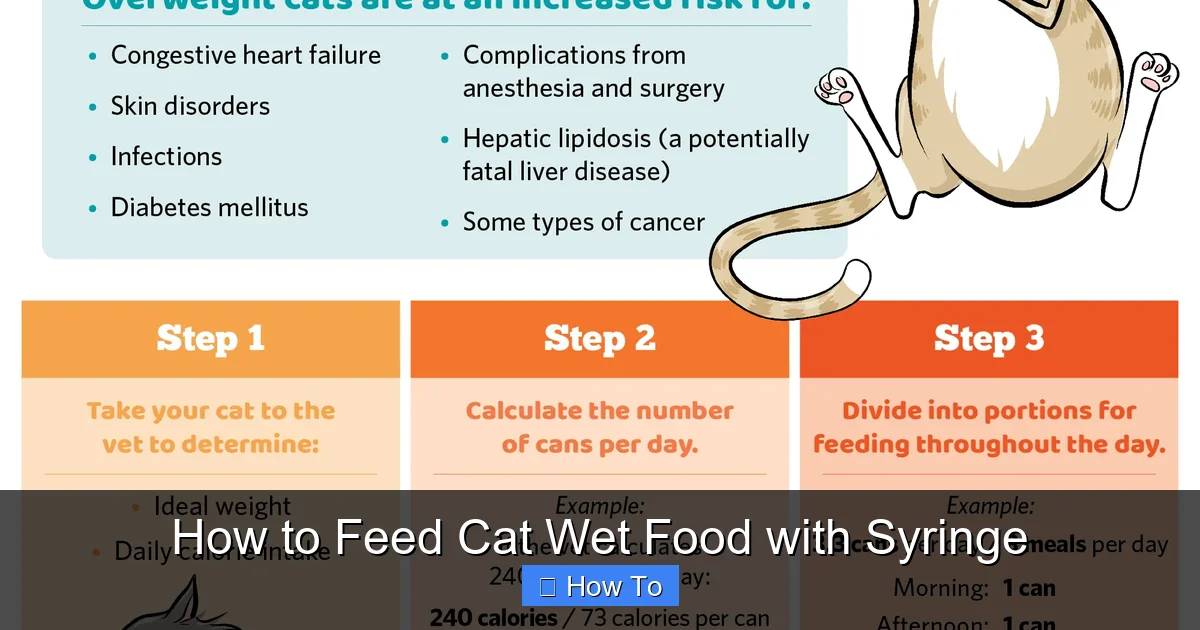
Visual guide about How to Feed Cat Wet Food with Syringe
Image source: petmd.com
Wet Cat Food
Use high-quality wet food that your cat already enjoys. Pâté-style foods blend most easily, but you can also use shredded or flaked varieties if you strain out large pieces. Avoid foods with bones, tough fibers, or large chunks. If your cat has dietary restrictions, choose a vet-recommended formula.
Blender or Fork
You’ll need to blend the food into a smooth, soupy consistency. A small blender, food processor, or even a fork and bowl can work. For best results, add a little water, broth (unsalted and onion-free), or water from a can of tuna to thin the mixture.
Warm Water or Broth
Warming the food slightly (to around body temperature, 98–100°F) makes it more appealing and easier to syringe. Never microwave the food directly in the syringe—heat it in a separate container and test the temperature on your wrist before feeding.
Towel or Blanket
A soft towel can help wrap your cat gently to prevent scratching or squirming. This is especially helpful for nervous or weak cats.
Clean Bowl and Spoon
Use a dedicated bowl and spoon for mixing the food. Avoid using utensils that have touched raw meat or other contaminants.
Paper Towels or Cloth
Have these on hand to wipe spills, clean your cat’s mouth, or dry your hands.
Step-by-Step Guide to Syringe Feeding
Now that you’re prepared, let’s go through the feeding process step by step. Take your time—rushing can stress your cat and increase the risk of choking.
Step 1: Prepare the Food
Start by opening a can or pouch of wet food. Scoop out the amount recommended by your vet—usually 1–3 tablespoons per feeding, depending on your cat’s size. Place it in a small bowl.
Use a fork or blender to mash the food into a smooth paste. Add a small amount of warm water, low-sodium chicken broth, or tuna water to achieve a thin, pourable consistency—like applesauce or yogurt. Stir well to remove lumps.
Test the temperature by placing a drop on the inside of your wrist. It should feel warm, not hot. If it’s too cool, warm it slightly in a bowl over hot water (not in the microwave).
Step 2: Load the Syringe
Draw the prepared food into the syringe. Hold the syringe upright and pull the plunger slowly to avoid air bubbles. If bubbles form, tap the syringe gently or push the plunger slightly to release them.
Wipe the tip of the syringe with a clean cloth to remove excess food. This helps prevent clogging and keeps your cat’s face clean.
Step 3: Position Your Cat
Find a quiet, calm space where your cat feels safe. Sit on the floor or a low chair with your cat in your lap. If your cat tends to squirm, gently wrap them in a towel, leaving only the head exposed—this is called “burrito wrapping” and helps keep them still.
Hold your cat with their back against your body and their head slightly elevated. Avoid tilting the head too far back, as this can cause food to go down the windpipe. Instead, keep the head in a natural, upright position.
Step 4: Administer the Food
With your free hand, gently open your cat’s mouth by pressing lightly on the sides of the cheeks. Insert the tip of the syringe into the side of the mouth, between the cheek and teeth—never straight down the throat.
Slowly depress the plunger to release a small amount of food—about 0.5 to 1 mL at a time. Allow your cat to swallow before giving more. You’ll see their throat move as they swallow. If they don’t swallow, wait a few seconds before continuing.
Never force the food. If your cat turns away, gags, or coughs, stop immediately. Let them rest and try again in a few minutes.
Step 5: Monitor and Comfort
After each small amount, praise your cat softly and stroke their head. This helps reduce stress and builds positive associations with feeding.
Continue feeding in small increments until the full portion is given. Most cats tolerate 5–10 mL per feeding, but follow your vet’s recommendations.
Step 6: Clean Up
Once feeding is complete, wipe your cat’s mouth and face with a damp cloth to remove any residue. Offer fresh water in a bowl—some cats may want to drink after syringe feeding.
Rinse the syringe, bowl, and utensils immediately with warm, soapy water. Let them air dry or dry with a clean towel. Store the syringe in a clean, dry place for next time.
Tips for Success
Syringe feeding takes practice, but these tips can help make it easier and more effective.
Go Slow
Patience is key. Rushing can cause choking or aspiration (when food enters the lungs). Always let your cat swallow between bites.
Stay Calm
Cats sense stress. Speak in a soft, soothing voice and move gently. If you’re anxious, take a break and try again later.
Feed in a Quiet Space
Minimize distractions like loud noises, other pets, or bright lights. A calm environment helps your cat relax.
Use High-Value Food
If your cat is reluctant, try a flavor they love—like salmon, chicken, or liver. Some cats respond well to baby food (make sure it’s onion- and garlic-free).
Track Intake
Keep a log of how much your cat eats, how often, and any reactions. This helps your vet monitor progress and adjust the plan if needed.
Rotate Syringes
Use a clean syringe for each feeding to prevent contamination. If you’re feeding multiple times a day, have several on hand.
Troubleshooting Common Issues
Even with the best preparation, challenges can arise. Here’s how to handle the most common problems.
Cat Refuses to Open Mouth
If your cat clamps their mouth shut, don’t force it. Gently stroke their cheeks or offer a small drop of water to encourage licking. Wait a few minutes and try again. Sometimes a break helps.
Food Comes Out of the Nose
This can happen if the head is tilted too far back or food is given too fast. Stop feeding immediately. Wipe the nose gently and let your cat rest. Reassess your technique—keep the head level and feed slower next time.
Coughing or Gagging
These are signs of possible aspiration. Stop feeding and monitor your cat. If coughing persists or they seem distressed, contact your vet right away. Aspiration pneumonia is serious and requires immediate care.
Food Clogs the Syringe
If the mixture is too thick, add more liquid. If it’s too thin, it may not hold nutrients well. Aim for a smooth, pourable consistency. Strain the food through a fine mesh if needed.
Cat Becomes Aggressive
Some cats resist syringe feeding due to pain or fear. If your cat hisses, scratches, or bites, stop and consult your vet. They may recommend sedation, a different feeding method, or pain management.
No Appetite After Several Days
If your cat continues to refuse food or loses weight, seek veterinary advice. Underlying issues like infections, organ problems, or dental disease may need treatment.
When to Stop Syringe Feeding
Syringe feeding is meant to be temporary. As your cat recovers or gains strength, they should gradually return to eating on their own.
Watch for signs of improvement:
- Your cat shows interest in food by sniffing or licking.
- They attempt to chew or eat from a bowl.
- Energy levels increase and behavior normalizes.
Once your cat eats a full meal independently, you can reduce syringe feedings. Transition slowly—offer a small amount of wet food in a bowl alongside syringe feeding. Over a few days, increase the bowl food and decrease the syringe amount.
Always consult your vet before stopping syringe feeding completely. They may want to run tests to ensure your cat is truly ready.
Safety and Hygiene
Keeping everything clean is essential to prevent infections and illness.
Wash Your Hands
Always wash your hands before and after feeding. This protects both you and your cat from bacteria.
Sanitize Tools
Rinse the syringe immediately after use. Soak it in warm, soapy water, then flush it with clean water. Let it air dry upside down on a clean towel.
Store Food Properly
Refrigerate unused portions of wet food for up to 24 hours. Discard any food left at room temperature for more than 2 hours.
Avoid Cross-Contamination
Use separate utensils for raw meat and cat food. Never use the same spoon to taste your cat’s food—saliva can introduce bacteria.
Emotional Support for You and Your Cat
Syringe feeding can be emotionally taxing. You may feel frustrated, worried, or overwhelmed—especially if your cat is unwell. Remember, you’re doing this out of love and care.
Take breaks when needed. Ask a family member or friend to help with feedings. Celebrate small victories, like a successful feeding or a moment of calm.
Your cat may not show it, but they feel your presence and care. Soft words, gentle touches, and a steady routine can provide comfort during difficult times.
Conclusion
Learning how to feed cat wet food with syringe is a valuable skill that can support your feline’s health during recovery, illness, or developmental stages. With the right tools, technique, and patience, you can deliver essential nutrition safely and compassionately.
Remember to prepare the food properly, position your cat gently, and feed slowly. Stay alert for signs of distress, and always consult your veterinarian for guidance. Most importantly, be kind to yourself—this is a challenging but meaningful act of care.
In 2026, with better pet care resources and veterinary support, syringe feeding has become more accessible and effective than ever. Whether you’re caring for a tiny kitten or a senior cat, this method can make a real difference in their well-being.
With practice and love, you and your cat can navigate this journey together—one syringe at a time.