
Learn how to feed cats different foods without upsetting their digestion. This guide covers safe transitions, food types, portion control, and expert-backed tips for 2026. Keep your cat healthy and excited about mealtime.
Key Takeaways
- Gradual transitions prevent digestive upset: Always switch cat foods over 7–10 days to avoid vomiting or diarrhea.
- Rotate proteins for balanced nutrition: Offer chicken, fish, turkey, and lamb to support muscle health and reduce allergies.
- Wet food boosts hydration: Include wet food daily to support kidney and urinary health, especially in older cats.
- Portion control prevents obesity: Follow feeding guidelines based on weight, age, and activity level.
- Monitor for food sensitivities: Watch for itching, ear infections, or digestive issues when introducing new foods.
- Use puzzle feeders for mental stimulation: Slow down fast eaters and enrich mealtime with interactive toys.
- Consult your vet before major diet changes: Especially for kittens, seniors, or cats with medical conditions.
How to Feed Cats Different Foods: A Complete 2026 Guide
Cats are curious creatures—especially when it comes to food. While they may seem picky, offering variety in their diet can actually benefit their health, happiness, and longevity. In 2026, pet nutrition science has advanced significantly, giving cat owners more options than ever. From high-protein wet foods to novel proteins like duck and rabbit, the choices are vast. But with variety comes responsibility. Knowing how to feed cats different foods safely and effectively is key to avoiding digestive upset, allergies, or nutritional imbalances.
This guide will walk you through everything you need to know about introducing new foods to your cat’s diet. Whether you’re switching brands, rotating proteins, or trying homemade meals, we’ll cover the best practices, step-by-step transitions, and expert tips to keep your feline friend thriving. By the end, you’ll feel confident feeding your cat a diverse, balanced, and delicious diet—without the stress.
Why Variety Matters in a Cat’s Diet

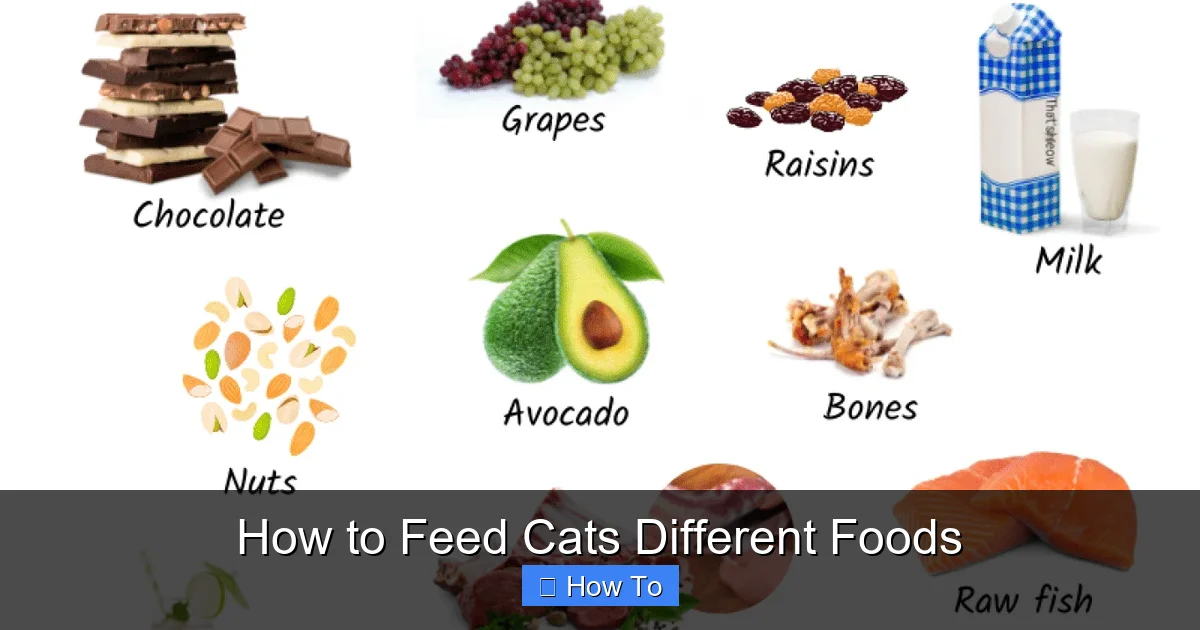
Visual guide about How to Feed Cats Different Foods
Image source: i.pinimg.com
Cats are obligate carnivores, meaning they rely on animal-based proteins to survive. In the wild, they’d eat a range of prey—birds, mice, insects—giving them a natural diet rich in variety. Domesticated cats miss out on this diversity, often eating the same kibble day after day. While convenient, a monotonous diet can lead to boredom, food sensitivities, and nutrient gaps.
Introducing different foods helps in several ways:
- Reduces the risk of food allergies: Just like humans, cats can develop intolerances to ingredients they eat too often. Rotating proteins like chicken, fish, turkey, and lamb lowers this risk.
- Supports digestive health: A varied gut microbiome improves digestion and immunity. Different fibers and proteins feed good bacteria in the gut.
- Keeps mealtime exciting: Cats enjoy novelty. A new flavor or texture can reignite interest in eating, especially in senior or picky cats.
- Balances nutrients: No single food provides every nutrient perfectly. Rotating brands and types ensures a more complete nutritional profile.
In 2026, many veterinarians recommend a “rotation diet” as part of a proactive wellness plan. Think of it like a rotating menu—your cat gets something new every few weeks, keeping their system adaptable and resilient.
Types of Cat Food to Consider
Before you start mixing things up, it’s important to understand the main types of cat food available. Each has pros and cons, and the best approach often combines two or more.
Dry Food (Kibble)
Dry food is convenient, cost-effective, and has a long shelf life. It’s great for free-feeding and dental health (though not a substitute for brushing). However, it’s typically low in moisture and high in carbohydrates—something cats don’t need much of.
Best for: Busy households, multi-cat homes, and cats who graze throughout the day.
Tip: Choose high-protein, grain-free kibble with real meat as the first ingredient. Avoid fillers like corn, soy, and by-products.
Wet Food (Canned or Pouches)
Wet food is rich in moisture—often 70–80% water—making it excellent for hydration. It’s also more palatable and closer to a cat’s natural diet. Many cats prefer the texture and smell.
Best for: Cats with urinary issues, kidney disease, or low water intake. Also ideal for kittens and seniors.
Tip: Look for grain-free options with named meat sources (e.g., “chicken” not “poultry by-product”). Avoid artificial preservatives like BHA and BHT.
Raw and Fresh Diets
Raw diets mimic what cats eat in the wild—raw meat, bones, and organs. Fresh diets are lightly cooked and often delivered frozen or refrigerated. These options are gaining popularity in 2026 due to their high bioavailability and minimal processing.
Best for: Health-conscious owners willing to handle raw food safely. Not recommended for immunocompromised cats.
Tip: Always follow strict hygiene practices. Freeze raw meat for 48 hours before serving to kill parasites. Consult your vet before starting.
Freeze-Dried and Dehydrated Foods
These are raw or cooked foods with moisture removed. They’re lightweight, shelf-stable, and retain most nutrients. Just add water to rehydrate.
Best for: Travel, emergency kits, or as a topper to enhance kibble.
Tip: Choose brands with minimal additives. Rehydrate fully to aid digestion.
Homemade Meals
Cooking for your cat gives you full control over ingredients. However, it requires careful planning to avoid deficiencies.
Best for: Owners with time and knowledge of feline nutrition.
Tip: Use vet-approved recipes. Never feed onions, garlic, chocolate, or grapes—these are toxic to cats.
Step-by-Step Guide to Introducing New Foods
Switching your cat’s food isn’t as simple as dumping a new bag in the bowl. Cats have sensitive stomachs, and sudden changes can cause vomiting, diarrhea, or refusal to eat. Follow this step-by-step plan to make the transition smooth and stress-free.
Step 1: Choose the Right New Food
Not all cat foods are created equal. When selecting a new food, consider:
- Life stage: Kittens, adults, and seniors have different nutritional needs.
- Health conditions: Cats with diabetes, kidney disease, or allergies may need specialized diets.
- Ingredient quality: Prioritize real meat, limited fillers, and no artificial additives.
- Texture and flavor: Some cats prefer pâté, others shreds or gravy. Try small samples first.
Pro tip: Buy single-serve samples or small cans to test new foods without waste.
Step 2: Start the Transition Slowly
The golden rule: go slow. A gradual transition over 7–10 days allows your cat’s digestive system to adapt.
Here’s a sample schedule:
- Days 1–2: 75% old food + 25% new food
- Days 3–4: 50% old food + 50% new food
- Days 5–6: 25% old food + 75% new food
- Day 7+: 100% new food
Mix the foods thoroughly in the bowl. If your cat is resistant, warm the food slightly (to body temperature) to enhance aroma.
Step 3: Monitor Your Cat’s Reaction
Watch for signs of digestive upset:
- Vomiting (more than once in 24 hours)
- Diarrhea or soft stools
- Lethargy or loss of appetite
- Excessive gas or bloating
If symptoms appear, slow the transition. Go back to the previous ratio for a few days before advancing.
Note: Some cats take longer to adapt. Extend the transition to 14 days if needed.
Step 4: Rotate Foods Regularly
Once your cat is comfortable with the new food, don’t stop there. Rotate proteins and brands every 4–8 weeks to maintain variety.
Example rotation plan:
- Weeks 1–4: Chicken-based wet food
- Weeks 5–8: Salmon and turkey blend
- Weeks 9–12: Duck and rabbit kibble
- Weeks 13–16: Lamb and beef pâté
Keep a food journal to track what works and what doesn’t. Note energy levels, coat condition, and litter box habits.
Step 5: Use Toppers and Mix-Ins
Even if your cat loves their main food, adding toppers can boost nutrition and excitement.
Safe and healthy toppers include:
- Freeze-dried chicken or liver
- Small pieces of cooked egg
- Pumpkin puree (plain, no spices)
- Bone broth (low-sodium, no onions)
- Cat-safe herbs like catnip or parsley
Sprinkle a teaspoon over meals to enhance flavor and texture.
Feeding Tips for Different Life Stages
Cats’ nutritional needs change with age. Here’s how to adjust their diet accordingly.
Kittens (Under 1 Year)
Kittens need high-calorie, high-protein food to support rapid growth. Feed them 3–4 small meals a day.
Best foods: Kitten-specific wet or dry food with DHA for brain development.
Tip: Avoid adult cat food—it lacks the nutrients kittens need.
Adult Cats (1–7 Years)
Maintain a balanced diet with controlled portions to prevent obesity. Most adult cats do well on 2 meals a day.
Best foods: High-protein wet food combined with quality kibble.
Tip: Use a food scale to measure portions accurately.
Senior Cats (7+ Years)
Older cats may have slower metabolisms and health issues. Focus on digestible proteins and joint support.
Best foods: Senior-formulated wet food with added fiber and omega-3s.
Tip: Offer smaller, more frequent meals if your cat has dental pain or low appetite.
Portion Control and Feeding Schedules
Overfeeding is a common problem. Obesity leads to diabetes, arthritis, and heart disease. To keep your cat at a healthy weight:
- Follow feeding guidelines: Check the label for recommended amounts based on weight.
- Use a measuring cup: Eyeballing leads to overfeeding.
- Adjust for activity: Active cats need more calories; indoor cats need less.
- Limit treats: Treats should be no more than 10% of daily calories.
Feeding schedule options:
- Free-feeding: Leave dry food out all day. Best for cats who self-regulate.
- Scheduled meals: Offer food at set times (e.g., 7 AM and 6 PM). Better for portion control.
- Automatic feeders: Great for busy owners. Program small meals throughout the day.
Troubleshooting Common Feeding Issues
Even with the best plans, problems can arise. Here’s how to handle them.
My Cat Won’t Eat the New Food
Cats are creatures of habit. If your cat refuses the new food:
- Mix in a favorite treat or topper.
- Warm the food to enhance smell.
- Offer it at room temperature—not cold from the fridge.
- Try a different texture (e.g., switch from pâté to shreds).
If refusal lasts more than 24–48 hours, consult your vet. Loss of appetite can signal illness.
My Cat Has Diarrhea After Switching Foods
This is common during transitions. To help:
- Slow the transition process.
- Add a teaspoon of plain pumpkin puree to firm stools.
- Ensure fresh water is always available.
- Avoid dairy—most cats are lactose intolerant.
If diarrhea persists over 48 hours, see your vet.
My Cat Is Gaining Weight
Obesity is a serious issue. To manage it:
- Switch to a weight-management formula.
- Increase playtime with interactive toys.
- Use puzzle feeders to slow eating.
- Weigh your cat monthly and adjust portions.
My Cat Is Itchy or Has Ear Infections
These could be signs of a food allergy. Common allergens include chicken, beef, and fish.
- Try a novel protein like duck, rabbit, or venison.
- Eliminate grains if your cat eats them.
- Keep a food diary to identify triggers.
- Ask your vet about an elimination diet.
Safety Tips for Feeding Different Foods
Not all human foods are safe for cats. Avoid:
- Onions, garlic, chives
- Chocolate and caffeine
- Grapes and raisins
- Alcohol
- Raw dough
- Bones (cooked bones can splinter)
Also, store cat food properly:
- Keep dry food in an airtight container.
- Refrigerate opened wet food and use within 3–5 days.
- Wash food bowls daily to prevent bacteria.
Conclusion
Feeding your cat different foods doesn’t have to be complicated. With the right approach, you can provide a varied, nutritious, and enjoyable diet that supports their health for years to come. Remember: go slow, stay consistent, and listen to your cat. Watch their energy, coat, and litter box habits as signs of success.
In 2026, pet nutrition is more advanced than ever—but the basics remain the same. Prioritize quality ingredients, proper hydration, and gradual changes. Whether you’re rotating proteins, trying raw food, or just adding a tasty topper, every small step counts.
Your cat depends on you for their well-being. By learning how to feed cats different foods wisely, you’re not just feeding them—you’re giving them the gift of a longer, healthier, and happier life.