
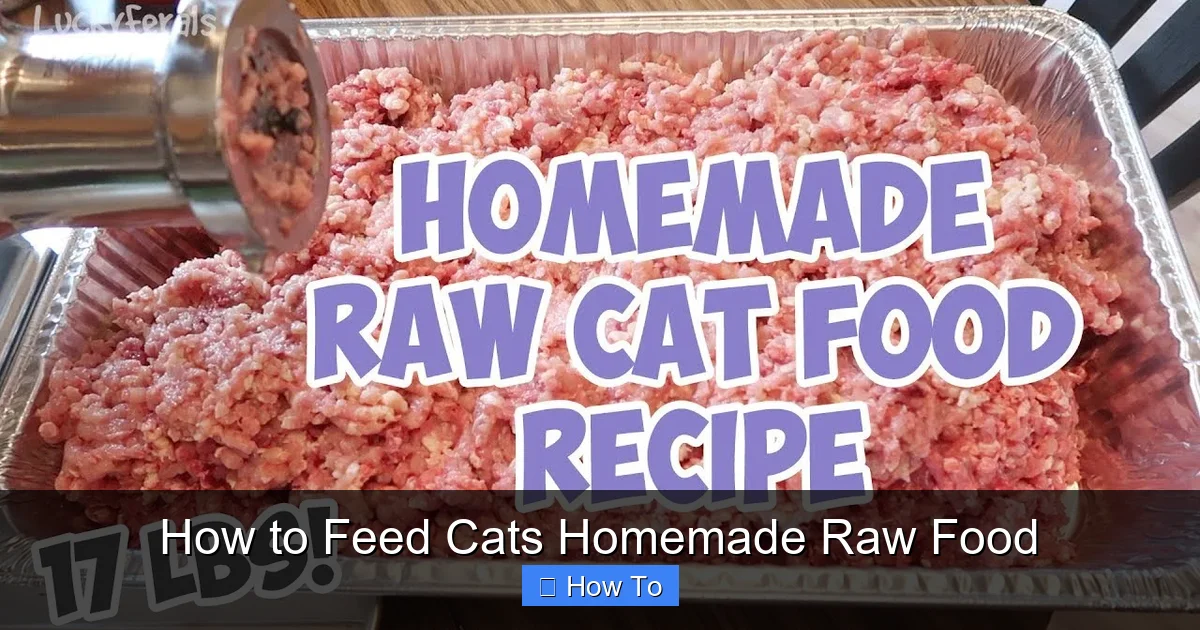
Switching your cat to homemade raw food can boost energy, improve coat health, and support digestion—if done safely. This guide walks you through sourcing ingredients, balancing nutrition, and avoiding common pitfalls in 2026.
Key Takeaways
- Balance is crucial: Cats need a precise ratio of muscle meat, organ meat, and bone to meet their nutritional needs.
- Safety first: Proper handling, storage, and sourcing of raw ingredients prevent bacterial contamination and illness.
- Supplements matter: Taurine, omega-3s, and vitamin E are essential additions that commercial diets include but raw recipes often lack.
- Start slow: Gradually transition your cat from kibble or canned food to avoid digestive upset.
- Consult your vet: Especially if your cat has health conditions like kidney disease or diabetes.
- Use trusted recipes: Follow science-backed formulations from veterinary nutritionists, not social media trends.
- Monitor closely: Watch for changes in weight, energy, stool quality, and coat condition after switching.
How to Feed Cats Homemade Raw Food: A Complete 2026 Guide
If you’re reading this, chances are you care deeply about your cat’s health—and you’re ready to take their nutrition into your own hands. In 2026, more pet parents than ever are turning to homemade raw diets for their feline companions. And for good reason: when done correctly, a raw diet can lead to shinier coats, cleaner teeth, better digestion, and even longer lifespans.
But here’s the catch: feeding cats homemade raw food isn’t as simple as tossing some chicken in a bowl. Cats are obligate carnivores, which means their bodies are built to thrive on animal-based proteins and fats—but they also need a very specific balance of nutrients that’s easy to miss if you’re not careful.
This guide will walk you through everything you need to know to safely and effectively feed your cat a homemade raw diet in 2026. From understanding the basics of feline nutrition to sourcing quality ingredients, preparing balanced meals, and troubleshooting common issues, we’ve got you covered. By the end, you’ll feel confident feeding your cat a diet that’s not only natural but scientifically sound.
Why Feed Cats Homemade Raw Food?
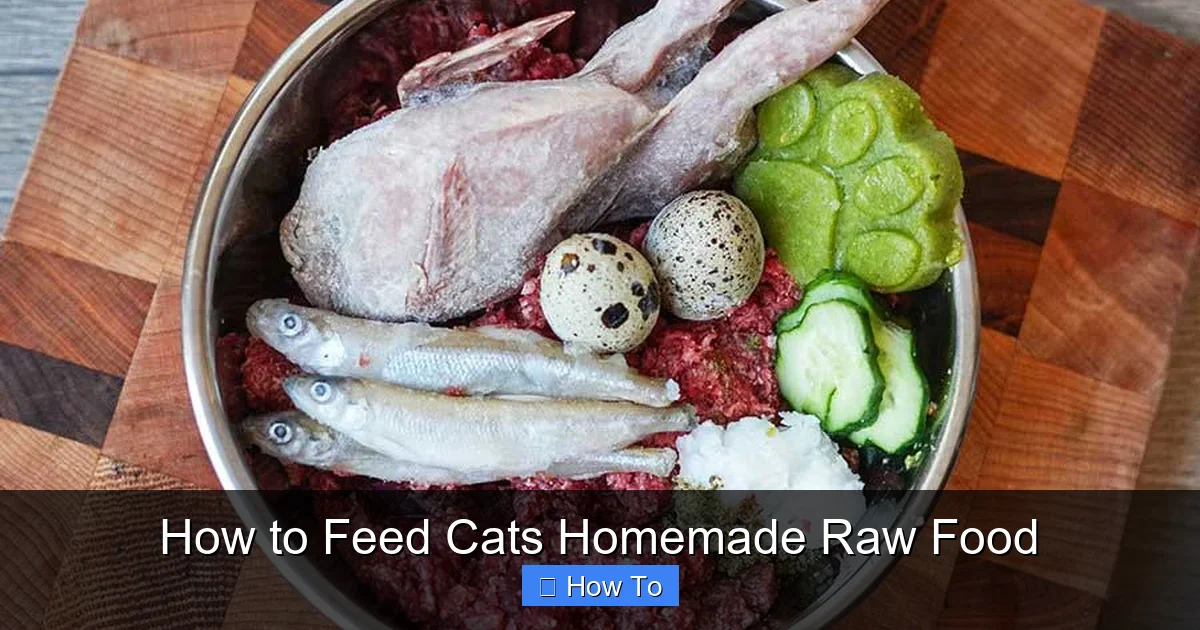
Visual guide about How to Feed Cats Homemade Raw Food
Image source: blog.homesalive.ca
Before we dive into the how, let’s talk about the why. Why are so many cat owners in 2026 choosing raw over kibble or canned food?
First, it’s about biology. Cats evolved as hunters, eating small prey like mice and birds—food that’s raw, high in protein, and rich in moisture. Commercial dry food, by contrast, is often high in carbohydrates, low in water, and processed at high temperatures that can destroy nutrients.
Studies from 2024 and 2025 show that cats on raw diets tend to have:
– Lower rates of obesity and diabetes
– Reduced dental plaque and tartar
– Fewer urinary tract issues
– Shinier, softer fur
– More stable energy levels
Of course, not every cat will respond the same way—and raw feeding isn’t right for every household. But for many, the benefits are hard to ignore.
Understanding Feline Nutritional Needs
Cats have unique dietary requirements that differ significantly from dogs or humans. To feed them properly, you need to understand what their bodies actually need.
Protein: The Foundation
Cats require high levels of animal-based protein—about 50–60% of their diet. Unlike dogs, they can’t efficiently convert plant proteins into the amino acids they need. That’s why meat isn’t just a preference—it’s a necessity.
Fats for Energy and Coat Health
Healthy fats provide concentrated energy and support skin and coat health. Look for sources like chicken fat, duck fat, or fish oil. Aim for about 20–30% fat in the diet.
Taurine: Non-Negotiable
Taurine is an amino acid critical for heart function, vision, and reproduction. Cats can’t synthesize enough on their own, so it must come from food. Deficiency can lead to blindness, heart disease, and even death. Most raw meat contains taurine, but cooking or improper storage can destroy it—so supplementation is often needed.
Vitamins and Minerals
Cats need vitamin A (from liver), vitamin D (from fish or supplements), calcium (from ground bone), and B vitamins. A deficiency in any of these can cause serious health problems.
Water Intake
Cats have a low thirst drive and evolved to get moisture from prey. Raw food is about 70% water—much higher than kibble (which is only 10% water). This helps prevent dehydration and supports kidney health.
Is Homemade Raw Food Right for Your Cat?
Before you start grinding meat, ask yourself: Is this the right choice for my cat and my lifestyle?
Raw feeding requires time, planning, and commitment. It’s not just about buying meat—it’s about balancing nutrients, storing food safely, and monitoring your cat’s health.
Consider these questions:
– Do you have time to prepare meals 2–3 times a week?
– Can you afford high-quality, human-grade meat?
– Do you have freezer space for bulk storage?
– Is your cat healthy, or do they have chronic conditions?
If your cat has kidney disease, pancreatitis, or a weakened immune system, raw food may not be safe. Always consult your veterinarian before making the switch.
Step 1: Choose a Balanced Recipe
The most important part of raw feeding is balance. A complete and balanced raw diet for cats should include:
– 80–85% muscle meat (chicken, turkey, rabbit, duck)
– 10% raw edible bone (chicken necks, wings, or turkey frames)
– 5–10% organ meat (7% liver, 3% other secreting organs like kidney or spleen)
This ratio ensures your cat gets protein, fat, calcium, and essential nutrients.
Sample 2026 Recipe: Chicken & Liver Raw Mix
Here’s a simple, vet-approved recipe for a 1-pound batch:
- 12 oz (340g) chicken thigh meat (muscle meat)
- 2 oz (57g) chicken liver (organ meat)
- 1 oz (28g) chicken heart (counts as organ meat)
- 1 oz (28g) raw chicken necks (ground, for bone)
- 1/4 tsp fish oil (for omega-3s)
- 1/4 tsp egg yolk (optional, for extra nutrients)
- 1/8 tsp taurine powder (critical supplement)
- 1/8 tsp vitamin E oil (antioxidant)
Mix all ingredients thoroughly, portion into 1- or 2-ounce servings, and freeze. Thaw in the fridge before serving.
Where to Find Recipes
Don’t rely on random internet posts. Use trusted sources like:
– The American College of Veterinary Nutrition (ACVN)
– Books by Dr. Lisa Pierson or Dr. Karen Becker
– Online calculators like “Raw Feeding for Cats” by Feline Nutrition Foundation
Avoid recipes that skip supplements or use unsafe ingredients (like raw fish without proper handling or too much liver).
Step 2: Source High-Quality Ingredients
Not all meat is created equal. To keep your cat safe and healthy, you need to choose ingredients carefully.
Human-Grade vs. Pet-Grade
Always use human-grade meat. Pet-grade meat may contain parts not fit for human consumption and is held to lower safety standards. Look for labels like “USDA inspected” or “humanely raised.”
Organic and Grass-Fed Options
While not required, organic, pasture-raised, or grass-fed meats reduce exposure to antibiotics, hormones, and pesticides. In 2026, more farms offer affordable bulk options for pet owners.
Where to Buy
– Local butcher shops (ask for ground meat or bones)
– Farmers markets
– Online suppliers like US Wellness Meats or Farm Food Box
– Costco or Sam’s Club (for bulk chicken or turkey)
Avoid pre-ground meat from supermarkets—it’s often contaminated with bacteria due to repeated handling.
Freezing for Safety
Freeze meat for at least 72 hours before use to kill parasites like Toxoplasma. This is especially important if using wild game or undercooked meat.
Step 3: Prepare the Food Safely
Raw meat carries bacteria like Salmonella and E. coli. Proper handling is essential to protect both your cat and your household.
Clean Your Workspace
Use separate cutting boards, knives, and bowls for raw pet food. Never use the same utensils for human food without washing them first.
Wash Hands and Surfaces
Wash your hands with soap for 20 seconds before and after handling raw meat. Clean all surfaces with hot, soapy water or a pet-safe disinfectant.
Use Gloves (Optional but Recommended)
Disposable gloves reduce cross-contamination and make cleanup easier.
Grind Your Own Meat (If Possible)
Pre-ground meat has a larger surface area, which increases bacterial growth. If you have a meat grinder, grind fresh meat at home. Clean the grinder thoroughly after each use.
Portion and Freeze
Divide the mixture into meal-sized portions (usually 1–2 ounces per serving for an average cat). Use silicone molds or small containers. Label with the date and freeze for up to 3 months.
Step 4: Transition Your Cat Gradually
Switching to raw food too fast can cause vomiting, diarrhea, or refusal to eat. Take it slow.
Week 1: Mix with Current Food
Start by mixing 10% raw food with 90% of your cat’s current diet. Serve at room temperature—cats prefer food slightly warmer than fridge-cold.
Week 2: Increase to 25% Raw
If your cat tolerates it, increase the raw portion. Watch for changes in stool or energy.
Week 3: 50/50 Mix
Half raw, half kibble or canned. Some cats may start rejecting the old food—that’s okay.
Week 4: Full Raw Diet
By now, your cat should be eating 100% raw. If they’re still hesitant, try warming the food slightly or adding a sprinkle of freeze-dried liver powder for aroma.
Tips for Picky Eaters
– Try different meats (rabbit, duck, turkey)
– Add a small amount of bone broth (unsalted)
– Offer food at different times of day
– Be patient—some cats take weeks to adjust
Step 5: Serve and Store Properly
How you serve and store raw food matters just as much as what you feed.
Thawing Safely
Thaw frozen portions in the refrigerator—not on the counter. Never microwave raw food, as it can create hot spots and destroy nutrients.
Serve at Room Temperature
Cats prefer food at body temperature (around 98–100°F). Cold food may be ignored.
Use Clean Bowls
Wash food and water bowls daily with hot, soapy water. Stainless steel or ceramic bowls are best—plastic can harbor bacteria.
Don’t Leave Food Out
Raw food should not sit out for more than 1–2 hours at room temperature. Bacteria grow quickly. If your cat doesn’t finish their meal, discard it.
Refrigerate Leftovers
If you thaw more than needed, store leftovers in the fridge for up to 24 hours. Do not refreeze thawed food.
Step 6: Monitor Your Cat’s Health
Once your cat is on a raw diet, keep a close eye on their health. Positive changes may appear within weeks.
What to Look For
– Shiny, soft coat
– Clean teeth and fresh breath
– Firm, small stools
– Stable weight
– High energy and playfulness
– Clear eyes and healthy gums
When to Worry
– Persistent vomiting or diarrhea
– Weight loss or gain
– Lethargy or hiding
– Bad breath or drooling
– Changes in litter box habits
If you notice any of these, consult your vet immediately. Keep records of meals, supplements, and health changes to help your vet assess the diet.
Supplements: What You Need and Why
Even with a balanced recipe, supplements are often necessary. Here’s what to consider in 2026:
Taurine
Essential for heart and eye health. Add 250–500 mg per pound of food. Available as a powder or capsule.
Omega-3 Fatty Acids
Reduce inflammation and support skin health. Use fish oil (EPA/DHA) or krill oil. Dosage: 20–30 mg per pound of body weight daily.
Vitamin E
Acts as an antioxidant and prevents fat oxidation. Add 1–2 IU per pound of food.
Calcium
If you’re not using ground bone, supplement with calcium carbonate. Ratio: 1,000 mg calcium per 1,000 kcal of food.
Other Considerations
– Iodine (from kelp, in moderation)
– B-complex vitamins (if using liver sparingly)
– Probiotics (to support gut health)
Always use high-quality, pet-specific supplements. Avoid human multivitamins—they may contain harmful ingredients like xylitol.
Troubleshooting Common Issues
Even with the best planning, problems can arise. Here’s how to handle the most common ones.
My Cat Won’t Eat the Raw Food
Try warming it slightly, adding bone broth, or mixing in a small amount of canned food. Some cats prefer whole prey models (like whole mice or quail), but these can be harder to source.
Diarrhea or Vomiting
This is often due to a sudden switch or imbalance. Go back to a 50/50 mix and slow the transition. Check for too much liver or lack of bone.
Strong Odor in Stool
A raw diet usually produces less smelly stools than kibble. If odor is strong, you may have too much organ meat or spoilage. Check storage and ingredient freshness.
My Cat Is Losing Weight
Ensure portions are adequate. An average 10-pound cat needs about 2–3 ounces of food per day. Adjust based on activity level and body condition.
Bacterial Contamination
If you or a family member gets sick, review your handling practices. Always wash hands, use separate utensils, and clean surfaces.
Cost and Time Considerations
Raw feeding isn’t always cheaper than kibble—but it can be cost-effective with planning.
Estimated Monthly Cost
– $60–$120 for a single cat, depending on meat quality and sourcing
– Bulk buying and using whole carcasses (like whole chickens) can reduce costs
– Supplements add $10–$20 per month
Time Commitment
– 30–60 minutes per week for prep and portioning
– Daily feeding and cleanup
– Monthly inventory and ordering
If time is tight, consider pre-made raw diets from reputable brands—though they’re more expensive.
Final Thoughts: Is Homemade Raw Right for You?
Feeding cats homemade raw food in 2026 is safer and more accessible than ever—but it’s not a decision to take lightly. When done correctly, it can transform your cat’s health. But it requires research, consistency, and vigilance.
Remember: your cat’s health is the top priority. If you’re unsure, work with a veterinary nutritionist to create a custom plan. And always keep your vet in the loop.
With the right knowledge and care, you can give your feline friend a diet that’s as natural and nourishing as nature intended.