
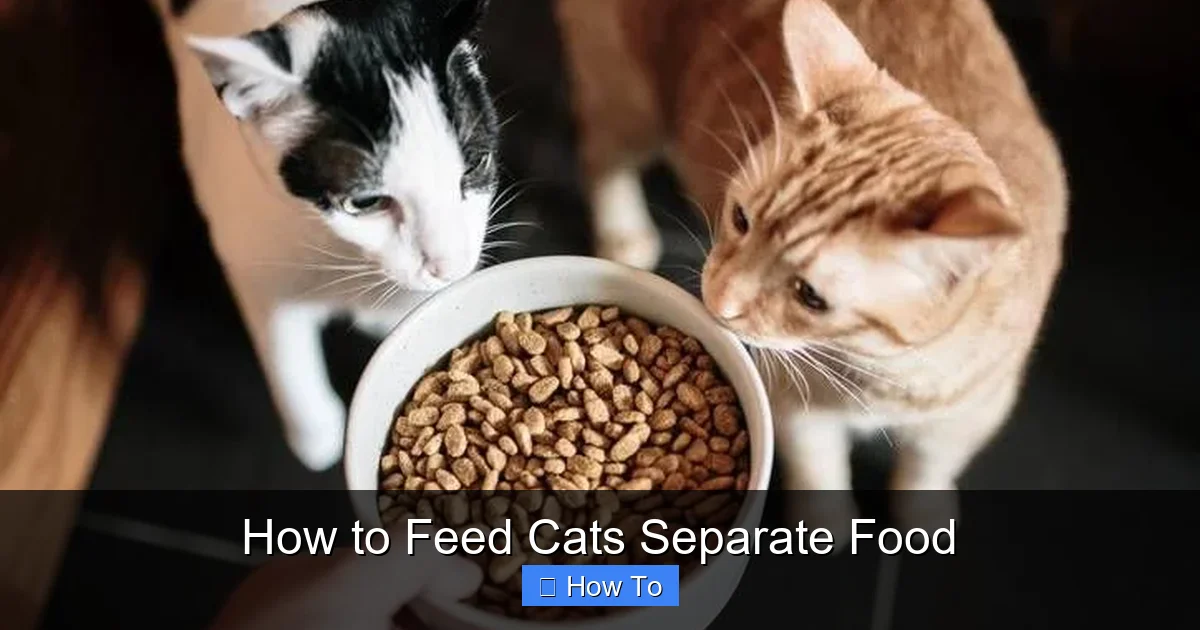
Feeding cats separate food is essential in multi-cat households to prevent food aggression, ensure proper nutrition, and support individual dietary needs. This guide walks you through practical, proven methods to safely and effectively feed your cats apart—without stress or confusion.
Key Takeaways
- Understand why separate feeding matters: It prevents overeating, reduces mealtime stress, and supports cats with special diets or health conditions.
- Use physical barriers or timed feeders: Baby gates, pet doors, or automated feeders can help manage access during meals.
- Establish consistent routines: Cats thrive on predictability—feed at the same times daily to reduce anxiety and competition.
- Monitor each cat’s intake: Track food consumption to catch health issues early and ensure no one is being bullied away from food.
- Train with positive reinforcement: Reward calm behavior during meals to build positive associations with separate feeding.
- Adapt as needed: Be flexible—what works today may need tweaking as your cats grow or their needs change.
- Consult your vet for complex cases: If aggression or health concerns persist, professional guidance ensures your cats stay safe and healthy.
How to Feed Cats Separate Food: A Complete Guide for 2026
If you’re a cat parent with more than one feline friend, you’ve probably faced the challenge of mealtime chaos. One cat gobbles up everything in seconds, while another hides under the couch, too nervous to eat. Or worse—your cats fight over food, leaving stress, spilled kibble, and unhappy pets in their wake. That’s why learning how to feed cats separate food is one of the most important skills for any multi-cat household.
In this comprehensive guide, updated for 2026, we’ll walk you through everything you need to know to feed your cats apart—safely, effectively, and without drama. Whether you’re dealing with food aggression, dietary restrictions, or just want to give each cat their own space, these proven strategies will help you create a peaceful, healthy mealtime routine.
You’ll learn:
– Why separate feeding is essential for your cats’ well-being
– Step-by-step methods to implement separation
– Tools and tech that make the process easier
– How to train your cats to accept new routines
– Troubleshooting tips for common problems
By the end of this guide, you’ll have a clear plan tailored to your home and your cats’ unique personalities. Let’s get started!
Why Feeding Cats Separately Matters
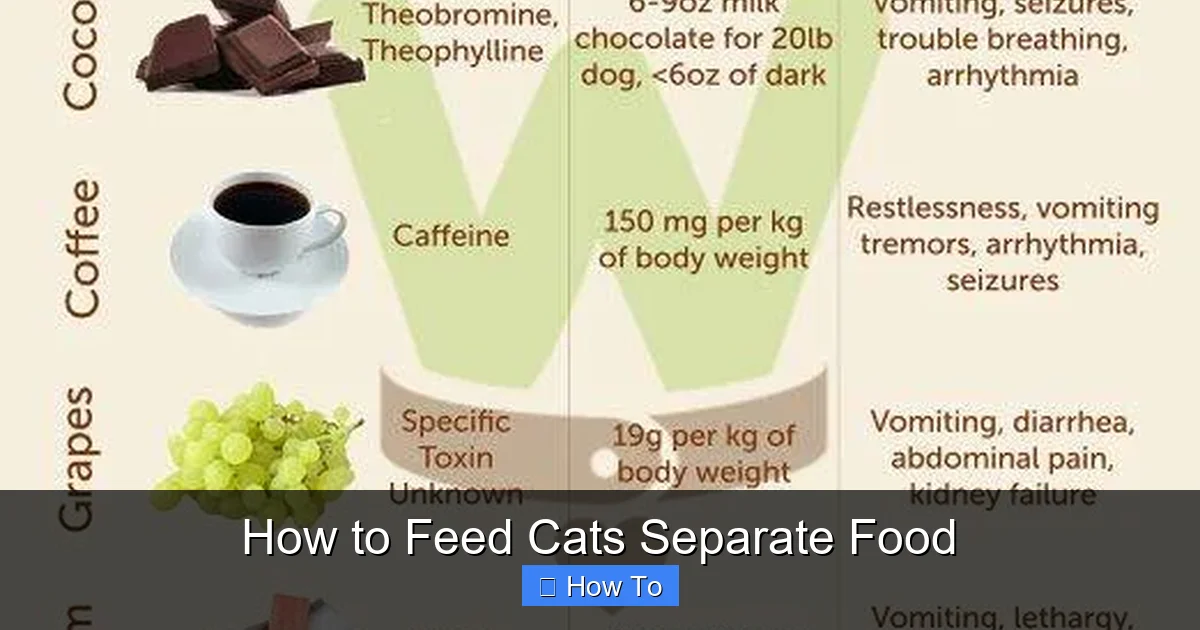
Visual guide about How to Feed Cats Separate Food
Image source: thecatcafe.sg
Before diving into the “how,” it’s important to understand the “why.” Feeding cats together might seem convenient, but it often leads to problems that affect their health and happiness.
Prevents Overeating and Obesity
Some cats are natural grazers, while others eat quickly and then beg for more. When food is freely available or shared, dominant cats may eat more than their share, leading to obesity. Meanwhile, shy or slower eaters might not get enough. Separate feeding ensures each cat eats the right amount for their size, age, and activity level.
Supports Individual Dietary Needs
Not all cats have the same nutritional requirements. One might need a prescription diet for kidney health, while another thrives on high-protein kibble. Mixing food bowls makes it impossible to control what each cat eats. By feeding separately, you can tailor meals to each cat’s specific needs—without cross-contamination.
Reduces Stress and Aggression
Cats are territorial by nature. Even in loving homes, competition over food can trigger anxiety, hissing, swatting, or full-blown fights. Separate feeding eliminates this trigger, creating a calmer environment for everyone. Less stress also supports better digestion and immune function.
Helps Monitor Health
When cats eat from the same bowl, it’s hard to tell who’s eating how much. Sudden changes in appetite can be early signs of illness. With separate feeding, you can track each cat’s intake and spot issues like loss of appetite, overeating, or food avoidance—key indicators of health problems.
Encourages Positive Mealtime Behavior
Cats thrive on routine and predictability. When meals are consistent and peaceful, they’re more likely to eat calmly and enjoy their food. Separate feeding builds trust and reduces mealtime anxiety, especially in rescue cats or those with past trauma.
Step 1: Assess Your Cats’ Needs and Personalities
Every cat is different. Before implementing any feeding strategy, take time to observe your cats and understand their unique traits.
Identify Dominant vs. Submissive Cats
Watch how your cats interact during meals. Does one push the other away? Does one eat first while the other waits? Dominant cats often control access to food, leaving submissive ones undernourished. Knowing who’s who helps you design a fair system.
Note Dietary Restrictions or Health Issues
Check with your vet if any of your cats have medical conditions like diabetes, urinary tract issues, or food allergies. These may require special diets that must be kept separate. Also, consider age—kittens, seniors, and pregnant cats have different nutritional needs.
Evaluate Feeding Preferences
Some cats prefer wet food, others dry. Some like to eat slowly, while others inhale their meals. Observe what each cat enjoys and how they behave around food. This helps you choose the right feeding method and schedule.
Consider Your Home Layout
Think about where you can safely place food bowls without interference. Are there quiet rooms, high perches, or enclosed spaces? Use your home’s layout to your advantage when planning separate feeding zones.
Step 2: Choose the Right Feeding Method
There’s no one-size-fits-all solution. The best method depends on your cats’ personalities, your home setup, and your lifestyle. Here are the most effective ways to feed cats separate food in 2026.
Method 1: Physical Separation with Baby Gates or Pet Doors
One of the simplest and most reliable methods is using physical barriers to keep cats apart during meals.
- Use baby gates: Install a baby gate in a doorway to create a feeding zone. Feed one cat on each side. Make sure the gate has a pet-safe design with narrow spacing to prevent smaller cats from slipping through.
- Install a cat door: If you have a room that only one cat can access (e.g., via a microchip-activated pet door), use it as a private dining area. This is ideal for cats with special diets.
- Create feeding stations: Set up two or more feeding stations in different rooms. Call each cat by name and guide them to their designated spot.
Tip: Practice this method during non-meal times first. Let your cats explore the gates and rooms so they associate them with safety, not punishment.
Method 2: Timed or Automated Feeders
Technology has made separate feeding easier than ever. Automated feeders are perfect for busy households or cats with strict schedules.
- Programmable feeders: Use feeders that dispense food at set times. Assign one feeder per cat and place them in separate locations. Some models even allow portion control and multiple meals per day.
- Microchip-activated feeders: These high-tech devices read your cat’s microchip or RFID collar and open only for them. Ideal for multi-cat homes where one cat needs a special diet. Popular brands in 2026 include SureFeed and PetSafe Smart Feed.
- Smart feeders with cameras: Some feeders come with built-in cameras and apps, so you can monitor your cats remotely. Great for peace of mind if you’re away during mealtime.
Tip: Introduce automated feeders gradually. Let your cats sniff and explore them before activating the timer. Reward them with treats when they approach the feeder calmly.
Method 3: Hand-Feeding or Supervised Meals
For cats with severe anxiety or aggression, supervised feeding may be the best option.
- Feed one cat at a time: Bring one cat to a quiet room, feed them, then bring in the next. This works well for shy cats or those recovering from illness.
- Use a carrier or crate: Place one cat in a secure carrier during the other’s meal. Make sure the carrier is comfortable and stress-free.
- Hand-feed treats: While not a full meal replacement, hand-feeding can build trust and reduce food-related tension.
Tip: Always end supervised sessions on a positive note. Give each cat a treat or affection after eating to reinforce calm behavior.
Method 4: Elevated or Hidden Feeding Stations
Some cats feel safer eating in elevated or secluded spots.
- Use cat trees or shelves: Place food bowls on high perches where only confident cats can reach. Shyer cats can eat at ground level in a quiet corner.
- Create hiding spots: Use cardboard boxes, tunnels, or covered beds as private dining areas. Line them with soft blankets for comfort.
- Feed in different rooms: If space allows, feed each cat in a separate room with the door closed. This eliminates visual contact and reduces stress.
Tip: Rotate feeding locations occasionally to prevent territorial behavior. Cats adapt well to change when introduced slowly.
Step 3: Establish a Consistent Feeding Routine
Cats are creatures of habit. A predictable routine reduces anxiety and makes separate feeding easier to manage.
Set Fixed Meal Times
Instead of free-feeding (leaving food out all day), switch to scheduled meals. Most cats do well with two meals per day—morning and evening. Stick to the same times every day, even on weekends.
Use a Feeding Schedule Chart
Create a simple chart to track who eats when and where. This helps you stay organized and ensures no cat is missed.
Prepare Meals in Advance
Pre-portion food the night before or use pre-filled feeders. This saves time and reduces stress during busy mornings.
Stay Calm and Consistent
Your energy affects your cats. Speak softly, move slowly, and avoid rushing during meals. Consistency builds trust.
Step 4: Train Your Cats to Accept Separate Feeding
Changing mealtime habits takes time. Use positive reinforcement to help your cats adapt.
Start with Short Separations
Begin by feeding cats in the same room but at opposite ends. Gradually increase the distance over several days.
Use Treats and Praise
Reward calm behavior with treats, pets, or verbal praise. Say their name and give a treat when they approach their feeding spot without stress.
Desensitize to New Tools
If using a new feeder or gate, let your cats explore it without food first. Place treats near it to create positive associations.
Be Patient
Some cats adapt quickly; others take weeks. Avoid forcing or scolding. Progress may be slow, but consistency pays off.
Step 5: Monitor and Adjust
Once your system is in place, keep an eye on how it’s working.
Track Food Intake
Weigh food before and after meals to ensure each cat is eating the right amount. Sudden changes could signal health issues.
Watch for Stress Signals
Signs of stress include hiding, excessive grooming, loss of appetite, or aggression. If you notice these, adjust your method.
Adjust Portions and Timing
As your cats age or their activity levels change, their nutritional needs may shift. Consult your vet for guidance.
Upgrade Tools as Needed
Technology evolves. In 2026, newer feeders offer better connectivity, portion control, and health tracking. Consider upgrading if your current system isn’t working.
Troubleshooting Common Problems
Even with the best plan, challenges can arise. Here’s how to handle them.
Problem: One Cat Refuses to Eat in Separation
Solution: This is common in shy or anxious cats. Try feeding them in a quiet, enclosed space. Use familiar bedding or a favorite toy to make them feel safe. Hand-feed the first few meals to build confidence.
Problem: Cats Still Try to Steal Food
Solution: Increase the distance between feeding zones. Use visual barriers like screens or furniture. Consider microchip feeders to block access.
Problem: Automated Feeder Malfunctions
Solution: Always have a backup plan—like manual feeding—during tech failures. Choose feeders with good reviews and warranties. Test them regularly.
Problem: One Cat Eats Too Fast
Solution: Use slow-feed bowls or puzzle feeders to extend mealtime. This also provides mental stimulation.
Problem: Cats Stress Each Other Out
Solution: Feed at slightly different times. For example, feed the anxious cat first, then the dominant one. This reduces direct competition.
Final Tips for Success in 2026
– Stay informed: New pet tech emerges every year. In 2026, AI-powered feeders can analyze eating patterns and alert you to changes.
– Involve the whole family: Make sure everyone follows the same routine. Consistency is key.
– Keep it positive: Mealtime should be a calm, enjoyable experience—not a battle.
– Revisit your plan: As your cats grow or your home changes, adjust your feeding strategy accordingly.
Conclusion
Feeding cats separate food isn’t just about avoiding fights—it’s about promoting health, reducing stress, and giving each cat the care they deserve. Whether you use baby gates, smart feeders, or supervised meals, the goal is the same: peaceful, personalized mealtimes.
By following this guide, you’ll create a system that works for your cats and your lifestyle. Remember, patience and consistency are your greatest tools. With time, your cats will adapt, and mealtime will become a peaceful, predictable part of your day.
So take a deep breath, gather your supplies, and start building a better feeding routine today. Your cats—and your sanity—will thank you.