
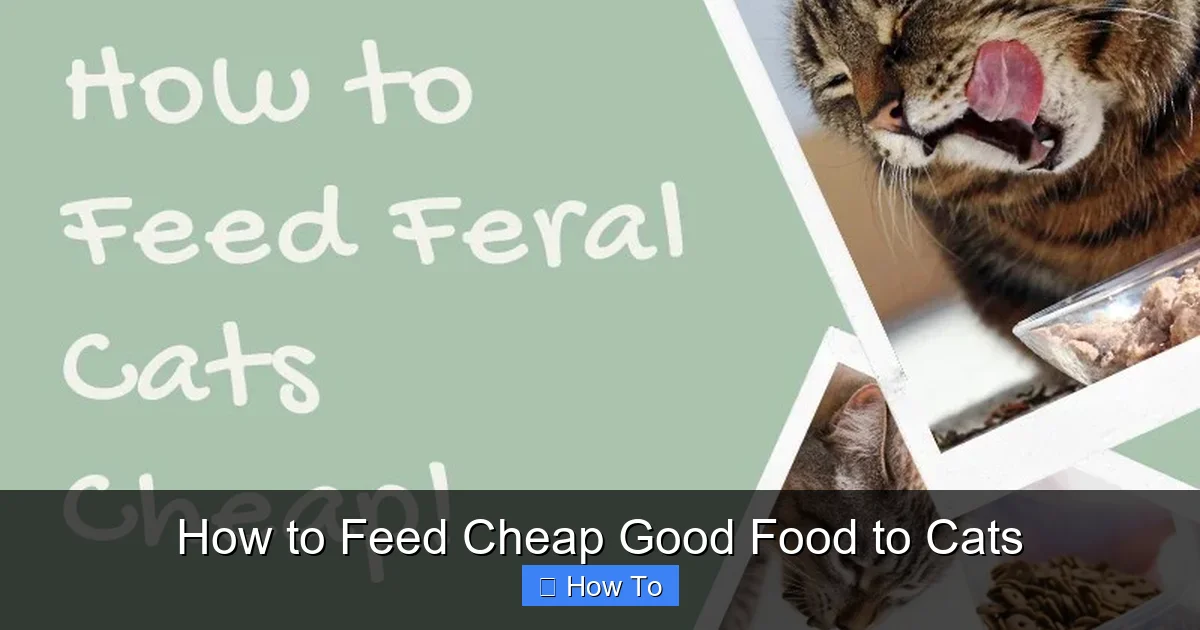
Feeding your cat healthy, affordable food is easier than you think. This guide shows you how to choose nutritious, low-cost options, read labels like a pro, and stretch your pet food budget in 2026—without compromising your cat’s health.
Key Takeaways
- Prioritize protein: Look for real meat as the first ingredient—chicken, turkey, or fish—to ensure your cat gets essential amino acids.
- Compare cost per ounce: Cheaper bags aren’t always better; calculate price per ounce to find true value.
- Buy in bulk wisely: Stock up during sales, but only if you can store food properly to avoid spoilage.
- Consider store brands: Many supermarket and warehouse brands meet AAFCO standards and cost 20–40% less than name brands.
- Supplement with homemade treats: Simple recipes like baked chicken bites add variety and save money.
- Use subscription services: Auto-shipping programs often include discounts and free delivery, reducing long-term costs.
- Consult your vet: Always check with a veterinarian before making major diet changes, especially for kittens or senior cats.
How to Feed Cheap Good Food to Cats in 2026
Caring for a cat doesn’t have to break the bank—especially when it comes to food. In 2026, pet owners are smarter, savvier, and more budget-conscious than ever. With rising costs of living, many people are looking for ways to feed their feline friends nutritious meals without overspending. The good news? It’s completely possible to feed cheap good food to cats while still meeting their dietary needs.
This guide will walk you through everything you need to know: from understanding what makes cat food “good,” to finding affordable options, reading labels, and even making simple homemade additions. Whether you’re a new cat parent or a seasoned owner looking to cut costs, these practical, vet-backed strategies will help you keep your cat healthy and happy—on a budget.
Why Quality Matters—Even on a Budget

Visual guide about How to Feed Cheap Good Food to Cats
Image source: pdsa.org.uk
Before we dive into cost-saving tips, let’s talk about why quality matters. Cats are obligate carnivores, which means they need a diet rich in animal-based protein to thrive. Unlike dogs, cats can’t synthesize certain nutrients—like taurine, arachidonic acid, and vitamin A—from plant sources. Without these, they can develop serious health issues, including heart disease, blindness, and immune problems.
So, while it’s tempting to grab the cheapest bag on the shelf, not all low-cost foods are created equal. The goal isn’t just to save money—it’s to feed cheap good food to cats. That means finding options that are both affordable and nutritionally complete.
In 2026, the pet food market has evolved. More brands are transparent about sourcing, and store-brand formulas have improved significantly. With a little know-how, you can find high-quality, budget-friendly food that meets AAFCO (Association of American Feed Control Officials) standards—the gold standard for pet nutrition.
Step 1: Understand What Makes Cat Food “Good”
Not all cat food is created equal. To feed cheap good food to cats, you first need to know what to look for on the label.
Check the Ingredient List
The first few ingredients matter most. Look for:
– Real meat (e.g., “chicken,” “turkey,” “salmon”) as the first ingredient
– Named meat meals (e.g., “chicken meal”) as secondary sources
– Limited fillers like corn, soy, or wheat
– No artificial colors, flavors, or preservatives (like BHA or BHT)
Avoid vague terms like “meat by-products” or “animal digest.” These can include low-quality parts and aren’t as digestible or nutritious.
Look for AAFCO Statements
Every reputable cat food should include an AAFCO nutritional adequacy statement. This tells you whether the food is complete and balanced for your cat’s life stage (kitten, adult, senior). For example:
> “Formulated to meet the nutritional levels established by the AAFCO Cat Food Nutrient Profiles for maintenance.”
This ensures the food provides all the essential nutrients your cat needs.
Protein and Fat Content
Adult cats need at least 26% protein and 9% fat in their diet. Kittens need even more—around 30% protein. Check the guaranteed analysis on the back of the bag. Higher protein from animal sources is ideal.
Step 2: Compare Prices Smartly
Just because a bag of cat food is cheap doesn’t mean it’s a good deal. To truly feed cheap good food to cats, you need to compare value—not just price.
Calculate Cost Per Ounce
Let’s say Brand A costs $12 for a 5-pound bag (80 ounces), and Brand B costs $18 for a 10-pound bag (160 ounces).
– Brand A: $12 ÷ 80 oz = $0.15 per ounce
– Brand B: $18 ÷ 160 oz = $0.11 per ounce
Even though Brand B costs more upfront, it’s actually cheaper per ounce. Over time, this adds up.
Watch for Sales and Coupons
In 2026, many pet stores and online retailers offer digital coupons, loyalty rewards, and seasonal sales. Sign up for email alerts from stores like Chewy, Petco, or your local supermarket. You can often stack coupons with sales for extra savings.
Use Price Comparison Tools
Apps like Flipp or Honey can help you compare prices across stores. Some even track pet food prices and alert you when your favorite brand goes on sale.
Step 3: Consider Store Brands and Private Labels
One of the easiest ways to feed cheap good food to cats is by choosing store brands. In recent years, supermarket and warehouse chains have significantly improved their private-label pet food lines.
Examples of Trusted Store Brands (2026)
– **Kirkland Signature (Costco):** Known for high protein and low cost. Their Nature’s Domain line uses real chicken and salmon.
– **Wellness CORE Grain-Free (available at Target and online):** While not the cheapest, frequent sales make it affordable.
– **Purina ONE (Walmart, grocery stores):** A budget-friendly option with real meat and added vitamins.
– **Iams ProActive Health (Amazon, supermarkets):** Often on sale and meets AAFCO standards.
These brands often cost 20–40% less than premium names like Royal Canin or Hill’s Science Diet, but still provide balanced nutrition.
Read Reviews and Check Recalls
Before switching, check recent reviews and recall history. Websites like the FDA’s pet food recall database or Consumer Affairs can help you avoid problematic brands.
Step 4: Buy in Bulk—But Do It Right
Buying in bulk can save money, but only if you store food properly.
Pros of Buying Bulk
– Lower cost per ounce
– Fewer shopping trips
– Less packaging waste
Cons and How to Avoid Them
– **Risk of spoilage:** Opened dry food should be used within 6 weeks. Store in an airtight container in a cool, dry place.
– **Pests:** Keep food off the floor and away from walls. Use sealed bins.
– **Overbuying:** Only buy what your cat can eat before the “best by” date.
Best Bulk Options
– 15–20 lb bags of dry food (ideal for single-cat households)
– Multi-packs of wet food (look for variety packs to prevent picky eating)
Step 5: Mix Wet and Dry Food
Combining wet and dry food is a smart way to balance nutrition and cost.
Benefits of Wet Food
– Higher moisture content (helps prevent urinary tract issues)
– More palatable for picky eaters
– Often higher in protein
Benefits of Dry Food
– More affordable per serving
– Convenient for free-feeding
– Helps reduce tartar buildup
Sample Feeding Plan (Budget-Friendly)
– Morning: 1/3 can wet food ($0.75)
– Evening: 1/4 cup dry food ($0.20)
– Daily cost: ~$0.95
Over a month, that’s about $28.50—much cheaper than feeding wet food exclusively.
Step 6: Make Simple Homemade Treats
You don’t need to cook full meals, but homemade treats can add variety and save money.
Easy Recipe: Baked Chicken Bites
- 1 boneless, skinless chicken breast
- 1 egg
- 1 tbsp olive oil (optional)
Instructions
1. Preheat oven to 350°F (175°C).
2. Blend chicken, egg, and oil in a food processor until smooth.
3. Roll into small balls and place on a baking sheet.
4. Bake for 15–20 minutes until firm.
5. Cool completely and store in the fridge for up to 5 days or freeze for longer.
These treats cost pennies per serving and are free of additives.
Other Ideas
– Dehydrated salmon strips (use a dehydrator or low oven)
– Tuna flakes (use sparingly—high in mercury)
– Catnip-infused oat bites (for playful cats)
Always introduce new foods slowly and in small amounts.
Step 7: Use Subscription and Auto-Ship Services
In 2026, auto-shipping is more popular than ever. Many online retailers offer discounts for recurring orders.
Benefits
– 5–15% off every order
– Free shipping on most plans
– Never run out of food
– Easy to pause or cancel
Top Services
– **Chewy Autoship:** Up to 10% off, free shipping over $49
– **Amazon Subscribe & Save:** Up to 15% off, easy management
– **Petco Repeat Delivery:** Rewards points and exclusive deals
Set reminders to review your order every few months. Adjust quantities if your cat’s appetite changes.
Step 8: Avoid Common Budget Traps
Even with the best intentions, it’s easy to make mistakes that cost more in the long run.
Trap 1: Buying “Grain-Free” Without Need
Grain-free doesn’t always mean better. Unless your cat has a diagnosed grain allergy, grains like rice or oats can be healthy, digestible fillers that lower cost.
Trap 2: Overfeeding
Obesity is a leading health issue in cats. Follow feeding guidelines on the package and adjust based on your cat’s weight and activity level. A lean cat is a healthy cat.
Trap 3: Ignoring Dental Health
Cheap food with high carbohydrates can contribute to dental disease. Consider dental treats or brushing your cat’s teeth to avoid costly vet bills later.
Trap 4: Switching Foods Too Often
Frequent changes can upset your cat’s stomach. If you find a good, affordable brand, stick with it. Gradual transitions (over 7–10 days) are best when switching.
Troubleshooting Common Issues
Even with the best plan, you might run into problems. Here’s how to handle them.
My Cat Won’t Eat the New Food
Cats are notoriously picky. Try:
– Mixing new food with old food gradually
– Warming wet food slightly (enhances smell)
– Offering small portions at a time
– Trying different textures (pate, shreds, gravy)
The Food Seems to Cause Digestive Issues
Diarrhea or vomiting could mean:
– The food is too rich
– Your cat has a sensitivity
– The transition was too fast
Switch back to the old food and reintroduce the new one more slowly. If problems persist, consult your vet.
I Can’t Afford Any Commercial Food
In extreme cases, talk to your vet or local animal shelter. Some offer low-cost food programs or vouchers. Never feed your cat a vegetarian or homemade diet without professional guidance—it can be dangerous.
Final Tips for 2026
The pet food landscape is always changing. In 2026, sustainability and transparency are key. Look for brands that use ethical sourcing, minimal packaging, and clear labeling.
Also, consider your cat’s individual needs. A senior cat may need joint support, while a kitten needs extra calories. Tailor your choices accordingly.
And remember: the cheapest food isn’t always the best—but the best food doesn’t have to be the most expensive. With smart shopping, label reading, and a little creativity, you can feed cheap good food to cats without compromise.
Conclusion
Feeding your cat nutritious, affordable food is not only possible—it’s practical. By focusing on protein-rich ingredients, comparing true costs, choosing reliable store brands, and using smart shopping strategies, you can keep your feline friend healthy and your wallet happy.
In 2026, pet owners have more tools than ever to make informed decisions. Whether you’re buying in bulk, mixing wet and dry, or making homemade treats, every small step adds up. Your cat deserves the best—and with this guide, you can give it to them without overspending.
Start today. Read a label. Compare a price. Try a new brand. Your cat will thank you with purrs, play, and years of good health.