
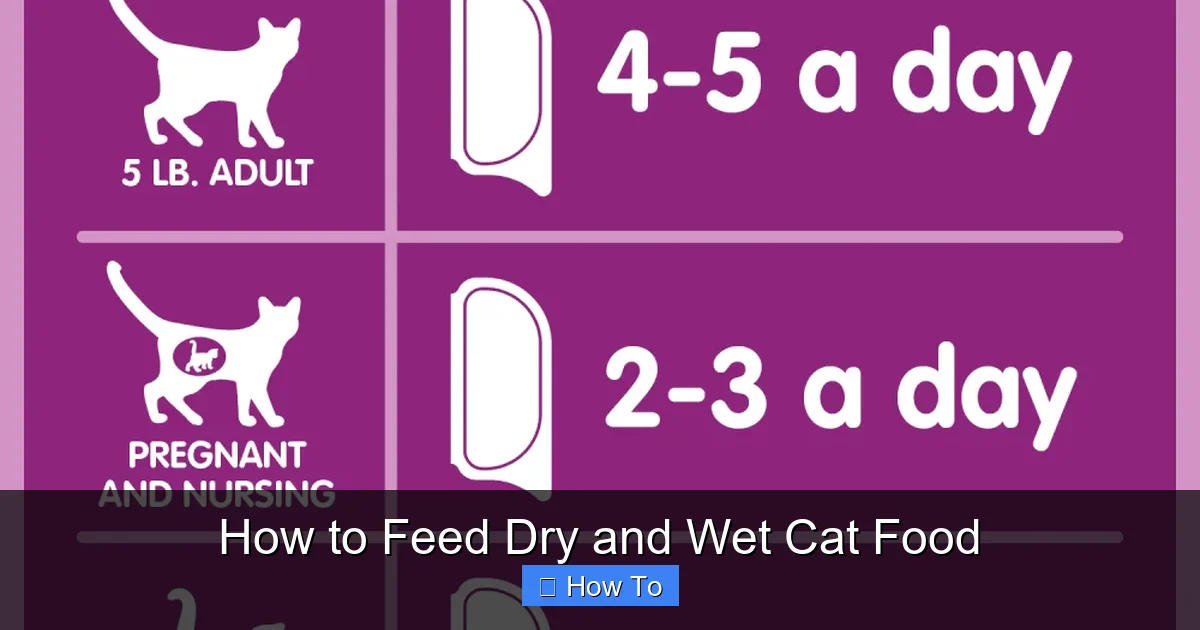
Discover the best practices for feeding your cat a balanced diet of dry and wet food. This guide covers portion control, feeding schedules, storage tips, and how to transition safely between food types for optimal feline health in 2026.
Key Takeaways
- Combine wet and dry food for balanced nutrition: Wet food supports hydration and urinary health, while dry food aids dental health and convenience.
- Follow portion guidelines based on weight and age: Overfeeding leads to obesity; underfeeding causes malnutrition—use vet-recommended amounts.
- Establish a consistent feeding schedule: Cats thrive on routine; feed at the same times daily to reduce anxiety and digestive issues.
- Store food properly to maintain freshness: Keep dry food sealed and cool; refrigerate opened wet food and use within 2–3 days.
- Transition gradually when switching foods: Mix old and new food over 7–10 days to prevent stomach upset.
- Monitor your cat’s weight and behavior: Adjust portions if your cat gains or loses weight unexpectedly.
- Consult your vet for personalized advice: Every cat is unique—get tailored recommendations based on health, breed, and lifestyle.
How to Feed Dry and Wet Cat Food: A Complete 2026 Guide
Welcome to your go-to guide for feeding your cat the right way in 2026! Whether you’re a new pet parent or a seasoned cat lover, knowing how to feed dry and wet cat food properly is essential for your feline’s long-term health and happiness. With so many options on the market and evolving veterinary science, it’s more important than ever to stay informed.
In this guide, you’ll learn how to create a balanced feeding routine that combines the benefits of both dry and wet food. We’ll walk you through portion sizes, feeding schedules, storage tips, and how to make smooth transitions between foods. By the end, you’ll feel confident in providing your cat with a nutritious, delicious, and safe diet that supports their energy, coat, digestion, and overall well-being.
Why Feed Both Dry and Wet Cat Food?
Many cat owners wonder: Should I feed dry food, wet food, or both? The answer in 2026 is clear—combining both types offers the best of both worlds. Each has unique benefits that complement the other, creating a more complete and satisfying diet.
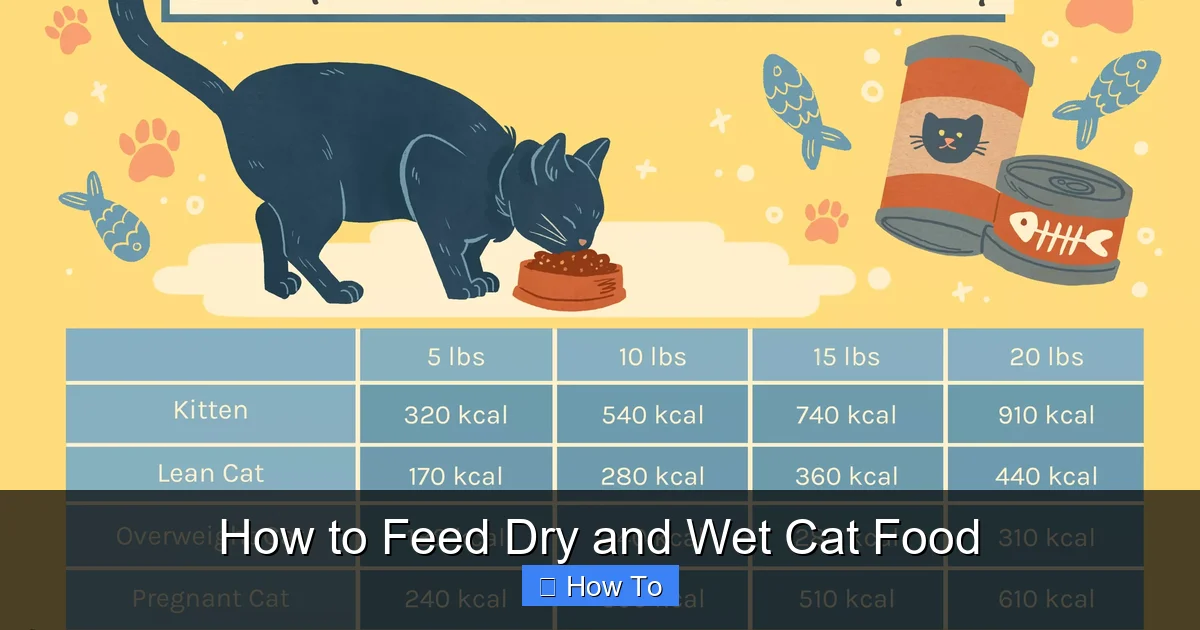
Visual guide about How to Feed Dry and Wet Cat Food
Image source: thesprucepets.com
Benefits of Wet Cat Food
Wet food, also known as canned or pouch food, is typically high in moisture—often 70–80%. This is crucial because cats naturally have a low thirst drive and often don’t drink enough water on their own. Wet food helps keep them hydrated, which supports kidney function and reduces the risk of urinary tract infections (UTIs) and bladder stones.
Additionally, wet food is usually higher in protein and lower in carbohydrates, which aligns more closely with a cat’s natural carnivorous diet. It’s also more palatable for picky eaters and can help with weight management due to its lower calorie density.
Benefits of Dry Cat Food
Dry kibble, on the other hand, is convenient, cost-effective, and has a long shelf life. It’s easy to measure and store, making it ideal for busy households. Some dry foods are formulated with dental benefits—the crunchy texture can help reduce plaque and tartar buildup, promoting healthier teeth and gums.
Dry food is also great for free-feeding (leaving food out all day), especially for cats who prefer to graze. However, this should be done carefully to avoid overeating and obesity.
The Perfect Balance
In 2026, veterinarians and pet nutritionists widely recommend a mixed feeding approach. For example, you might feed wet food in the morning and evening for hydration and protein, and leave a measured amount of dry food available during the day. This ensures your cat gets moisture, variety, and dental support—without sacrificing convenience.
Step-by-Step: How to Feed Dry and Wet Cat Food
Step 1: Determine Your Cat’s Daily Calorie Needs
Before you start feeding, it’s important to know how much your cat should eat each day. This depends on several factors, including age, weight, activity level, and health status.
On average, an adult indoor cat needs about 200–300 calories per day. A typical 10-pound cat might need around 250 calories. However, kittens, pregnant cats, and highly active cats may need more, while senior or less active cats may need fewer.
Check the nutrition label on your cat food packaging—it usually lists calories per cup (for dry food) or per can/pouch (for wet food). Use this to calculate how much to feed. For example, if a can of wet food has 100 calories and your cat needs 250 calories a day, you might feed one can of wet food (100 calories) and 1.5 cups of dry food (150 calories).
Pro Tip: Use a kitchen scale for accuracy. Measuring cups can vary, and weighing food ensures you’re not over- or under-feeding.
Step 2: Choose High-Quality Foods
Not all cat foods are created equal. In 2026, look for brands that meet AAFCO (Association of American Feed Control Officials) standards and list a named animal protein (like “chicken” or “salmon”) as the first ingredient.
Avoid foods with fillers like corn, soy, or by-products. Artificial colors, flavors, and preservatives (like BHA or BHT) should also be minimized. Instead, opt for natural preservatives like mixed tocopherols (vitamin E).
Consider your cat’s specific needs. For example, if your cat has kidney issues, a low-phosphorus wet food may be recommended. If they’re prone to hairballs, look for formulas with added fiber.
Step 3: Create a Feeding Schedule
Cats are creatures of habit. A consistent feeding schedule helps regulate their digestion, reduces anxiety, and prevents overeating.
Most experts recommend feeding adult cats 2–3 times per day. For example:
- Morning: Wet food
- Evening: Wet food
- Throughout the day: Measured amount of dry food (if free-feeding)
Kittens under 6 months may need 3–4 small meals a day, while senior cats might do well with smaller, more frequent meals if they have digestive sensitivities.
Example Routine for a 10-pound Adult Cat:
- 7:00 AM: 1/2 can wet food (50 calories)
- 12:00 PM: 1/4 cup dry food (75 calories)
- 6:00 PM: 1/2 can wet food (50 calories)
- 10:00 PM: 1/4 cup dry food (75 calories)
Total: 250 calories per day.
Note: If you’re not home during the day, consider using an automatic feeder for dry food. Some smart feeders even dispense wet food at set times using refrigerated compartments.
Step 4: Serve Food Properly
How you serve food matters just as much as what you serve.
Use clean bowls for both wet and dry food. Wash them daily with hot, soapy water to prevent bacteria buildup. Some cats are sensitive to plastic—switch to stainless steel or ceramic bowls if you notice chin acne or food aversion.
Serve wet food at room temperature. Cold food straight from the fridge can be less appealing and harder to digest. Let it sit for 10–15 minutes after opening.
For dry food, keep it in a cool, dry place. Avoid placing the bowl in direct sunlight or near heat sources, which can cause oils to spoil.
Tip: Some cats prefer shallow bowls or plates to avoid whisker fatigue—the discomfort caused by deep bowls touching their sensitive whiskers.
Step 5: Monitor and Adjust Portions
Even with the best plan, your cat’s needs may change. Weight gain, weight loss, lethargy, or changes in coat quality can signal that adjustments are needed.
Weigh your cat monthly using a pet scale or by weighing yourself and then weighing yourself holding your cat. A healthy weight gain or loss is about 1–2% of body weight per month.
If your cat is gaining weight, reduce portions slightly or switch to a lower-calorie formula. If they’re losing weight or seem hungry all the time, increase food or consult your vet—this could indicate an underlying health issue.
Example: If your 10-pound cat gains 1 pound in a month, reduce daily calories by 10–15%. If they lose 1 pound unexpectedly, increase food and schedule a vet visit.
How to Store Dry and Wet Cat Food
Proper storage keeps food fresh, safe, and tasty. Here’s how to do it right in 2026.
Storing Dry Cat Food
Once opened, dry food should be stored in an airtight container. The original bag can be folded and clipped, but transferring it to a sealed container prevents pests and keeps it crisp.
Keep the container in a cool, dry place—away from sunlight and humidity. Basements or pantries work well. Avoid garages, which can get too hot or cold.
Most dry food stays fresh for 6–8 weeks after opening. Check the “best by” date and rotate stock (use older bags first).
Pro Tip: Label containers with the opening date. This helps you track freshness and avoid feeding expired food.
Storing Wet Cat Food
Unopened cans or pouches can be stored at room temperature until the expiration date. Once opened, wet food must be refrigerated.
Transfer unused portions to a sealed container (not left in the can) and refrigerate immediately. Use within 2–3 days. Do not leave wet food out at room temperature for more than 2 hours—bacteria can grow quickly, especially in warm weather.
If your cat doesn’t finish their meal, cover the bowl with plastic wrap or a lid and refrigerate. Reheat slightly before serving again.
Note: Some cats refuse cold food. Let refrigerated wet food sit at room temperature for 10–15 minutes before serving.
How to Transition Between Foods
Switching your cat’s food—whether from dry to wet, brand to brand, or flavor to flavor—should be done gradually. Sudden changes can cause digestive upset, including vomiting, diarrhea, or refusal to eat.
Step-by-Step Transition Plan
Follow this 7–10 day plan to make the switch smooth:
- Days 1–2: 75% old food, 25% new food
- Days 3–4: 50% old food, 50% new food
- Days 5–6: 25% old food, 75% new food
- Day 7+: 100% new food
Mix the foods thoroughly. If your cat is resistant, try warming the wet food slightly or adding a small amount of tuna juice (in moderation) to entice them.
Important: If your cat shows signs of illness (vomiting, diarrhea, lethargy) during the transition, stop and consult your vet. They may recommend a slower transition or a different food.
Troubleshooting Common Feeding Issues
Even with the best intentions, feeding problems can arise. Here’s how to handle the most common ones in 2026.
My Cat Won’t Eat Wet Food
Some cats are used to dry food and resist wet food. Try these tips:
- Start with pâté-style wet food—it’s easier to mix with dry kibble.
- Gradually increase the wet food ratio over 2–3 weeks.
- Add warm water or low-sodium broth to make it more aromatic.
- Offer small amounts frequently—some cats prefer fresh food multiple times a day.
My Cat Overeats Dry Food
Free-feeding can lead to obesity. Solutions include:
- Switch to scheduled meals instead of leaving food out all day.
- Use a portion-controlled automatic feeder.
- Choose a high-protein, low-carb dry food to increase satiety.
- Engage your cat with puzzle feeders to slow eating and provide mental stimulation.
My Cat Has Digestive Issues
Vomiting, diarrhea, or constipation may indicate food intolerance or allergies. Try:
- Switching to a limited-ingredient diet (e.g., single protein source).
- Introducing probiotics designed for cats.
- Consulting your vet for allergy testing or prescription food.
My Cat Prefers One Food Over the Other
It’s normal for cats to have preferences. To encourage balance:
- Rotate flavors and textures to keep meals interesting.
- Use wet food as a topper on dry food.
- Offer wet food at mealtimes and dry food as snacks or overnight.
Special Considerations for 2026
Pet nutrition is evolving rapidly. In 2026, here are some trends and tips to keep in mind:
- Personalized nutrition: DNA-based diet plans are becoming more accessible. Some companies offer genetic testing to tailor food to your cat’s breed and metabolism.
- Sustainable packaging: Look for brands using recyclable or compostable pouches and cans.
- Functional ingredients: Foods with added omega-3s, glucosamine, or prebiotics are gaining popularity for joint, skin, and gut health.
- Smart feeders: Wi-Fi-enabled feeders let you monitor eating habits and adjust portions remotely via app.
When to Consult Your Veterinarian
While this guide covers general feeding practices, every cat is unique. Always consult your vet if:
- Your cat refuses to eat for more than 24 hours.
- You notice sudden weight loss or gain.
- There are changes in litter box habits (e.g., straining, blood in urine).
- Your cat shows signs of allergies (itching, ear infections, vomiting).
- You’re considering a raw or homemade diet (these require careful balancing).
Your vet can provide personalized recommendations based on your cat’s health, age, and lifestyle.
Conclusion
Feeding your cat a balanced mix of dry and wet food is one of the simplest and most effective ways to support their health in 2026. By understanding portion sizes, creating a consistent schedule, storing food properly, and making gradual transitions, you’ll set your feline friend up for a long, happy, and vibrant life.
Remember, there’s no one-size-fits-all approach. Pay attention to your cat’s behavior, weight, and preferences, and don’t hesitate to adjust as needed. With love, care, and the right nutrition, your cat will thrive for years to come.