

Feeding your cat both wet and dry food offers the best of both worlds—hydration from wet food and dental benefits from dry kibble. This guide walks you through a balanced, vet-approved feeding plan tailored for 2026, helping your feline thrive with optimal nutrition and happy mealtimes.
Key Takeaways
- Wet food boosts hydration: Cats naturally drink less water, so wet food helps prevent urinary and kidney issues by increasing fluid intake.
- Dry food supports dental health: Chewing kibble can reduce plaque buildup, though it shouldn’t replace regular vet cleanings.
- Combine both for balanced nutrition: A mix ensures your cat gets complete proteins, fats, and essential nutrients without over-relying on one type.
- Follow portion control: Overfeeding—especially with calorie-dense wet food—can lead to obesity. Use feeding guidelines and adjust based on your cat’s weight and activity.
- Establish a consistent schedule: Cats thrive on routine. Feed at the same times daily to reduce stress and improve digestion.
- Monitor your cat’s response: Watch for changes in weight, coat quality, energy, and litter box habits to fine-tune the diet.
- Store food properly: Keep dry food sealed and refrigerate opened wet food to maintain freshness and prevent spoilage.
How to Feed Your Cat Both Wet and Dry Food
Welcome, cat parent! If you’ve ever wondered whether it’s okay—or even beneficial—to feed your cat both wet and dry food, you’re in the right place. In 2026, veterinarians and pet nutritionists widely recommend a combination feeding approach for most healthy adult cats. Why? Because each type of food offers unique advantages that, when combined, support your cat’s overall health, hydration, and happiness.
In this comprehensive guide, you’ll learn exactly how to feed your cat both wet and dry food safely and effectively. We’ll cover the science behind why this combo works, how to create a balanced meal plan, practical feeding schedules, portion control tips, and how to troubleshoot common issues. Whether you’re a new cat owner or looking to optimize your current routine, this step-by-step guide will help you make informed decisions that keep your feline friend healthy and satisfied.
By the end, you’ll know how to blend wet and dry food like a pro—without confusion, waste, or mealtime stress. Let’s dive in!
Why Feed Wet and Dry Food Together?
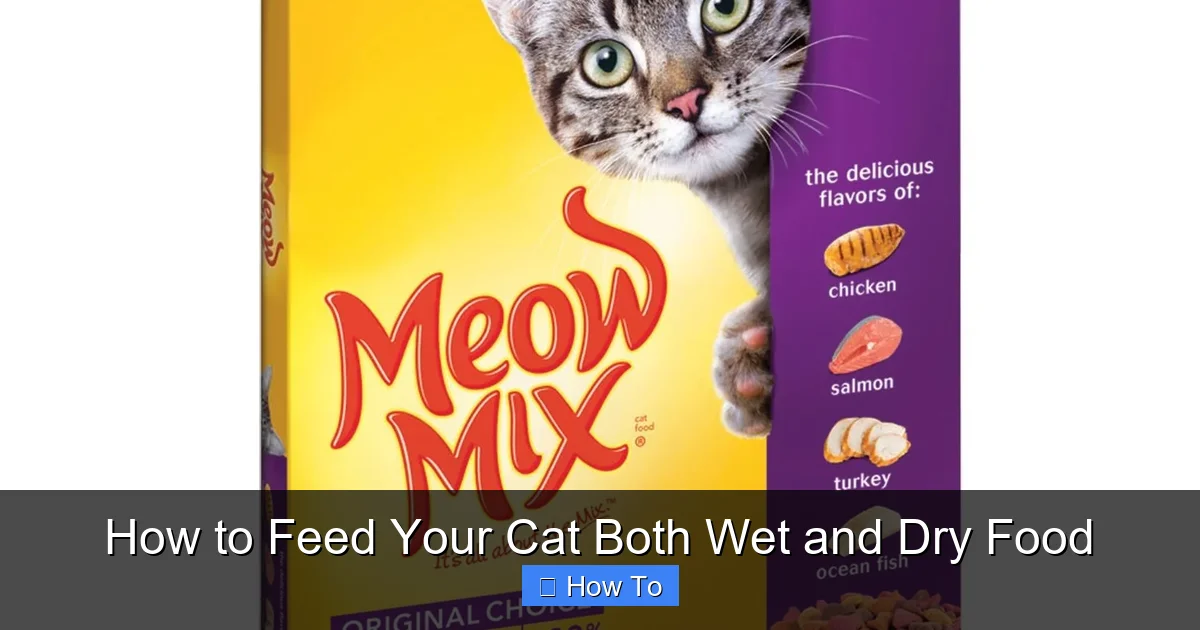
Visual guide about How to Feed Your Cat Both Wet and Dry Food
Image source: topvaluereviews.net
Before we get into the “how,” let’s talk about the “why.” Feeding your cat both wet and dry food isn’t just a trend—it’s a smart, science-backed strategy that supports your cat’s natural biology and long-term wellness.
Cats are obligate carnivores, meaning their bodies are designed to thrive on a diet rich in animal protein and moisture. In the wild, they’d get most of their water from prey, not from drinking. But domesticated cats often don’t drink enough water on their own, which can lead to dehydration, urinary tract issues, and kidney problems over time. Wet food helps solve this. It typically contains 70–80% water, making it an excellent way to boost your cat’s daily fluid intake.
On the other hand, dry food offers convenience and dental benefits. The crunchy texture of kibble can help scrape away plaque and tartar, promoting better oral health. It’s also easy to store, less messy, and can be left out for free-feeding (though we’ll discuss the pros and cons of that later).
When you combine both, you give your cat the best of both worlds: the hydration and palatability of wet food, plus the dental support and practicality of dry food. Plus, many cats enjoy variety—switching between textures and flavors keeps mealtime exciting and prevents picky eating.
In 2026, pet food formulations have advanced significantly. High-quality wet and dry foods now include added taurine, omega-3 fatty acids, probiotics, and antioxidants—nutrients essential for heart health, shiny coats, and strong immunity. By mixing both types, you ensure your cat gets a broader spectrum of these nutrients.
Step 1: Choose High-Quality Wet and Dry Foods
The foundation of any great feeding plan is high-quality food. Not all cat foods are created equal, so it’s important to read labels and choose products that meet your cat’s nutritional needs.
What to Look for in Wet Food
When selecting wet food, prioritize protein-rich, grain-free options with real meat as the first ingredient. Look for labels that say “complete and balanced” and meet AAFCO (Association of American Feed Control Officials) standards. Avoid foods with fillers like corn, soy, or artificial preservatives.
In 2026, many premium brands offer wet food with added benefits like:
– Hydration boosters: Electrolyte-enhanced formulas for senior or kidney-prone cats.
– Probiotics: To support gut health and digestion.
– Omega-3s: From fish oil for skin and coat health.
Popular wet food formats include pâté, shreds, and stews. Some cats prefer one texture over another, so you may need to experiment. For example, a senior cat with dental issues might prefer soft pâté, while a playful kitten might enjoy chunky shreds.
What to Look for in Dry Food
Dry food should also list a high-quality animal protein (like chicken, turkey, or fish) as the first ingredient. Look for brands that use natural preservatives (like mixed tocopherols) instead of BHA or BHT.
Modern dry kibble in 2026 often includes:
– Dental care technology: Shaped kibble designed to reduce plaque.
– Controlled calories: For weight management in less active cats.
– Added fiber: To support healthy digestion.
Avoid dry foods with excessive carbohydrates or by-products. While some grains (like rice or oats) can be included, they shouldn’t dominate the ingredient list.
Match Foods to Your Cat’s Life Stage
Kittens, adults, and senior cats have different nutritional needs. Always choose food labeled for your cat’s life stage:
– Kittens: Need higher calories, protein, and fat for growth.
– Adults: Require balanced nutrition for maintenance.
– Seniors: Benefit from lower phosphorus (for kidney health) and joint-supporting supplements like glucosamine.
If your cat has health conditions (like diabetes, kidney disease, or obesity), consult your vet before choosing a diet. They may recommend prescription or therapeutic foods.
Step 2: Determine the Right Ratio of Wet to Dry Food
Now that you’ve picked quality foods, it’s time to decide how much of each to feed. There’s no one-size-fits-all ratio, but a common and effective approach is the “70/30 rule”: 70% of daily calories from wet food and 30% from dry.
Why 70% Wet, 30% Dry?
This ratio ensures your cat gets plenty of moisture while still benefiting from dry food’s dental and practical advantages. It’s especially helpful for cats prone to urinary issues or those who don’t drink much water.
To calculate this:
1. Check the calorie content on both food packages (usually listed as kcal per can or cup).
2. Add up your cat’s total daily calorie needs (based on weight, age, and activity level).
3. Allocate 70% of those calories to wet food and 30% to dry.
For example, if your adult cat needs 250 calories per day:
– 175 calories from wet food (about 1–1.5 cans, depending on brand)
– 75 calories from dry food (about ¼ to ⅓ cup)
Adjust Based on Your Cat’s Needs
Not all cats will thrive on the same ratio. Here’s how to customize:
– Overweight cats: Increase wet food (lower in calories per volume) and reduce dry food to help with weight loss.
– Underweight cats: Add more calorie-dense dry food or high-fat wet food to help them gain.
– Indoor, less active cats: Lean toward more wet food to prevent obesity.
– Outdoor or very active cats: May need more dry food for sustained energy.
Always monitor your cat’s weight and body condition. A healthy cat should have a visible waist when viewed from above and you should be able to feel (but not see) their ribs.
Step 3: Create a Feeding Schedule
Cats are creatures of habit. A consistent feeding schedule helps regulate their digestion, reduces anxiety, and prevents overeating.
How Many Meals Per Day?
Most adult cats do well with 2–3 meals per day. Kittens may need 3–4 smaller meals. Here’s a sample schedule for a combo-fed adult cat:
– Morning (7:00 AM): ½ can wet food + ⅛ cup dry food
– Evening (6:00 PM): ½ can wet food + ⅛ cup dry food
– Optional overnight: Leave out a small portion of dry food (¼ cup) for grazing
This schedule provides structure while allowing some flexibility. The dry food left out should be measured and replaced daily to avoid spoilage.
Free-Feeding vs. Scheduled Meals
Free-feeding (leaving dry food out all day) is convenient but can lead to overeating, especially in lazy or indoor cats. Scheduled meals are generally better for portion control and bonding.
If you work long hours, consider an automatic feeder for dry food. In 2026, smart feeders with portion control, timers, and app monitoring are widely available and affordable.
Feeding Wet Food Safely
Wet food should not be left out for more than 1–2 hours at room temperature, especially in warm climates. Bacteria can grow quickly, leading to foodborne illness. After that, refrigerate leftovers (covered) for up to 3 days.
If your cat doesn’t finish a meal, save the rest for later—just warm it slightly (not hot) to enhance aroma and appeal.
Step 4: Portion Control and Monitoring
Even the best food can cause problems if overfed. Portion control is key to maintaining a healthy weight and preventing diet-related diseases.
Use a Measuring Cup
Never “eyeball” portions. Use a dedicated measuring cup for dry food and a kitchen scale for wet food if possible. This ensures accuracy and consistency.
Adjust Based on Activity and Age
A 10-pound indoor cat may need only 200 calories a day, while a 15-pound active cat might need 300+. Senior cats often need fewer calories due to slower metabolism.
If your cat is gaining weight, reduce portions by 10–15% and increase playtime. If losing weight too fast, add a little more food or switch to a higher-calorie formula.
Track Progress
Weigh your cat monthly using a pet scale or by weighing yourself holding them and subtracting your weight. Keep a simple log to spot trends.
Also, observe:
– Coat condition (shiny vs. dull)
– Energy levels (playful vs. lethargic)
– Litter box habits (urine volume, stool quality)
These are all indicators of how well the diet is working.
Step 5: Introduce the Combo Diet Gradually
If your cat is used to only wet or only dry food, don’t switch overnight. Sudden changes can cause digestive upset, including vomiting or diarrhea.
Transition Over 7–10 Days
Mix the new food with the old, gradually increasing the proportion:
– Days 1–2: 75% old food, 25% new combo
– Days 3–4: 50% old, 50% new
– Days 5–6: 25% old, 75% new
– Day 7+: 100% new combo diet
This slow transition helps your cat’s digestive system adapt.
Watch for Reactions
Some cats may be picky or sensitive. If your cat refuses to eat, try warming the wet food slightly or mixing in a little tuna juice (unsalted) to entice them. Never force-feed.
If diarrhea or vomiting persists beyond 24 hours, consult your vet.
Step 6: Store Food Properly
Proper storage keeps food fresh, safe, and tasty.
Dry Food Storage
Once opened, store dry food in an airtight container in a cool, dry place. Avoid the garage or near appliances that generate heat. Use within 6 weeks of opening to prevent rancidity.
In 2026, many brands offer resealable bags with oxygen absorbers to extend freshness.
Wet Food Storage
Unopened cans or pouches can be stored at room temperature. Once opened, transfer leftovers to a sealed container and refrigerate. Use within 3–5 days.
Never leave wet food out overnight—especially in summer. Bacteria multiply rapidly at room temperature.
Troubleshooting Common Issues
Even with the best plan, you might run into challenges. Here’s how to handle them.
My Cat Only Eats One Type
Some cats become fixated on wet or dry food. To encourage variety:
– Rotate flavors and brands (e.g., chicken pâté one day, salmon shreds the next).
– Mix a small amount of wet food into dry kibble as a topper.
– Offer dry food only at certain times (e.g., morning), and wet food in the evening.
Avoid giving in to picky behavior—consistency is key.
My Cat Is Gaining Weight
Obesity is a growing problem in cats. Solutions:
– Reduce portion sizes.
– Switch to a weight-management formula.
– Increase playtime with interactive toys (laser pointers, feather wands).
– Limit treats to no more than 10% of daily calories.
My Cat Isn’t Drinking Enough Water
Even with wet food, some cats don’t drink enough. Encourage hydration by:
– Placing multiple water bowls around the house.
– Using a cat water fountain (many cats prefer running water).
– Adding a splash of low-sodium chicken broth to water (check with your vet first).
Digestive Upset After Switching
If your cat has diarrhea or vomiting:
– Slow down the transition.
– Add a probiotic supplement (vet-approved).
– Temporarily switch to a bland diet (boiled chicken and rice) for 1–2 days, then resume the combo diet slowly.
Conclusion
Feeding your cat both wet and dry food is one of the best things you can do for their health in 2026. This balanced approach supports hydration, dental care, and overall nutrition—while keeping mealtime enjoyable and stress-free.
By choosing high-quality foods, following a smart ratio (like 70% wet, 30% dry), sticking to a consistent schedule, and monitoring your cat’s response, you’ll set them up for a long, healthy life. Remember, every cat is unique, so be patient and flexible as you fine-tune their diet.
With the tips in this guide, you’re well-equipped to become a confident, informed cat parent. Your feline friend will thank you with purrs, playfulness, and a shiny coat.
Now go enjoy that next mealtime together—your cat’s counting on you!