
Switching your cat to real food can boost energy, coat health, and digestion—when done right. This guide walks you through safe transitions, balanced nutrition, and vet-backed recipes tailored for 2026 standards.
Key Takeaways
- Real food improves feline health: Fresh, whole ingredients support better digestion, shinier coats, and stronger immunity compared to processed kibble.
- Balance is critical: Cats need specific nutrients like taurine, arachidonic acid, and vitamin A—missing these can cause serious health issues.
- Transition slowly: Gradually mix real food with current meals over 7–10 days to avoid digestive upset.
- Consult your vet first: Especially for kittens, seniors, or cats with medical conditions, professional guidance ensures safety.
- Use tested recipes: Stick to vet-approved or AAFCO-compliant recipes from trusted sources like the Feline Nutrition Foundation.
- Store safely: Proper freezing and thawing prevent bacterial growth—never leave raw food out for more than 2 hours.
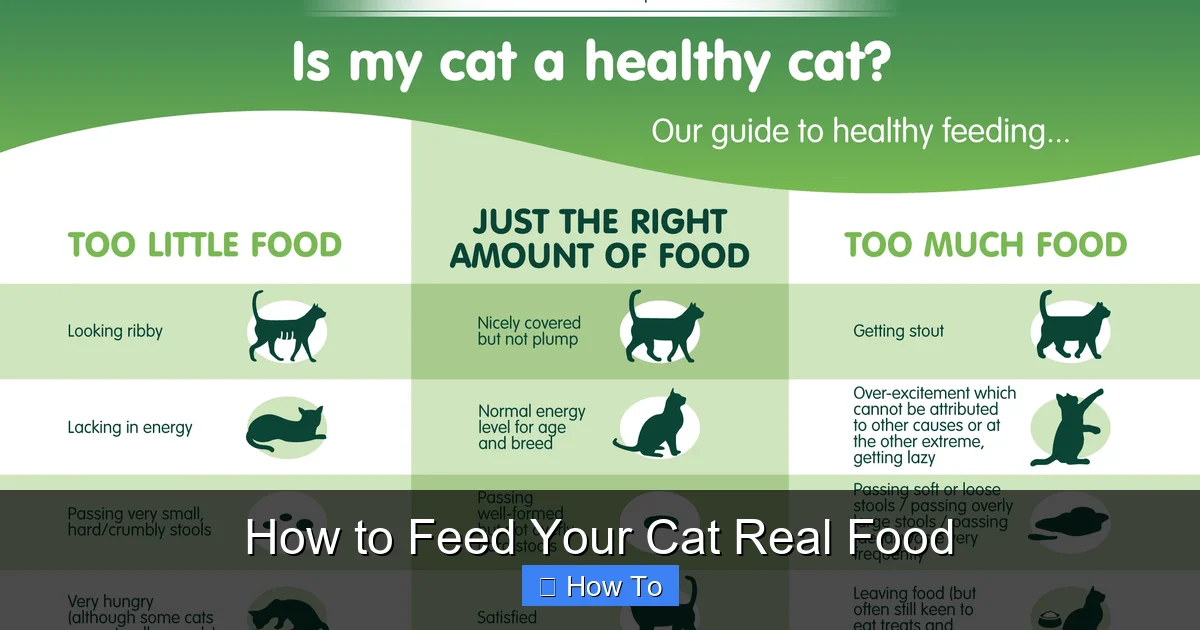
- Monitor and adjust: Watch your cat’s weight, energy, and litter habits to fine-tune portions and ingredients.
How to Feed Your Cat Real Food: A Complete 2026 Guide
If you’ve been scrolling through pet forums or chatting with fellow cat parents, you’ve probably heard the buzz: “Feed your cat real food.” It sounds simple—after all, cats are natural hunters, built to eat meat, not kibble. But in 2026, with rising concerns about processed pet food recalls, synthetic additives, and chronic feline diseases like diabetes and kidney issues, more pet owners are turning to fresh, whole-food diets.
But here’s the catch: feeding your cat real food isn’t as easy as tossing them a piece of chicken. Cats are obligate carnivores, which means their bodies require specific nutrients found only in animal tissue. Get it wrong, and you could do more harm than good.
This guide will walk you through everything you need to know to safely and effectively feed your cat real food in 2026. From understanding feline nutrition to choosing the right recipes, transitioning smoothly, and avoiding common pitfalls, we’ve got you covered. By the end, you’ll feel confident serving meals that support your cat’s long-term health—without the guesswork.
Why Real Food Matters for Cats in 2026
Visual guide about How to Feed Your Cat Real Food
Image source: petspremium.makaira.media
In recent years, the pet food industry has faced increased scrutiny. Recalls due to contamination, misleading labeling, and the use of low-quality fillers have left many owners questioning what’s really in their cat’s bowl. Meanwhile, veterinary research continues to highlight the benefits of fresh, species-appropriate diets.
Cats evolved eating raw prey—small birds, rodents, and insects—rich in moisture, protein, and essential fats. Commercial dry food, by contrast, is often high in carbohydrates, low in moisture, and preserved with chemicals. Over time, this mismatch can contribute to obesity, urinary tract issues, and dental problems.
Real food—properly balanced—offers:
– Higher bioavailable protein
– Natural hydration from meat
– Fewer inflammatory ingredients
– Better weight management
– Improved coat and skin health
In 2026, advancements in home-prepared pet nutrition mean safer recipes, better access to supplements, and more vet support than ever before. But success still depends on doing it right.
Understanding Feline Nutritional Needs
Before you start cooking, it’s essential to understand what your cat truly needs to thrive. Unlike dogs, cats can’t synthesize certain nutrients on their own. Missing even one key component can lead to serious health problems.
Protein: The Foundation of a Cat’s Diet
Cats require high levels of animal-based protein—about 50–60% of their diet should come from meat. Plant proteins don’t provide the full amino acid profile cats need.
Essential Amino Acids
– Taurine: Critical for heart health, vision, and reproduction. Deficiency can cause blindness and heart disease.
– Arginine: Helps remove ammonia from the body. Without it, cats can suffer toxicity within days.
– Methionine and Cysteine: Support skin, coat, and liver function.
Fats and Fatty Acids
Fats provide energy and help absorb fat-soluble vitamins. Cats need:
– Arachidonic acid: An omega-6 fatty acid found only in animal fats.
– Omega-3s (like EPA and DHA): Support brain, joint, and skin health.
Vitamins and Minerals
– Vitamin A: Must come from animal sources (retinol); cats can’t convert beta-carotene like humans.
– Vitamin D: Synthesized from animal fats; essential for calcium absorption.
– Calcium and phosphorus: Must be balanced (ideal ratio: 1:1 to 1.2:1) for bone health.
Water Intake
Cats have a low thirst drive. Wet food or fresh meat provides 70–80% of their hydration needs—far more than dry kibble.
Types of Real Food Diets for Cats
Not all real food diets are created equal. Here are the most common options in 2026:
1. Raw Food Diets (BARF or Prey Model)
These diets mimic what cats would eat in the wild. They include raw meat, bones, organs, and sometimes supplements.
– Pros: High moisture, natural enzymes, improved digestion.
– Cons: Risk of bacterial contamination (Salmonella, E. coli), choking on bones, nutrient imbalances if not formulated correctly.
2. Cooked Homemade Diets
Meat is gently cooked to reduce pathogens while preserving nutrients. Often includes added supplements.
– Pros: Safer than raw, easier to digest, customizable.
– Cons: Requires precise supplementation; cooking can destroy some nutrients like taurine if overdone.
3. Fresh Commercial Diets (Human-Grade)
Pre-packaged, refrigerated meals made with real ingredients. Brands like Nom Nom, The Farmer’s Dog (cat line), and Ollie offer vet-formulated options.
– Pros: Convenient, balanced, tested for safety.
– Cons: More expensive than homemade; limited availability in some areas.
4. Dehydrated or Freeze-Dried Raw
Raw food that’s been freeze-dried to preserve nutrients and shelf life. Rehydrated before serving.
– Pros: Long shelf life, safe handling, nutrient-rich.
– Cons: Costly; some cats prefer texture of fresh food.
How to Choose the Right Diet for Your Cat
Every cat is different. Age, weight, activity level, and health status all play a role.
Kittens
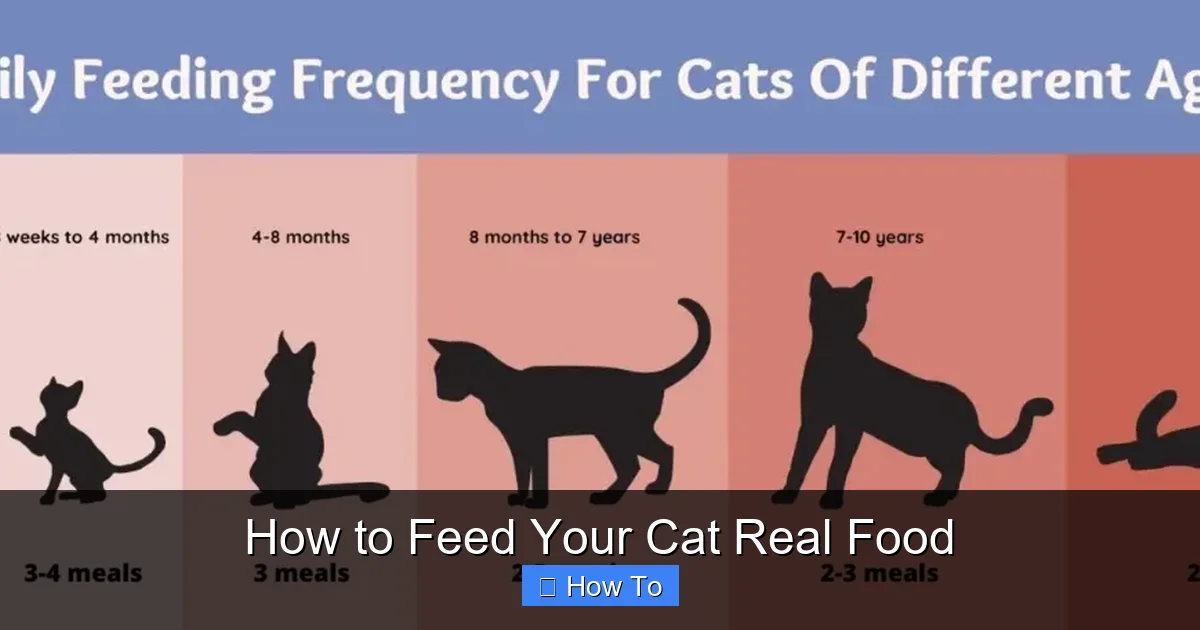
Need more calories, protein, and calcium for growth. Require frequent meals (3–4 per day). Only use recipes specifically designed for kittens.
Adult Cats
Thrive on balanced maintenance diets. Most do well with 2 meals per day.
Senior Cats
May need lower phosphorus (for kidney health), joint support (glucosamine), and easier-to-digest proteins.
Cats with Medical Conditions
Diabetes, kidney disease, or food allergies require specialized diets. Always work with your vet.
Indoor vs. Outdoor Cats
Indoor cats need fewer calories but more fiber and hydration. Outdoor cats may need extra calories and parasite prevention.
Step-by-Step: Transitioning Your Cat to Real Food
Switching too fast can cause vomiting, diarrhea, or refusal to eat. Follow this gradual plan:
Step 1: Consult Your Veterinarian
Before making any changes, talk to your vet—especially if your cat has health issues. Ask about bloodwork to check for deficiencies or organ concerns.
Step 2: Choose a Recipe
Start with a vet-approved recipe. The Feline Nutrition Foundation and BalanceIT offer free, balanced templates. Example:
Simple Cooked Chicken Recipe (for adult cats):
– 80% boneless chicken thigh (cooked, no seasoning)
– 10% chicken liver
– 5% chicken heart
– 5% pumpkin puree (for fiber)
– Supplements: taurine, fish oil, vitamin E, calcium carbonate
Step 3: Prepare a Small Batch
Cook the meat thoroughly (165°F internal temp). Chop into small, bite-sized pieces. Mix in supplements as directed.
Step 4: Mix with Current Food
Day 1–3: 25% real food + 75% current food
Day 4–6: 50% real food + 50% current food
Day 7–9: 75% real food + 25% current food
Day 10+: 100% real food
Step 5: Monitor Your Cat
Watch for:
– Appetite changes
– Vomiting or diarrhea
– Litter box habits
– Energy levels
If issues arise, slow the transition or consult your vet.
Preparing Safe and Balanced Meals at Home
Safety and balance are non-negotiable.
Use Fresh, High-Quality Ingredients
Choose human-grade meat from trusted sources. Avoid processed meats, seasonings, onions, garlic, and chocolate—all toxic to cats.
Supplement Correctly
Even the best recipes need supplements. Essential additions include:
– Taurine (500 mg per pound of food)
– Calcium (if not using bone)
– Omega-3 fatty acids (fish oil)
– Vitamin E (to prevent steatitis)
Use a supplement calculator like BalanceIT’s to ensure accuracy.
Cooking Tips
– Steam or bake meat—avoid frying.
– Don’t overcook; high heat destroys taurine.
– Grind bones if using raw (or use bone meal if cooking).
Portion Control
Most adult cats need 20–30 calories per pound of body weight daily. A 10-pound cat needs about 200–300 calories.
Example: 3 oz of cooked chicken thigh = ~150 calories.
Feed twice daily. Adjust based on weight changes.
Storing and Serving Real Food Safely
Improper storage can lead to spoilage or illness.
Refrigeration
Store prepared food in airtight containers. Use within 3–4 days.
Freezing
Freeze in portion-sized containers or silicone molds. Label with date and ingredients. Thaw in the fridge—never at room temperature.
Serving
– Serve at room temperature or slightly warmed (not hot).
– Use clean bowls washed daily.
– Discard uneaten food after 2 hours (1 hour in hot weather).
Troubleshooting Common Issues
My Cat Won’t Eat the New Food
Try:
– Warming it slightly to enhance smell
– Mixing with a small amount of tuna juice (use sparingly)
– Offering different textures (minced, ground, chunky)
– Patience—some cats take weeks to adjust
Digestive Upset (Vomiting, Diarrhea)
Likely due to rapid transition or imbalance. Slow the switch. Add probiotics (vet-approved). Check for food intolerances.
Weight Loss or Gain
Adjust portion sizes. Weigh your cat monthly. Consult your vet if changes are sudden or extreme.
Bacterial Concerns
Wash hands, utensils, and surfaces thoroughly. Use separate cutting boards for pet food. Freeze raw meat for 72 hours before use to reduce parasites.
When to Stick with Commercial Food
Real food isn’t for every cat or owner. Consider commercial options if:
– You travel frequently and can’t prepare meals
– Your cat has complex medical needs
– You lack time or resources for balanced prep
– Your vet advises against it
In these cases, choose high-quality wet food with real meat as the first ingredient, no fillers, and added taurine.
The Future of Feline Nutrition in 2026
The trend toward real food is growing. In 2026, we’re seeing:
– More vet nutritionists offering homemade diet consultations
– Apps that calculate balanced recipes
– Increased availability of fresh, subscription-based cat food
– Better education on feline dietary needs
As pet parents become more informed, the demand for transparency and quality will only rise.
Conclusion
Feeding your cat real food can be one of the most rewarding decisions you make for their health. With the right knowledge, preparation, and support, you can provide meals that are not only delicious but deeply nourishing.
Remember: balance, safety, and consistency are key. Start slow, listen to your cat, and work with your vet. Whether you choose raw, cooked, or fresh commercial food, the goal is the same—a happy, healthy cat who thrives on what nature intended.
Your cat deserves the best. And in 2026, that means real food—done right.