

Feeding your dog cat food occasionally is generally safe, but it’s not ideal for long-term nutrition. This guide explains when it’s okay, how to do it safely, and what to watch for—so you can make informed choices for your pup in 2026.
Key Takeaways
- Cat food is higher in protein and fat than dog food: It can cause digestive upset or weight gain in dogs if fed regularly.
- Occasional small amounts are usually fine: A few kibbles as a treat or during emergencies won’t harm most healthy dogs.
- Never replace dog food with cat food long-term: Dogs have different nutritional needs, and deficiencies can develop over time.
- Monitor your dog closely after feeding cat food: Watch for vomiting, diarrhea, lethargy, or changes in appetite.
- Choose high-quality cat food if necessary: Opt for brands with real meat as the first ingredient and no artificial additives.
- Consult your vet before making dietary changes: Especially if your dog has health conditions like pancreatitis or kidney disease.
- Use cat food as a temporary solution only: Always return to a balanced dog diet as soon as possible.
How to Feed Your Dog Cat Food: A Complete Guide for 2026
So your dog just snuck into the cat’s bowl and gobbled down some kibble—again. Or maybe you’re traveling and forgot your dog’s food, and the only option nearby is cat food. Whatever the reason, you’re not alone. Many pet owners in 2026 find themselves wondering: Is it safe to feed my dog cat food? The short answer? Yes—but only in small amounts and only occasionally.
This comprehensive guide will walk you through everything you need to know about feeding your dog cat food safely. You’ll learn why cat food isn’t designed for dogs, when it’s okay to use it, how to do it without causing harm, and what signs to watch for. By the end, you’ll feel confident making smart, informed decisions for your furry friend—even in a pinch.
Why Cat Food Isn’t Made for Dogs
Before we dive into the “how,” let’s talk about the “why.” Cat food and dog food may look similar, but they’re formulated for very different animals with unique nutritional needs.
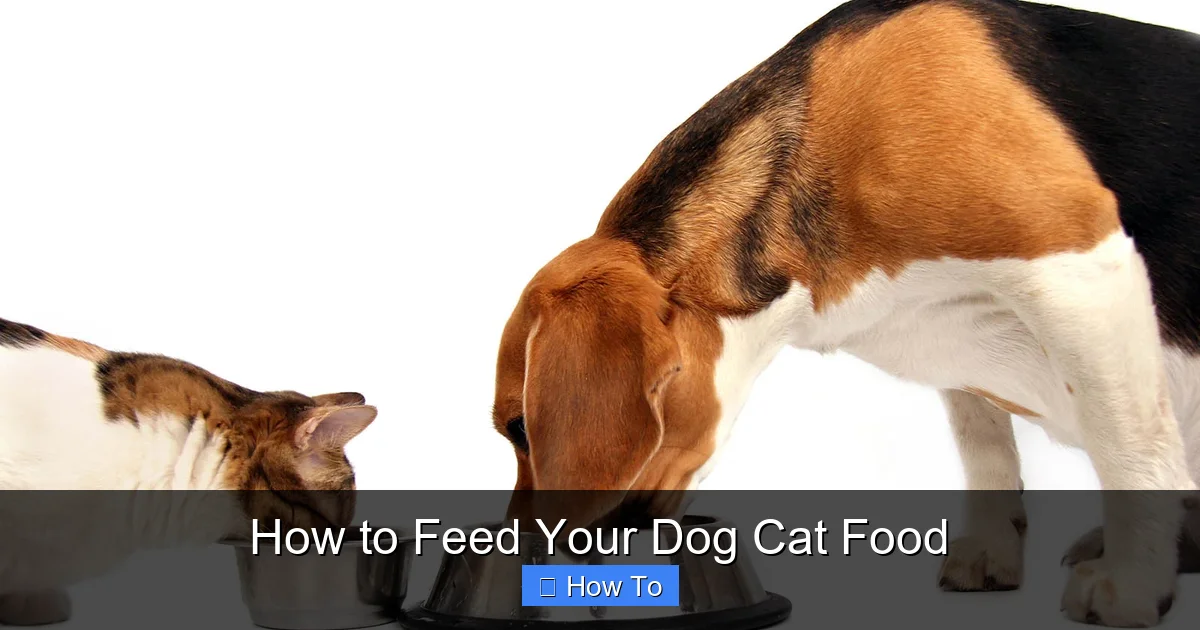
Visual guide about How to Feed Your Dog Cat Food
Image source: cdn.hswstatic.com
Higher Protein and Fat Content
Cats are obligate carnivores, meaning their bodies require a diet rich in animal-based protein and fat to thrive. Cat food typically contains 30–45% protein and 15–20% fat. Dogs, on the other hand, are omnivores and do well on a more balanced diet with around 18–25% protein and 5–15% fat, depending on age and activity level.
Feeding your dog cat food regularly can lead to excessive calorie intake, rapid weight gain, and even pancreatitis—a painful inflammation of the pancreas often triggered by high-fat meals.
Different Nutrient Profiles
Cat food includes nutrients that cats need but dogs don’t require in the same amounts. For example:
- Taurine: Essential for cats to prevent heart and vision problems. Dogs can synthesize taurine on their own, so extra amounts aren’t harmful—but they’re unnecessary.
- Vitamin A: Cats can’t convert beta-carotene into vitamin A like dogs can, so cat food is pre-formed with high levels. Too much vitamin A can be toxic to dogs over time.
- Arachidonic Acid: Cats need this fatty acid from animal sources, but dogs can make it from plant-based oils. Again, not harmful in small doses, but not ideal.
While these differences won’t cause immediate harm, they highlight why cat food shouldn’t become a staple in your dog’s diet.
Calorie Density
Cat food is more calorie-dense than dog food. A single cup of cat kibble can contain 400–500 calories, while dog food averages 300–400 calories per cup. For a small dog, eating a full bowl of cat food could mean consuming double their daily caloric needs in one sitting.
This is especially risky for toy breeds or dogs prone to obesity. Over time, consistent overfeeding can lead to joint stress, diabetes, and reduced lifespan.
When Is It Okay to Feed Your Dog Cat Food?
Now that you know the risks, let’s talk about when feeding cat food to your dog is actually acceptable—even helpful.
Emergency Situations
If you’re traveling, hosting a pet-sitter, or your dog’s food runs out unexpectedly, cat food can be a temporary fix. Think of it as a “bridge” until you can get back to your dog’s regular diet.
For example:
- Your dog’s food delivery is delayed by a storm.
- You’re at a friend’s house and forgot your dog’s food.
- Your dog refuses to eat their own food for a day (but is otherwise healthy).
In these cases, a small portion of cat food for one or two meals is unlikely to cause harm.
As an Occasional Treat
Some dogs love the taste of cat food—and that’s okay! You can use a few pieces as a high-value treat during training or as a special reward.
Just remember: treats should make up no more than 10% of your dog’s daily caloric intake. For a 30-pound dog, that’s about 30–40 calories. A teaspoon of dry cat food is usually enough.
To Encourage Eating in Picky Eaters
If your dog is recovering from illness or surgery and refusing food, a small amount of wet cat food might tempt them to eat. The strong smell and high fat content can be appealing when appetite is low.
However, always check with your vet first—especially if your dog has conditions like kidney disease or diabetes, where diet is critical.
How to Safely Feed Your Dog Cat Food
Ready to proceed? Follow these step-by-step instructions to minimize risks and keep your dog healthy.
Step 1: Choose the Right Type of Cat Food
Not all cat food is created equal. When selecting cat food for your dog, aim for high-quality options with:
- Real meat (chicken, turkey, beef) as the first ingredient
- No artificial colors, flavors, or preservatives
- Moderate fat content (under 20%)
- No added sugars or fillers like corn syrup
Avoid fish-based cat foods if possible—many contain high levels of mercury or additives that can upset your dog’s stomach. Chicken or turkey formulas are usually safer.
Step 2: Start with a Small Amount
Even if your dog seems fine after stealing a few bites, don’t assume they can handle a full meal. Begin with a tiny portion—about 1–2 tablespoons for small dogs, ¼ cup for larger breeds.
Mix it with their regular food if possible. This helps slow digestion and reduces the risk of gastrointestinal upset.
Step 3: Monitor Your Dog Closely
After feeding, watch for any signs of discomfort or illness. Common reactions include:
- Vomiting or regurgitation
- Diarrhea or loose stools
- Excessive gas or bloating
- Lethargy or lack of energy
- Increased thirst or urination
If any of these occur, stop feeding cat food immediately and contact your vet. Most mild cases resolve within 24 hours, but persistent symptoms need professional attention.
Step 4: Return to Dog Food as Soon as Possible
Cat food is not a long-term solution. Once your dog’s regular food is available, transition back gradually over 2–3 days to avoid digestive upset.
For example:
- Day 1: 75% dog food + 25% cat food
- Day 2: 50% dog food + 50% cat food
- Day 3: 25% dog food + 75% cat food
- Day 4: 100% dog food
This slow shift helps your dog’s gut adjust and reduces the chance of diarrhea or stomach pain.
Step 5: Keep Cat Food Out of Reach
Prevention is better than cure. Store cat food in sealed containers or high cabinets where your dog can’t access it. If you have both cats and dogs, feed them in separate rooms to avoid accidental snacking.
Consider using pet gates or timed feeders to manage mealtimes. In multi-pet households, this simple step can prevent a lot of stress—and vet bills.
Practical Tips for Pet Owners in 2026
As we move through 2026, pet nutrition is evolving. Here are some modern tips to keep your dog safe and healthy:
Use Smart Feeders
Many pet owners now use AI-powered feeders that dispense food at set times and track consumption. Some models even recognize individual pets via microchips or collars, ensuring your dog only eats their own food.
Brands like PetSafe, SureFeed, and Wopet offer options that sync with smartphone apps, so you can monitor meals remotely—even when you’re away.
Try Dog-Safe Alternatives
If you’re looking for high-protein treats or meal toppers, consider dog-specific options like:
- Freeze-dried raw dog food
- Dehydrated meat treats
- Bone broth for dogs
- High-protein dog kibble (look for “performance” or “active” formulas)
These provide the richness dogs crave—without the risks of cat food.
Talk to Your Vet About Custom Diets
In 2026, personalized pet nutrition is on the rise. Many vets now offer DNA testing or metabolic panels to determine your dog’s ideal diet based on breed, age, and health status.
If your dog has special needs—like food allergies or weight management issues—your vet can recommend a tailored plan that keeps them thriving.
Troubleshooting Common Issues
Even with the best intentions, things can go wrong. Here’s how to handle common problems.
My Dog Ate a Whole Bowl of Cat Food—What Now?
Stay calm. Most dogs will be fine after a single large meal, especially if they’re healthy and active. Offer plenty of fresh water and monitor for vomiting or diarrhea.
If your dog shows signs of distress—like abdominal pain, drooling, or restlessness—call your vet immediately. In rare cases, overeating high-fat food can trigger pancreatitis, which requires urgent care.
My Dog Keeps Stealing Cat Food
This is a behavioral issue, not just a dietary one. Try these solutions:
- Feed cats in a room your dog can’t enter (use a baby gate or closed door).
- Use elevated cat feeders or wall-mounted bowls.
- Train your dog with the “leave it” command.
- Provide mentally stimulating toys to distract your dog during mealtimes.
Consistency is key. With patience and training, most dogs learn to respect boundaries.
My Dog Has Diarrhea After Eating Cat Food
This is usually due to the high fat content. Stop feeding cat food and offer a bland diet for 24–48 hours:
- Boiled chicken (no skin or bones)
- Plain white rice
- Plain pumpkin (not pie filling)
Gradually reintroduce regular dog food once stools firm up. If diarrhea lasts more than two days or includes blood, see your vet.
When to Call the Vet
While occasional cat food consumption is rarely serious, certain situations require professional help. Contact your vet if your dog:
- Vomits more than once or has persistent diarrhea
- Shows signs of abdominal pain (whining, pacing, reluctance to lie down)
- Becomes lethargic or unresponsive
- Has a history of pancreatitis, kidney disease, or diabetes
- Consumed a large amount of cat food (more than their normal meal size)
Early intervention can prevent complications and ensure your dog recovers quickly.
Conclusion
Feeding your dog cat food isn’t ideal—but it’s not the end of the world, either. In 2026, with smarter pet products and better nutritional awareness, pet owners have more tools than ever to keep their dogs safe and healthy.
Remember: cat food should only be used as a temporary solution or occasional treat. Always prioritize your dog’s specific dietary needs, monitor their reaction, and return to a balanced dog diet as soon as possible. When in doubt, consult your veterinarian. Your dog’s long-term health depends on the choices you make today.
By following this guide, you’re not just reacting to accidents—you’re becoming a more informed, proactive pet parent. And that’s something every dog deserves.