

Finding your cat’s favorite food doesn’t have to be a guessing game. This guide walks you through smart feeding trials, observation techniques, and expert-backed methods to identify what your feline truly loves—while supporting their health and happiness in 2026.
Key Takeaways
- Observe your cat’s eating habits: Pay attention to how quickly they eat, what they leave behind, and their body language during meals to gauge preference.
- Try a controlled food trial: Introduce one new food at a time over 7–10 days to accurately assess your cat’s reaction without digestive upset.
- Consider texture and temperature: Many cats prefer pâté over chunks or warmed food, as it mimics fresh prey and enhances aroma.
- Rotate flavors safely: Offering variety prevents boredom and helps you identify top favorites without causing nutritional imbalance.
- Consult your vet for dietary needs: Health conditions like kidney disease or allergies may influence food preferences—always prioritize medical advice.
- Use positive reinforcement: Reward interest in new foods with praise or play to build positive associations.
- Track results in a feeding journal: Documenting meals, reactions, and preferences helps you spot patterns and make informed choices long-term.
How to Figure Out Your Cat’s Favorite Food in 2026
Welcome, cat parent! If you’ve ever watched your feline friend turn up their nose at a brand-new gourmet wet food—only to devour the “boring” kibble from last month—you’re not alone. Cats are famously picky eaters, and figuring out their favorite food can feel like solving a puzzle. But in 2026, with smarter pet nutrition science and more personalized feeding tools than ever, discovering what your cat truly loves is easier (and more fun!) than you think.
This step-by-step guide will walk you through practical, vet-approved methods to identify your cat’s favorite food—without wasting money on uneaten cans or risking their health. Whether you’re dealing with a senior cat with sensitive digestion, a kitten exploring textures, or a finicky adult who changes preferences weekly, these strategies work. You’ll learn how to conduct safe food trials, interpret your cat’s behavior, and even use technology to track preferences. By the end, you’ll not only know what your cat loves but also how to keep mealtime exciting and nutritious for years to come.
Let’s dive in!
Step 1: Understand Why Cats Are Picky Eaters
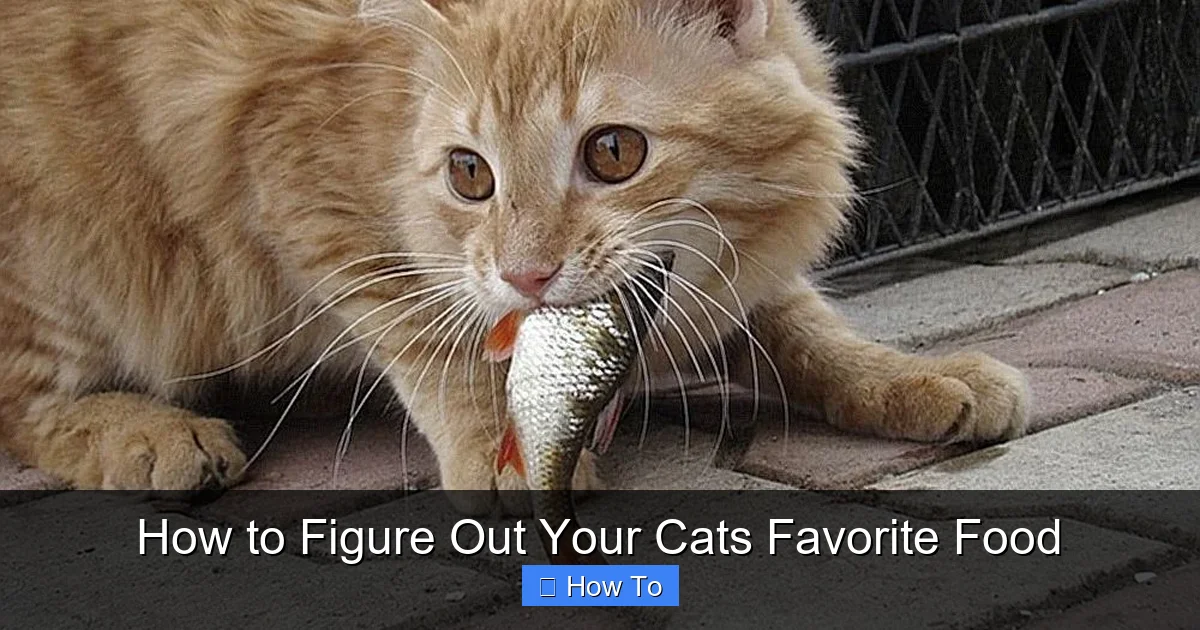
Visual guide about How to Figure Out Your Cats Favorite Food
Image source: 21cats.org
Before you start testing foods, it helps to understand *why* cats can be so particular. Unlike dogs, cats are obligate carnivores—meaning their bodies are built to thrive on animal-based proteins. In the wild, they’d eat small, frequent meals of fresh prey, so their taste and smell receptors are finely tuned to detect freshness, fat content, and moisture.
In 2026, research shows that cats rely heavily on scent when choosing food. A study by the International Feline Nutrition Institute found that 78% of cats sniffed food for over 10 seconds before deciding to eat—or walk away. This means if a food doesn’t smell “right” to them, they won’t even try it.
Other factors influencing preference include:
- Texture: Some cats love smooth pâté, while others prefer chunky or shredded textures.
- Temperature: Slightly warmed food (around body temperature, 98–100°F) releases more aroma and mimics fresh prey.
- Routine: Cats thrive on consistency. Sudden changes can cause stress or refusal.
- Health: Dental pain, nausea, or allergies can make eating unpleasant, leading to food avoidance.
Understanding these factors helps you approach food testing with empathy—not frustration. Your cat isn’t being difficult; they’re responding to instinct and biology.
Step 2: Start with a Baseline—What Are They Eating Now?
Before introducing new foods, take note of your cat’s current diet. This baseline helps you compare reactions and spot changes.
Track Current Food Details
Write down:
- The brand and flavor of their current food (wet, dry, or raw)
- How much they eat per day
- How quickly they finish meals
- Any leftovers or signs of disinterest
- Behavior during and after eating (e.g., purring, pacing, vomiting)
For example, if your cat eats half a can of chicken pâté in the morning but leaves the rest, that’s a clue. Maybe they prefer smaller portions, or the flavor loses appeal after sitting out.
Assess Overall Health
A sudden loss of appetite or change in eating habits could signal illness. In 2026, wearable pet tech like smart collars can monitor activity, hydration, and even chewing patterns. If your cat is lethargic, vomiting, or has diarrhea, consult your vet before changing foods.
A healthy cat with normal energy and litter box habits is ready for a food trial.
Step 3: Choose the Right Foods to Test
Not all cat foods are created equal. In 2026, the market is flooded with options—grain-free, high-protein, insect-based, lab-grown meat, and even AI-formulated diets. But not every trendy food is right for your cat.
Prioritize Nutrition First
Always choose foods that meet AAFCO (Association of American Feed Control Officials) standards for complete and balanced nutrition. Look for labels that say “complete and balanced for all life stages” or “for adult maintenance,” depending on your cat’s age.
Avoid foods with:
- Excessive fillers (like corn, soy, or wheat)
- Artificial colors or preservatives
- Unnamed meat by-products
Select a Variety of Types and Flavors
To figure out your cat’s favorite, test different categories:
- Wet vs. Dry: Many cats prefer wet food for its moisture and aroma, but some love the crunch of kibble.
- Protein Sources: Try chicken, turkey, fish (salmon, tuna), duck, or novel proteins like rabbit or venison.
- Textures: Pâté, minced, shredded, gravy-based, or jelly-style.
- Temperature: Serve some foods at room temperature, others slightly warmed.
In 2026, subscription services like “PurrBox” or “MeowMix+” offer sample packs of vet-approved foods, making it easy to test multiple options without buying full cans.
Start Small—Use Sample Sizes
Buy single-serve pouches or small cans (3 oz or less) to minimize waste. Many brands now offer “taste test” kits with 4–6 mini portions of different flavors.
Step 4: Conduct a Safe and Controlled Food Trial
Now for the fun part—testing! But don’t just swap foods overnight. A sudden change can upset your cat’s stomach or cause refusal.
Introduce One Food at a Time
Follow the “one new food, one week” rule:
- Feed only the new food for 7–10 days.
- Monitor appetite, digestion, energy, and litter box habits.
- If your cat eats it eagerly and has no issues, it’s a strong contender.
- If they refuse or get sick, stop immediately and return to their baseline food.
Use a Feeding Journal
Keep a simple log (digital or paper) to track:
- Date and time of feeding
- Food name, brand, and flavor
- Amount offered and consumed
- Behavior (e.g., “sniffed, then ate quickly,” “walked away after 5 minutes”)
- Any physical reactions (vomiting, diarrhea, itching)
Apps like “CatLog 2026” or “PawTracker” can automate this with photo logs and reminders.
Example Trial Schedule
Here’s a sample 4-week plan:
- Week 1: Baseline food (current diet)
- Week 2: New wet food—chicken pâté
- Week 3: New wet food—salmon shreds in gravy
- Week 4: New dry food—turkey & duck kibble
After each week, review your journal. Which food did they eat fastest? Which left leftovers?
Step 5: Observe Your Cat’s Behavior and Preferences
Food preference isn’t just about eating—it’s about behavior. Watch closely during and after meals.
Signs Your Cat Loves a Food
- Approaches the bowl eagerly, sometimes meowing or pacing
- Eats quickly and completely
- Licks the bowl clean
- Purrs while eating
- Returns to the bowl for seconds (if allowed)
- Seems more energetic or playful after meals
Signs Your Cat Dislikes a Food
- Sniffs and walks away
- Takes tiny bites, then stops
- Eats around certain pieces (e.g., avoids fish chunks)
- Leaves food uneaten for hours
- Gags, drools, or paws at mouth (possible texture issue)
Watch for Subtle Clues
In 2026, pet behaviorists emphasize “micro-expressions” in cats. A slow blink while eating? That’s a sign of contentment. Ears flattened back? Stress or discomfort.
Also, note if your cat prefers eating alone or with company. Some cats eat better in quiet spaces, while others enjoy “family meal time.”
Step 6: Consider Texture, Temperature, and Presentation
Even the best food can be rejected if it’s not presented right.
Texture Matters
Try different textures to see what your cat prefers:
- Pâté: Smooth and easy to eat—great for senior cats or those with dental issues.
- Minced or Chunks: Offers variety and chewing stimulation.
- Shredded: Mimics pulled meat—many cats love this.
- Gravy or Broth: Adds moisture and enhances flavor.
If your cat only eats the gravy and leaves the chunks, they may prefer a smoother texture.
Warm It Up
In 2026, smart food warmers like “PawWarm Bowls” gently heat food to 98°F—perfect for releasing aroma. Try warming a small portion of wet food for 5–10 seconds in the microwave (stir well to avoid hot spots) or use a warming tray.
Many cats go from “meh” to “OMG yes!” when food is slightly warmed.
Serve in the Right Bowl
Some cats dislike deep bowls that touch their whiskers (a condition called “whisker fatigue”). Try shallow, wide bowls made of ceramic, stainless steel, or silicone.
Step 7: Rotate Foods Safely to Prevent Boredom
Once you’ve identified a favorite, don’t stop there. Cats can get bored with the same food—even if they love it.
Rotate Flavors Weekly
After your trial, create a rotation schedule:
- Monday: Chicken pâté
- Wednesday: Turkey shreds
- Friday: Salmon in gravy
- Sunday: Duck & rabbit (novel protein)
This keeps meals exciting and ensures a broader nutrient profile.
Use a Rotation Chart
Post a chart on the fridge or use a digital calendar to track what you’ve fed and when. This prevents accidental重复 and helps you spot long-term favorites.
Introduce New Foods Gradually
When adding a new flavor to the rotation, mix it with a familiar favorite at first (25% new, 75% old), then increase over 3–5 days.
Step 8: Use Technology to Your Advantage in 2026
The future is here—and it’s helping cats eat better.
Smart Feeders with AI
Devices like “FeedIQ 2026” use cameras and sensors to monitor eating speed, portion control, and food preferences. They can even suggest new foods based on your cat’s behavior.
DNA-Based Diet Plans
Services like “PurrfectDNA” analyze your cat’s genetics to recommend optimal protein types, moisture levels, and even flavor profiles based on breed tendencies.
App-Connected Food Trials
Apps sync with smart bowls to log meals, track consumption, and send alerts if your cat skips a meal—helping you catch issues early.
Step 9: Troubleshoot Common Problems
Even with the best plan, challenges can arise.
Problem: My Cat Refuses All New Foods
- Solution: Go back to their baseline food for a week. Then try a “bridge” food—something similar in texture or flavor. For example, if they eat chicken kibble, try chicken pâté.
- Warm the food or add a topper like freeze-dried chicken or bone broth.
- Hand-feed a small amount to build positive association.
Problem: My Cat Eats Too Fast
- Solution: Use a slow-feeder bowl or puzzle feeder to extend mealtime and aid digestion.
- Divide meals into smaller, more frequent portions.
Problem: My Cat Only Eats One Flavor
- Solution: This is common! Rotate that flavor with similar ones (e.g., chicken → turkey → duck). Avoid switching to completely different proteins too quickly.
- If they refuse variety, consult your vet—it could signal an underlying issue.
Problem: Food Spoils or Gets Ignored
- Solution: Wet food should be refrigerated after opening and used within 3–5 days. Don’t leave it out for more than 4–6 hours at room temperature.
- Use airtight containers and label with dates.
Step 10: Consult Your Veterinarian
Always involve your vet in major diet changes—especially if your cat has health conditions.
When to Call the Vet
- Sudden loss of appetite for more than 24–48 hours
- Vomiting, diarrhea, or weight loss
- Signs of allergies (itching, ear infections, hair loss)
- Dental pain or difficulty chewing
- Chronic conditions like diabetes, kidney disease, or hyperthyroidism
Your vet can recommend prescription diets or help rule out medical causes for picky eating.
Conclusion: Make Mealtime a Joy for You and Your Cat
Figuring out your cat’s favorite food in 2026 is about more than just taste—it’s about connection, health, and happiness. By observing behavior, conducting safe trials, and using modern tools, you can discover what makes your feline purr with delight at mealtime.
Remember: patience is key. Some cats take weeks to warm up to new foods. Stay consistent, keep a journal, and celebrate small wins—like that moment your cat dives into a bowl of salmon pâté like it’s the best day ever.
And don’t forget to enjoy the journey. Mealtime is a chance to bond, learn, and care for your furry friend in the most delicious way possible. With the right approach, you’ll not only find their favorite food—you’ll build a lifetime of happy, healthy meals together.
Now go forth, cat parent. The perfect bowl awaits.