

Understanding how to find carbs in cat food is essential for your cat’s health. This guide walks you through reading labels, calculating carbs, and choosing low-carb options. Make smarter feeding choices with confidence.
Key Takeaways
- Read ingredient lists carefully: Ingredients are listed by weight, so grains and fillers near the top mean higher carbs.
- Check guaranteed analysis: Use protein, fat, and moisture to estimate carbohydrate content indirectly.
- Calculate carbs using the formula: Subtract protein, fat, moisture, and ash from 100% to find approximate carbs.
- Look for low-carb brands: Choose foods with meat as the first ingredient and minimal plant-based fillers.
- Avoid misleading marketing: Terms like “grain-free” don’t always mean low-carb—check the full label.
- Consult your vet: Especially if your cat has diabetes or weight issues, professional advice is key.
- Use online tools and apps: Many 2026 pet nutrition apps now scan barcodes and estimate carb content instantly.
How to Find Carbs in Cat Food: A Complete Guide for 2026
As a cat parent in 2026, you’re likely more informed than ever about your feline friend’s nutrition. But even with all the advances in pet food transparency, one question keeps coming up: How do I find carbs in cat food? It’s not always obvious. Unlike human food labels, cat food packaging doesn’t always list carbohydrate content directly. Yet, understanding carb levels is crucial—especially since cats are obligate carnivores and thrive on high-protein, low-carb diets.
This guide will walk you through every step of finding carbs in cat food, from reading labels like a pro to using modern tools and apps. Whether you’re feeding dry kibble, wet food, or raw meals, you’ll learn how to make informed choices that support your cat’s health, energy, and longevity. By the end, you’ll know exactly what to look for—and what to avoid.
Why Carbs Matter for Cats
Before diving into the “how,” let’s talk about the “why.” Cats evolved as hunters, eating prey rich in protein and fat, with almost no carbohydrates. Their bodies aren’t designed to process large amounts of carbs efficiently. In fact, excessive carbohydrates can lead to weight gain, diabetes, urinary issues, and digestive problems.
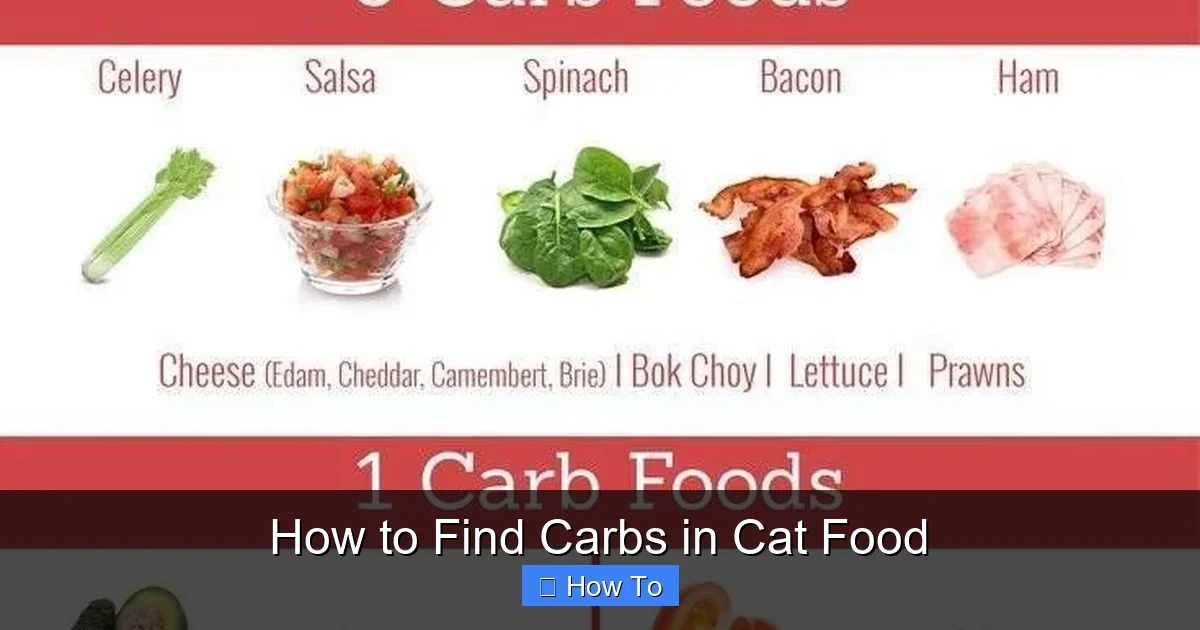
Visual guide about How to Find Carbs in Cat Food
Image source: i.pinimg.com
In 2026, veterinary research continues to confirm that low-carb diets improve outcomes for diabetic cats and help maintain healthy weight in indoor pets. While some carbs aren’t harmful—especially from digestible sources like pumpkin or sweet potato—most commercial cat foods contain far more than necessary.
So, knowing how to find carbs in cat food isn’t just a nice-to-have skill—it’s a vital part of responsible pet ownership. Let’s get started.
Step 1: Read the Ingredient List
The ingredient list is your first clue. Ingredients are listed in descending order by weight, so what appears first makes up the largest portion of the food. For low-carb cat food, you want animal-based proteins at the top—not grains, starches, or fillers.
Look for High-Quality Protein Sources
Start by scanning the first three ingredients. Ideal options include:
- Chicken
- Turkey
- Beef
- Lamb
- Fish (like salmon or tuna)
- Eggs
These should be whole meats or named meat meals (e.g., “chicken meal”), not vague terms like “meat by-products” or “animal digest.”
Avoid Common Carbohydrate Fillers
Watch out for these high-carb ingredients, especially if they appear in the first five:
- Corn (including corn gluten meal, corn flour)
- Wheat (wheat gluten, wheat flour)
- Soy (soybean meal, soy protein)
- Rice (white rice, brown rice, rice flour)
- Potatoes (white potatoes, potato starch)
- Peas and lentils
- Tapioca
- Barley or oats
Even “grain-free” foods can be high in carbs if they use potatoes, peas, or tapioca as thickeners or binders. Don’t be fooled by marketing—read the fine print.
Understand Meat Meals vs. Whole Meats
Meat meals (like “chicken meal”) are concentrated protein sources and are generally fine—sometimes even preferred—because they’re lower in moisture than fresh meat. However, avoid vague terms like “poultry meal” or “meat meal,” which can include less desirable parts.
Tip: In 2026, many premium brands now use “human-grade” or “whole prey” labeling, which often correlates with lower carb content. Look for certifications like AAFCO (Association of American Feed Control Officials) compliance, but remember—it only ensures minimum nutrition, not optimal carb levels.
Step 2: Analyze the Guaranteed Analysis
The guaranteed analysis is a table on the back or side of the packaging that lists minimum protein and fat, maximum moisture and fiber. While it doesn’t show carbs directly, you can use it to estimate carbohydrate content.
Find the Key Numbers
Look for these four values:
- Crude Protein (min): Usually 30–45% for dry food, 8–12% for wet food
- Crude Fat (min): Typically 10–20% for dry, 5–10% for wet
- Crude Fiber (max): Generally under 5%
- Moisture (max): Around 10% for dry food, 75–85% for wet food
Note: These are “as-fed” values, meaning they include moisture. To compare foods accurately, you’ll need to convert them to “dry matter basis” (more on that later).
Estimate Ash Content
Ash isn’t listed on most labels, but it represents the mineral content left after burning the food. It typically ranges from 5% to 8%. For estimation, use 7% as a average unless the brand specifies otherwise.
Step 3: Calculate Carbohydrate Content
Now for the math—don’t worry, it’s simple. Since cat food is made up of protein, fat, moisture, fiber, ash, and carbohydrates, you can estimate carbs by subtracting everything else from 100%.
The Carb Calculation Formula
Use this equation:
Carbohydrates (%) = 100% – (% Protein + % Fat + % Moisture + % Ash + % Fiber)
Let’s walk through an example using a dry cat food label:
- Crude Protein: 34%
- Crude Fat: 14%
- Moisture: 10%
- Crude Fiber: 3%
- Ash: 7% (estimated)
Calculation: 100 – (34 + 14 + 10 + 7 + 3) = 100 – 68 = 32% carbohydrates
That’s high for a cat! Ideally, dry food should be under 10–15% carbs, and wet food under 5–10%.
Adjust for Dry Matter Basis
Because wet food has high moisture, comparing “as-fed” values is misleading. To compare fairly, convert all values to dry matter basis (DMB).
Formula: DMB % = (As-Fed % ÷ (100 – % Moisture)) × 100
Example: A wet food with 10% protein and 78% moisture:
DMB Protein = (10 ÷ (100 – 78)) × 100 = (10 ÷ 22) × 100 ≈ 45.5%
Now use the DMB values in the carb formula. This gives a more accurate picture across food types.
Step 4: Use Technology and Apps (2026 Edition)
In 2026, technology makes finding carbs easier than ever. Several apps and online tools now scan barcodes or let you input ingredients to estimate carb content.
Top Apps for Cat Food Analysis
- PetNutriScan: Scans UPC codes and pulls data from a database of over 10,000 cat foods. Shows carb %, protein quality, and even flags common allergens.
- FelineFuel Finder: Uses AI to analyze ingredient lists and predict carb load. Also suggests low-carb alternatives.
- VetDiet Helper: Created by veterinary nutritionists, this app includes vet-approved recipes and carb calculators for homemade diets.
Many of these apps sync with smart feeders or health trackers, so you can monitor your cat’s intake over time.
Online Databases and Forums
Websites like TheCatInfo.com and PetFoodTalk.org maintain updated databases of cat food nutrition. You can search by brand, filter by carb content, and read user reviews. In 2026, some sites even use blockchain to verify label accuracy—no more guessing.
Step 5: Choose the Right Food Type
Not all cat foods are created equal when it comes to carbs. Here’s how different types stack up.
Wet Food (Canned or Pouches)
Generally the best choice for low-carb diets. Most wet foods have:
- High moisture (70–85%)
- High protein (8–12% as-fed, 35–50% DMB)
- Low carbs (usually under 10% DMB)
Look for pâtés with meat as the first ingredient and no gravy or jelly filled with starches.
Dry Food (Kibble)
Harder to make low-carb because kibble requires starches to hold its shape. Most dry foods contain 30–50% carbs. However, some premium brands now use extrusion techniques that reduce starch needs.
If you must feed dry food, choose high-protein, low-carb options like:
- Orijen Cat & Kitten
- Acana Regionals
- Ziwi Peak Air-Dried
- Stella & Chewy’s Freeze-Dried
Even better: mix wet and dry food to balance convenience and nutrition.
Raw and Homemade Diets
Raw diets (commercial or homemade) can be very low in carbs—often under 5%. But they require careful planning to ensure balanced nutrition. In 2026, many pet owners use digital meal planners that calculate vitamins, minerals, and carbs automatically.
Always consult a vet or veterinary nutritionist before switching to raw or homemade food.
Step 6: Avoid Marketing Traps
Pet food marketing is full of buzzwords that sound healthy but don’t guarantee low carbs.
“Grain-Free” Doesn’t Mean Low-Carb
Grain-free foods often replace grains with potatoes, peas, or tapioca—still high in carbs. Always check the ingredient list.
“Natural” or “Holistic”
These terms aren’t regulated. A food can be “natural” and still loaded with corn or rice.
“High Protein”
While good, this doesn’t mean low-carb. Some high-protein foods still use fillers to bulk up the recipe.
“Veterinarian Recommended”
Many vets receive incentives from pet food companies. Don’t rely solely on this claim—do your own research.
Troubleshooting Common Issues
My Cat Won’t Eat Low-Carb Food
Transition slowly over 7–10 days. Mix increasing amounts of new food with the old. Add warm water or bone broth to enhance flavor. Some cats prefer pâté over chunks.
The Label Doesn’t List Ash
Use 7% as a standard estimate. If the brand provides ash content online or via customer service, use that for better accuracy.
I Can’t Find Carb Info Anywhere
Contact the manufacturer. In 2026, most reputable brands provide full nutritional profiles upon request—some even via QR codes on packaging.
My Cat Has Diabetes
Low-carb diets are often part of diabetes management. Work closely with your vet to monitor blood glucose and adjust food accordingly. Wet, high-protein foods are usually preferred.
Final Tips for 2026 Cat Parents
- Rotate proteins: This reduces allergy risk and keeps your cat interested.
- Store food properly: Keep dry food in airtight containers; refrigerate opened wet food.
- Monitor weight and energy: A healthy cat should have a visible waist and bright eyes.
- Stay updated: Pet nutrition science evolves. Follow trusted sources like the American College of Veterinary Nutrition.
Conclusion
Finding carbs in cat food doesn’t have to be confusing. By reading ingredient lists, using the guaranteed analysis, applying simple math, and leveraging 2026 technology, you can make smarter choices for your cat’s diet. Remember, cats thrive on meat, not grains. The fewer carbs, the better—especially for indoor, senior, or diabetic cats.
Start today: grab your cat’s current food, flip it over, and run the numbers. You might be surprised. And if you’re ever in doubt, consult your vet. With the right knowledge and tools, you’re giving your feline friend the best chance at a long, healthy, and happy life.