

Finding the right over the counter dog food for urinary health can make a big difference in your dog’s comfort and long-term wellness. These specially formulated diets help prevent urinary crystals, support bladder function, and reduce the risk of infections—without needing a prescription.
Key Takeaways
- Urinary health dog food helps prevent crystals and stones: These diets are designed to maintain proper urine pH and reduce mineral buildup in the bladder.
- Over the counter options are accessible and effective: You don’t always need a vet prescription—many high-quality urinary support foods are available at pet stores and online.
- Look for controlled mineral levels: Low magnesium, phosphorus, and calcium help minimize the formation of struvite and calcium oxalate stones.
- Increased moisture content is key: Wet or canned formulas promote hydration, which dilutes urine and flushes out irritants.
- High-quality protein sources support overall health: Lean proteins like chicken, turkey, or fish provide nutrition without overloading the kidneys.
- Always consult your vet before switching diets: Even OTC foods should be introduced carefully, especially if your dog has a history of urinary issues.
- Consistency and monitoring matter: Feed the recommended amount and watch for changes in drinking, urination, or behavior.
📑 Table of Contents
- Why Urinary Health Matters for Dogs
- How Over the Counter Dog Food Supports Urinary Health
- Top Ingredients to Look For
- Best Over the Counter Dog Food Brands for Urinary Health
- Wet vs. Dry: Which Is Better for Urinary Health?
- Tips for Transitioning to Urinary Health Food
- When to See a Veterinarian
- Final Thoughts: Making the Right Choice for Your Dog
Why Urinary Health Matters for Dogs
Urinary tract problems are more common in dogs than many pet owners realize. From bladder infections to painful urinary crystals and stones, these issues can seriously affect your dog’s quality of life. Symptoms like frequent urination, straining to go, blood in the urine, or accidents in the house are red flags that shouldn’t be ignored. While some dogs are genetically predisposed to urinary issues—especially smaller breeds like Shih Tzus, Miniature Schnauzers, and Dachshunds—diet plays a huge role in prevention and management.
The good news? You don’t always need a prescription to support your dog’s urinary health. Many over the counter dog food options are specifically formulated to promote a healthy urinary tract. These diets work by balancing urine pH, reducing mineral concentrations, and encouraging hydration—all of which help prevent the formation of crystals and stones. Whether your dog has had a urinary issue in the past or you’re being proactive, choosing the right food can be a game-changer.
How Over the Counter Dog Food Supports Urinary Health
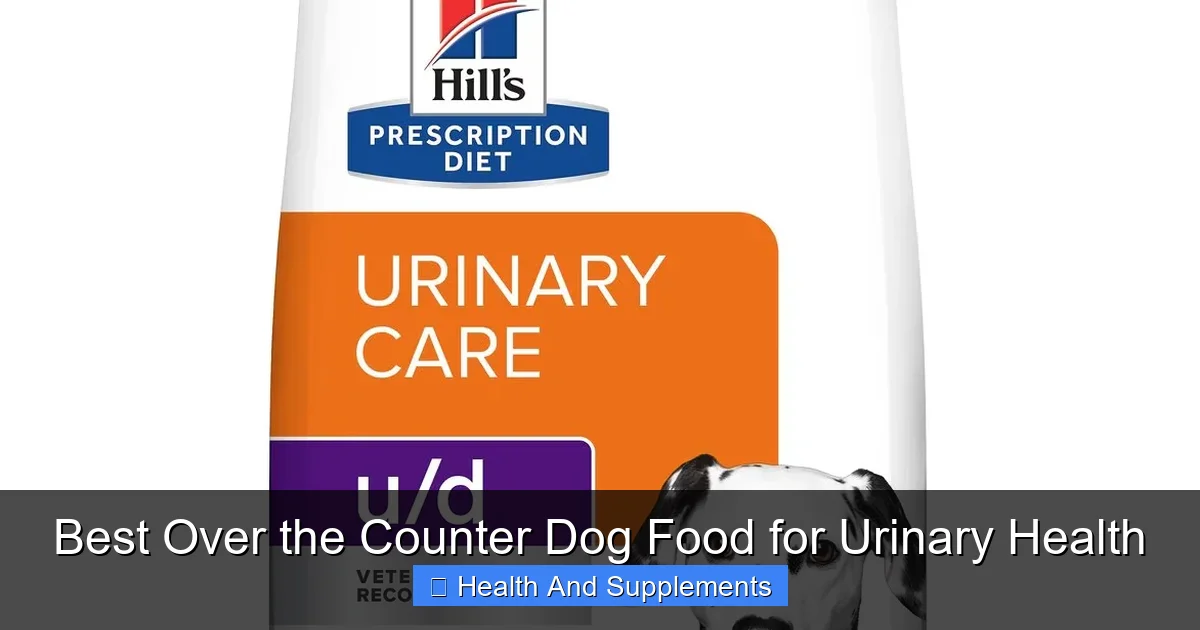
Visual guide about Best Over the Counter Dog Food for Urinary Health
Image source: dogster.com
Over the counter dog food for urinary health isn’t just regular kibble with a fancy label. These formulas are scientifically designed to address the root causes of urinary problems. One of the main ways they work is by controlling the pH level of your dog’s urine. When urine is too alkaline, it creates an environment where struvite crystals can form. Conversely, overly acidic urine can lead to calcium oxalate stones. The best urinary health diets aim for a balanced, slightly acidic pH (around 6.0 to 6.5) to discourage crystal growth.
Another key factor is mineral content. Foods labeled for urinary health typically have reduced levels of magnesium, phosphorus, and calcium—minerals that, in excess, can contribute to stone formation. But it’s not just about lowering minerals; it’s about balance. These diets also include ingredients that help bind excess minerals and flush them out through urine.
Hydration is another critical piece of the puzzle. Dogs who don’t drink enough water are at higher risk for concentrated urine, which increases the chance of crystal formation. That’s why many over the counter urinary health foods come in wet or canned forms. The added moisture helps keep urine diluted and supports regular bladder flushing. Even if you feed dry kibble, look for brands that encourage water intake—some even include broth or encourage mixing with water.
Top Ingredients to Look For
When shopping for over the counter dog food for urinary health, it’s important to read labels carefully. Not all “urinary support” claims are created equal. Here are some ingredients and features to prioritize:
High-Quality, Digestible Protein
Protein is essential for muscle maintenance and overall health, but low-quality or excessive protein can strain the kidneys. Look for named meat sources like chicken meal, turkey, or salmon as the first ingredient. These provide complete amino acids without overloading the system.
Controlled Mineral Levels
As mentioned, excess magnesium and phosphorus can contribute to struvite stones. Reputable brands will list these minerals on the guaranteed analysis and keep them within safe ranges. For example, magnesium should generally be below 0.1% on a dry matter basis.
Added Moisture or Wet Formulas
Canned or wet food typically contains 70–80% water, which significantly boosts your dog’s daily fluid intake. If your dog prefers dry food, consider adding warm water or low-sodium broth to the kibble to increase hydration.
Natural Urinary Acidifiers
Some formulas include ingredients like DL-methionine or cranberry extract, which help maintain a healthy urine pH. Cranberry, in particular, may help prevent bacteria from sticking to the bladder walls, reducing the risk of infections.
No Artificial Fillers or By-Products
Avoid foods with corn syrup, artificial colors, or unnamed meat by-products. These offer little nutritional value and may contribute to inflammation or digestive upset.
Best Over the Counter Dog Food Brands for Urinary Health
While there are many options on the market, a few brands consistently stand out for their quality, research-backed formulas, and positive customer feedback. Here are some top picks:
Hill’s Science Diet Urinary Care
One of the most trusted names in veterinary nutrition, Hill’s offers both dry and wet formulas designed to support urinary health. Their Science Diet Urinary Care line uses controlled mineral levels and added antioxidants to promote a healthy bladder. Many pet owners report fewer urinary issues after switching to this brand.
Royal Canin Urinary SO
Royal Canin is another vet-recommended brand with a strong focus on science. Their Urinary SO formula is designed to dissolve struvite stones and prevent recurrence. It’s available over the counter in many pet stores and online, though your vet may still recommend it for dogs with a history of stones.
Purina Pro Plan Urinary Tract Health
Purina’s Pro Plan line includes a urinary health formula with real chicken as the first ingredient and reduced magnesium. It’s affordable, widely available, and has been shown to help maintain a healthy urine pH in clinical studies.
Iams ProActive Health Urinary Tract Health
This budget-friendly option still delivers solid urinary support with controlled mineral levels and added fiber for digestive health. It’s a great choice for pet owners looking for effective OTC options without the premium price tag.
Wellness Complete Health Urinary Care
For those who prefer natural ingredients, Wellness offers a grain-free urinary formula with cranberry, blueberries, and real deboned chicken. It’s free from artificial preservatives and supports both urinary and immune health.
Wet vs. Dry: Which Is Better for Urinary Health?
This is a common question among dog owners, and the answer isn’t one-size-fits-all. However, when it comes to urinary health, wet food generally has the edge—especially for dogs who don’t drink enough water on their own.
Benefits of Wet Food
Wet food’s high moisture content helps keep your dog hydrated, which is crucial for diluting urine and flushing out the bladder. Dogs on wet food diets often have lower urine concentration, reducing the risk of crystal formation. Plus, many dogs find wet food more palatable, which can encourage eating in picky eaters or seniors.
When Dry Food Makes Sense
Dry kibble is convenient, cost-effective, and helps with dental health by reducing plaque buildup. If your dog drinks plenty of water and has no history of urinary issues, a high-quality dry urinary health formula can still be effective. Just be sure to encourage water intake—try using a pet fountain or adding water to meals.
Combination Feeding: The Best of Both Worlds
Many pet owners opt for a mix of wet and dry food. For example, feeding dry kibble during the day and a wet urinary health meal in the evening can boost hydration without breaking the bank. This approach also adds variety, which can keep your dog excited about mealtime.
Tips for Transitioning to Urinary Health Food
Switching your dog to a new food should be done gradually to avoid digestive upset. Here’s a simple 7-day transition plan:
- Days 1–2: Mix 25% new food with 75% current food.
- Days 3–4: Use 50% new food and 50% old food.
- Days 5–6: Increase to 75% new food and 25% old food.
- Day 7: Feed 100% new food.
During the transition, monitor your dog’s stool, energy levels, and appetite. If you notice vomiting, diarrhea, or lethargy, slow down the process or consult your vet.
It’s also important to measure portions carefully. Overfeeding can lead to obesity, which is a risk factor for urinary issues. Follow the feeding guidelines on the package, but adjust based on your dog’s age, activity level, and body condition.
When to See a Veterinarian
While over the counter dog food for urinary health can be incredibly helpful, it’s not a substitute for professional care. If your dog shows any of the following signs, seek veterinary attention immediately:
- Straining to urinate or crying out in pain
- Blood in the urine
- Frequent urination with little output
- Lethargy, vomiting, or loss of appetite
- Unable to urinate at all (a medical emergency)
These symptoms could indicate a urinary blockage, infection, or advanced stone formation—conditions that require prompt treatment. Your vet may recommend diagnostic tests like urinalysis, ultrasound, or X-rays to determine the best course of action.
Even if your dog is doing well on OTC food, regular check-ups are essential. Annual urine tests can catch early signs of urinary issues before they become serious.
Final Thoughts: Making the Right Choice for Your Dog
Choosing the best over the counter dog food for urinary health doesn’t have to be overwhelming. With the right information, you can make a confident decision that supports your dog’s long-term wellness. Focus on high-quality ingredients, proper mineral balance, and hydration. Whether you go with wet, dry, or a combination, consistency is key.
Remember, every dog is different. What works for one pup may not be ideal for another. Pay attention to your dog’s behavior, bathroom habits, and overall health. And when in doubt, consult your veterinarian—they can help tailor a diet plan that fits your dog’s unique needs.
By being proactive about urinary health, you’re not just preventing discomfort—you’re giving your dog the gift of a happier, healthier life.
Frequently Asked Questions
Can over the counter dog food really help with urinary health?
Yes, many over the counter dog foods are scientifically formulated to support urinary health by balancing urine pH and reducing mineral buildup. While they may not treat active infections or blockages, they can help prevent future issues.
Is wet food better than dry food for urinary health?
Wet food is generally better for urinary health because of its high moisture content, which helps keep urine diluted. However, high-quality dry food can still be effective if your dog drinks enough water.
How long does it take to see improvements in urinary health?
Some dogs show improvement within a few weeks, especially if they were dehydrated or eating a poor diet. For dogs with existing crystals or stones, it may take several months of consistent feeding to see results.
Can I feed urinary health food to a healthy dog as a preventative?
Yes, many pet owners use urinary health food as a preventative measure, especially for breeds prone to urinary issues. Just make sure the food meets your dog’s overall nutritional needs.
Do I need a vet’s approval to buy over the counter urinary food?
No, you don’t need a prescription for most OTC urinary health foods. However, it’s always a good idea to consult your vet before making dietary changes, especially if your dog has a medical history.
What if my dog refuses to eat the new food?
Try mixing the new food with their current food gradually, warming it slightly, or adding a small amount of low-sodium broth. If refusal continues, talk to your vet about alternative options or appetite stimulants.