
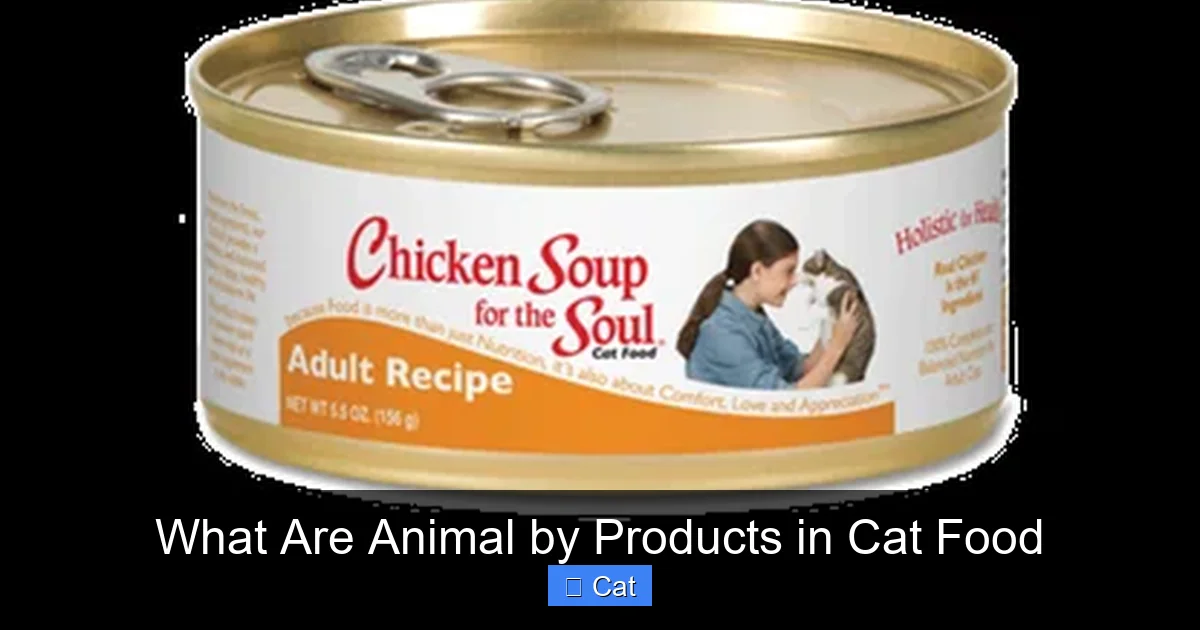
Animal by-products in cat food are often misunderstood but play a vital role in providing high-quality nutrition for cats. These ingredients—derived from parts of animals not typically consumed by humans—offer rich sources of protein, vitamins, and minerals essential for feline health. When sourced responsibly, they are safe, sustainable, and beneficial.
Key Takeaways
- Animal by-products are nutrient-dense ingredients: They include organ meats like liver, kidneys, and hearts, which are packed with taurine, iron, and B vitamins crucial for cats.
- Not all by-products are equal: High-quality cat foods use named sources (e.g., “chicken liver”) rather than vague terms like “meat by-products,” ensuring transparency and safety.
- By-products support sustainability: Using parts of animals that would otherwise go to waste reduces environmental impact and promotes ethical food production.
- Cats thrive on animal-based nutrition: As obligate carnivores, cats require animal proteins and fats, and by-products help meet these needs efficiently.
- Regulations ensure safety: In 2026, pet food manufacturers must comply with strict AAFCO and FDA standards, ensuring by-products are clean, safe, and properly labeled.
- Myths vs. reality: Many believe by-products are “fillers” or low-quality, but modern science shows they are highly digestible and nutritious when properly processed.
- Look for transparency on labels: Choose brands that clearly identify by-product sources and avoid those with vague or unnamed ingredients.
📑 Table of Contents
What Are Animal By-Products in Cat Food?
If you’ve ever glanced at the ingredient list on your cat’s food and seen terms like “chicken by-products” or “beef liver,” you might have wondered—what exactly are these things? Are they safe? Are they healthy? In 2026, with growing awareness around pet nutrition and sustainability, understanding animal by-products is more important than ever.
Animal by-products are parts of animals that are not typically consumed by humans but are still highly nutritious and safe for pets. These can include organ meats like liver, kidneys, lungs, and hearts, as well as blood, bone, and certain parts of the digestive tract. Importantly, these are not the same as “meal” or “rendered” products—by-products are fresh or frozen animal parts that undergo minimal processing.
Contrary to popular belief, animal by-products are not “leftovers” or waste. In fact, they are often more nutrient-dense than muscle meat alone. For example, liver is one of the richest natural sources of vitamin A and iron, while heart is loaded with taurine—an amino acid essential for feline heart and eye health. When included in cat food, these ingredients help create a balanced, complete diet that supports energy, immunity, and overall well-being.
Why Are Animal By-Products Used in Cat Food?

Visual guide about What Are Animal by Products in Cat Food
Image source: tailblazerspets.com
You might be asking, “Why use by-products at all? Why not just use whole muscle meat?” The answer lies in both nutrition and practicality.
First, cats are obligate carnivores. This means their bodies are designed to thrive on animal-based proteins and fats. They require specific nutrients—like taurine, arachidonic acid, and vitamin A—that are only found in animal tissues. While muscle meat provides protein, it doesn’t always supply enough of these critical nutrients on its own. Organ meats and other by-products fill that gap.
Second, using by-products is a smart way to reduce waste. In the meat industry, only about 50% of an animal is typically used for human consumption. The rest—such as organs, blood, and bones—would otherwise end up in landfills. By incorporating these parts into pet food, manufacturers help create a more sustainable food system. In 2026, with climate change and resource scarcity at the forefront, this kind of efficiency is not just smart—it’s essential.
Third, by-products are cost-effective. High-quality muscle meat like chicken breast or beef steak is expensive. By using nutrient-rich by-products, pet food companies can offer affordable, balanced diets without sacrificing nutrition. This makes quality cat food accessible to more pet owners.
Nutritional Benefits of By-Products
Let’s break down why by-products are so valuable in cat food:
– **Liver**: Packed with vitamin A, iron, copper, and B vitamins. Supports vision, immune function, and red blood cell production.
– **Kidneys**: Rich in B12, folate, and selenium. Help detoxify the body and support metabolic health.
– **Heart**: A muscle meat that’s high in taurine, CoQ10, and B vitamins. Essential for heart health and energy production.
– **Lungs**: Contain iron and protein, though less commonly used today due to processing challenges.
– **Blood**: A source of protein and iron, though it’s typically processed into plasma or dried blood meal for safety.
These ingredients are not only nutritious but also highly digestible. Studies show that cats absorb and utilize nutrients from organ meats more efficiently than from plant-based sources. This makes by-products a natural fit for feline diets.
Sustainability and Ethical Considerations
In 2026, pet owners are more environmentally conscious than ever. Many are choosing pet food brands that align with their values—sustainability, transparency, and ethical sourcing. Animal by-products play a key role in this movement.
When pets eat by-products, they’re helping to reduce food waste. Instead of discarding usable animal parts, the pet food industry gives them a second life. This closed-loop system supports a circular economy, where resources are reused rather than wasted.
Additionally, using by-products can reduce the demand for “human-grade” meat in pet food. While some premium brands market “human-grade” ingredients, this label doesn’t necessarily mean better nutrition—and it often comes at a higher environmental cost. By using by-products, manufacturers can still provide high-quality nutrition without increasing pressure on livestock farming.
Are Animal By-Products Safe for Cats?
Safety is a top concern for pet owners, and rightfully so. The good news is that animal by-products in commercial cat food are rigorously regulated and safe when sourced and processed correctly.
In the United States, the Association of American Feed Control Officials (AAFCO) sets strict guidelines for pet food ingredients. According to AAFCO, animal by-products must come from slaughtered mammals and birds and exclude feathers, hair, horns, teeth, and hooves (except in trace amounts). They must also be clean, safe, and suitable for animal consumption.
The U.S. Food and Drug Administration (FDA) and the U.S. Department of Agriculture (USDA) also oversee the safety of animal by-products. Facilities that process these ingredients must follow Hazard Analysis and Critical Control Points (HACCP) plans to prevent contamination and ensure quality.
How Are By-Products Processed?
The journey from slaughterhouse to cat food bowl involves careful handling and processing. Fresh animal by-products are typically chilled or frozen immediately after slaughter to prevent spoilage. They are then transported to pet food facilities, where they undergo one of several processes:
– **Rendering**: A method that uses heat to separate fat, protein, and moisture. The result is a dry, stable ingredient like meat meal or by-product meal.
– **Freeze-drying**: Preserves nutrients and flavor by removing moisture at low temperatures. Often used in premium or raw diets.
– **Cooking and extrusion**: Used in kibble production, where ingredients are cooked under high heat and pressure, then shaped into pellets.
These processes kill harmful bacteria and make the ingredients safe for consumption. Importantly, they also preserve the nutritional value of the by-products.
What to Watch Out For
While most by-products are safe, it’s important to read labels carefully. Avoid products that use vague terms like “meat by-products” or “animal by-products” without specifying the source. These could come from unknown or low-quality animals.
Instead, look for named sources such as:
– “Chicken by-products”
– “Beef liver”
– “Turkey heart”
These labels indicate transparency and higher quality. Reputable brands will also list the animal source (e.g., “chicken” vs. “poultry”) and avoid generic terms.
Myths and Misconceptions About Animal By-Products
Despite their benefits, animal by-products are often misunderstood. Let’s clear up some common myths.
Myth 1: By-Products Are “Fillers” or Low-Quality Ingredients
This is one of the biggest misconceptions. By-products are not fillers—they are nutrient-dense ingredients that provide essential proteins, vitamins, and minerals. In fact, many veterinarians and pet nutritionists consider organ meats to be superior to muscle meat in certain nutritional aspects.
Fillers, on the other hand, are typically plant-based ingredients like corn, wheat, or soy that add bulk but little nutritional value. True fillers are not necessary in cat food, and high-quality brands avoid them. By-products, when properly sourced, are the opposite of fillers—they’re concentrated sources of nutrition.
Myth 2: By-Products Come from Diseased or Unsafe Animals
This is false. By-products used in pet food come from animals that have been inspected and approved for human consumption. If an animal is found to be diseased during inspection, it is not used for any food product—human or pet.
The USDA inspects all slaughterhouses, and only healthy animals are processed. By-products are held to the same safety standards as human food, even if they’re not intended for human consumption.
Myth 3: Cats Don’t Need By-Products—They Only Need Muscle Meat
While muscle meat is important, it’s not enough on its own. Cats need a variety of animal tissues to meet their nutritional needs. For example, taurine is found in high concentrations in heart and liver, but in lower amounts in muscle meat. Without enough taurine, cats can develop serious health issues like blindness or heart disease.
By-products help ensure that cats get a complete and balanced diet. They’re not optional extras—they’re essential components of feline nutrition.
Myth 4: All By-Products Are the Same
Not true. The quality of by-products depends on the source and processing. High-quality by-products come from named animals (e.g., “chicken liver”) and are processed quickly to preserve freshness and nutrients. Low-quality by-products may come from unnamed sources or be heavily processed, reducing their nutritional value.
Always check the ingredient list. If you see “meat by-products” without a named animal, it’s a red flag. Choose brands that are transparent about their sourcing.
How to Choose Cat Food with Quality Animal By-Products
Now that you understand what animal by-products are and why they matter, how do you choose the right cat food? Here are some practical tips for 2026:
Read the Ingredient List Carefully
The first few ingredients on the label are the most important. Look for named animal proteins and by-products near the top of the list. For example:
– “Chicken, chicken liver, chicken heart”
– “Beef, beef liver, beef kidney”
Avoid products that list grains or plant proteins before animal ingredients. Cats need animal-based nutrition first and foremost.
Look for AAFCO Statements
Reputable cat food brands will include an AAFCO statement on the packaging. This confirms that the food meets nutritional standards for a cat’s life stage (e.g., growth, maintenance, or all life stages). It’s a sign that the food has been formulated with science-based nutrition in mind.
Choose Brands with Transparency
In 2026, many pet food companies are embracing transparency. Look for brands that share information about their sourcing, processing methods, and quality control. Some even offer QR codes on packaging that link to detailed ingredient reports.
Brands like Wellness, Blue Buffalo, and Royal Canin are known for clear labeling and high standards. Emerging brands like The Honest Kitchen and Open Farm also prioritize transparency and sustainability.
Consider Your Cat’s Needs
Not all cats are the same. Kittens, seniors, and cats with health conditions may have different nutritional needs. For example:
– Kittens benefit from higher levels of protein and fat, which by-products can provide.
– Senior cats may need more taurine and B vitamins to support aging organs.
– Cats with kidney issues may benefit from diets lower in phosphorus, which can be managed with careful by-product selection.
Consult your veterinarian to choose the best food for your cat’s specific needs.
Don’t Fear By-Products—Embrace Them
The next time you see “chicken liver” or “beef heart” on a label, don’t panic. These are signs of a nutrient-rich, thoughtfully formulated diet. By-products are not something to avoid—they’re something to welcome.
The Future of Animal By-Products in Cat Food
As we move further into 2026, the role of animal by-products in pet food is evolving. Advances in food science, sustainability, and consumer awareness are shaping a new era of pet nutrition.
One trend is the rise of “upcycled” pet food—products that use ingredients that would otherwise go to waste. By-products are a natural fit for this movement. Companies are now marketing their use of organ meats and other by-products as a way to reduce environmental impact and support ethical farming.
Another trend is improved processing technology. New methods like high-pressure processing (HPP) and gentle cooking techniques help preserve the nutrients in by-products while ensuring safety. This means cats can enjoy fresher, more bioavailable nutrition.
Finally, consumer education is improving. Pet owners are becoming more informed about what goes into their cat’s food. As demand for transparency grows, brands are responding with clearer labels, third-party certifications, and detailed sourcing information.
Conclusion
Animal by-products in cat food are not the mysterious, low-quality ingredients some people believe them to be. In fact, they are essential components of a balanced, nutritious diet for cats. Rich in protein, vitamins, and minerals, by-products like liver, heart, and kidneys support everything from vision to heart health.
When sourced responsibly and processed safely, these ingredients are not only healthy but also sustainable. They help reduce food waste, lower environmental impact, and make quality nutrition accessible to more pets.
As a cat owner in 2026, you have more information and options than ever before. By understanding what animal by-products are—and why they matter—you can make confident, informed choices for your feline friend. Look for named sources, check for AAFCO compliance, and choose brands that prioritize transparency.
Your cat deserves the best. And sometimes, the best comes from parts you might not expect.
Frequently Asked Questions
Are animal by-products in cat food safe?
Yes, animal by-products are safe when sourced and processed correctly. They must meet strict AAFCO and FDA standards, ensuring they come from healthy animals and are free from contaminants.
Can cats digest animal by-products?
Absolutely. Cats are obligate carnivores and are highly efficient at digesting animal tissues, including organ meats. By-products are often more digestible than plant-based ingredients.
Do all cat foods contain animal by-products?
Not all, but many high-quality cat foods do. Some premium brands use whole muscle meat, while others rely on by-products for balanced nutrition. It depends on the brand and formulation.
Are by-products the same as meat meal?
No. By-products are fresh or frozen animal parts, while meat meal is rendered—cooked and dried—to remove moisture and fat. Both can be nutritious, but they’re processed differently.
Should I avoid cat food with by-products?
Not necessarily. Avoid only products with vague terms like “meat by-products.” Choose foods with named sources like “chicken liver” or “beef heart” for better quality and transparency.
Do by-products make cats gain weight?
No, by-products themselves don’t cause weight gain. Overfeeding or high-calorie diets do. By-products are nutrient-dense but not inherently fattening when used in balanced formulas.